
EN
Eleven Pills Left in Ruth Kessler’s Bottle

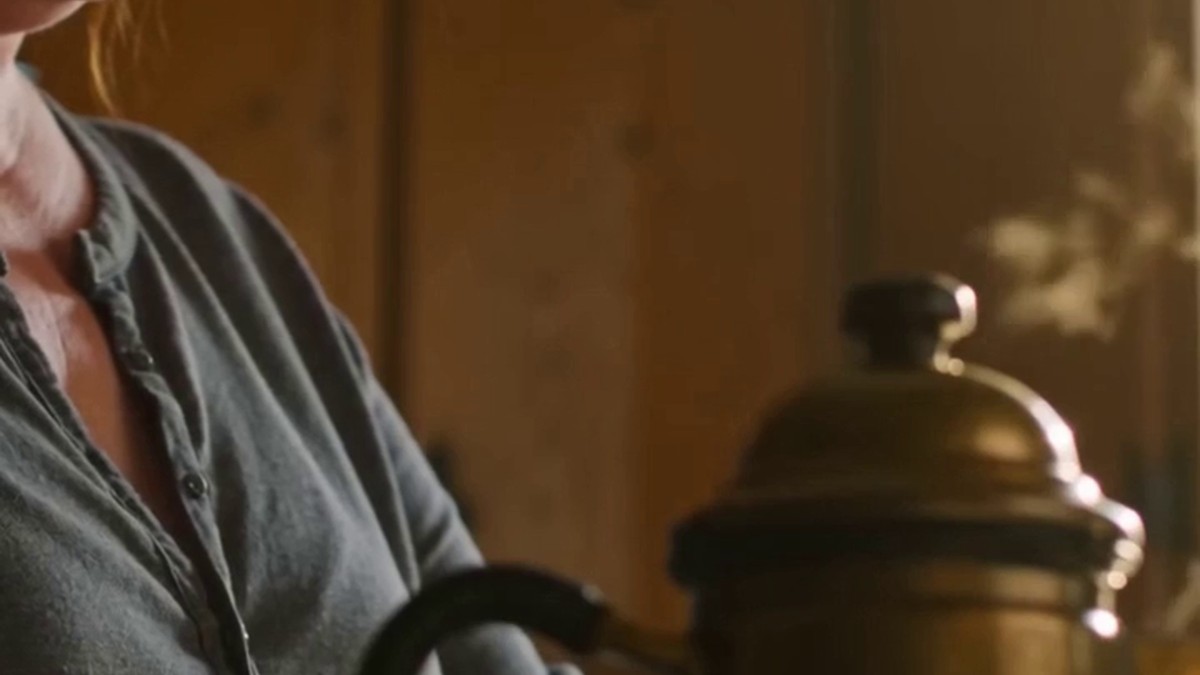
The kitchen still smelled like her mother's coffee — the cheap Folgers she refused to give up even after the doctor told her to cut caffeine — and Marianne Kessler stood at the counter at 6:40 in the morning, not making any, just standing there with her palm flat on the cold burner where the percolator used to sit.
Her mother, Ruth, had died eleven days ago at Providence St. Vincent in Portland, room 412, on a Tuesday, with rain coming sideways against the window the whole night before. Marianne had been the one holding the phone that played Ruth's favorite Patsy Cline record off a tinny speaker because the nurse, a woman named Delia who'd worked the ward for nineteen years, said hearing was the last thing to go. Marianne didn't know if that was medically true. She'd looked it up twice since and gotten different answers both times.
Now it was the eleventh day, and the house on Failing Street — the one Ruth had bought in 1983 for $34,000 and refused to sell even when the roof needed $18,000 of work three years ago — was full of things nobody had touched. A robe on a hook. A prescription bottle of metoprolol with eleven pills still in it, because Ruth had died before finishing the bottle, and somehow that fact undid Marianne more than the funeral had.
The funeral itself had been small. Forty-two people at Riverview Cemetery, a folding chair count Marianne had made herself the night before because she needed something to count. Her brother Dennis flew in from Tempe, wore his one dark suit, and cried exactly once, at the graveside, when the funeral director, Mr. Aldana, lowered his voice to say the final words and a city bus went by on Willamette Boulevard, brakes hissing, utterly indifferent.
That indifference was the thing Marianne kept returning to. The world's refusal to pause. She went back to her job at the credit union on the Monday after the funeral because her manager, kindly enough, said she could take more time, and Marianne said no, she needed the counter, the customers, the ordinary transactions — deposits, a lost debit card, a woman named Beatrice who came in every Friday to withdraw exactly sixty dollars for her grandchildren's allowance. Marianne processed twenty-six transactions that first day back and cried in the supply closet during her fifteen-minute break, quietly, into a roll of paper towels, because she'd forgotten to bring tissues and didn't want anyone to see her face when she came out.
It was the small tasks that broke her, never the large ones. She'd handled the death certificate, the obituary, the calls to Social Security and the two credit card companies without her voice cracking once. But three days after the funeral, sorting Ruth's closet, she'd found a birthday card Ruth had already bought for Marianne's daughter, Ivy — Ivy's birthday wasn't for another four months — a card with a cartoon fox on it and $20 tucked inside, the amount Ruth always gave, and Marianne had sat down on the closet floor among the shoes and stayed there for forty minutes.
Dennis called her on a Sunday, ten days after the funeral, and they didn't talk about the house or the estate lawyer in Beaverton who was handling Ruth's small estate — about $61,000 in savings, split evenly, nothing complicated, nothing to fight over, which somehow felt like its own strange mercy. They talked instead about the coffee. Dennis said he'd started buying the same Folgers can, the red one, even though he'd always made fun of her for not drinking real coffee, and now he made a full pot every morning in Arizona and let most of it go cold because he couldn't drink it all himself and couldn't throw it out either.
"I keep waiting for it to feel like it happened," Marianne told him. "Everybody says grief comes in waves, like it's ocean, like it's supposed to be beautiful or something. Nobody says it's just Tuesday. Nobody says it's a pill bottle."
Dennis didn't say anything for a while. Then he asked if she still had Mom's phone number saved.
She did. She hadn't deleted it. She wasn't going to.
On the twelfth day, Marianne finally made coffee in the old percolator, the same brand, the same brand Ruth always bought, and she poured two cups out of habit before she caught herself and stood there in the kitchen on Failing Street holding both of them, one going cold in each hand, and did not, for a long moment, put either one down.



Klíč od bytu v Hradci Králové
— Maminka bude mít klíč od našeho bytu, domluveno, — oznámil Tomáš a zapínal si bundu s výrazem člověka, který...


Namą pardaviau tyliai, o jie vis dar planavo virtuvės remontą
—Ta sena boba man kelia pasibjaurėjimą. Nebeištversiu toliau vaidinti, kad ją myliu. Sūnaus balsas atsklido iš virtuvės tą pačią akimirką,...


La petite robe trempée qui a sauvé toute une famille
La pluie tambourinait sur les hautes fenêtres de la villa de Vincent Castellane, sur les hauteurs de Saint-Cloud, quand Camille...


Het medicijnboompje
Ik werk al zeventien jaar als caissière bij de Albert Heijn aan de Zuidlaan in Zwolle. Ik ken bijna alle...


Donder op het erf van Jeroen
Elke ochtend begon hetzelfde, al jaren. Jeroen van Beek liep nog voor zeven uur over het erf van zijn kleine...


Hármas ikrek a Szent Margit szülészeten – és egy hamis aláírás, ami mindent eldöntött
Veszkény Boróka a műtőasztalról egyenesen a magánszoba kórházi ágyára került, amikor az ajtó kinyílt, és belépett Mátyás, a férje –...


Il diploma che nessuno vide arrivare
Arrivai al centro sportivo di Quarto Oggiaro con il vestito blu che mi ero comprata all'OVS di Viale Jenner, quello...


Alice si zaslouží lásku a čas, který teta Brooke nikdy nedostala, dnes to změním
Hana Dvořáková zaslechla ten pláč dřív, než poprvé uviděla dívčinu tvář. Nebyl to hlasitý pláč. Ne takový, při kterém dospělí...