
З життя
Retiree discovers a wounded dog; the encounter transforms her lifeShe brings the dog home, and together they embark on a mission to rescue abandoned animals across the neighborhood.

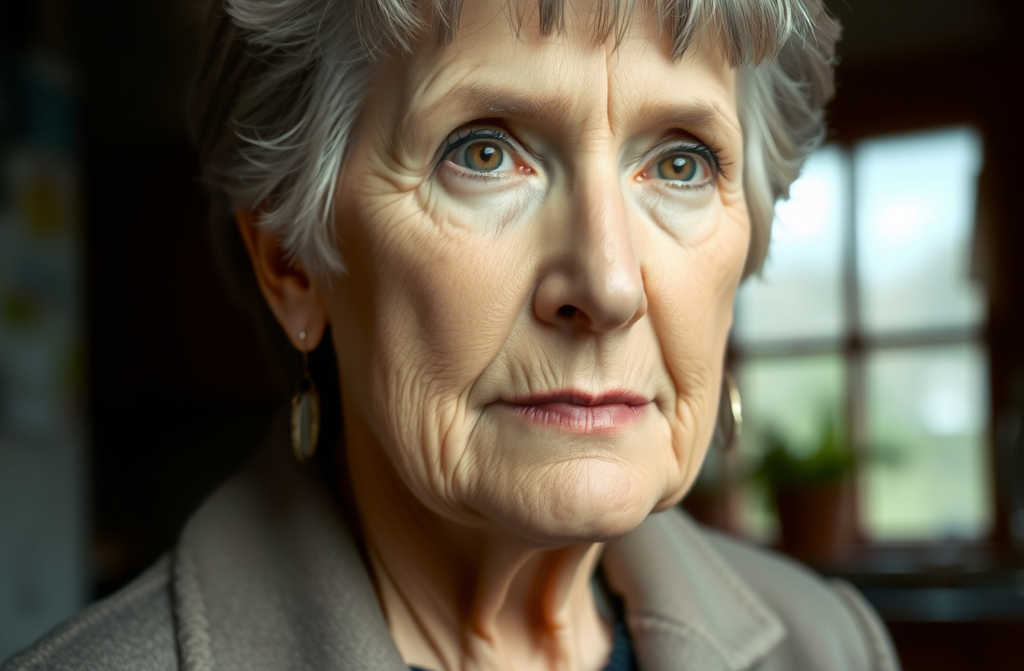
Eleanor Whitaker shuffled out of the chemist, the single thought in her head a thin thread: make it home without another stumble.
Cane. Step. Cane. Step. Her leg ached, the bag of tablets cut into her palm. October in Yorkshire was merciless this year damp, grey, offering no mercy.
Another block. A little further.
She was almost past the children’s playground when a soft whine slipped out of the hedges by the fence.
Eleanor halted, the breath catching in her chest. She thought, Im already spent, just get home. Yet a flicker of something else pulled her forward.
She pushed the branches aside.
There lay a shepherddog, fullgrown but utterly helpless. Its front leg was stained with blood, fresh and dried at the same time. The fur hung in clumps, ribs stark beneath it. But it was the eyes that pierced her alive, yet on the brink of surrender. She knew what those eyes meant.
The dog looked at her, not growling, just staring.
What am I to do with you? Eleanor murmured, the words more a sigh than a question.
She fished out her mobile and dialed a taxi the first one shed called in months, trying to save a few pounds. She gave the address of the veterinary practice on Forest Road.
The driver grimaced when he saw the animal.
Usually we dont transport pets. Only if they go in the boot. Wont they dirty the interior?
It wont, Eleanor replied, her voice the same flat tone shed once used with indifferent healthcare workers. Help me load it, please.
Surprisingly, the driver didnt argue. He hoisted the dog into the boot almost by himself.
At the clinic they diagnosed a fracture, a jagged wound, severe exhaustion. An emergency operation was required.
They quoted a sum.
Eleanors hand trembled for a heartbeat. Then she opened her wallet.
It was almost every penny of her state pension.
Almost everything but not quite everything, she whispered to herself, sliding the cash across the counter.
She returned home late that night the dog in a carrier, the medicine bag slung over her shoulder, a twopage instruction sheet in tiny print tucked in her coat pocket.
Gertie, the shepherddog, collapsed onto the hallway floor the moment they entered. Eleanor sat beside her, the dog stretching its bandaged leg, giving Eleanor no glance at all.
Well, thatll do, Eleanor said softly. You dont have to look at me. As long as youre alive.
Sleep eluded her. She rose twice during the night, checking the dog, the glow of a phone flashlight flickering over the quiet room.
At dawn, Mabel called.
Mum, how are you?
Fine. I found a dog today.
Silence stretched, heavy.
What kind of dog?
A shepherd. She was wounded, lying in the hedges. I took her to the vet.
Mum Mabels voice cracked, the sound of someone holding back a storm. Are you serious? You can barely walk! How are you affording this?
From my own money.
From your pension?
Mabel, please dont shout.
Im not shouting, Im just speaking, she said, trying to keep the edge out of her tone. Weve talked about this. Im supposed to be moving into your flat soon, and instead Im
Mabel. Eleanors reply was calm, even. Ill call back later. She hung up.
The first few days were a trial. Gertie refused food. Eleanor bought everything she could pâté, boiled chicken, rice in broth placed the bowl, stepped back, waited. Nothing moved.
She sat on the floor, legs trembling, and held a morsel out with a shaking hand. She didnt smile, didnt move, lest she frighten the dog away.
On the third day the dog nudged her paw and took a tiny piece of chicken.
A sliver, barely noticeable.
Eleanor kept her eyes fixed, the slightest movement would have sent Gertie scurrying. She named her Gertie later, after seeing that the dog would stay.
Gertie was terrified of everything sudden noises, unfamiliar motions. When Eleanor first tried to pat her head, the dog shrank as if bracing for a blow.
Who taught you that? Eleanor whispered.
She didnt press. She simply rested her hand on the blanket beside the limp leg, letting her presence be a quiet promise.
Mornings and evenings became their ritual. Gertie descended the stairs on three legs, the fourth still guarded. Eleanor, leaning on the rail, felt the weight of her own two canelegs. Together they made a careful pair.
They reached the wooden bench beneath the lone oak in the square and paused. Eleanor sat; Gertie stood alert, scanning the street as if danger lurked behind every lamppost.
Their walks grew longer first to the bench and back, then to the corner, then around the whole block. Eleanors feet throbbed, not from weakness but from a new kind of fatigue, a tiredness that felt like life itself pressing forward.
In November Mabel arrived unannounced. She stepped into the hallway, eyes falling on Gertie curled on a cushion, the bowls lined up against the wall, the leash hanging on a hook. Eleanor was in the kitchen, tea steaming, cheeks pink from the walk.
Mum, you look okay, Mabel said, bewildered.
Im out for two walks a day, Eleanor replied. Sit, Ill pour you a cuppa.
Mabel sat, watching Gertie raise her head slowly.
Does she bite?
No.
And if a stranger comes in?
Shes not aggressive, just cautious.
A pause, then Mabels voice softened.
Mum, the flat is ready. Ive set everything up. Its easier when youre close. You being here alone I worry.
Eleanor placed her cup down.
Will you take the dog?
Mum
Just answer.
A long silence stretched.
Our flat isnt big enough. Kostyayour sondoesnt want pets. You know that.
I know, Eleanor said.
The conversation died then, the night swallowing the rest.
Gertie, as if sensing the tension, slipped off her cushion, padded to Eleanors feet, and lay down on the cold kitchen floor, stretching out fully.
Eleanors hand brushed her ear. Hear that, love?
Later, in December, Mabel returned with bags, groceries, and a resolve that felt like a contract.
She emptied the fridge, washed the dishes, then sat at the table, hands clasped as if preparing for a serious talk.
Mum, lets be fair to each other.
Eleanor stayed silent, Gerties soft sigh echoing in the room.
Alright, Eleanor said.
Ive arranged a proper room, new curtains, a better mattress. Youll be near, Ill be at peace. You wont be alone.
Im not alone, Eleanor replied.
Mum, Mabels eyes flickered, the dog isnt just company. Its a responsibility you cant shoulder now. Youre spending your pension, youre braving the cold twice a day, you
I look better than I did a year ago.
Youre tired.
Everyone gets tired.
Mum, Ive found a good shelter. They have space, staff who know dogs. Gertie would be better off there than in a onebed flat.
Gertie lifted her head, claws whispering on the floor, and padded to the kitchen doorway, then settled beside Eleanor.
Mabel stared at the dog, then at her mother.
I hear you, Eleanor whispered, laying her hand on Gerties head. The dog stayed still.
Do you remember how I used to work? Eleanor asked, voice sudden. You were a child, maybe you recall. I left at six in the morning, came back when you were already asleep. Your father used to say you didnt exist at home, only at the hospital.
Mabel remained mute.
I never resented it. I knew those people needed me more than I did. After dad died, I retired and suddenly found myself unnecessary. You have your own life now, thats right. But I didnt know what to do with myself.
She looked out the window at a bleak December dusk, the streetlamps already glowing.
When I found Gertie, I thought another problem on top of my already cracked world. No strength, no money, my health failing. Why take on more? Then, on the third day, she took a tiny piece of chicken from my hand. That sliver showed me I wasnt just losing sleep because I was tired. I was staying up because it mattered. If I didnt look after her, who would?
Gertie nudged closer; Eleanor scratched behind her ear.
Ive started walking farther. First to the bench, then three laps around the block, and I dont feel winded any more. I cut my bloodpressure meds two weeks ago, the doctor said it was safe. Ive met Valentina from the flat next door; we walk together now. I even bought proper winter boots for the first time in three years. I used to think, Why bother?
She turned to Mabel.
Now I walk, Mum.
Mabel stared, wanting to speak but holding back.
I understand your fear, Eleanor said gently. Fear of falling, of no ambulance, of icy streets, of being alone. I felt the same watching my fathers health decline.
Is there anything wrong with that? Mabel asked quietly.
Nothing wrong, just that Im not ready to be helpless yet, Eleanor smiled faintly. Its early.
Mabel lowered her gaze.
Silence lingered.
Will you give her away? Mabel asked.
Or move her?
Mabel nodded slowly, as if a piece of a puzzle finally clicked.
Then I want you to have a panic button a bracelet you can press, and Ill get a call straight away.
Alright.
And Ill visit once a week, not to check, just to see you.
Id like that.
And this, Mabel tapped Gerties nose, Ill try to accept her. I cant promise Ill love her, but Ill try.
Eleanor pulled Mabel close. They embraced, a brief, tight hold that said more than words could.
Gertie slipped back to her cushion.
Outside, night had fallen hard; the streetlights burned steady, fresh snow dusting the windowsill.
Winter slipped by unnoticed. Eleanor didnt realise when December gave way to January, then February, and she kept walking mornings and evenings, through frost, thaw, snow, and slush.
Gertie walked beside her, her leg fully healed, the vet proclaiming her as good as new.
In the courtyard, neighbours knew them. Valentina from the second block always stepped out at the same time; they strolled together, chatting about children, health, and the occasional political buzz, cautiously. Mr. Seymour from the third floor paused each time to offer Gertie a biscuit, which she accepted with quiet dignity. The children from the playground, initially wary of the shepherd, grew bold and began running up to her.
Eleanors cane stayed propped by the door in February; one morning she left it behind, returned to find it waiting, as if reminding her she still needed it.
In March she called the council to ask if the rural path to the cottage was open. It was, so she booked a seat on the local bus.
Gertie rode on the rear platform, ears perked, watching the world through the window.
The cottage was the same old stone house, bare apple trees, last years leaves clinging to the limbs. Eleanor walked the yard, feeling the soil still cold, but no longer frozen. She imagined planting foxgloves, petunias, dill, and parsley, just for the scent.
Gertie bounded across the garden like a young pup.
April brought Mabel back, this time with Kostya. Kostya entered, eyes flicking to Gertie, tension in his shoulders. Gertie sniffed his hand, then backed away, as if giving him a polite assessment.
Kostya exhaled. Well, she seems calm enough.
Shes clever, Eleanor said.
Mabel, eyes on her mother, whispered as Kostya stepped onto the balcony, Mum, youve changed.
In a good way?
Yeah.
Eleanor thought for a moment. Im just living again, I suppose. It feels real.
Gertie rested her head on Eleanors knee.
The scene held, the camera pulling back as the winter light faded, the streetlamps flickering, and a quiet house in a Yorkshire town breathed a little easier.



A jászberényi diófa, amelyik hatszázezer forintot ért meg egy családnak
A jászberényi diófa, amelyik örökre megmentett egy udvart Negyedik éve dolgozom a jászberényi piacon zöldséges standnál, pont szemben azzal a...


Žentas, kuris liko: Birutės akys devynerius metus
Mane vadina nedėkingu žentu. Taip sako uošvienės draugės prie bažnyčios Pasvalyje, kai aš parvežu ją iš poliklinikos ir padedu išlipti...


האלמנה מרחוב הדקלים
היה סוף אוקטובר, בבאר שבע עוד נשבה החמסין המאוחר שחודר דרך כל בד, לא משנה מה לובשים מתחתיו. אני לבשתי...


Свекървата ми изхвърли дрехите, а мъжът ми мълчеше
Стоях във всекидневната с разкъсан найлонов плик до краката и гледах празния рафт в гардероба. — Къде е ризата ми...


Dvě stě padesát hodin, matko
Tereza seděla v kuchyni na sídlišti Lesná v Brně, byla půl čtvrté ráno, a za oknem svítila jediná rozsvícená lampa...


Konvice, co nikdy nevystydla
Jmenuji se Radka Bartošová, bydlím na sídlišti v Pardubicích, ve stejném paneláku už osmadvacet let, a naproti přes chodbu, ve...


מאה חמישים מטר על מגרש הכדורגל של בית הספר בעפולה
אני עובדת בבית הספר התיכון כבר שתים עשרה שנה, מזכירה במשרד המנהלת, ורואה הרבה דברים שהורים לא רואים. אבל את...


Il quaderno di ricette di mia suocera
Mi chiamo Massimo, ho quarantatré anni e faccio il ragioniere a Bergamo. Per dodici anni ho vissuto nella stessa palazzina...