
З життя
My 47-Year-Old Husband Suggested an Open Relationship So He Could Cheat – Then He Demanded We Go Back to Normal. But It Was Too Late.

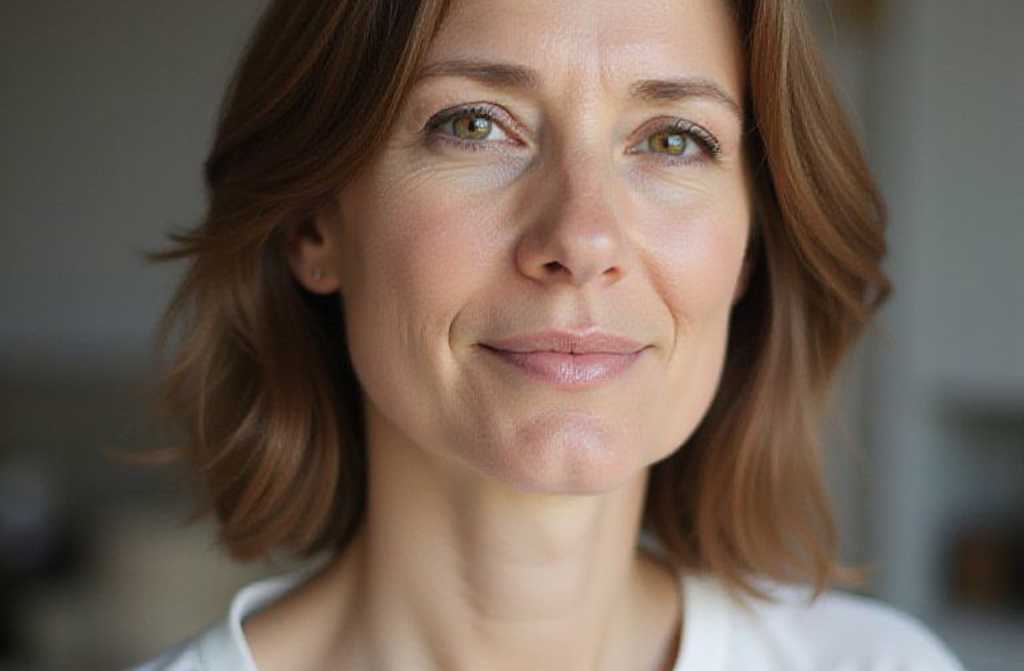
So, my husband—47 years old—suggested an open marriage so he could fool around, then suddenly demanded we go back to normal. But it was too late.
“So you get to mess about, and I’m just supposed to swallow it?” “Don’t be so dramatic. It’s modern.” “And when I start? That’ll be modern too?” “You’ve got it wrong.” Oh no, I understood perfectly. So perfectly that the realisation sat like a lump in my throat for ages, making it hard to breathe, because in that moment it became crystal clear: fifteen years of marriage can be wiped out with a single sentence if the person opposite you suddenly decides the rules don’t apply—but only for him.
We’d been together nearly fifteen years—not the picture-perfect Instagram kind, but real life, with tiredness, domestic routines, silent dinners, and the odd attempt to reignite the warmth.
I’m 43, he’s 47, and I genuinely thought that by this age people either learn to be together or honestly part ways if they can’t. But my husband decided there was a third way—keep the comfort, drop the restrictions, and only for himself.
When I found out about his affair, it wasn’t even a classic blow. It was a strange emptiness, like someone turned off the lights inside me, and I was standing in a dark room where everything felt familiar but unrecognisable. A friend sent me a photo—him in the car, kissing some woman. There was nothing passionate, dramatic, or even secretive about it. Just a fact. As mundane as a bag of groceries on the back seat.
I didn’t make a scene, didn’t throw phones, didn’t scream. I poured myself a cup of tea and waited for him at home because I wanted to see how he’d explain it. But he didn’t explain. He just looked at the photo, shrugged, and said, “So what do you want now?” And in that moment something inside me clicked for good—because it wasn’t even indifference; it was the conviction that he’d done nothing wrong.
Then came the best bit. He calmly offered a “solution”: “I don’t want a divorce, and I don’t want to split everything. Let’s have an open relationship. I see who I want, you see who you want.” He said it like he was handing me a gift I should be grateful for. In his world, it was a compromise—a modern approach, a convenient arrangement where nobody owes anyone anything. But somehow he got to do whatever he wanted, and I got the right to silently agree.
I stayed quiet then, not because I didn’t know what to say. But because inside, a quiet, painful process was happening—the shattering of the illusion that this man had ever chosen me for anything more than convenience. I cried for four days—quietly, without hysterics, as if all the accumulated years were slowly draining out of me. I couldn’t eat, couldn’t sleep properly, and the worst part wasn’t the affair—it was that he didn’t even see a problem.
On the fifth day, my best mate came round, listened, poured some wine, and said bluntly, “Emma, you’re an idiot.” No anger in it—just frustration at my helplessness. She explained something simple: he’d already made his decision, he was already living the way he wanted, and I was still stuck in the old model, trying to preserve it.
“He gave you permission,” she said, “and you don’t even get what that means. You haven’t lost—you’ve been handed freedom. The only question is whether you’ll use it or stay playing the victim.”
I didn’t believe it. It felt like it wasn’t about me—that at 43 it was too late to change anything, that all the good relationships were behind me. But another emotion was rising inside—cold anger, not loud, but calculated. So I decided to at least give it a go.
I signed up on a dating site and started just looking. Then replying. Then messaging. And it turned out the world didn’t end with my marriage—there were men who could talk, listen, joke, show attention. Sure, there were weird ones, ridiculous ones, outright funny ones, but also normal ones. And that shattered the picture I’d been stuck in.
I didn’t hide it from my husband. Let him see. Let him understand that his “freedom” worked both ways. At first he pretended he didn’t care, then started asking questions, then getting irritated—but it was too late to backpedal; he’d made the rules himself.
I went on a couple of dates, but couldn’t take it further. Not because of morals—but because I still had an attachment to the past, those fifteen years that don’t vanish in a week. But the tipping point had already come—I started seeing an alternative.
Then something happened that I definitely didn’t plan. My boss messaged me. We’d worked together for years, and I’d never looked at him as a man. He was just part of work life—calm, confident, a bit distant. Then suddenly his message: “Have you got divorced, or are you cheating on your husband?” I felt embarrassed and didn’t reply. But the next day, he sat opposite me in the café and said, “Alright, spill.”
I told him. No sugar-coating. And after listening, he simply said, “Your husband’s an idiot.” That one line carried more support than all the words I’d heard in years.
He didn’t push, rush, or hint at anything. He was just there. Gave me a lift, picked me up, invited me on a horse ride—like it was the most natural continuation of the conversation. That day became a turning point—not because anything special happened, but because for the first time in ages I felt like a living person, not a function or a role, someone whose company was simply enjoyable.
When he dropped me home, my husband was standing by the entrance. He saw everything—how I was greeted, how I was spoken to, how I was treated. And right then, his “freedom” ended.
Inside, he declared, “I’ve changed my mind. No open relationship. I want a proper family.” And it was almost funny—because a “proper family” suddenly became necessary exactly when I stopped being convenient.
I looked at him calmly and said, “I don’t want that.” No drama, no emotion. Just a fact.
He started threatening divorce, and I was already ready: “Fine.”
Two days later, I moved out. A week later, I filed for divorce. A month later, I started a new life.
The most unpleasant part of this whole story isn’t the affair or his cheek—it’s the realisation that he was never ready for equality. He wanted freedom—but only his own. He wanted rules—but only convenient ones. And when reality showed him a mirror image of his own script, he couldn’t handle it.
*Psychologist’s breakdown: At the core of this situation isn’t a desire for “freedom,” but a need to keep control by changing the rules unilaterally. The husband didn’t offer an equal relationship—he tried to legitimise his own cheating while keeping the comfort of marriage. It’s a classic pattern where one partner devalues the other’s feelings but expects the same loyalty. The key moment is his reaction when the woman actually accepts the terms. That shatters the illusion of control, because equality means equal rights and consequences—which he found unacceptable. The wife goes through a crucial psychological journey—from shock and pain to rebuilding self-worth. Engaging in a new social environment, receiving attention from other men, and feeling no pressure allowed her to see herself outside her usual role. This isn’t so much about a new partner as about reclaiming personal boundaries. Main takeaway: any “experiments” in relationships only work with honesty and equality. If one partner isn’t ready for real equality, such offers will inevitably destroy the union.*I saw him once more, six months later, in a supermarket. He looked smaller—shoulders hunched, pushing a trolley with a single bag of rice and a six-pack of cheap beer. He didn’t see me. I didn’t call out. I just watched him shuffle past the avocados, and I felt nothing—not pity, not anger, not nostalgia. Just the quiet, solid weight of a life that no longer included him.
That night, my boss—no, my partner now—cooked dinner while I sat on the counter, scrolling through holiday photos. He looked up and said, “You’ve got that smile again.” I hadn’t noticed. But he had. And that’s the thing about being seen—it doesn’t need permission. It just happens, like the first warm day after a long winter. I didn’t escape. I walked out of a room that had no windows and found the sky still there, waiting.



A jászberényi diófa, amelyik hatszázezer forintot ért meg egy családnak
A jászberényi diófa, amelyik örökre megmentett egy udvart Negyedik éve dolgozom a jászberényi piacon zöldséges standnál, pont szemben azzal a...


Žentas, kuris liko: Birutės akys devynerius metus
Mane vadina nedėkingu žentu. Taip sako uošvienės draugės prie bažnyčios Pasvalyje, kai aš parvežu ją iš poliklinikos ir padedu išlipti...


האלמנה מרחוב הדקלים
היה סוף אוקטובר, בבאר שבע עוד נשבה החמסין המאוחר שחודר דרך כל בד, לא משנה מה לובשים מתחתיו. אני לבשתי...


Свекървата ми изхвърли дрехите, а мъжът ми мълчеше
Стоях във всекидневната с разкъсан найлонов плик до краката и гледах празния рафт в гардероба. — Къде е ризата ми...


Dvě stě padesát hodin, matko
Tereza seděla v kuchyni na sídlišti Lesná v Brně, byla půl čtvrté ráno, a za oknem svítila jediná rozsvícená lampa...


Konvice, co nikdy nevystydla
Jmenuji se Radka Bartošová, bydlím na sídlišti v Pardubicích, ve stejném paneláku už osmadvacet let, a naproti přes chodbu, ve...


מאה חמישים מטר על מגרש הכדורגל של בית הספר בעפולה
אני עובדת בבית הספר התיכון כבר שתים עשרה שנה, מזכירה במשרד המנהלת, ורואה הרבה דברים שהורים לא רואים. אבל את...


Il quaderno di ricette di mia suocera
Mi chiamo Massimo, ho quarantatré anni e faccio il ragioniere a Bergamo. Per dodici anni ho vissuto nella stessa palazzina...