
З життя
A Homeless Expectant Mother Rescues a Little Girl, Unbeknownst to Her That She’s a Billionaire Heiress

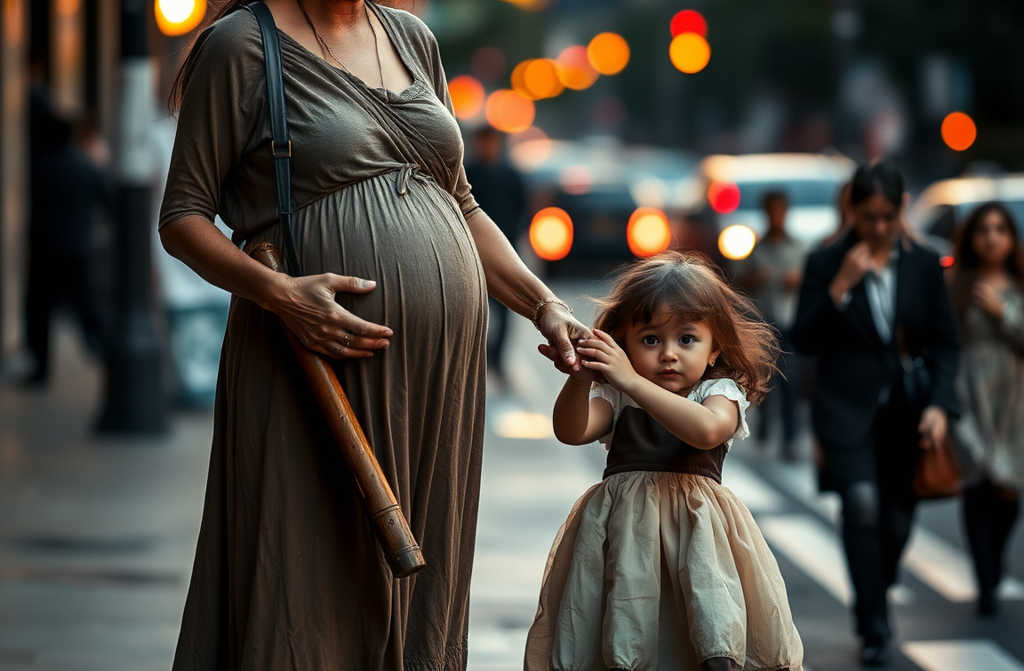
In a mistladen dream that felt like a London night turned inside out, a young woman called Eleanor stood each dawn on the same cobbled corner beside the Thames walk, her battered tin whistle catching the first light as if it were a shy firefly. Her coat was threadbare, her belly round with the secret of new life, yet her eyes shone with a stubborn, quiet joy.
Passersby hurried pastsome glancing, some murmuringbut Eleanor only smiled, lifted the whistle, and let a soft melody drift over the citys clamor. For a few heartbeats she was not a homeless stranger; she was simply Eleanor, a songweaver whose tune seemed to make the traffic pause, a schoolboy glance away, a traffic warden give a fleeting grin.
The music was her lifeline. Every clink of a copper penny into her battered mug bought a crust of bread or a steaming bowl of mushy peas from a nearby stall. That was enough for her and the unborn child. As the afternoon sun slipped low, Eleanor lowered the whistle, rested a hand on her swelling belly and whispered, You sang well today, love. Perhaps tomorrow well play by the park. A soft laugh escaped her, mingling with the wind.
Just as she tucked her thingsa battered tin cup, the whistle in its cracked case, a rag used as a makeshift mata shrill screech of tyres split the air. A sleek black saloon hurtled to the curb, its door flinging open. Two men thrust a trembling little girl, no older than six, onto the road. The child tumbled and wailed as the car doors slammed shut and the vehicle sped away, vanishing into the rush of buses and horns as if nothing had happened. A gasp rose from the crowd, but no one moved.
Eleanor dropped everything and sprinted. Her worn slippers slapped the pavement as a doubledecker bus honked angrily, missing the child by inches. She reached the girl just in time, scooping her into her arms, cradling her trembling form. Its alright, darling. Youre safe now, Eleanor whispered, feeling the childs tiny heart thudding against her own. Ill get you something to eat.
They shuffled to a roadside stall where Eleanor handed over the few pounds she had earned that day for a bowl of rice and beans. The girl devoured it hungrily, eyes bright with relief. Slowly, love, Eleanor said, a smile tugging at her lips. When the bowl was empty, Eleanor knelt and asked softly, Whats your name? The child stared at her hands, then whispered, Harriet. Eleanors heart swelled. Harriet, thats a lovely name.
Do you know where you live? Eleanor asked. Harriet shook her head, tears glistening. I only want my Daddy. Eleanor felt a pang; she knew the child didnt belong on the streets. Lets find your father, she said, taking Harriets hand. The small grip was fragile, but it sparked something long dormant in Eleanora mothers instinct, a reminder that even a world that had cast her aside could still hold kindness.
Together they walked to the nearest police box. People stared as a pregnant woman in a tattered coat held a little girl in a fine dress. Eleanor pressed Harriets hand tighter. At the station she explained the sudden crash, the mens cruelty, and how she had pulled Harriet from the road. A young officer, his badge catching the light, asked, Whats your full name, miss? Harriet breathed, Harriet Whitmore. The officers eyes widened. Whitmore? Wait here, he said, typing rapidly.
Moments later he whispered to a colleague, his voice urgent. Screens flickered, and a name appeared: Harriet Whitmore, missing for two days, a report filed by a wealthy businessmanMr. Whitmore. The officer returned, eyes wide. Your girls been reported missing. Her father, Mr. Whitmore, is a wellknown tycoon. You may have just saved her life.
Within minutes a sleek black limousine arrived, and a tall man in a charcoal suit stepped out. His gaze swept the room until it landed on Harriet, who burst into his arms, crying, Daddy! He held her close, tears streaming, whispering, I thought Id lost you forever. He turned to Eleanor, gratitude bright in his eyes. You found her? He asked. Eleanor nodded, cheeks flushing. I was just where the road took me.
He reached into his pocket and produced a crisp cheque, but Eleanor shook her head. I didnt do this for money, she said. I just wanted her safe. He smiled, then said, At least let me thank you properly. Whats your name? Eleanor replied, Eleanor. He bowed lightly. Eleanor, you have given me back my world tonight. He lifted Harriet again, and the little girl waved, Bye, Eleanor! Thank you! Eleanor waved back, tears glistening.
When they left, Eleanor returned to her corner, the city now hushed, the streetlamp casting a gentle glow. She sat, her hand on her belly, and whispered a prayer of thanks. The dreamlike night seemed to hold its breath, and for the first time in years, Eleanor felt a lightness in her chest.
Morning arrived with the scent of toasted crumpets and the chorus of bus engines. Vendors rolled their carts across the pavement, a hawker balancing a tray of oranges like a crown. Eleanor awoke on her cardboard mat beneath the familiar streetlamp, folded her thin blanket, and eased her swollen back. She tied her scarf, lifted her whistle case, and walked to the same spot by the Thames.
She set her tin cup on the curb, kissed her fingertips, and whispered to the baby, Lets play something bright today. The first notes rose, thin and pure, rising above the honking horns like a single beam of light. A schoolboy paused, a woman in a green coat murmured, God bless you, and pressed a warm scone into Eleanors palm. By noon the sun blazed, and Eleanor rested, sipping water, thinking of Harriets frightened face and the kindness she had felt at the police box.
A sleek black saloon rolled to the curb once more, and this time the driver opened the door, stepping out with a polite nod. Eleanor? a small voice squeaked. Harriet burst from the car, arms wide, hair flying. Daddy said I could see you today, she cried, hugging Eleanor. Mr. Whitmore, now in a plain white shirt, waved, his smile softer than the suit hed worn earlier. Good afternoon, he said gently, I hope Im not intruding. A woman in an elegant dress, her hair coiffed, stepped forwardVictoria Whitmore, Harriets stepmother. Thank you for looking after Harriet, she said, her tone courteous but distant.
Eleanor held Harriets hand tighter. Will you come with us? Victoria asked, her eyes flickering. Eleanor hesitated, then nodded. She felt a strange mixture of hope and dread, as if the dream were pulling her deeper into a story she had never asked to join. Together they drove to the Whitmore estate, a grand house with creamcoloured walls, tall windows, and a fountain that sang softly in the courtyard.
Inside, the house smelled faintly of lavender and polished wood. Victoria led Eleanor to a modest bedroom, handing her a brass key. This is yours, she said. Eleanor entered a small, sunlit room with a blue quilt, a tidy desk, and a window that opened onto a garden of roses. She placed her hand on her belly and whispered, Our own door. Victoria smiled, If you need anything, ask the housekeeper or the doctor. Well arrange prenatal checkups.
Days passed in a blur of gentle routine. Eleanor helped Harriet with homework, read bedtime stories, and played her whistle while the baby kicked softly inside her. The house hummed with ordinary life, yet the undercurrent of tension never fully faded. Victorias smile grew thin, her eyes sometimes hardening when she watched Eleanor and Harriet together. One evening, while Eleanor folded Harriets clothes, Victoria entered, her voice sharp. This room isnt clean enough, she snapped. Eleanor, surprised, replied, I just finished. Victoria poured tea over the floor, Now you can start again. Eleanor bowed her head, wiped tears, and began cleaning, feeling the babys tiny nudge as a reminder to stay steady.
Harriet, ever bright, noticed the strain. Mum, why are you doing it again? she asked. Victoria hissed, Just get on with it, love. Harriets eyes widened, then softened, Okay, Mum. The tension simmered, but Eleanor kept her focus on the child shed saved and the child she now carried.
One night, as the moon hung low, Eleanor heard a soft crack like glass shattering downstairs. She froze, heart pounding, and peered through the curtains. Shadows moved in the garden; a figure slipped through the back gate. Instinct surged. She slipped out the window, barefoot, and fled across the cold grass, dialing the police with shaking fingers. Please, help, she whispered. There are men in the house, a child is in danger.
The police arrived as the thieves fled, their car careening down the high street. Sirens wailed, lights flickered, and the chase ended with a tire burst, the vehicle skidding to a halt. Officers subdued the men, ripped open the back door, and found Harriet unharmed but shaking. Its alright, love, an officer soothed, wrapping a blanket around her. They drove her back to the mansion.
When the police car pulled into the driveway, Eleanor sprinted forward, clutching Harriet as she emerged, tears streaming. Mr. Whitmore fell to his knees, clutching his daughters face, whispering, I thought Id lost you forever. The officer explained the chase, the thieves motives, and the evidence that pointed to Victoria Whitmores involvement.
Days later, an inspector visited the estate. He sat with Victoria, laid out bank records, phone logs, and the transfers that linked her to the kidnappers. Victorias composure cracked; she stood, eyes wild, and confessed, I was jealous. You and that woman stole my place in this house. Mr. Whitmore stared, stunned, as the inspector placed handcuffs on her. The house fell silent, the weight of betrayal lifting like a heavy curtain.
In the courtroom, Victoria, dressed plainly, faced the judge. She muttered, I was angry, as the judge nodded. The sentence was pronouncedten years. No cheers, just a lingering hush. Outside, reporters swarmed, headlines flashing: Stepmothers Kidnap Plot Uncovered, Homeless Woman Saves Billionaires Daughter, Eleanor, the Quiet Hero. Harriet clutched a teddy bear, eyes bright. Did you see the men? the judge asked gently. Yes, Harriet whispered, Eleanor saved me.
The Whitmore family returned home, the house feeling lighter, the fountains song now a gentle lullaby. Victorias absence left a strange emptiness, but Eleanors presence filled it with warmth. One evening, as the family gathered around a hearth, Harriet drew a picture: a big house, a fountain, a small girl holding two handsone labelled Daddy, the other Eleanor. Laughter rang through the rooms.
The next day, Eleanors water broke. Harriet yelled, Mum, the babys coming! Mrs. Tamsin, the housekeeper, raced to fetch a hospital bag. Mr. Whitmore lifted Eleanor gently into the car, his hands trembling with a mix of fear and love. They sped to the city hospital, the streets a blur of lights and sirens. Nurses welcomed them, guiding Eleanor to a quiet ward where the monitors soft beeps matched her heartbeat.
She thought of the cobbled corner, the whistle, the night she rescued Harriet, and a wave of gratitude washed over her. As contractions surged, she whispered, Im not scared now. The doctor encouraged her, and with a final push a tiny cry split the air. A boy, pink and perfect, was placed on Eleanors chest. Its a boy, the nurse announced, smiling. Eleanors tears turned to laughter.
Harriet, eyes wide, whispered, Hes my little brother. Mr. Whitmore, tears glistening, said, Welcome, my son. He turned to Eleanor, gratitude shining, Youve given us back our family. The babys tiny fingers curled around Eleanors, a promise of hope.
Weeks later, the boynamed Oliver, meaning peacelay sleeping in a soft cradle by a window that framed the gardens fountain. Eleanor sat nearby, her whistle resting on the sill, playing a gentle tune that floated like a sigh through the house. Mr. Whitmore stood in the doorway, watching, a smile soft on his lips. Thank you, he said quietly. For rescuing my daughter, for believing the truth, for bringing new life into this home.
Harriet slipped a hand into Eleanors, Can I stay until he sleeps? Eleanor chuckled, Of course, love. No snoring, I promise. The house, once echoing with fear, now thrummed with laughter, the soft notes of a whistle, and the quiet beat of a new heart. Outside, the fountain whispered its timeless song, and the night wrapped the estate in a gentle, dreamlike peace.



A Sure Sign I’d Spent Too Long Sitting Down! The Hosts Started Tidying Up in the Middle of the Party
When people are friendslike an old married couple, mind yousooner or later a squabble breaks out. The more people, the...


My Stepfather Brought His Daughter and Granddaughter to Stay with My Mum and Me
Mum remarried eleven years ago. My stepfather, Philip, had a daughter, Charlotte, from his first marriageshe was fourteen at the...


We’ve Decided Not to Send Our Daughter to Stay with Her Grandmother Anymore
Our niece, Olivia, was just thirteen when we sent her off to her grandmothers cottage in the countryside for a...


For about a year, my son had been living with Kate, but I had never met her parents. This struck me as odd, so I decided to investigate.
I have always raised my son to hold the highest respect for women his grandmother, mother, wife, and daughter. To...


My Aunt Refused to Lend Me Money for My Business, but I Still Got What I Wanted
When I was just an average worker, slogging away like everyone else for a measly wage, every single one of...


For My Mum, Looking After Her Granddaughter Feels Like an “Impossible” Task
All my friends have mothers who can effortlessly look after their little ones. For my mother, however, the prospect of...


Once again, I visited my stepsister Melissa to drop off groceries and supplies, only to be stunned by the sight of a luxury car parked in the driveway. In that moment, everything became clear to me.
Charlotte and I seldom speak, even though we both live in the same town. Through shared acquaintances, Id heard whispers...


My Son Doesn’t Care That If I Give Him My Flat, I’ll Have Nothing Left to Live On
They say we’re responsible for everything that happens in our lives, that whatever choices we make will shape the way...