
Connect with us

З життя

At Sixty-Nine, I Realized the Most Terrifying Lie Is When Children Say ‘I Love You’—But All They Really Love Is Your Pension and Flat

Published

on

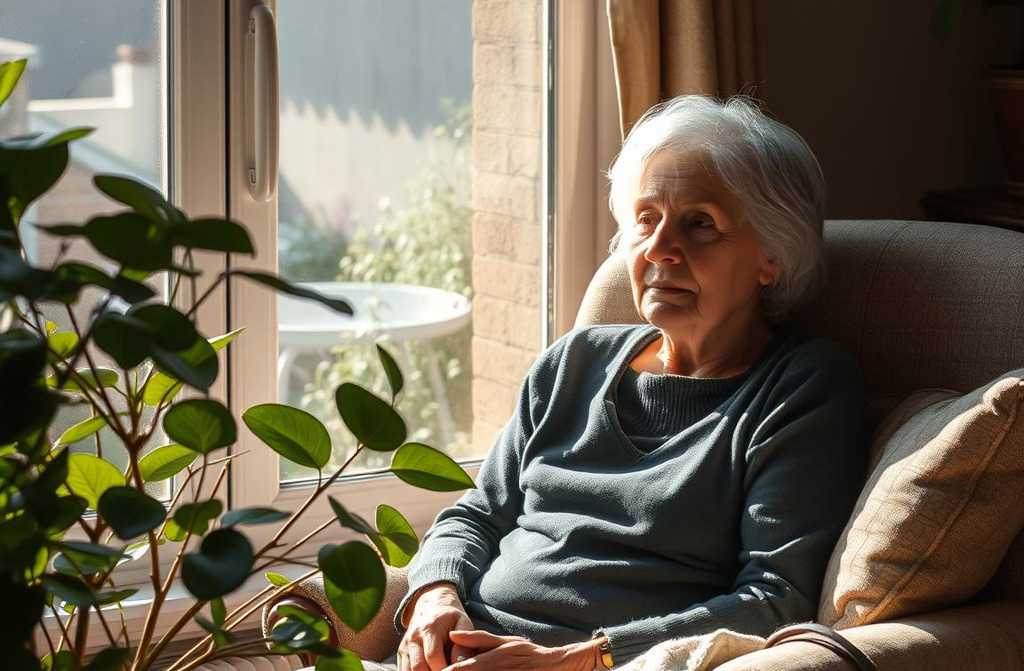
At sixty-nine, I realised the most frightening lie is when children say we love you, when in truth, they only love your pension and your flat.

Mum, weve been thinking, my son William began cautiously, barely stepping over the threshold. His wife, Emily, stood behind him, nodding eagerly, as if every word he spoke was pure wisdom.

She brought with her the scent of expensive perfumeand a sickening hint of worry.

This wont end well, I muttered, closing the door behind them. When the two of you start thinking, it always ends badly.

William pretended not to hear. He walked into the living room, eyeing each piece of furniture as if assessing its worth. Emily fussed with a sofa cushionthe one she had just moved deliberatelybefore smoothing it back into place.

Were worried about you, she said with false concern. Youre alone. And at your age anything could happen.

I sank into my favourite armchair, fingers tracing the familiar worn fabric. I knew this chair better than I knew my own children.

Like what? I asked. High blood pressure from all this worry of yours?

Oh, Mum, dont start, William sighed. Its a brilliant idea. We sell your flat and our tiny place, take out a small loan, and buy a big house in the countryside! With a garden! Youll be with the grandchildren, breathing fresh air.

He said it as if he were handing me a ticket to heaven. Emilys eyes glistened with practised sincerity. She was a good actress.

I studied themtheir expressions, their rehearsed gestures. In their eyes, I saw the same greed as estate agents scenting the deal of a lifetime. No warmth. No honesty.

And then I understood. The cruelest lie is when your children say we love you, but what they really love is your pension and your flat.

I didnt feel sadness. It was as if everything had simply fallen into place.

A house, you say, I murmured. And whose name would it be in?

Ours, of course, Emily blurted before biting her tongue. William shot her a sharp look.

To spare you the hassle, Mum, he added quickly. Well handle everything. All the paperwork.

I nodded slowly, rose from my chair, and walked to the window. Outside, people hurried past, wrapped up in their own troubles. And there I stoodfaced with a choice: surrender or fight.

You know what, kids, I said without turning. Its an interesting idea. Ill think about it.

A relieved sigh rose behind me. They thought theyd won.

Of course, Mum, take your time, Emily said softly.

Only, Ill do my thinking here. In my flat, I replied, turning to face them. You should go now. Im sure youve got plenty to do. Loans to calculate. House plans to study.

I met their eyes, and their smiles faltered. They understoodthis wasnt over. It was just the beginning.

From that day, the campaign started. Daily phone calls, carefully orchestrated.

In the morning, it was Williamdry, methodical:

Mum, Ive found the perfect plot! Surrounded by pines, a river nearby! Imagine the grandchildren breathing fresh air!

In the afternoon, Emilys honeyed voice:

Well give you your own room, Mum! With a view of the garden. Your own bathroom! Well bring your armchair and your ficus. Just how you like it!

They pressed every weak spotthe grandchildren, my loneliness, my health. Each call was a performance where I played the frail old woman in need of rescue.

I listened, nodded, and told them I was still considering it. Meanwhile, I acted.

My friend Margaret had worked in a solicitors office. One phone call, and there I was in her sitting room, reviewing every possible scenario.

Eleanor, never sign a deed of gift, she warned. Theyll kick you out without a second thought. A life interest, perhaps. But they wont want that. They want it all. Now.

Her words steeled my resolve. I wasnt a victim. I was a survivor. And I wouldnt surrender.

The grand finale came on a Saturday. The doorbell rang. William and Emily stood therewith a man in a suit, clutching a folder.

Mum, this is James, the estate agent, William said lightly as they stepped inside. Hes just here to value our property.

The man entered, scanning my flat like a vulture. Walls, ceiling, floorboards. He didnt see a home. He saw square metres. A marketable asset.

Something in me snapped.

Value what? I asked sharply.

The flat, Mum. To see what were working with, William said, already opening my bedroom door. Go on, James.

The agent took a step, but I blocked his path.

Out, I said softly. So softly they all froze.

Mum, what are you doing? William stammered.

I said out. Both of you. My gaze shifted to Emily, pressed against the wall. And tell your husband that if he ever brings a stranger into my home without my permission again, Ill call the police. And file a report for attempted fraud.

The agent, sensing the shift, was the first to retreat.

Ill Ill call you, he mumbled before fleeing.

William glared at me, the mask of the loving son gone.

Youve lost your mind, you mad old

Not yet, I cut in. But youre working hard on it. Now leave. I need rest. From your love.

A week of silence followed. No calls. No visits. I knew it wasnt over. They were regrouping.

The next Friday, Emily called, her voice dripping with remorse.

Eleanor, forgive us, we were stupid. Lets have coffee. Like before. Promise, not a word about the flat. Just family.

I knew it was a trap. But I went.

They waited at a corner table. A dessert sat untouched between them. William looked weary; Emily held his hand.

Mum, forgive me, he whispered. I was wrong. Lets forget all this.

But behind his lowered eyes, I saw only impatience.

Ive been thinking too, I said calmly, unfolding a paper. And Ive made a decision.

It wasnt a will. It was a letter.

Ill read it to you, I said. I, of sound mind and memory, declare that my children, William and his wife Emily, have attempted through words and actions to pressure me into selling my only home. Due to loss of trust and concerns for my future, I have decided

I paused. Williams eyes lifted, cold and sharp.

to sell the flat.

Emily gasped. William jerked upright.

What?

Yes, I said. Ive already found buyers. A lovely young couple. Theyre happy to wait while I move into a little cottage in the countryside. Just for me.

Shock. Disbelief. Ragetheir faces cycled through them all.

And the money? Emily demanded.

Dont worry, I smiled. Some in the bank, with good interest. The rest? Ill spend it. Maybe travel, take a cruise. After all, you just want me to be happy, dont you?

Williams jaw clenched.

You you wouldnt, he breathed.

Why not? I stood, leaving the letter on the table. Its my flat. My life. Good luck with your loan, kids. Without me.

I walked away without looking back.

I didnt feel triumph. Just emptiness. Where a mothers love had once been, there was only scorched earth.

But I did it. I sold. My bluff became the best decision of my life.

I bought a bright little studio in a quiet, leafy neighbourhood. Ground floor, shared garden. I brought my armchair, my ficus, my favourite books.

At first, the silence after cutting ties with my son was a wound. I didnt take a cruise. Instead, I fulfilled an old dreamI signed up for watercolour classes.

Three times a week, I painted. My early attempts were dreadful, but the soft colours on paper brought me quiet peace.

The money sat in the bank. Not a burden, but a foundation for serenity. For the first time in years, I wasnt afraid of the future.

Six months passed. One evening, as I watered flowers in the garden, I spotted a familiar figure by the gate.

William. Alone. Without Emily. He looked tired, older.

Hello, Mum, he said.

Hello, I replied, setting down the watering can.

We sat on the little bench by the door. He stayed silent for a long time, eyes fixed on his hands.

Emily and I we split up. After everything, it

Click to comment

Leave a Reply

Ваша e-mail адреса не оприлюднюватиметься. Обов’язкові поля позначені *

два × 4 =

Також цікаво:

З життя59 секунд ago

THE MOTHER-IN-LAW Anna Petrovna sat in the kitchen, watching the milk quietly simmer on the stove. Three times she’d forgotten to stir it, and each time she remembered too late: the froth would rise and spill over, and she’d wipe the stovetop in irritation. In those moments, she realized: it wasn’t about the milk. Ever since her second grandchild was born, it was as if everything in the family had gone off the rails. Her daughter grew weary, lost weight, and spoke less. Her son-in-law came home late, ate in silence, and sometimes retreated straight to the bedroom. Anna Petrovna noticed all this and thought: how could anyone leave a woman alone like this? She spoke up—first gently, then with more edge. At first to her daughter, then to her son-in-law. But she began to notice a strange thing: after her words, things in the house didn’t get lighter—they got heavier. Her daughter defended her husband, her son-in-law grew more withdrawn, and she herself went home with the feeling she’d once again done the wrong thing. That day, she went to the vicar not for advice, but because she simply had nowhere else to go with these feelings. ‘I suppose I’m just a bad person,’ she said, not looking at him. ‘I do everything wrong.’ The vicar was sitting at his desk, writing. He put down his pen. ‘Why do you think that?’ Anna Petrovna shrugged. ‘I wanted to help. But it seems all I do is make everyone angry.’ He looked at her kindly, without judgment. ‘You’re not a bad person. You’re tired. And very anxious.’ She sighed. That felt like the truth. ‘I’m scared for my daughter,’ she said. ‘She’s so different after giving birth. And him…’ she waved a hand. ‘It’s like he doesn’t even notice.’ ‘And do you notice what he does?’ asked the vicar. Anna Petrovna thought. She remembered last week, when he quietly washed the dishes late at night, thinking no one noticed. Or on Sunday, when he took the pram out for a walk, even though it was clear he just wanted to lie down and sleep. ‘He does things… I think,’ she said uncertainly. ‘But not the way he should.’ ‘And what is “the way he should”?’ asked the vicar calmly. Anna Petrovna wanted to answer right away, but suddenly realized she didn’t know. In her head: more, more often, more attentively. But specifically what, she couldn’t say. ‘I just want it to be easier for her,’ she said. ‘Then say that,’ the vicar responded gently. ‘But say it to yourself, not to him.’ She looked up at him. ‘What do you mean?’ ‘I mean that right now, you aren’t fighting for your daughter—you’re fighting with her husband. And fighting means tension. Everyone gets tired of that. You. Them.’ Anna Petrovna was silent for a long time. Then she asked: ‘So what should I do? Pretend everything’s fine?’ ‘No,’ he said. ‘Just do what helps. Not words, but actions. And not against anyone, but for someone.’ On the way home, she thought about this. Remembered how, when her daughter was little, she didn’t lecture her but just sat beside her when she cried. Why was it different now? The next day she showed up without warning. Brought soup. Her daughter was surprised, her son-in-law awkward. ‘I won’t stay long,’ Anna Petrovna said. ‘Just came to help.’ She watched the children while her daughter slept. Left quietly, without saying a word about how hard things must be or how they ought to live. A week later, she came again. And a week after that. She still saw her son-in-law wasn’t perfect. But she began to notice other things too: how carefully he lifted the youngest, how he tucked a blanket around her daughter at night, thinking no one saw. One day, she couldn’t help herself and asked him in the kitchen: ‘Is it hard for you right now?’ He looked surprised, as if no one had ever asked him that. ‘It’s hard,’ he said after a pause. ‘Really hard.’ And that was it. But after that, something sharp disappeared from the air between them. Anna Petrovna realized: she’d been waiting for him to change. But what needed to change was herself. She stopped discussing him with her daughter. When her daughter complained, she didn’t say, ‘I told you so.’ Just listened. Sometimes she took the children so her daughter could rest. Sometimes she called her son-in-law to ask how he was. It wasn’t easy. It was much easier to get angry. But slowly, the house grew quieter. Not better, not perfect—just quieter. Without the constant strain. One day her daughter said: ‘Mum, thank you for being with us now, not against us.’ Anna Petrovna thought about those words for a long time. She realized something simple: peace isn’t when someone admits they’re wrong. It’s when someone is the first to stop fighting. She still wished her son-in-law was more attentive. That wish didn’t go away. But living alongside it was something more important: wanting peace in the family. And every time the old feelings came up—indignation, bitterness, the urge to say something sharp—she asked herself: Do I want to be right, or do I want life to be easier for them? The answer almost always told her what to do next.

MOTHER-IN-LAW Margaret Brown sat in her kitchen, watching as the milk quietly simmered on the hob. She’d forgotten to stir...

З життя4 хвилини ago

Foolish Anna: For 15 Years Everyone Called Her Simple – Her Husband Cheated Openly Since Their Wedding Day, While She Endured With a Smile. Little Did He Know, the Quiet Toy Factory Accountant Had a Master Plan That Would Turn His World Upside Down on Their Son’s Tenth Birthday

Everyone always said Emma was a simpleton. Shed been married to Tom for fifteen years and they had two kidsEmily...

З життя1 годину ago

The Recipe for Happiness… Everyone in the block watched as new tenants moved into the second-floor flat—a family headed by the manager of the local factory workshop, an important business in a quiet English market town. “Why do you think they chose to live in these old red-brick flats?” wondered retired Mrs. Nina Andrews aloud to her friends. “With his connections, surely they could have landed a place in a new development.” “Don’t judge by your own standards, Mum,” chimed in her thirty-year-old unmarried daughter Anna, sporting bright makeup. “Why would they want something new when these Victorian terraces have high ceilings, grand halls, spacious rooms, and a massive balcony—like in a country house. Besides, they got a phone line the very first week—not everyone in our block even has a phone; just three out of the nine flats!” “You’re always gabbing on the phone!” scolded her mother. “You’re a nuisance to the neighbours. And mind you don’t start pestering the new lot—they’re proper and busy people.” “Oh, they’re not so serious! They’re young, and they have a little girl—nine years old, Natasha,” Anna replied, giving her mum a wounded look. “They’re practically my age, just five years older at most.” The new neighbours turned out to be polite and cheerful—Lydia worked as the school librarian, Ivan had been at the factory for ten years. Anna became the neighbourhood news source, chatting with the ladies in the courtyard each evening as her mum listened in. “How do you already know all this, Anna?” they would tease. “Oh, I pop in to use their phone! Unlike some people, they actually let me,” Anna retorted, referencing the times neighbours refused to open their door, suspecting she’d yak away for ages to her girlfriends. So Anna befriended the newcomers and made herself at home, often calling friends and colleagues for long chats, showing up in new outfits or cosy dressing gowns, clearly hoping to grow close to the family. One day, she noticed Ivan pointedly closing the lounge door when she entered to use the phone. The same thing happened again and again. Anna would flash a smile at Lydia and peek into the kitchen to thank her after her calls, but Lydia would just nod and politely ask her to shut the door on her way out. “I can’t—my hands are covered in flour,” Lydia would explain. “Our lock snaps shut on its own—it’s French.” “Oh, what are you baking now? More pastries? You always have something fresh coming out of the oven… I never learnt to bake,” Anna gushed. “Just making some sweet cheese buns for breakfast, but I won’t have time in the morning—that’s why I’m baking now,” Lydia smiled, turning back to her dough. Anna grimaced and left, annoyed her friendship wasn’t warming up. Later that evening, Ivan said, “Listen, Lyds, I know it’s awkward to refuse her, but our phone is permanently tied up every evening and my mates can’t get through. It’s not fair.” “Yes, she’s gotten a bit too comfortable, coming in as if she lives here and gossiping away,” Lydia agreed. That same night, Anna showed up again—dressed to the nines, made up, and perched on the hallway chair chatting away. After ten minutes, Lydia asked, “Anna, will you be long? We’re expecting a call.” Anna nodded and hung up but pulled a chocolate bar from her pocket and grinned, “I brought treats! Come on, let’s have tea—my treat for getting to know you.” She laid the chocolate on the kitchen table, but Lydia hesitated. “No, please—take it away. Natasha has allergies; she can’t have sweets. In our house, chocolate is a strict no-go.” “What? But I was just being kind,” Anna blushed, stung. “No need for grateful gifts, and do us a favour: don’t come by so often—unless it’s for a real emergency, the doctor or fire brigade. That’s different. Even in the middle of the night, we’d understand. But just for chatting… best not,” Lydia managed politely. Anna took her chocolate and left without a word, feeling slighted, and convinced herself Lydia must be jealous of her youth or charm. “She knows I’m younger, prettier—that’s why she snubbed me,” Anna griped to her mum. “I only wanted to be friendly, but she wouldn’t even pour me a cup of tea—and I brought my own chocolate.” “Silly girl,” Mrs. Andrews sighed. “You shouldn’t force your way into someone else’s home. If they don’t want your calls, that’s their right. They’re a decent family, not a public drop-in centre, and you were firmly shown the door. Don’t make it about jealousy—find yourself a husband and get your own phone, then let your neighbours come calling on you!” Anna’s last attempt at getting close was to pop round with a notebook to ask Lydia for her cheese bun recipe. “Could you give me your sweet cheese bun recipe? I really should learn…” “Better ask your mum,” Lydia replied, surprised. “Our mums know lots—I always just mix by eye, I don’t use strict measures. My hands know what to do. Sorry, I’d really better dash.” Anna blushed again and trudged home. She knew her mum’s battered old recipe book was in the kitchen, full of handwritten gems—salads, pies, even fish terrine. Half the book was devoted to cakes and baking. But Anna didn’t fancy baking, and her mum had long since given it up due to her blood pressure. Still, Anna retrieved the notebook, leafed through indifferently, then found the recipe she needed, surprising her mother. “Are you actually planning on baking?” Mrs. Andrews gasped. “Why does that surprise you?” Anna snapped the book shut. “Has something happened with Slava? I thought you’d parted, just like all your other beaus.” “Why would you think that? He’ll come running back whenever I want,” Anna grumbled. “Well, then why not want it?” her mother chuckled. “And what recipe are you after? I’ll help if you like.” “I can manage,” Anna replied quickly. A few days later, when her mum got back from her evening walk, the smell of baking greeted her. “Good Lord, what’s that? Pies baking? You must really be in love,” her mother exclaimed. “Don’t shout so the whole block hears! Come in and have a taste. They’re cheese buns, traditional ones.” The kettle steamed, the table was set, and a plate of golden cheese buns awaited. “You’ve still got it,” her mum said. “We haven’t baked together in ages and I thought you’d forgotten—but you did it. Well done.” “Don’t just say that—tell me honestly. Are they all right?” “You’ve got a tongue, haven’t you? Try one!” her mum laughed. Anna flashed back to her Dad—those were his words: “It’s edible.” The highest praise. “Right then, I’ll invite Slava round for tea soon—serve him these. Think he’ll like them?” “He’ll love them! I won your Dad by baking these—he was besotted with both the buns and me,” her mum grinned. “Keep baking and invite him. I’ll go watch telly at the neighbour’s—good to see you finally have your priorities straight. You won’t win hearts just by dressing up and curling your hair.” Soon, Slava became a regular visitor. The rows faded, Anna spent more time in the kitchen, with Slava helping and their laughter echoing through the flat. When Anna told her mum they’d registered for marriage, Mrs. Andrews nearly wept with joy. Anna blossomed, slimming down before the wedding. Slava teased, “You’ve stopped baking! Will you make a cake for our wedding at least?” For the home wedding, Anna, her mother, and aunt spent two days preparing festive dishes, though there’d only be about twenty guests—all family. The newlyweds moved into their own big room in the three-bedroom flat. That year, telephones were finally installed for all households. Anna, now content, called everyone at first, but always kept her chats short: “Sorry, Rita, got to dash—my dough’s rising and Slava’s heading home. Bye!” She hurried to the kitchen, where the dough was lifting under its own yeasty cloud. Anna was expecting, her maternity leave just a month away, but the young wife never rested—she cooked, she baked, keeping her husband happy. She adored cheese buns, especially homemade, and so did he—after all, what could be sweeter than a home filled with warmth, laughter, and the smell of baking?

The Recipe for Happiness… The entire block watched as the new tenants moved into the second-floor flat, arms loaded with...

З життя1 годину ago

“My Grandchildren Only Get Fruit Once a Month, While I Buy Gourmet Food for My Cats”—My Daughter-in-Law Fumes and Accuses Me of Heartlessness… My daughter-in-law tried to shame me because her children only get fruit once a month, while I treat my cats to quality food. What she overlooks is that children have a mum and dad to care for their nutrition, but my cats only have me. When I once suggested that my son and his wife slow down on having children, they told me to mind my own business. So I did. Now I feed my cats and listen to my ever-indignant, child-devoted daughter-in-law.

My grandchildren only see fruit once a month, yet she buys those cats of hers the most expensive food! my...

З життя2 години ago

I Pushed My Son to Divorce His Wife—Now I Regret It More Than Ever…

Managed to get my son divorcedthen rather wished I hadnt My daughter-in-law dropped my granddaughter off for the weekend again,...

З життя2 години ago

Vitaly Settles Down at His Desk with a Laptop and a Cup of Coffee to Finish Some Work—Suddenly, an Unknown Number Calls: “Are You Vitaly Dmitrievich? This Is the Maternity Hospital. Do You Know Anna Izotova?”—A Shocking Death, a Daughter He Never Knew About, and a Life-Changing Decision at the Savelovsky Maternity Ward

Friday, 18th May I settled into my study laptop at the ready, a mug of Yorkshire tea by my side...

З життя3 години ago

“How Can You Refuse to Look After My Son’s Child?”: An English Mother-in-Law’s Outburst – Family Tensions Flare as Rita Stands Her Ground on Parenting, Work–Life Balance, and Respect in a Modern Blended Family

How can you say you wont take care of my sons child? My future mother-in-law had blurted out, unable to...

З життя3 години ago

I Shouted From the Window: “Mum, Why Are You Up So Early? You’ll Catch Cold!” — She Turned, Waved Her Shovel in Greeting: “I’m Doing This For You Lot, You Lazybones.” — And The Next Day My Mum Was Gone… Even Now, I Can’t Walk Past Our Old Garden Without Heartache… Every Time I See That Path, My Heart Clenches As If Someone’s Gripping It. It Was On The Second Of January I Took That Photo… I Was Just Passing By, Noticed The Footprints In The Snow — And Stopped. Snapped A Picture, Not Really Knowing Why. Now, That Photo Is All I’ve Got Left From Those Days… We Celebrated New Year’s As Always, All Together As A Family. Mum Was Up Early On The 31st, As Usual. The Smell Of Frying Burgers And Her Voice In The Kitchen Woke Me Up: “Love, Get Up! Help Me Finish The Salads, Or Your Dad Will Scoff Half The Ingredients Again!” I Came Down In My Pyjamas, Hair All Over The Place. She Was By The Cooker In Her Favourite Apron With Peaches — The One I Gave Her In School. Her Cheeks Were Rosy From The Oven And She Was Smiling. “Mum, Let Me At Least Have Coffee First,” I Moaned. “Coffee Later! First, The Salad!” She Laughed, Tossing Me A Bowl Of Roast Veg. “Chop It Fine Like I Like — Not Fist-Sized Chunks Like Last Time.” We Chopped And Chatted About Everything Under The Sun. She Told Me About New Year’s In Her Childhood — No Fancy Salads, Only A Herring Under Its Coat And The Tangerines Her Dad Brought Home Especially. Soon Dad Brought In The Christmas Tree — Huge, Nearly To The Ceiling. “Ladies, Come Admire The Tree!” He Announced Proudly. “Dad, Did You Chop Down The Whole Forest?” I Gasped. Mum Walked In, Threw Her Hands Up: “It’s Lovely, But Where Will We Put It? Last Time Was Smaller.” Still, She Helped Us Decorate. My Sister Lera And I Hung Up The Lights, Mum Dug Out The Old Decorations From My Childhood. I Remember Her Picking Out The Little Glass Angel. She Whispered, “I Bought This For Your First New Year, Remember?” “I Do, Mum,” I Lied. I Didn’t, Not Really, But I Nodded. She Glowed Because I Remembered That Angel… My Brother Arrived Later, As Usual — Laden With Bags, Gifts, And Bottles. “Mum, Got Proper Champagne This Year! Not That Sour Stuff From Last Time.” “Oh, Love, Just Don’t Let Everyone Get Plastered,” Mum Laughed, Hugging Him. At Midnight, We All Went Outside. Dad And My Brother Set Off Fireworks, Lera Squealed With Joy — And Mum Stood Beside Me, Arm Around My Shoulders. “Look, Love, Isn’t It Beautiful?” She Whispered. “What A Wonderful Life We Have…” I Hugged Her Back. “The Best One, Mum.” We Drank Champagne Round The Bottle, Laughed When A Firework Whizzed Towards The Neighbour’s Shed. Mum, A Little Tipsy, Danced In Her Woolly Boots To “Rockin’ Around The Christmas Tree,” And Dad Swept Her Off Her Feet. We Laughed Ourselves To Tears. On The First Of January, We Lounged All Day. Mum Cooked Again — This Time Dumplings And Jellied Meat. “Mum, Stop Already! We’re Going To Burst!” I Moaned. “Nonsense, You’ll Finish It — New Year Celebrations Last A Week,” She Brushed Me Off. On The Second, She Was Up Early Again. I Heard The Door, Peeked Out — There She Was In The Garden With Her Shovel. Clearing The Path. Old Puffy Jacket, Scarf Tied, Working Carefully: From The Gate Right Up To The Steps — Narrow, Straight. Piling Snow Beside The Wall Like She Always Did. I Called Out The Window: “Mum, Why So Early? You’ll Freeze Out There!” She Turned Back, Waved Her Shovel: “Otherwise You Lazy Lot Will Walk Through Snowdrifts All Spring! Go On, Put The Kettle On.” I Smiled, Went To The Kitchen. She Came In Half An Hour Later, Cheeks Rosy, Eyes Bright. “All Done, Nice And Tidy,” She Said, Sitting With Her Coffee. “Came Out Well, Didn’t It?” “Yes, Mum. Thank You.” That Was The Last Time I Heard Her Sound So Full Of Life. On January Third, She Woke And Whispered, “Girls, My Chest Feels Odd. Not Bad, Just Uncomfortable.” I Got Worried At Once. “Mum, Shall We Call An Ambulance?” “Oh, Don’t Fret, Love. I’m Just Worn Out. Cooked And Dashed About So Much. I’ll Rest, It’ll Pass.” She Lay Down, Lera And I At Her Side. Dad Went To The Chemist For Some Pills. She Even Joked, “Don’t Look So Gloomy, I’ll Outlive The Lot Of You.” Then She Turned Pale. Clutched Her Chest. “Oh… I feel awful… Too Awful…” We Called An Ambulance. I Held Her Hand, Whispered, “Mummy, Hold On, They’re Coming, It’ll Be Fine…” She Looked At Me, Barely Audible, “Love… I adore you all… I hate to say goodbye.” The Paramedics Came Quickly, But… There Was Nothing They Could Do. A Massive Heart Attack. It All Happened In Minutes. I Sat On The Hall Floor And Howled. I Couldn’t Believe It. Just Yesterday She Danced Beneath The Fireworks, Full Of Life — Now… Barely Steady, I Went Out To The Garden. The Snow Hardly Falling Anymore. And I Saw Her Footprints. Those Same Small, Neat, Straight Prints From The Gate To The Steps And Back Again. Exactly Like She Always Left. I Stood And Stared At Them For Ages. I Asked God, “How Can It Be That Yesterday A Person Walked Here — And Today, They’re Gone? The Footprints Remain, But She Doesn’t.” Maybe I Was Dreaming, But It Seemed Like On The Second Of January She Went Out For The Last Time — To Leave Us A Clear Path. So We Could Cross It Without Her. I Didn’t Let Anyone Shovel Those Prints Away, Asked Them All To Leave Them. Let Them Stay Until The Snow Covers Them For Good. That’s The Last Thing She Did For Us. Her Everyday Care Shone Through Even When She Was Gone. A Week Later, Heavy Snow Covered The Path. I Keep That Photo Of Mum’s Last Footprints. Every Year, On The Third Of January, I Look At It — And Then Out At The Empty Path By The House. And It Hurts To Know That Somewhere Under All That Snow, She Left Her Last Steps. The Ones I’m Still Following…

I remember that chilly January morning I leaned out the window and called, Mum, what are you doing up so...