
З життя
Голодна дівчинка з притулку

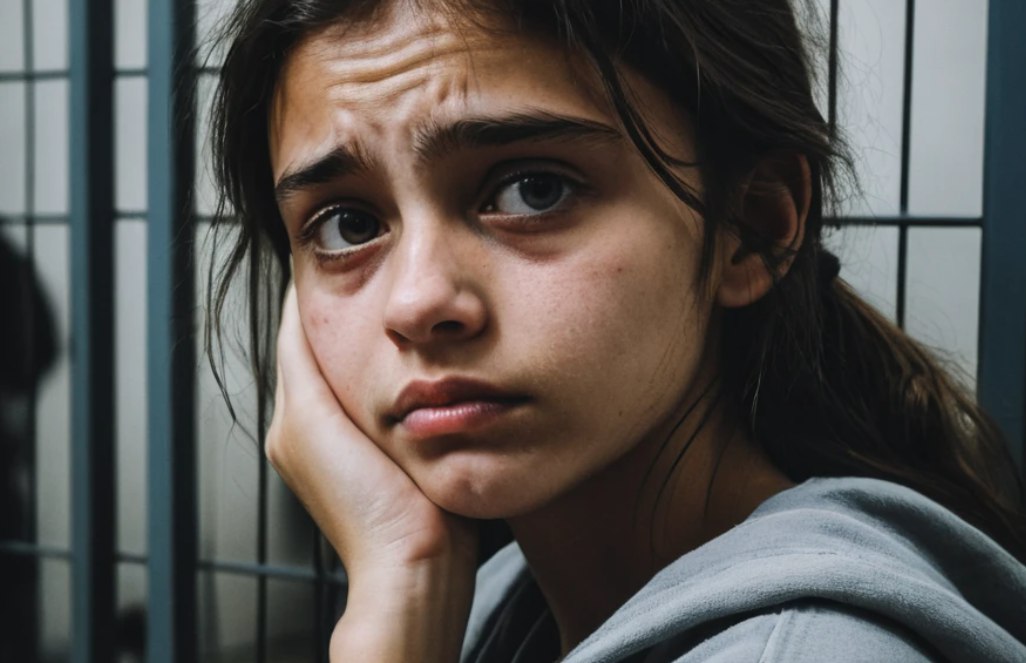
«Це знову ти?» – запитав пан Іван Пекар, пекар, помітивши дівчинку. Іван Пекар був літнім чоловіком із сивими пасмами у волоссі.
Дівчинка стояла непорушно, її очі були прикуті до свіжих, золотистих булочок, виставлених на прилавку.
Аня поглянула на пана Пекара і, глибоко зітхнувши, ледь помітно кивнула.
«Я… просто дивлюся», – прошепотіла вона.
Пан Пекар відразу зрозумів, що дівчинка ввічлива, але надто сором’язлива, щоб сказати щось більше.
«Мрієш про булочки, так?» – запитав він із доброзичливою усмішкою. «А може, хочеш навчитися їх пекти?»
Дівчинка почервоніла і опустила голову, не в силах відповісти.
Аня була з місцевого сиротинця і, повертаючись зі школи, часто проходила повз цю пекарню в самому центрі міста. Все всередині здавалося їй чужим, але водночас викликало відчуття тепла та приналежності. Вона мріяла опинитися по інший бік прилавка, як пан Пекар.
Щодня вона проходила повз пекарню, і аромат свіжих булочок зігрівав її душу. Зупиняючись біля вітрини, вона не могла відвести погляду від різноманітних випічок – не тому, що була голодна, а тому, що захоплювалася їхньою красою. Вона обожнювала майстерність пана Пекара.
Одного дня, відчуваючи особливий сум, Аня зібралася з духом, щоб заговорити:
«Добрий день», – сказала вона, і її голос був настільки тихим, що пан Пекар ледь його почув.
Він здивувався, побачивши її всередині магазину. Зазвичай вона стояла зовні, але сьогодні вона наважилася зайти.
«О, це ти», – сказав він тепло. «Я знав, що ти одного дня зайдеш. Що тебе сюди привело?»
Аня смикала потертий край свого старенького пальта, а її нервозність зростала з кожною секундою.
«Я… я просто хотіла подивитися», – несміливо відповіла вона.
Пан Пекар усміхнувся і посунув до неї кошик зі щойно спеченими булочками. Він сказав лагідно:
«Ну ж бо, візьми одну. Не стій так і не дивись – бери».
Аня застигла, збентежена його щедрістю. У сиротинці ніхто ніколи не роздавав хліба просто так.
«Але… я не можу», – пробурмотіла вона, і її голос затремтів, коли в горлі з’явився клубок.
«Не хвилюйся про це», – сказав пан Пекар, простягаючи їй теплу булочку з джемом. «Сміливо, бери одну. Якщо тобі не сподобається, я можу спекти щось особливе саме для тебе – це не проблема».
Переборовши вагання, Аня потягнулася за булочкою і почала її їсти, не в силах вимовити жодного слова. Її очі засяяли сумішшю радості та недовіри.
Аня продовжувала приходити до пекарні. Вона проводила там дедалі більше часу, не для того щоб їсти, а щоб спостерігати та вчитися, як пан Пекар створює свої смачні шедеври. Вона мріяла, що одного дня сама стане пекарем.
«Заходь, помий руки і йди за мною», – сказав одного дня пан Пекар, зникаючи за дверима, що вели до кухні.
«Справді?» Очі Ані широко розплющилися від здивування.
«Звісно», – відповів він з усмішкою. «Я покажу тобі, як це робиться. Ти ж була допитливою, правда?»
Вона пройшла крізь двері на кухню, і її серце шалено калатало від хвилювання. Все навколо здавалося величезним – мішки з борошном, великі миски для замішування і різні інструменти, розкидані по столах.
Пан Пекар почав навчати її різним видам тіста, ідеальній температурі духовки та секретам замішування. Спочатку Аня просто спостерігала. Але через кілька днів вона почала повторювати його рухи.
Її завдання почалися з основ – формування булочок та розкачування тіста. З часом пан Пекар показав їй, як робити пироги та булочки з начинкою.
Щоразу, коли Аня працювала з тістом, вона відчувала спокій. Здавалося, що всі її тривоги – щодо школи та життя в сиротинці – зникали. Вона обожнювала години, проведені за навчанням у пана Пекара, який став для неї не лише наставником, а й джерелом втіхи.
Одного вечора Аня затрималася в пекарні до пізна, захопившись роботою, і пропустила вечерю в сиротинці. Коли вона повернулася, директорка чекала на неї біля входу.
«Ти знову провела весь вечір у пекарні?» – суворо запитала директорка.
«Я тільки…» Аня почала пояснювати, але директорка її перебила.
«Ти повинна бути тут після школи. Відтепер тобі заборонено заходити до пекарні без мого дозволу».
Аня відчула, як її серце розбивається. Пекарня була єдиним місцем, де вона почувалася по-справжньому щасливою. Але тепер навіть ця маленька радість була під загрозою.
Наступні тижні стали для Ані та пана Івана справжнім подарунком. Дівчинка щодня приходила до пекарні, навчалася новим технікам випікання та допомагала обслуговувати клієнтів. Вона більше не почувалася самотньою чи непотрібною. Пан Іван, у свою чергу, бачив у Ані не просто помічницю, а справжню родину.
Одного дня до пекарні завітала жінка середніх років із серйозним виглядом. Вона представилася соціальним працівником і повідомила, що прийшла перевірити умови, в яких перебуває Аня.
— Ми повинні впевнитися, що тут безпечно для дитини, — суворо сказала вона.
Аня нервово дивилася на пана Івана, але він залишався спокійним.
— Проходьте, пані, — відповів він, запрошуючи гостю до кухні. — Ви побачите, що тут дівчинка не лише вчиться, але й відчуває себе потрібною.
Жінка уважно оглянула приміщення, поспілкувалася з Анею та навіть спробувала свіжоспечений пиріг.
— Тут все добре, — нарешті сказала вона з посмішкою. — Але вам, пане Іване, слід подумати про офіційне оформлення опіки над дівчинкою.
Ці слова змусили серце пана Івана стиснутися. Він знав, що хоче, аби Аня залишилася з ним назавжди.
Протягом наступних місяців він збирав необхідні документи, проходив перевірки та долав бюрократичні перепони. Аня тим часом допомагала йому в пекарні та продовжувала мріяти про своє майбутнє.
Зрештою, настав день, коли пан Іван отримав офіційний документ про опікунство. Він підійшов до Ані, тримаючи папір у руках, і сказав:
— Від сьогодні ти більше не сирота, Аню. Ти — моя донька.
Очі дівчинки наповнилися сльозами, і вона кинулася йому в обійми.
Пекарня стала для них не лише місцем роботи, а й справжнім домом, сповненим любові, затишку та запаху свіжоспеченого хліба.
Кожного тижня Аня проводила майстер-класи для дітей із притулку, навчаючи їх мистецтву випічки. Вона мріяла, що одного дня хтось із них теж знайде свій дім і своє місце у світі.
Історія Ані та пана Івана стала прикладом того, як доброта, терпіння та любов можуть змінити життя назавжди.

He Took His Mistress to the Funeral of His Pregnant Wife… Then the Lawyer Opened the Will and Revealed the Shocking Truth
The morning of Emily Fosters funeral dawned overcast and sullen, as if all of London was holding its breath. Emily...


When David’s father first met Anna, he warned his son that she didn’t truly love him and was only after his wealth. Curious about his father’s warning, David decided to test his wife’s devotion—and the results of the experiment left him astonished.
March 17th I first met Emily at a gathering thrown by some mutual friends in London. The moment I saw...
A Millionaire Unexpectedly Visited His Employee’s Home… and What He Discovered There Changed His Life Forever.
The millionaire arrived without warning on the quiet street outside his employees house, his polished black Jaguar idling by the...


Without Regret, He Sent His Mother to a Care Home Just to Claim Her Apartment for Himself
The car cruised quietly along the slick road, and Margaret gazed deeply into the forest lining the verge. Inside the...


Throughout my life, my parents have always supported my sister, but my grandmother’s recent actions toward me will be forever etched in my memory.
In our family, there were two daughters: myself and Charlotte. But it was abundantly clear that Charlotte held the highest...


Without Regret, He Sent His Mother to a Care Home Just to Claim Her Apartment for Himself
The car cruised quietly along the slick road, and Margaret gazed deeply into the forest lining the verge. Inside the...


Melissa Threw Her Daughter-in-Law Out Because She Was Convinced Her Grandson Wasn’t Really Hers
Three years later, she bitterly regretted it all… Margaret shouted at her daughter-in-law: “Take your child and leave this house...


While Working Two Jobs, Kate Received No Support From Her Parents—Only Heightening Her Frustration; Realizing That Her Parents Had Always Focused Solely On Her Sister Deepened Her Pain Even Further
Emily simply couldnt bear how her parents treated her anymore. In the hazy half-light of her dream, she ended a...