
З життя
I Don’t Need Him: I’m Turning My Back on Him.

March 12
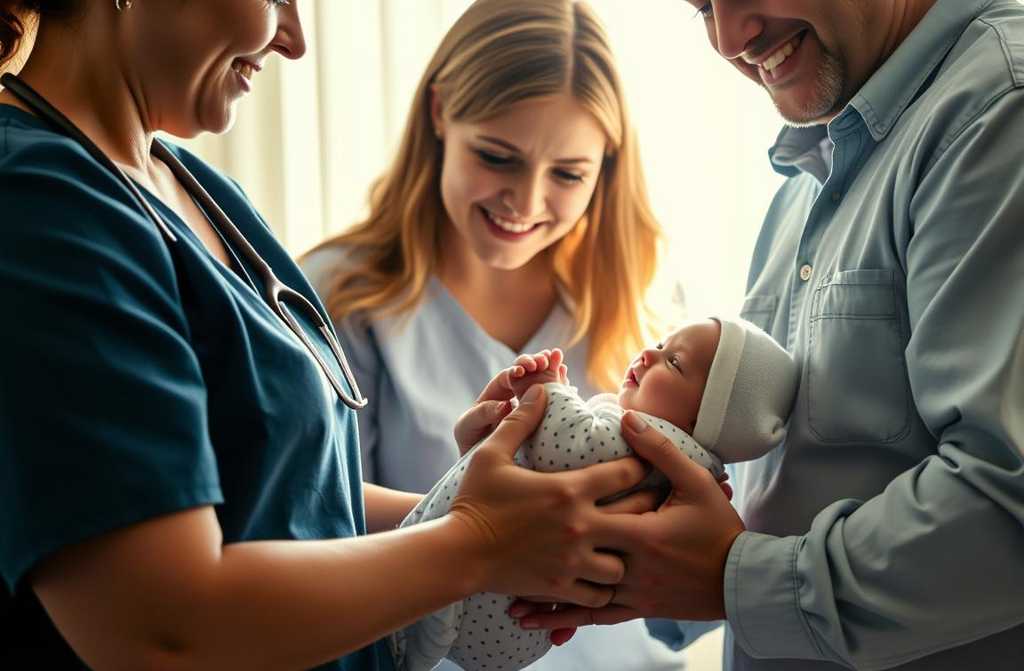
I sit here after a long shift in the paediatric ward of St. Mary’s Hospital, London, and I feel the weight of todays events pressing against my ribs. Im the senior sister on the unit, and the diary has become my outlet for the chaos that seems to follow the case of little Oliver, the baby weve all begun to call Biscuit.
It all started when Poppy, a twentynineyearold expecting mother, was admitted after giving birth to her son. From the moment she set eyes on him she whispered, I dont want him. Im turning my back on Andrew, and he says he doesnt want a child. So I dont either. She repeated the words with a clenched jaw, Do what you will with him I dont care.
The ward manager, Mrs. Whitaker, tried to soothe her: You cant just abandon your own child, dear. Even animals dont act like that. Poppy snapped back, I dont care what animals do. Discharge me at once or Ill make a scene youll regret. Mrs. Whitaker sighed, Bless you, child, for youve pushed yourself into a corner.
Our experience told us that medicine alone could not solve this. Only a week earlier, Poppy had been transferred from the maternity suite to our childrens ward. She was volatile, refusing to breastfeed her son and only agreeing to express milk when there was nowhere else for her to go. Dr Laura, a junior paediatrician, had spent hours attempting to reason with her, warning that the babys health was at stake. Poppy threatened to flee, so Laura called Mrs. Whitaker, who spent a feverish hour trying to persuade the obstinate mother.
Mrs. Whitaker, having seen many similar cases over her twentyyear career, decided we could keep Oliver for three more days enough time, she hoped, for Poppy to change her mind. The news only enraged Poppy. Youve gone mad! Andrew already hates me for this cursed child, and now youre adding insult to injury. If I dont go south with him, hell take Katya away from me. She burst into tears, shouting that the baby was nothing more than a ticket to a marriage she coveted.
Mrs. Whitaker ordered a dose of valerian and stepped out of the ward. The matron, who had been silent, followed her. In the corridor, the matron whispered, Do you truly think a child will thrive under a mother like that? Mrs. Whitaker answered, What can we do? If we send him to a baby home, hell end up in a childrens home. Both families are respectable the mothers and the fathers. Perhaps a talk with the grandparents will help. Find their contact details, please.
Two days later, Poppys father, a sourminded man named Henry, arrived. He declined to speak, saying hed have his driver deliver a refusal letter on Poppys behalf. Mrs. Whitaker insisted the mother must appear herself; otherwise the paperwork would be invalid. Henry, uneasy, retreated, promising to send his wife instead.
The next day, a petite, pale woman named Evelyn arrived. She collapsed into a chair and sobbed, explaining that the boys fathers family had whisked him off to the Continent, where they had grand plans. She claimed Poppy wanted to follow them abroad, that she would take the baby with her, that the world should crumble if she didnt get what she wanted. Evelyns words were frantic, her grief raw.
Mrs. Whitaker tried to involve the babys grandmother, hoping a spark of affection would surface. The grandmother clutched Oliver, weeping, What a beautiful little thing. Id love to take him home, if only my husband would allow it. Her husband, however, forbade it, and the woman fell apart, pulling out a fresh handkerchief.
Mrs. Whitaker sighed, ordered a nurse to give Evelyn more valerian, and muttered that the wards calming supplies were dwindling thanks to such melodrama. She then went to the chief paediatrician, Dr. Hughes, explaining her intention to keep Oliver temporarily. Dr. Hughes, once a bright-eyed paediatrician, smiled at the baby, asked what he was being fed, and affectionately dubbed him Biscuit.
Biscuits stay stretched into several months. The staff kept urging Poppy to visit. She came sporadically, sometimes playing with him, claiming she was saving money for a ticket to find Andrew. Each visit seemed to soften her; she would leave in tears, apologising for her earlier harshness, insisting her love for Andrew was nothing short of madness. Mrs. Whitaker warned that it was not love but lust, but Poppy would not hear.
Neither the mother nor the grandparents filed any papers, yet they never reclaimed the child. Mrs. Whitaker finally decided to confront the truth: the baby was seriously ill, and the ward needed a permanent solution. The junior doctor, Laura, laboured over Biscuit day after day, carrying him, calling him no longer a biscuit but a crumpet when his weight fell, only to see him bounce back to his plump, giggly self. He adored the bright coral beads Laura wore, reaching for them with tiny fingers and bursting into delighted squeals.
Then the inevitable happened. Poppy discovered that Andrew had married someone else. She erupted, screaming that everyone was conspiring to keep her apart from him, that the baby was the obstacle. She threatened to sign a refusal form and have Biscuit sent to a childrens home, then fly to Andrew, persuade him to ditch the child and marry her. She handed the signed paper to Dr. Hughes, placed it on the desk, and walked out without a word.
Mrs. Whitaker called me into her office, eyes dark. Its done. The form is there. Well have to process this through the baby home. I saw the tears welling in her eyes as she wiped her glasses, a habit she had whenever she was on the brink of breaking.
In the meantime, Biscuit was playing in his cot. A nurse entered, and the baby squealed with joy, flapping his arms. Suddenly he fell silent, staring at the doorway. The nurse knelt, trying to understand the sudden stillness. She felt a strange weight in her chest and tears began to stream down her cheeks. She later learned that this was the exact moment Poppy had signed the refusal.
The ward buzzed with superstitions, whispers that abandoned children sense their rejection. They know theyre unwanted, one whispered. They become invisible, hoping the world will forget them. I thought of those words, and of the harsh reality that a small, innocent life can be left to the mercy of indifferent systems.
Yet amidst the gloom, a sliver of hope appeared. After many weeks, we managed to match Biscuit with a couple, Helen and Leon, both in their midthirties, childless and yearning for a little one. Helen was gentle, with a soft smile and a lilting voice; Leon was sturdy, a former RAF officer, who adored his future family. Their home was warm, bright, and filled with the promise of laughter.
When they visited, Helens eyes widened at Biscuits tiny fingers. He instinctively grasped her thumb, a firm yet hesitant grip. The room fell silent, then burst into relieved chuckles. Helen whispered, Youre ours now, my little biscuit. The baby let out a faint squeak, his eyes brightening.
Mrs. Whitaker, ever the pragmatic, reminded us that a newborns grasp reflex is strong, and that the couples hesitation was simply fear of losing him again. Helen reassured Biscuit, Ill come back, I promise. He released her thumb, then immediately clutched it again, his tiny grin widening.
In the weeks that followed, I watched Helen and Leon navigate the early days of parenthood, their love for Biscuit deepening with each smile. The ward finally felt lighter, the air less heavy with sorrow.
Looking back, I realise that this whole episode taught me something vital: responsibility is not measured by blood, but by the willingness to care. The smallest lives can expose the biggest flaws in our society, yet they also illuminate the capacity for compassion that lies within us all. I must carry this lesson forward, reminding myself that every child, no matter how unwanted they seem, deserves a chance at love and a future.



I’ll get married one day, but definitely not to this handsome guy. Yes, he’s wonderful in every way—…
I suppose Ill get married one day, but never to that handsome fellow. Yes, hes quite the charming bloke in...


VIC, PLEASE DON’T TAKE IT PERSONALLY, BUT I WANT MY DAD TO WALK ME DOWN THE AISLE — HE’S MY REAL FAT…
JAMES, PLEASE DONT TAKE THIS THE WRONG WAY. BUT I REALLY WANT MY DAD TO WALK ME DOWN THE AISLE....


A Parent’s Love: Elly’s Heart-Stopping Taxi Mix-Up, Grandparent Hugs, Christmas Comforts, and the Fi…
Parental Love Ellie breathed out, tired but content, as she settled her children into a taxi. Millie was four, and...


The Day I Went to Get Divorced Dressed as a Bride
The day I went to get divorced, dressed as a bride. When my husband told me he wanted a divorce,...


I Discovered My Son Had Abandoned a Pregnant Woman—So I Paid for Her Lawyer Myself When I Learned W…
I found out my son had abandoned a pregnant woman. I paid her solicitors fees myself. When I learned what...


I Miss Him. I’ve Never Missed Anyone Like This—Even Though I Wasn’t Truly Happy With Him and There W…
I miss him. Ive never missed someone like this before. And I dont even know whyespecially when I never truly...


My Aunt Arrived for a Visit with Her Daughter and Son-in-Law, Bringing Expensive Wine and Meat—But M…
My mothers side of the family is quite large. She used to have six siblings, though only three are left...


My Mother-in-Law Called My Children Ill-Mannered, So I Banned Her from Ever Entering Our Home Again
Elbows! Who puts their elbows on the table like that? In polite company, youd have been booted out ages ago,...