
З життя
– Як ти могла? Ми ж подруги! – цю фразу я повторила вже втридцяте.

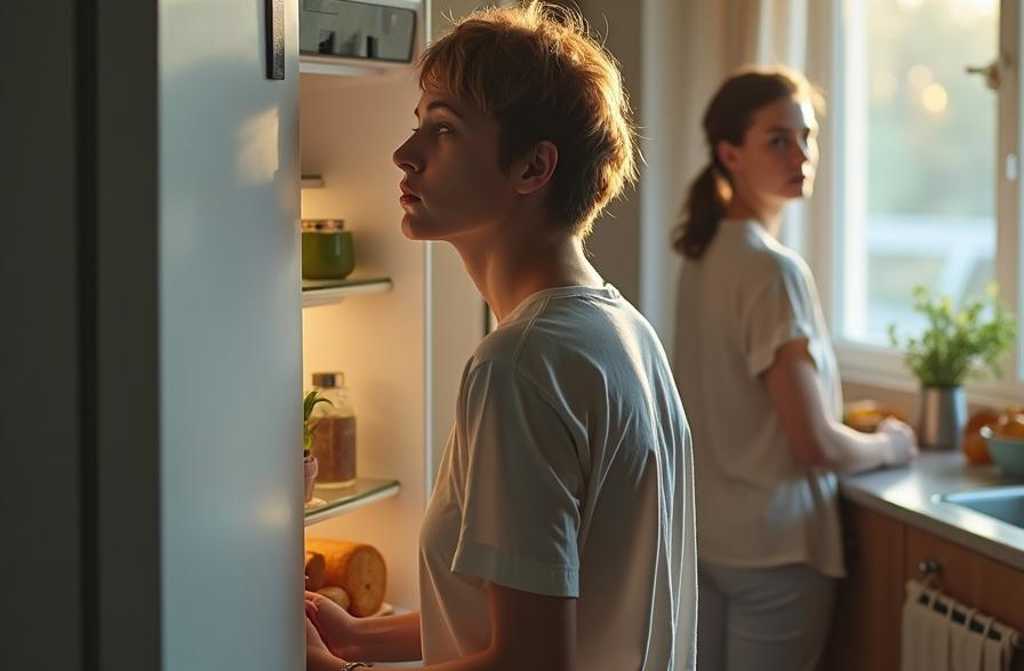
– Як ти могла? Адже ми подруги! – цю фразу я повторила вже, мабуть, в тридцятий раз. Просто, як папуга, повторювала її. В голові був туман. Жах, який мене охопив, було важко описати словами. Я тільки-но вийшла з лікарні, а тут… таке. Подруга забирає чоловіка. При цьому вирішила сама про це повідомити. Якби у мене були сили, такі як до хвороби, я б, напевно, вчепилася у волосся Насті й видерла все. Але сил не було. Зовсім. Я тільки почала приходити до тями після довгого і важкого лікування, а тут вам ще це. За що мені таке?!
– Марійка, заспокойся! Давай я тобі валеріану накапаю…
Я не хотіла валеріану. Я хотіла поговорити зі своїм чоловіком. Подивитися йому в очі. Але він уже переїхав до Насті з речами. Навіть не захотів поговорити з власною дружиною. Не знайшов у собі сміливості пояснитися.
– Пробач, Марійко! Ніхто цього не хотів. Думаєш, я не розумію, яка я сволота? Але ти сама теж винна! Хто просить незаміжню подругу доглядати за всім, поки ти в лікарні?
Я просила. Дурепа, звісно. Ми з першого класу були нерозлийвода, вона була свідком на нашому з Дімою весіллі. Я повністю довіряла Насті. А тепер дорога подружка просто зруйнувала моє життя, навіть не подумавши, як мені буде. Після лікарні потрапити в інше пекло.
– Не думай, ми тебе не кинемо… – вона щось ще лепетала.
Я піднялася, тримаючись за стіл.
– Ну, ось що! Йди звідси. І ключі залиш. І його ключі, я сподіваюся, теж тут?
У мене навіть не було грошей поміняти замки. Чи були? Щось я зовсім заплуталася. Настя щось казала, що мені самій не можна. Що може возити мене до лікаря. Що я надто слабка і не маю залишатися одна. Я зібрала останні сили і виставила Настю з дому.
Все. Треба якось жити, заради чого ж я терпіла ці всі отруйні капельниці й опромінення. Заради того, щоб вижити. Правда, я думала, що у мене є родина! Моя родина. Хто взагалі так чинив би?
У холодильнику був суп, салат, пюре, парові котлети. Все свіже. Вона подбала про мене, гадюка. Я почала з якоюсь злістю тягти їжу в туалет і смітник. Викинула все, що було в холодильнику. З чистого аркуша. А що я буду їсти? Подивилася в телефоні свої рахунки – треба ж! Мені прийшли якісь виплати: може, лікарняні. З голоду не помру.
Я подивилася в дзеркало на свою лису голову. На ній вже почав відростати короткий їжачок волосся, але ходити в такому вигляді вулицею не дуже хотілося. Від перуки я відмовилася відразу – носила хустки й шапки. Надягла тонку шапочку й зібралася в магазин. Коли виходила за двері, закрутилася голова. Я повернулася й сіла на взуттєву полицю. Я зможу. Зможу! Сама, одна, без них, без цих зрадників та сволот! Точно зможу.
Спочатку було дуже важко. Щоби вистачало на таксі до лікарні та на ліки, довелося дещо продати. Діма періодично переказував мені якісь суми, я з похмурою завзятістю відправляла їх назад. Не хотіла брати від нього нічого. Бачити Діму і говорити з ним я теж більше не хотіла. Он тільки вночі, лежачи на боці і дивлячись на порожню подушку на другій половині ліжка, я чомусь відчувала гостру тугу. Навіть не за чоловіком, а просто за своїм минулим, яке здавалося мені досить вдалим тоді. Чоловік, квартира, улюблена робота – я була вчителем у школі, викладала українську мову та літературу. Дуже любила своїх учнів, ладнала з колективом. Чомусь, коли Діма пішов до Насті, я відчула дивну відстороненість від людей загалом. Небажання бути серед них. Страх людського суспільства. Прислухаючись до себе, я розуміла, що більше не хочу йти в школу. Не хочу бачити ні дітей, ні колег. І від цього усвідомлення мені ставало ще сумніше. Що приховувати? Я плакала ночами в подушку. А вдень намагалася жити.
– У вас ремісія. – сказала мені лікар чомусь зі співчуттям.
Напевно, тому, що з деяких пір я приходила в поліклініку сама. Без підтримки. Без чоловіка.
– У вас ремісія, і я раджу якомога швидше повернутися до звичного життя.
«У мене більше нема звичного життя!» – хотілося мені кричати.
А незвичного я ще тільки вчуся жити. Старанно, як школярка на уроці, але якось поки що не дуже виходить.
Того ж дня подзвонила директорка – мабуть, нюх у неї такий?
– Марія Петрівна, як ви почуваєтесь?
– Краще, дякую!
– Коли плануєте виходити на роботу?
– Ірино Миколаївно, щось мене не тягне з’явитися перед учнями з лисою головою. – різкувато відповіла я.
Насправді, мені закрили лікарняний і треба було йти на роботу. Але як не хотілось! Я себе зовсім не впізнавала. Поговоривши з Іриною, я оцінила, скільки у мене ще барахла на продаж. Золото, брендові речі й сумки. Усе, звісно, купував і дарував Діма, але ж не повертати це йому? І носити я це вже навряд чи захочу. Але ще більше ненависною була думка, що мої речі буде доношувати Настя.
Виходило, що близько року можу скромно жити без роботи. І я звільнилася. А потім зачинилася в своїй квартирі і взялася писати книгу. Банальну книгу, в сюжет якої вклала свою історію. Тяжка хвороба, чоловік-покидьок, подруга-зрадниця. До речі, ніхто з цих двох так і не показався. Не дзвонили і не писали, чому я була тільки рада.
Допивши, перечитавши і виправивши помилки, я відчула, що ось тепер, поділившись своїми емоціями з папером, я готова до зустрічі з людьми. Знайшла свої інститутські зв’язки і відшукала однокурсника, котрий працював у видавництві. Ми домовилися зустрітися увечері в кафе — я передбачливо не стала говорити про причину зустрічі по телефону.
– Ой! Марійко, ти чудово виглядаєш! Схудла, і зачіска така тобі добре пасує.
Я усміхнулася про себе. Знав би ти, милий, якою ціною даються такі зміни!
Поклала пакет із рукописом на сусідній стілець і усміхнулася давньому приятелю.
– Ти теж чудово виглядаєш, Богдане. Як твоє життя?
– Б’є ключем. В основному по голові.
Ми довго згадували інститут, сміялися, випили кави, мабуть, літра два. Я б випила чогось міцнішого, звісно, для хоробрості, але Богдану треба було зранку на роботу. Треба було призначати зустріч на п’ятницю. Хоча… по п’ятницях у всіх свої тусовки.
– Ладно, це все чудово. Кажи, що тобі від мене потрібно. – став він раптом серйозним.
– З чого ти взяв, що мені щось потрібно? – я від такого різкого переходу навіть здивувалася.
– Я ж не ідіот. Ми не бачилися з випускного, і раптом ти дзвониш. Що потрібно? Позичити гроші? На роботу влаштувати? Лікаря знайти?
– Якого лікаря?
– Ой, ладно тобі, Сомова, ти ж явно не дуже здорова.
– Збрехав, так? Що мені пасує?
– Тобі пасує. Але ти б ніколи так не підстриглася — я ж пам’ятаю твої розкішні коси. І худорлявість у тебе… хвороблива. Онкологія?
– Ремісія.
– Чудово! Я радий. Значить, лікар не потрібен. Що тоді? Гроші?
Я витягла з пакета пачку паперів і поклала перед ним. У його погляді промайнула туга, потім розчарування, і мені здалося, що Богдан зараз піде. Стало страшно.
– Просто поглянь! – благаюче сказала я.
Він поглянув. Потім на мене. Потім швидко переглянув кілька сторінок, перегорнув до середини, там теж щось почитав, і вивчив фінал.
– Ще є? – коротко запитав Богдан.
– Поки що ні.
– Потрібно, щоб було ще. Не люблять у нас зараз по одній книзі випускати. Неперспективно. Потрібна серія.
Ми почали обговорювати деталі, і мене раптом захопило щасливе відчуття нереальності. Наче добре, але невже це зі мною?
Книга вийшла. Як виявилось, Богдан працює у видавництві, тому що воно належить його батькові. Сімейний бізнес. Я з усіх сил писала серію. Але презентація відбулася на ту саму, першу книгу. Найсправжніша презентація, з автограф-сесією. Знову чудово, знову — невже це все зі мною? А я ще вбралася, як королева. Хотіла вразити Борьку. Він мені так подобався, але було зовсім незрозуміло, чи взаємно це.
– Підпиши.
– Для кого? – автоматично запитала я, відкриваючи книгу.
Трохи здивувалася. Що голос знайомий, що чоловік просить підписати книгу – ну, мабуть, для дружини. Жіноче ж читво. Що на «ти» звернувся. Підняла очі. Діма, власною персоною.
– Моєму колишньому, прототипу головного героя.
Я, як дурочка, застигла з ручкою над книгою.
– Тобі не здається, що я вийшов у тебе якимось вже надто… козлом? – продовжував жартувати Діма, а на мене раптом почав наступати туман. Сковувати по руках і ногах. Як того дня, коли я дізналася, яким він козлом виявився!
– Постав свій підпис, дорога. – хтось посунув стілець і сів за стіл поряд зі мною. – І відпусти людину. Там ще багато охочих отримати автограф.
І Богдан поклав свою руку на моє коліно. Стиснув його, від чого я прийшла до тями. Усміхнулася, розписалася в книзі і віддала її Дімі з лучезарною посмішкою.
– Дякую. Наступний, будь ласка!
Діма аж зубами заскрипів. Але відійшов. І я тут же про нього забула.
– Чому так багато людей? Звідки всі вони? – прошепотіла я до Богдана.
– Ну, так рекламу гарну дали. Давай, прискорюйся. Не вічно ж тобі тут сидіти. Підемо, відзначимо.
– А куди?
– А куди захочеш — туди й підемо.
І він приголубив мене поглядом. І хоча я, як людина, що володіє пером, раніше могла б закипіти від подібного виразу, але зараз все було саме так. Серце радісно стрепенулось. Це постукала надія. Надія на те, що все ще буде добре!



A Life Back in Order – “Lada, I Forbid You From Speaking to Your Sister and Her Family!” My Husband Gave Me an Ultimatum, Enraged at My Bond With My Sister Natasha, While His Own Drinking and Cheating Tore Our Marriage Apart – But When a Stranger Turned Up With His Secret Son, I Finally Found The Strength To Break Free and Discover True Happiness with Kind-Hearted Dr. Herman Lewis
LIFE, SORTED Lydia, Im forbidding you from seeing your sister and her family again! They’ve got their life, weve got...


Bitterness at the Bottom of My Soul “The children’s home has been waiting for you for ages! Get out of our family!” I screamed with a trembling voice. The target of my wild indignation was my cousin, Dima. God, how I loved him as a child! Blond hair, bright blue eyes, cheerful nature — that was Dima. …Relatives often gathered around the festive table. Of all my cousins, I singled out Dima. He could spin tales with his tongue like a lace maker and he drew brilliantly. Sometimes he would churn out five or six sketches an evening. I would stare, entranced by their beauty, quietly gathering his drawings and hiding them in my desk. I carefully treasured my cousin’s artwork. Dima was two years older than me. When he turned 14, his mother died—gone so suddenly, she just didn’t wake up… The question arose—what would happen to Dima? Naturally, they first turned to his father, but finding him was no easy feat. He and Dima’s mother were long divorced, and the new family “couldn’t be disturbed.” The rest of the relatives just shrugged: “We have our own families, our own problems.” Turns out, during the day, family is there, but come nightfall, not a soul to be found. So, with two kids of their own, my parents became Dima’s guardians—after all, Dima’s late mother was my dad’s younger sister. At first, I was happy that Dima would be living with us. But then… On his very first day in our home, Dima’s behavior set me on edge. To comfort her orphaned nephew, my mum asked, “Is there anything you’d like, Dima? Don’t be shy, just say.” And Dima immediately replied, “A model train set.” Now, this wasn’t a cheap toy. I was shocked—your mum just died, the most important person in your life, and all you want is a train set? How could you even think of that? But my parents immediately bought him his dream. Then it was, “Buy me a tape player, jeans, a designer jacket…” This was the eighties, mind you, and not only was this stuff pricey, but it was impossible to get. My parents made sacrifices for the orphan, even at our own expense. My brother and I understood and didn’t complain. …When Dima turned sixteen, he discovered girls. And he wasn’t afraid to show his affection. Worse yet, he started making advances toward me—his own cousin. But as a sporty girl, I skillfully dodged his unwelcome attention. We’d even come to blows. I would cry and cry. I never told my parents—they didn’t need the heartache. Kids don’t talk about such things. After I fended him off, Dima wasted no time turning to my friends, who actually competed for his attention. …But Dima was also a shameless thief. I remember my piggy bank: saving on school lunches to buy presents for my parents, only to find it empty one day! Dima denied everything—didn’t bat an eye, didn’t blush, just outright lied. It broke my heart. How could he steal while living under our roof? He was wrecking our family from within, but Dima really didn’t understand why I was upset. He truly believed everyone owed him. I began to hate him. That’s when I finally screamed at him: “Get out of our family!” I lashed him with my words—said things that can never be taken back… My mum barely managed to calm me. From that day on, Dima ceased to exist for me. I ignored him completely. Later, I learned the other relatives knew what a “character” Dima was—they lived nearby and seen it all. Our family lived across town. Even Dima’s former teachers warned my parents: “You’re making a big mistake. Dima will ruin your other children too.” …At a new school, he met Katy—she loved Dima all her life. She married him straight out of school. They had a daughter, and Katy put up with his lies and cheating without protest. As they say: single life is hardship, married life is double. Dima joined the Army, stationed in Scotland. There, he started another family—he somehow managed it during leave. When his service ended, he stayed in Scotland. He had a son there. Katy, not hesitating, went after him and, by hook or by crook, brought him back home. My parents never received a word of thanks from cousin Dima—not that they expected it. Now, fifty years on, Dmitri is an active member of the local Anglican church. He and Katy have five grandchildren. On the surface, all seems well, but the bitterness of life with Dima remains… No amount of sugar could ever sweeten it.
SORROW AT THE BOTTOM OF MY HEART Youve needed a childrens home for years! Get out of our family! I...


Bittersweet Happiness – “What’s wrong with that young lady? She’s a good girl. Modest, neat, a hardworking student. She loves you,” Helen Edwards chastised her son. “Mum, I’ll handle it…” Denis clearly ended the pointless conversation. Helen left the room. “He’ll handle it… How many girls has he turned away… Nearly forty, and soon no one will do. Nothing’s ever right for him…” she thought with a heavy sigh. “Son, dinner’s ready,” Helen called from the kitchen. Denis responded instantly, tucking into his mother’s homemade stew. “Thank you, Mum. Delicious, as always.” “You should be saying that to your wife, not me,” Helen couldn’t let it go. “Mum…” Denis drank his compote and prepared to leave. “Wait, son. Do you know, I once visited a fortune-teller? She took one look at me and said: ‘Your son will have happiness, but it will be bittersweet.’” “Oh, Mum, don’t believe such things,” Denis grinned. …Through the years, different women—some loved, some not—came and went in Denis’s life. …Inna was smart, cultured, shockingly wise for her age. She often gave sound advice to the nine-years-older Denis. At first he liked this, but then he began to see Inna more as a mentor than anything else. Everything felt colourless. They split up. Polly had an eight-year-old son. Try as he might, Denis couldn’t get through to the boy, though he loved Polly. She was beautiful, but too headstrong. Whenever they quarrelled, he’d try to patch things up with gifts. The arguments felt senseless. Something was always missing—maybe peace and stability. Vera was everything he’d ever wanted in a woman. Denis almost married her. She was decent, pure, balanced—he felt like he had to “wear kid gloves” just to speak to her. He even moved into her flat. He was ready to start a family. But… He came home unexpectedly from a work trip to find Vera in bed with her old school friend. Classic… After that, Denis moved back in with his mum. Enough romance, he decided. “I’ll be a bachelor—a solid family of one,” he joked to his mum. Helen would shrug and sigh: “Will you ever find your one, son?” But fate had its own plan. Suddenly, unexpectedly. Denis was travelling for work, claimed his usual bottom bunk in the train carriage. A woman entered: “Excuse me, would you mind swapping? Can I have your lower bunk? Please.” “No trouble,” Denis replied. He looked her over—nothing remarkable. Yet his heart skipped. “Maybe she’s the one…” He clambered onto the top bunk and dozed off… “Glad you’re awake! Come, have some tea,” the stranger cooed. Denis climbed down and they started talking. “Larissa,” she introduced herself. “Denis. Nice to meet you, Larissa.” They talked throughout the evening. Denis felt instantly at ease. He didn’t try to impress her; everything just flowed, as if he’d known her forever. They exchanged numbers, just in case… A couple of weeks later, he couldn’t resist calling her. One thing led to another… Dates, kisses, promises… Denis couldn’t imagine his life without Larissa. At forty years old! He’d always let previous girlfriends go easily—but not this one… He wanted to lose himself entirely in her life. Larissa surrounded Denis with love, care, and understanding. Three months in, he offered his heart and hand. “Denis, I’m seven years older than you. I have three children. We live in a council flat,” Larissa admitted. She never lied. “I know, Lara. I’ve met your kids—you’ll all move in with me. It’s sorted. I love every inch of you. You’re my last and only,” said Denis, kissing her tenderly. “All right, Denis, let’s give it a try,” murmured a shy Larissa. “No, not try, Lara. We’ll be together. For good,” Denis squeezed her hand. “Do you hear me? Forever.” When Helen learned his plans, all she could say was: “You’ve really outdone yourself this time… The plainest girl of them all…” …Nine months later, their daughter was born—a child with Down’s syndrome. Denis felt both joy and worry for Larissa. Would she cope? Having a child with special needs is never easy. …Today, Denis and Larissa’s daughter is eight. The whole family adores her. Denis worships Larissa. Bittersweet, but happiness…
BITTERSWEET JOY What is it you dont like about this young lady? Shes a lovely girl. Polite, tidy, bright enough...


The Postage Stamp: How Illya Left Katya for Another Woman, Katya Swore Revenge on All Men, and Daughter Sonia Discovered the Secret of Real Love
A POSTAGE STAMP Toms left Emily, Mum sighs heavily. What do you mean? Im confused. Im baffled myself. He was...


A Lifetime with My One True Wife: Love, Patience, Broken Porcelain, and the Bittersweet Legacy of a Brother’s Secret Regret
MY OWN WIFE How have you managed to stay with the same wife all these years? Whats the secret? My...


A Husband Worth More Than Bitter Resentment: From Loss and Iron-Selling to New Love, Second Chances, and Family Turmoil – My English Tale of Marriage, Heartbreak, and Hope
MY HUSBAND IS WORTH MORE THAN BITTER RESENTMENT Henry, that was the final straw! Were getting a divorce. No need...


A Christmas Eve Miracle: How Paul Forgot His Daughter’s Gift, Adopted a Kitten, and Found the True Spirit of the New Year
A Christmas Eve Miracle Tom, can you please explain how you managed to forget? Sarah looked at me with a...


Broken by Nagging: The Night Stepan Finally Let His Tears Fall – A Village Story of a Silent Man, a Demanding Wife and Mother-in-Law, and the Healing Power of a Kind Word
So, listen, Ive got to tell you about something that happened a while back stuck with me, honestly. This bloke...