
З життя
In Winter, Valentina Decided to Sell Her Home and Move to Live with Her Son.

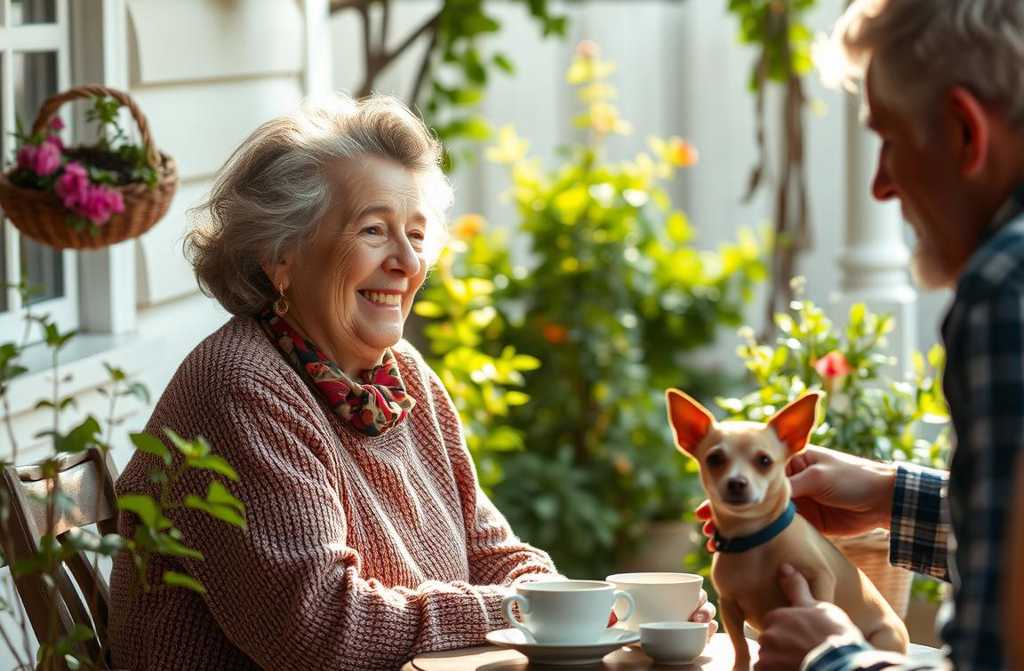
In the dead of winter my mother, Victoria Hart, finally decided to put the house up for sale and move in with her son. Her daughterinlaw and Thomas had been urging her for years, but she could never bring herself to leave the home shed built with her own hands. It wasnt until she survived a strokestill fragile, but able to walkthat she realised living alone was a danger, especially since the tiny village of Littlebrook had no doctor. She sold the cottage, handed most of the furnishings to the new owner, and packed up for York.
By summer Thomas and his wife Margaret had shifted from their cramped flat on the ninth floor to a brandnew twostorey cottage they had just finished building on the outskirts of the town. The design was Thomass own: I grew up in a house that sat on solid ground, so I wanted to give my children a place just like that, he said.
The cottage was spacious, with a bright kitchen, airy sitting rooms and a bathroom that reminded Victoria of the blue of the English Channel. Feels like weve been whisked onto a beach, she laughed.
The only flaw in the plan was that both Victorias bedroom and that of her sixteenyearold granddaughter, Ethel, were on the upper floor. Each night the elderly woman had to trudge down the steep staircase to the downstairs bathroom. I pray I dont tumble in the dark, she muttered, gripping the banister tightly.
She settled into the new family quickly. She got along well with Margaret, and Ethel was a quiet girl who spent most of her time online, leaving Victoria free to mind her own business. The rule is simple: keep my mouth shut, stay out of other peoples affairs and say as little as possible, she told herself.
Each morning the house emptied for work and school, leaving Victoria with her dog Rex, a cheeky chihuahua, and a tabby cat called Misty. A small turtle lived in a round aquarium, constantly poking its head out to stare at Victoria as she fed the fish and the turtle. After feeding, she would call Rex to the kitchen for tea. The dog was calm and clever, his dark, droopy eyes following her every move.
Come on, lets have some tea, shed say, pulling a tin of biscuits from the cupboard. The biscuits were the only thing the dog ever ate besides his specialised chihuahua diet, but Victoria felt sorry for him and bought childrens biscuits to share with Rex.
When lunch was done and the house tidy, Victoria would head out to the garden. Shed taken up gardening in Littlebrook and continued to tend the beds here. While working, she barely noticed the neighbours plot, hidden behind a high hedge except for a short stretch behind the house where Thomas had put up a low decorative fence. Shed seen an old man in a worn hat skulking about the land, always retreating to the shed or the garage when she glanced his way.
A few days later, while putting Ethels room in orderEthel was always hurrying and never made her bedVictoria pulled the curtains aside and opened the window. She spotted the old man walking slowly, head bowed, toward the raspberry bushes. He lifted an old bucket and sat down on it. He wore a faded shirt with long sleeves, and the early September chill made him cough, wiping his eyes with his sleeve.
He looked naked and shivering, and a tear slipped down his cheek. Hes crying, she thought, her heart tightening. Does he need help? she called, but a sharp shriek from the open window stopped her. She realised he wasnt alone.
The neighbour, later identified as Peter Clarke, seemed to be ignored by his own family. Though he lived in the same house as his son, he spent most of his day out of the kitchen, either in the garden or tinkering in the shed. One afternoon she overheard him mumble to himself:
Ah, you poor sparrows, youre free while the sun shines. When the frost comes, theyll lock you in a cage and forget to feed you. Im locked up too whats left for us in old age?
His words struck a chord in Victoria, and she wondered aloud, What does a man have to do to make a grownup cry?
From then on she watched the fence more closely, catching glimpses of Peter working on something in the shed, hearing the occasional saw. One evening she heard him talking to someone:
Ah, the birds they get to fly while its warm. Once winter sets in, theyre caged, forgotten. Im in a cage too. Who needs us when were old?
She mentioned it to Margaret at dinner. Margaret explained that Peters wife had died years ago, leaving him with his son, Thomas. The son had married and moved back into the house, leaving Peter to tend the garden and run errands. Their granddaughter, now sixteen, attended the same class as Ethel, and Peter was no longer needed.
What about his son? Victoria asked.
Hes quiet, proper, never says a word, Margaret replied. Thats how they were brought up.
This isnt a good way to live now, Victoria muttered. I always envied those with husbands who would stand up for their wives.
Peter, who had been listening, snapped back, A man who doesnt defend his wife would be a coward, and a coward would kill his own wife if push came to shove.
That night Victoria lay awake, the conversation haunting her. She forbade herself to dwell on the past, but each time a memory rose she drew a picture of a heavy iron door on a lakes shore, a tiny key sunk to the bottom. No one will ever retrieve it, she whispered to herself.
She remembered the terrifying words of her own late husband, who had once threatened to bury her under an apple tree. The fear clung to her, so she tied a sheet to the door handle and the foot of her bed, placing a metal poker in the handle to alert her if someone tried to open it. It wasnt for herself but for Ethel, who still lived with her.
One night she woke to a sound, saw the neighbour trying to pry the door with a large knife, and rushed Ethel to the window before pulling herself out. Her heart hammered. The door is shut, she told herself. The past is best left behind.
The next morning was clear and dry. After her chores, Victoria set off to the village shop for a loaf. She left Rex in the yard and walked to the bakery, where a boisterous salesman shouted about fresh nightbaked bread. When Victoria inspected the loaf, she saw the crust was hard as a rock.
What gives you the right to sell that as fresh? she said. A proper loaf should have a dent from the bakers hand, not be as dry as a biscuit.
The salesman replaced the loaf, and an elderly man on the shop steps thanked her, Cheers for looking out. I dont know how to stand up to rudeness. He turned out to be Peter Clarke, his face thin but not sour, his smile warm.
Mind if I walk with you? Were neighbours after all, he offered.
Really? Victoria laughed. Youre the one Ive seen by the garden. Im the mother of Thomas. We moved out here a few months ago.
He mentioned that his son had once spoken of his father living far up north in Northumberland. I lived alone for a long time, healths not what it used to be, he admitted. They chatted about the fresh breads smell, and he broke off a piece, offering it. Im on a diet, so I only buy fresh for the kids, she replied, but Ill take this for you.
They talked about potatoes, the upcoming planting, and Victoria suggested they get to know each other better. She invited him for tea, which he hesitated about, but she promised there was no rush and that the dog would keep him company. He followed her through the small gate into her garden.
Inside, the modest cottage felt cozy: embroidered pictures on the walls, potted flowers on the sill, knitted throws on the chairs. Peter thought to himself that in todays world wealth often chokes out genuine human contact.
They sipped tea with homemade scones. Victoria wanted to offer a hearty stew but held back, fearing to overstep. Rex lay at the doorway, alert but calm; the dog only growled when strangers approached the property. Victoria knew when the local Romani traders passed, the dog would give a low rumble, prompting her to shut the gate.
The conversation stayed lighttalk of harvest, weather, market prices. Victoria wondered why Peter seemed so often sad, but she kept her thoughts to herself. When he finally said goodbye, the warmth of the room lingered, as did his memory of a heated argument with Margaret about a deed for Thomas.
From that day onward Victorias life gained a new purpose. Each morning she hurried the children off to school, fed the animals, and tended the garden. Peter would appear in his own small yard, waving cheerily, and she would hand him whatever shed baked. He was shy but accepted, knowing she meant well.
The night before a planned holiday, Peter mentioned that Thomas and his family were heading off to Cornwall for a break. Let them have a rest, Victoria said loudly. Itll be cold for me to stay in the shed any longer.
She awoke to the sound of a car. A taxi pulled up at the gate, neighbours hurried out, the driver loading bags as the vehicle rolled away. Did Peter see them off? she wondered, lying back down, but sleep eluded her. Thoughts of parents being abandoned by their children swirledstories of famous people whose offspring never visited in old age.
She rose earlier than usual, made breakfast, sent the kids off, fed Rex and Misty, and stepped outside. The garden was silent; Peter was nowhere to be seen. She thought perhaps he was enjoying some peace.
She clipped onions, and after an hour the neighbours shed was still quiet. A faint light flickered behind the porch, prompting her to knock. When the door cracked open, she called out, Peter Clarke! Anyone home?
Silence answered her. She stepped into the hallway, then the sitting room, and let out a startled gasp. Peter lay on the sofa, his left arm limp, a bottle of nitroglycerine on the floor, tablets scattered about. Lord have mercy! she shouted, dialing her son Thomas. He answered breathlessly, and she begged him to call an ambulance.
Within fifteen minutes sirens wailed, and a greyhaired doctor felt Peters pulse, examined his eyes, prepared a syringe. Victoria realised the man shed grown to care for was still alive.
The day passed in a haze. She kept asking herself why his family had left him to suffer. What kind of children would abandon a father in his hour of need? she thought, recalling a line from a Sholokhov novel about a mother locked away to starve.
Lord, spare me children like that, she prayed.
Peter was discharged a month later. Victoria visited him daily, bringing food. You need to eat to live, shed say, a phrase shed often repeated.
During one visit she learned that Peter owned the house, but Margaret wanted a deed and power of attorney for his pension. If I hand over my pension, Ill die of hunger, he said. My will names my son, but he knows nothing of it. Anything left in a divorce stays apart. He wont have a roof over his head when Im gone.
Victoria responded, Thats good then. Hell be out soon. My children have a flat; no one lives there. The granddaughter is still with her parents. Well look after the house together, keep it quiet. You shouldnt be worrying now. In olden days on the Ryazan plains they never said I love you; they said, I pity you. Thats what I feel for youpity and a wish for life.

Monica Hardly Noticed When She Started Tiptoeing Around Her Own Home, Quietly Doing Everything So She Wouldn’t Disturb Her Daughter and Son-In-Law
Oh, Mum, youre frying fish again, said Charlotte, peeking into the kitchen.Yes, but Ive opened the windows and turned on...
While Visiting My Friend Alice, My Husband Suddenly Called Her. I Answered and Heard Something Astonishing—Here’s the Story of Our Relationship, Alice’s Recent Struggles, and an Unexpected Turn of Events
Half a year ago, Mary was left by her husband, and I tried my best to cheer her up through...


I’ll get married one day, but definitely not to this handsome guy. Yes, he’s wonderful in every way—…
I suppose Ill get married one day, but never to that handsome fellow. Yes, hes quite the charming bloke in...


VIC, PLEASE DON’T TAKE IT PERSONALLY, BUT I WANT MY DAD TO WALK ME DOWN THE AISLE — HE’S MY REAL FAT…
JAMES, PLEASE DONT TAKE THIS THE WRONG WAY. BUT I REALLY WANT MY DAD TO WALK ME DOWN THE AISLE....


A Parent’s Love: Elly’s Heart-Stopping Taxi Mix-Up, Grandparent Hugs, Christmas Comforts, and the Fi…
Parental Love Ellie breathed out, tired but content, as she settled her children into a taxi. Millie was four, and...


The Day I Went to Get Divorced Dressed as a Bride
The day I went to get divorced, dressed as a bride. When my husband told me he wanted a divorce,...


I Discovered My Son Had Abandoned a Pregnant Woman—So I Paid for Her Lawyer Myself When I Learned W…
I found out my son had abandoned a pregnant woman. I paid her solicitors fees myself. When I learned what...


I Miss Him. I’ve Never Missed Anyone Like This—Even Though I Wasn’t Truly Happy With Him and There W…
I miss him. Ive never missed someone like this before. And I dont even know whyespecially when I never truly...