
З життя
In Winter, Valentina Decides to Sell the House and Move to Be with Her Son.

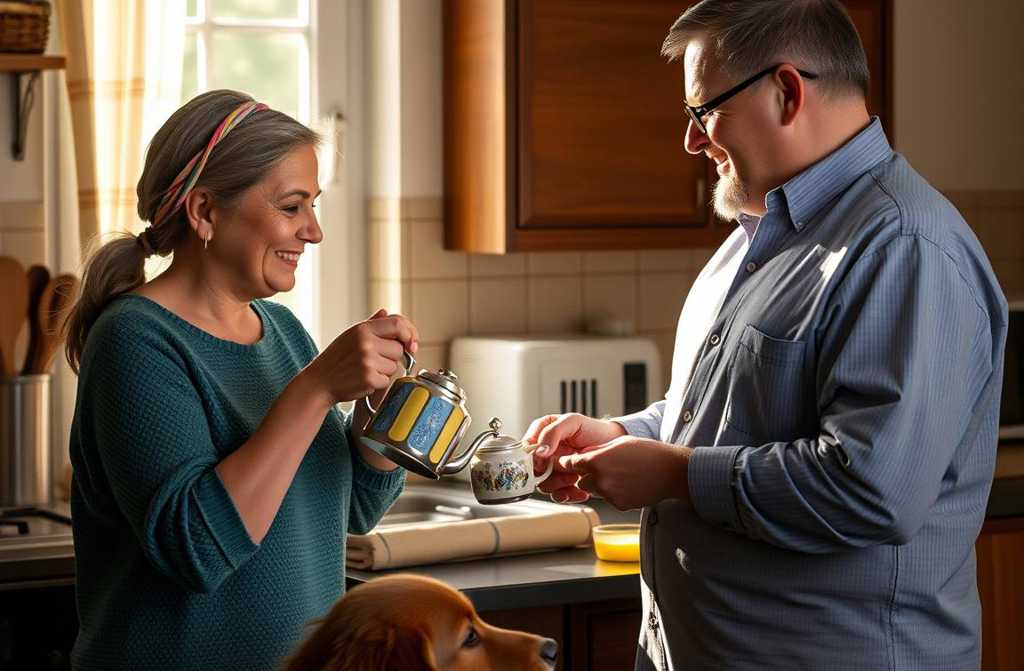
In winter, Victoria decided to sell her cottage and move in with her son. Her daughterinlaw and his child had long been urging her to join them, but she could never quite bring herself to give up the home she’d built over the years. It wasnt until a stroke left her partially recovered that she finally realised living alone was becoming dangerous, especially since the little village of Thornwick had no doctor. She sold the house, leaving most of the furnishings to the new owner, and relocated to her sons place.
That summer the sons family moved from the flat on the ninth floor into a newly built cottage, designed entirely by him.
I grew up in a house on the land, he said, and thats the kind of home Ill create for my own family.
The cottage was twostorey, fitted with every modern convenience, a spacious kitchen and bright rooms. The bathroom was a wash of seablue.
Feels like Im on a beach, Victoria joked.
The only thing the son hadnt thought of was that Victorias and her granddaughter Emilys rooms were on the upper floor, meaning the elderly matriarch had to trudge down a steep staircase to the bathroom at night.
Better not slip in my sleep, she muttered each time, gripping the railings tightly.
Victoria adapted quickly to her new family. She and her daughterinlaw, Susan, always got along. Emily never bothered anyone; the internet did most of the talking for her. Victoria made a point of staying out of other peoples business.
Dont lecture anyone, keep quiet and look less, she reminded herself.
Each morning the household bustled off to work and school, leaving Victoria with her dog Rover and cat Misty. A pet turtle, Shelly, perched on the edge of a round aquarium, craning its neck to watch Victoria as she fed the fish and the turtle, then called the dog over for tea. Rover was calm and clever. After saying goodbye to everyone at the door, he would trot into the kitchen and stare at Victoria with his brown, squinty eyes.
Come on, lets have some tea, she said, pulling a tin of biscuits from the cupboard. That was the reason Rover came into the kitchenhe adored the biscuits. No one else fed him; a chowchows diet had to be carefully managed. Feeling sorry for the little dog, Victoria started buying childrens biscuits and giving them to Rover.
When lunch was ready and the house tidy, Victoria headed out to the garden. Used to rural chores, she kept herself busy with the allotment. While digging in the beds she barely noticed the neighbours plot. A high hedge concealed it from view, except for one spot behind the house where the fence was lowa decorative barrier the son had installed because the larger fence wasnt needed. Victoria had never met the neighbour, only the old man in a worn hat who occasionally appeared, looking grim and withdrawn, then hurried back into his shed.
A few days earlier she had unwittingly witnessed something that puzzled her. After ushering the family upstairs to tidy Emilys roomalways a mess, never madeVictoria moved to the window, pulled back the curtains and was about to open the sash when she saw an elderly man shuffling slowly, head bowed, toward the raspberry bushes. He lifted an old bucket and sat on it. He wore a faded shirt with long sleeves, the September mornings already a chill. He coughed now and then, wiping his eyes with his sleeve.
Coughing and shivering, yet hes out here naked, she thought, then realised he was weeping.
Her heart jumped.
Are you alright? Do you need help? she called, but a sharp female scream from the open window halted her.
Someones with him, she concluded, looking back at the window. The old man didnt answer when called; he stayed seated, his shoulders hunched, his grey hair ruffling in the wind. It struck her that, despite living with a family, he was utterly alone. A pang of pity washed over herloneliness could be cruel.
What must one do to make a man cry like that? she wondered.
The scene lingered in her mind, and she began watching the neighbours more closely. Through the low fence she could see the old man most of the day, either working in the garden or sawing in the shed.
One afternoon she overheard him talking to someone.
Ah, poor birds, he sighed, youre free while its warm. When winter comes theyll be caged and forgotten. Im like a bird in a cage myself. Where can we go? Who needs us when were old?
His melancholy made Victoria feel uneasy.
Is this how you have to live, chatting with chickens? she thought, returning indoors.
That evening, over dinner, she asked Susan about the neighbours.
There used to be a family here, Susan said. After the lady died, the father, Peter Thompson, stayed on with his son. Years later the son married and his wife moved in. While he worked, we never heard any trouble. But when he retired, the arguments started. He never worked the garden; he went to the shops, visited the nursery, and looked after the grandchild. Now the girl is sixteen and in the same class as Emily, so the old mans become useless.
What about his son? Victoria asked.
Hes quiet, wellmannered, cant argue, Susan replied. Thats how they were raised.
Its not a good way to live nowadays, Victoria said. I used to envy men whose wives would defend them at the drop of a hat.
True, the son interjected, not only would a bully be ripped apart, but a wife would do the same if needed.
That night Victoria tossed and turned. A longstanding ache resurfaced. She refused to dwell on the past, and whenever a memory surged, she grabbed a sheet of paper and drew a heavy iron door on a lakeshore, a tiny key sunk on the bottom. No one will ever retrieve it, she whispered to herself.
She recalled a conversation with her late husband, who had once threatened to bury her under an apple tree, saying no one would ever look for her. The fear clung to her, and she tied a sheet to the door handle and the foot of the bed, inserting a iron poker as a warning. She wasnt scared for herself but for Emily, who lived with her. One night, startled by a rustle, she saw the old man trying to pry the door knob with a large knife. She pushed the child out the window and fled herself.
The door is closed, she told herself. The past is better left behind.
The next morning was dry and bright. After finishing her chores, Victoria decided to pop to the bakery for a loaf. She told Rover to stay, then stepped out through the gate. In England its customary to buy fresh bread daily from the local shop, so she headed for the nearby bakery. As she approached, the shopkeepers voice boomed from the doorway. Inside, a man was arguing with the clerk about the freshness of the loaf; the crust was hard, clearly yesterdays.
What are you trying to fool us with? Victoria said. A fresh loaf has a soft dent; this ones dried out.
The clerk swapped the bread, took the money and hurried to another aisle. Victoria bought a fresh loaf from a different counter and left. An elderly gentleman on the porch thanked her for standing up. He wasnt grim; his face was lean but his smile warm.
Lets walk together, she suggested. Were neighbours, after all.
Really? he replied, surprised. You live with Oliver and Kate? I know Kates parents; they work the garden often.
Im Olivers mother, Victoria said. I moved here recently.
Oliver told me youre from the North, up in Yorkshire, the man guessed.
Indeed, she corrected. Living alone is hard, my health isnt what it used to be.
The fresh bread smells lovely, he said, breaking a piece and offering it. Would you like some?
Thanks, but Im on a diet after a stomach ulcer. I keep fresh bread for the children.
Your sons already digging potatoes? he asked, nibbling the slice.
Well start on Saturday, Victoria answered, noticing his hunger.
Feeling bold, she added, Shall we get acquainted? Im Victoria, and youre Peter Thompson, right? Id like to invite you over for tea.
It feels a bit odd, he replied.
Whats odd about it? My work is done, the dog stays home, and Ive just brewed some tea. Lets step through the gate to my garden, she said, noting his cautious glance at the house windows.
She ushered him inside, set a kettle on, and soon they were sipping tea with homemade scones. The neighbour settled on the edge of the sofa, taking in the modest but cosy surroundingsbeaded wall hangings, plants on the windowsills, knitted cushions on the chairsall speaking of the owners care for their home and each other.
He thought, Nowadays wealth pushes people apart; theres nowhere to sit without worrying about bruising something.
They talked about the harvest, the weather, market prices. Victoria wanted to ask why Peter seemed so melancholic, what weighed on him, but that would have meant admitting she watched him from the upstairs window.
Eventually Peter sensed it was time to leave, though the room felt warm. He remembered his late wife and lingered, sipping slowly. He recalled a heated argument the day before, when Susan had tossed a piece of bread at his face, demanding he sign over the house to the son. He sighed heavily.
From that day on, Victorias life gained a new purpose. In the mornings she hurried the children out, prepared breakfast, then headed to the garden. Peter was already out there, waving cheerfully, stepping over the low fence behind the house. She handed him what shed made; he accepted shyly, grateful for the simple kindness. Their spot behind the house stayed hidden from strangers, allowing them to talk freely without Susans protests.
The night before a fateful day, Peter mentioned his sons family were leaving for a holiday in Cornwall. Victoria smiled and said, Let them go. Youll get some rest. Its too cold to stay in the shed.
He blushed, perhaps realising shed guessed his plans.
She woke to the sound of a car. Dawn was breaking; she walked to the window. A taxi was parked by the gate, and neighbours were loading bags, slamming the gate shut. The driver opened the boot and helped them on board. The vehicle pulled away.
Did Peter not see them off? she wondered.
She lay back down, but sleep eluded her. Thoughts swirledwhy do parents give everything to their children, only to be cast aside in old age? She thought of broadcasters whose children never visited, of a factory director left alone. God, dont let anyone live like that, she whispered.
She rose early, made breakfast, sent the children off, fed Rover and Misty, and stepped into the garden. Peter wasnt there.
Probably off enjoying some peace, she mused.
She trimmed onions, and after an hour the garden was silent. A nervous feeling grew. She propped an empty box against a small fence, noted a lamp glowing over the porch, and knocked on the door. After a moment she pushed it open. Is anyone home? Peter Thompson! she called.
Silence answered. She stepped into the hallway, then the front room, and let out a startled scream. Peter lay on the sofa, his left arm limp, a bottle of nitrobenzene spilled nearby, white pills scattered on the floor. Lord! she cried, dialing her son Olivers number. He answered at once, his voice trembling. She begged him to call an ambulance.
Within fifteen minutes the sirens wailed and doctors arrived. A greyhaired doctor felt his pulse, checked his eyes, and prepared a syringe. Victoria realised the man shed known for weeks was in real danger.
The day passed in a blur. How could they have abandoned their father? she thought. The son saw his dads condition, yet left for a holiday. Did they hope hed die unattended? She recalled a story from a novel about a mother locked in a summer kitchen to starve.
God, spare me children like this, she muttered.
Peter was discharged a month later. Victoria visited him daily, feeding him as she always said, If you want to live, youve got to eat. She learned that Peter owned the house, but his daughterinlaw wanted a deed and power of attorney for his pension.
If I hand over my pension, Ill starve, Peter confessed. I wrote a will naming my son, but he doesnt know. In a divorce, inheritance isnt split. My son wont be left homeless.
Victoria replied, Good. Youll be out soon. My children have a flat they dont live in. The granddaughter is still with her parents. We can look after the flat together and live peacefully. You cant stress now. In old days in Yorkshire we didnt say I love you; we said I feel sorry for you. Thats what I feelwishing you life.



When the Key Turned in the Lock, His Heart Nearly Leapt from His Chest and His Soul Raced to Meet He…
When the key turned in the lock, my heart nearly leapt out of my chest, and it felt as if...


I Knew My Husband Was Having an Affair—So I Hired His Mistress at My Company and Everyone Called Me …
I knew my husband had a mistress. Instead of confronting him, I hired herI was called mad. When I stumbled...
Well, he was ugly and unwanted. So I threw him out. A mother’s heart nearly stopped. The father went outside to search for the child.
Once upon a time, there was an old woman named Edith who decided she wanted to do a good deed....
When I Was Visiting My Friend Alice, My Husband Suddenly Called Her. I Answered and Heard Something Astonishing. Here Is the Story of Our Relationship, Alice’s Recent Struggles, and an Unexpected Turn of Events
Six months ago, my friend Emily was left by her husband, and I did my best to be by her...


I Thought My Husband Was Supporting His Three Daughters From His First Marriage—But That Wasn’t the …
I used to believe that my husband supported his three daughters from his first marriage, that he fulfilled his duty...


Bride for Hire: The Wedding’s Off! At a Family Dinner, Polly Stuns Her Parents by Announcing She’s C…
A BRIDE FOR HIRE The weddings off! Emily announced over dinner, stunning her parents into silence. Her mum almost choked...


I Grew Up Trying Not to Disappoint My Mum – And Without Realising, I Started Losing My Marriage
I grow up always trying not to disappoint my mum and somewhere along the way, I start losing my marriage....


You Stay Home with the Little One—I’m Going Alone to My Brother’s Wedding Yesterday, my husband cam…
Stay with the little one. Ill go to my brothers wedding on my own. So, my husband came home from...