
Життя
— Кириле, тобі байдуже? Ти взагалі бачив, хто ця дівчина? Яка з неї пара? Вона, мабуть, навіть манер не знає!
Published
1 рік agoon
Валентина Юріївна подивилася на сина з явним несхваленням:
— Іване, ти серйозно? Кириле, ти це чув?
Її чоловік відклав газету, поглянув на сина і спокійно відповів:
— Сину, ти вже дорослий. Добре обміркуй. — Потім встав, явно втомлений. — Я спати.
— Завжди так, — прошипіла Валентина йому вслід. — Кириле, тобі байдуже? Ти взагалі бачив, хто ця дівчина? Яка з неї пара? Вона, мабуть, навіть манер не знає!
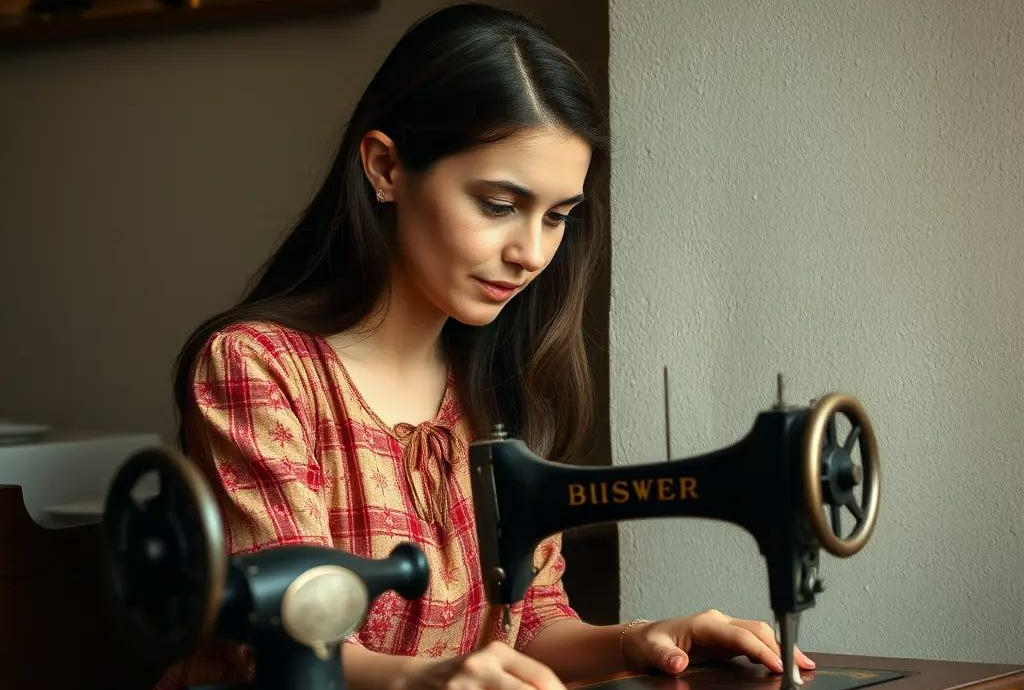
— Мені не байдуже, але я не братиму участі в твоїх інтригах, — відповів Кирило Костянтинович, виходячи.
— Мамо, чому ти так говориш про Таню? — Іван спробував захистити наречену.
— А як інакше? Вона швачка, а ти спадкоємець виноробної компанії. Подумай, сину. Ви з різних світів.
— Ми кохаємо одне одного, мамо!
Валентина холодно посміхнулася:
— Кохання, кажеш? Добре. Скоро зрозумієш.
Наступного дня Валентина Юріївна, не приховуючи своїх намірів, запросила Таню на святкування свого дня народження в один із найрозкішніших ресторанів міста. Таня, чудово розуміючи, що мета — її принизити, прийняла виклик.
Коли клієнтка та близька подруга Тані, Анастасія Кондратьєвна, дізналася про ситуацію, вона негайно запропонувала свою допомогу.
— Таню, не хвилюйся. Ми всім покажемо, яка ти неймовірна.
Завдяки допомозі Анастасії Таня опанувала основи етикету і обрала елегантну сукню та аксесуари.
На святі Валентина Юріївна чекала свого тріумфу. Вона була впевнена, що Таня не впорається. Але коли наречена Івана зайшла до ресторану, всі погляди звернулися до неї. В індиговій сукні, з бездоганною зачіскою і впевненою усмішкою, Таня виглядала приголомшливо.
Гості були вражені.
— Іване, впізнаєш мене? — запитала Таня з легкою іронією, наближаючись до нареченого.
— Звісно… Ти виглядаєш чудово!
Протягом усього вечора Таня зберігала гідність, відповідала на складні запитання і навіть демонструвала чудові манери. Проте під час танцю вона почула, як хтось шепоче:
— Валентина казала, що майбутня невістка — провінційна швачка. А насправді це вражаюча жінка!
Це стало останньою краплею.
На вулиці Іван наздогнав Таню.
— Таню, чому ти пішла? Все ж було добре!
— Справді? Ти знав, що твоя мати хоче мене принизити, і просто стояв осторонь! А тепер я маю жити серед цих людей? Ні, Іване, прощавай.
Таня пішла, але за кілька хвилин біля неї зупинилася машина.
— Таню, вас підвезти? — Це був Костя, асистент Анастасії.
— Із задоволенням! Але спочатку заїдемо за шаурмою, — усміхнулася вона.
З того вечора Таня й Костя стали нерозлучними. А запрошення на день народження стало її квитком у нове щасливе життя.

Також цікаво:
Recently, I Met a Woman Walking Down the Street with Her Eighteen-Month-Old Daughter, Oblivious to Everything Around Her
Recently, I bumped into a woman I know, out for a walk with her one-and-a-half-year-old daughter, blissfully oblivious to everything...
I Came to Visit Because I Missed You, But My Own Children Felt Like Strangers: A British Mother’s Unexpected Reunion with Her Adult Daughters
I popped round because I missed you, but children are practically strangers Parents are always worrying about their children. Sometimes,...
Changed His Mind About Getting Married Archibald spent countless late nights in the university lab, endlessly transferring mysterious liquids from vial to vial, always deep in his research on rare botanical powders. He was convinced that his painstaking work would soon yield something revolutionary—his ‘product’ extracted from the roots of an unusual plant. The forty-year-old scientist’s single-minded enthusiasm blinded him to the longing glances of young Sophie, the new cleaner in the institute. Driven by dreams of a breakthrough, Archibald barely noticed Sophie lingering in his office, mop in hand, watching him intently. One evening, Sophie plucked up her courage and said, “Professor Glebson, you’ve been glued to that chair since morning. How about some tea? I’ve a kettle, purely by chance, and some homemade sausages.” At the mention of sausages, Archibald finally tore himself away from his glassware. Sophie’s face lit up as she fetched her electric kettle and a container of succulent homemade treats. “Mum sent me fresh mince from the countryside. I made sausages with plenty of fat—baked them myself!” she said, setting the food on the desk. While the kettle boiled, Archibald scrutinized the plastic container. “How long has this been in your rucksack?” he asked. Sophie fidgeted. “Since this morning, I suppose. Why?” “And the lid? It was as tight as it is now?” “Yes… is it spoiled already? It’s cold in the locker room, the heating’s not even on yet.” Archibald hesitated. “Well then, let’s just have the tea, shall we? Perhaps you should take the sausages home.” Sophie indignantly snatched back the container. But before she could say more, Archibald stopped her: “Please don’t open that!” he pleaded, retreating and shielding his nose with a handkerchief. Sophie popped the lid, sniffed, and declared, “Smells perfectly fine. Oh, you city folk! If you don’t want to try it, I’ll have it myself.” She plonked the container on the table and poured the tea. As the hot drink warmed him, the aroma of sausage tempted Archibald. “Beef?” “Uh-huh,” Sophie replied, chewing happily. “Smells good… Looks good…” He tried to reason with himself about food safety but couldn’t resist. Finally, he caved: “Delicious… Who made these?” Sophie beamed. “I did!” Her joy infectious, Archibald ate with relish. They talked, and he learned Sophie had just turned twenty-three—much too young, really, but they stayed chatting at the bus stop in the evening chill. Sophie promised to bake biscuits for him the next day (carrot or cottage cheese, his pick). Despite himself, Archibald felt a foolish anticipation. That night, he even dreamed of Sophie—far more intimately than his rational mind would admit. “I’ve gone forty years without being distracted by women, and now this,” he chastised himself upon waking. Part 2 Meeting Sophie’s family filled Archibald with dread. As the taxi bumped along rural roads, he smoothed his thinning hair, anxious about first impressions. The previous evening, Sophie had lovingly plucked out his grey hairs as his head lay in her lap. He arrived at a shabby cottage—something out of a Dickens novel, crooked roof, patched door, wonky floors, homemade rugs. Inside, Sophie’s mother eyed him coldly. “How old are you?” “Forty…” he stammered. “My girl is twenty-three! You could be her father!” Desperate, Archibald protested his honourable intentions. “I love Sophie. I have a job, a flat in London, a country house… I can even teach her to drive, if that matters—” “No car? So you just want a servant-girl, is that it?” the mother interrupted. “That’s not it at all!” Archibald pleaded. “I want to marry her! Properly, in church, with children…” The stepfather appeared, young, handsome, and quietly amused. “Good evening. Heard a lot about you,” he said with a grin that only made Archibald feel worse. Sophie’s mum snapped, “I won’t let you turn my daughter into some housekeeper!” Tempers flared; a full-blown English family row erupted, with accusations, shouting, and even a flying stool. Archibald made for the door, only to discover that rural winters can be as unwelcoming as in literature: icy shoes, numbed feet, no signal for calling a taxi—and a powerful sense of regret. “I should have stayed in my nice warm laboratory,” he thought, stomping around. Eventually, Sophie found him outdoors, desperate and freezing. Her mother, now regal in fur-lined boots and dressing gown, intoned: “Since you spurn me, daughter, you are his responsibility now.” When the situation became dire—Archibald all but collapsed, suffering an anxiety-fuelled spike in blood pressure—the local nurse was fetched. As he came to on the sofa, Sophie’s mother finally relented, but by then Archibald knew: he’d had quite enough of marriage. If he survived, he promised himself, he’d go nowhere near women ever again. Back in London, Archibald returned to lab life, declining tea and cake with colleagues, recoiling from sociability in general. At home, after Sophie lovingly cooked supper, he awkwardly reimbursed her for groceries and gently ushered her out for the night. Alone at last, spooning his soup in silence, Archibald concluded that bachelorhood—and work—would do just fine. Changed His Mind About Getting Married: A Middle-Aged English Scientist’s Disastrous Family Encounter, Village Drama, and the Perils of Homemade Sausage
Changed His Mind About Marriage Arthur often stayed late in his laboratory, endlessly transferring liquids from one test tube to...
Make Room, We’re Planning to Stay Here for About Ten Years: When My Husband’s Aunt Decided My London Flat Should Be Her Daughter’s for University— An Outrageous Family Drama with Uninvited Guests, Entitled Relatives, and the Battle over My Grandmother’s Hard-Earned Home
Make some room, well be living here for about a decade My mother-in-law paused for a bit, then suddenly spoke...
A Child for a Friend When Lily was in the final months of her pregnancy, her younger brother left home, her father turned to drink, and from then on, Lily’s life became a living hell. Each morning, Lily aired out the house, cleared the empty bottles from under the table, and waited for her father to wake up. “Dad, you know you can’t drink. You’ve barely recovered from that stroke.” “I’ll drink if I want. Who’s going to stop me? It’s easier to bear the pain this way.” “What pain?” “The pain of knowing I’m not needed. Not even by you. I’m nothing but a burden. I’m a lost soul, Lily. Should never have been born, never should’ve married or fathered children who got nothing from me but weakness and poverty. It’s all for nothing, love. Drinking is simpler.” Lily, already in a foul mood, bristled. “Nothing’s for nothing, Dad. People have it worse, you know.” “How could it be worse, love? You grew up with no mother. Now you want to bring a poor babe into the world with no father, and more poverty awaits.” “Things aren’t as bleak as all that, Dad. Life’s changeable. Everything can turn around in a moment.” She remembered, with a pang, how she was happy once, preparing to marry Ilya. Yes, her world had fallen apart, but life had to go on. That day, her father got drunk again. Lily shouted from the heart: “Did you drink away the money I set aside? How did you find it? You tore the house apart and rummaged through my things, didn’t you?!” “Everything in this house belongs to me,” her father decreed, “including the pension you’re hiding! My pension.” “And you drank it all? Didn’t give a thought to how we’d live?” “Why should I? I’m sick. You’re grown now, your turn to look after me!” Lily searched all the cupboards. “I know there were two packs of pasta and some butter left yesterday. Now it’s all gone! What are we supposed to eat for dinner?” She sat on a chair and buried her face in her hands, devastated. How was Lily to know that Auntie Natasha had taken to plying her father with drink and robbing the house behind her back? Like a silent viper, Natasha had wormed her way in and set herself to destroying their family. That night, Lily cried herself to sleep, worn down and aching with hunger. In the morning, someone knocked at the door. In walked Natasha Anatolievna, dressed in a fashionable coat and high-heeled boots, not bothering to take them off as she waltzed in. “Hello. My friend in the council told me you’re in debt and they’ll be cutting your power for non-payment soon. What’s going on, Lily? Will you make me a cup of tea?” Without waiting for an answer, Natasha went to the kitchen and began rummaging through cupboards and the fridge. “I’ll make the tea myself—after all, you’re pregnant just like my Sveta… Listen, you don’t even have any sugar or tea left. There’s nothing here at all. Let’s go to the shop.” Lily wouldn’t meet her guest’s gaze. “Auntie Natasha, I can’t offer you tea. It would be best if you left.” But Natasha was having none of it. “You’ve got problems, I can see it. Remember I offered to have you move in with me? This time I’m not asking, I insist. Come to mine. There’s no place here for a baby, your dad’s drinking, and you’ve got nothing to eat—let alone vitamins and fruit! Pack your things and come now.” Lily sat on the stool, dizzy with it all, tears streaming down her cheeks. Natasha hugged her. “Listen, love, I know how you feel about me. I’ll never be forgiven—my daughter stole your fiancé—but I can’t stand to see you suffer. Whether you want it or not, I’ll take care of you.” After that, it all happened as if in a dream: Natasha helped Lily pack, called a taxi, and took her home. *** When Lily’s contractions began, Natasha Anatolievna stayed glued to her side. “Listen carefully, Lily. I’ve already told the hospital staff you want to give up the baby. So after the birth, don’t hold her or feed her. Don’t even look.” Lily, writhing in pain, replied, “Oh, Auntie Natasha, I don’t care. Just let this be over.” “Remember what I said—you can’t look after this baby yourself. I’ve found a nice couple willing to adopt her straight away.” A few hours later, a baby girl was born. “Three kilos, three hundred grams. She’s healthy and fine.” The nurse wrapped the squirming infant and whisked her away without showing Lily. But the paediatrician shot a stern look at the new mother. “What’s this? You have a healthy, beautiful baby girl and don’t even want to see her? Elena, bring her back—put her to the mother’s breast.” Lily shook her head desperately. “I don’t want her. I can’t even feed myself—there are people who need her more, I’ll sign the papers. Let her be adopted…” “Don’t be ridiculous—just look at her once!” Lily shut her eyes tight, but soon felt something soft and tender brush her hand. The nurse laid the newborn beside her. The tiny girl grunted, searching and gaping her mouth. At last, Lily looked at her daughter. The small, helpless baby gazed up, squinting curiously and reaching out her tiny hands. “There you go, Mum, feed your little one,” the paediatrician smiled. She perked up, seeing Lily overcome by the power of that first meeting. “She needs you—not adoptive parents, understand?” Lily broke down in tears, cradling her child and nodding. For the next two hours, Lily couldn’t take her eyes off her daughter. That was when her mother’s instinct awoke. “There it is—the meaning of my life: my daughter. Doesn’t matter if Ilya’s gone or Dad’s lost his way…my daughter needs me, so I’m staying with her.” *** Lily woke to Natasha’s voice. Natasha Anatolievna, wrapped in a dressing gown, had entered the ward and stood over Lily’s bed. “Did you forget our agreement?” she whispered. “You promised to give up the baby. I’ve got people ready to take her right now.” “Natasha Anatolievna, I’ve changed my mind. I’m not giving her up.” “But you haven’t got a penny—you’re practically homeless! Where will you take that child?” “Home. I won’t trouble you anymore. I’ll manage.” Lily watched her visitor’s face twist into something devilish. “Have you gone mad? You haven’t got a penny to your name! What are you going to do—beg on the street?” The baby, woken by Natasha’s outburst, started to cry. Lily moved to comfort her. “Don’t touch! I’ll rock her and give her a bottle. Just tell the nurses you haven’t any milk,” Natasha snapped. Lily shook her head. “This isn’t your business—it’s my daughter. I told you, I’ve changed my mind!” “You can’t! You promised!” Natasha sputtered uselessly. “Just go.” Natasha left. Lily’s neighbour, quiet until then, raised her head. “Who was that?” “My aunt.” “Horrible. You did the right thing sending her away. I’m Lera. If you need help, let me know—there’s goodness in this world yet.” “I’m Lily.” “Nice to meet you, Lily. That woman looked like she wanted to snatch your baby and run off. Really strange.” *** Before discharge, Lily had another visitor. She wasn’t allowed onto the ward, so Lily met her in the corridor. Her former friend Sveta was waiting, hands over her very round belly. “Hello.” Lily sat cautiously on a bench. Sveta joined her. “I heard you had the baby.” “Yes. A girl.” Sveta’s eyes darted. “Lily, mum found a couple wanting to adopt your baby, you know.” “So?” “They’re really good people—wealthy, desperate for a baby.” Sveta grabbed Lily’s hand. “They’re offering a million—for your daughter! Just think—you could buy a flat or pay for university!” “A million, huh?” Lily nodded. “If you care so much, why not sell them your child instead?” Sveta’s lips tightened, but she didn’t let go. “Wait, Lily. Give your baby to me! I’ll look after her—she’s Ilya’s daughter, after all.” “You want to raise two children?” “You don’t understand, Lily! My family is falling apart!” Lily leapt up and turned to go, Sveta clinging to her sleeve, her gaze wild. “I need that child, Lily!” “Let go.” …A couple hours later, Ilya himself burst into the ward. Lily shrank back. “You’ve had the baby? Can I see her?” “No, you can’t! You’ll soon have a baby with Sveta—go hang around her.” “We need to talk, Lily. Since you gave birth, I can’t rest. I want to take my daughter—just give her up, and I promise I’ll adopt her myself.” Lily shook her head. “I’m not like you—I’ll never abandon someone who needs me. You wasted your journey, you’re not taking my daughter!” But Ilya remained oddly persistent, refusing to leave. “Give me the baby! You had no right to have her without me! She’s mine and I’m taking what’s mine!” “You? Mummy’s boy? Ask your mother first for permission!” She shoved her ex aside, scooped up her daughter, and went to the nurses’ station. “Could you make sure no one visits me anymore? I don’t want to see anyone—honestly, it’s like Grand Central Station!” Epilogue On the day she was discharged, Lily left the hospital clutching her baby daughter. She wasn’t alone—her roommate Lera was also going home, greeted by her husband and mother. Lily paused on the steps, seeing the Resnikovs’ car. Out of the vehicle came Ilya’s mother, Valerie Jacqueline, craning her neck and peering at Lily. A chill ran down her spine. Her would-be mother-in-law eyed her like a wolf sizing up prey. Lera spotted her friend’s face and stepped up. “Who’s that, Lily?” “Ilya’s parents.” “She’s watching you, lying in wait. It’s weird how they’re all circling you—something’s not right here. I told you Mum set up a room for you at ours—come with us.” Lily nodded. She felt unease as well. *** Living with her new friends, Lily found unexpected happiness—Lera’s cousin Ivan, a lifelong bachelor, began courting her. Ivan turned out to be a kind and good man, marrying Lily, adopting her daughter, and even helping her father-in-law. As for Sveta and Ilya, their marriage fell apart. It turned out Sveta had faked her pregnancy, wearing a fake belly and fooling the whole Resnikov clan. Natasha Anatolievna, keen to protect her daughter, confessed to her son-in-law that Sveta had miscarried early, but suggested a solution. “Ilya, don’t be angry at my girl—true, she lost the baby, but you’ve not been perfect either. You’ll soon have a child elsewhere. Why not take Lily’s baby as your own? She’s your flesh and blood, after all. We just pretend nothing’s happened, tell everyone Sveta’s still pregnant, and when Lily gives birth, take the baby and say it’s Sveta’s.” Ilya liked the plan. And everything would have worked, if only Lily hadn’t “kicked up a fuss,” refusing to leave her baby girl behind at the hospital and sending her old friend and her mother back to square one. Ilya’s mother, Valerie Jacqueline, disappointed by her daughter-in-law’s deception, kicked Sveta out and demanded her son divorce. A Child for a Friend—A Story of Betrayal, Motherhood, and Unbreakable Bonds
A Child for a Friend As Emily neared the final months of her pregnancy, her younger brother left home, and...
We’re Moving Into Your Flat — Polly’s got a brilliant flat in the city centre. Freshly renovated—can’t ask for more! — It’s a lovely place for a single woman, — Rustam smiled patronisingly at Inna, as if she were a child. — But we’re planning to have two—maybe even three kids, one after another. It’s noisy downtown—not enough air, no parking. And most importantly, there are only two rooms. Here? You’ve got three. Quiet street, nursery right outside. — The neighbourhood is really good, — agreed Sergei, still unsure where his future son-in-law was leading. — That’s why we chose to settle here. — Exactly! — Rustam snapped his fingers. — I keep telling Polly: why should we cram ourselves in, when there’s a perfect solution? There’s three of you—including your daughter—and honestly, this place is far too big. What do you need all this space for? You don’t even use one of your rooms; it’s just storage. It’d suit us perfectly. Inna tried to squeeze the vacuum cleaner into the tiny hallway cupboard… * * * After five years of peaceful family life and a fair inheritance split—Sergei got his gran’s spacious three-bed in a quiet part of town, his sister Polly got a two-bed in the central “Golden Triangle”—Olya and her fiancé Rustam arrive with big news: They’re getting married and have come up with a “fair” proposal: “We’re moving in here, and you can go live in Polly’s flat.” What follows is a tense family standoff, as Rustam insists they swap homes for his future family’s “perspective,” dismissing Inna’s work from home and the couple’s daughter’s routines. Loyalty, inheritance, entitlement, and family bonds are all thrown into the mix as battle lines are drawn—and even Polly starts doubting where her loyalties should lie. We’re Moving Into Your Flat: When Family Drops By With an Unbelievable Proposition and One Pushy Fiancé Tries to Swap Your Life Out From Under You
Were Moving Into Your Flat Emilys got a fantastic flat right in central London. Its practically spotlessmove in and start...
It Doesn’t Seem Fair That Your Children Have Their Own Flats, While My Son Has Nothing – Let’s Get Him a Home with a Mortgage! Recently, my husband Anthony pointed out that my children have their own flats, while his son doesn’t, and now we need to figure out how to make sure his son gets one too. To clarify, my children are both mine and Anthony’s, while Anthony’s son is from his first marriage. Why should it be my responsibility to worry about finding a place for his son to live? Of course, I always knew Anthony had been married before and had a child. That’s one reason I didn’t rush into marrying Anthony. We lived together for three years before we got married. I watched carefully to see what his feelings were towards his ex-wife and his son. A year after we married, I had a boy. Two years later, I gave birth to our second son. I’m perfectly happy with Anthony – both as a husband and a father. He spends time with me and the children. He’s the main breadwinner. Of course, we argue sometimes – but what family doesn’t? We were living in the flat I’d inherited from my father. My mother divorced him when I was still at nursery. She’s now remarried, but had no children with her second husband. Anthony and his first wife always rented. For years they tried to save for a mortgage but never managed it. After their divorce, his ex-wife moved back in with her parents and Anthony rented a flat. When we married, he moved in with me. We didn’t focus on whose name was on the flat. We just lived in my place and did everything together: renovations, new furniture. Then, about a year and a half ago, both my grandmothers died in quick succession – my mum’s and my dad’s mothers. Both left me their flats in their wills. While my boys are still small, I’ve decided to rent the flats out. Later, each of my sons will inherit one. For now, the money from one goes to my mum as a pension top-up, and the money from the other supplements my salary. Extra cash is always handy. My husband never interfered with the flat situations – after all, they’re nothing to do with him. I told him from the start that when our boys grow up, I’ll give each a flat. He agreed. That was that, as far as I was concerned. Then suddenly, my husband said to me: —My son will finish sixth form in a few years. He’s nearly an adult; he needs to start thinking about his future! I didn’t really get where he was going, but I listened anyway. —Your children have their own homes. My son doesn’t. Let’s get a mortgage and buy my son a flat!—he blurted out. I was shocked! I had so many questions. The first thing I asked was why our children – mine and Anthony’s – were suddenly just “my” children? Anthony told me not to get hung up on wording. —But my son will never inherit anything. I want him to have a place of his own! —That’s good that you care! But your son has a mother and a father. Isn’t this their responsibility? Why isn’t your ex-wife taking care of it? My husband explained that his ex-wife’s income is very low, her parents help her, and he himself can’t afford a mortgage. But if I helped, everything would be fine. It turns out I’m supposed to agree to Anthony taking out a mortgage for his son’s flat, but WE would pay it back, even though the flat would be in his son’s name. “We both have good salaries and rental income! We’ll manage!” said Anthony. We might, but we’d have to tighten our belts. Anthony also pays child maintenance for his son. When the boy goes to uni, Anthony plans to support him again because his ex-wife can’t afford it. So because of his son, my children and I won’t have holidays, won’t travel to the seaside, will always have to save. For what? Just so Anthony looks like the perfect dad? I would understand if Anthony had provided both our children with flats, and now wanted to do the same for his eldest son. But the truth is, I secured homes for our boys with no help from Anthony. Why should I pay for a mortgage on top? I told Anthony straight away – if he’s that worried, let his ex-wife take out the mortgage, and pay it off with the child maintenance money. —But I’m not getting involved!—I said. My husband’s furious with me and hasn’t spoken to me for a week. It’s a shame he can’t see my side.
It doesn’t look right that your children will have their own flats and my son wont. Let’s sort out a...
He Set His Sights on Another Man’s Wife Living together, Dudley revealed himself to be weak-willed and spineless. Each day depended on the mood with which he woke. Occasionally, he’d be cheerful and bright, cracking jokes all day and laughing loudly. But mostly, he spent his days in gloomy contemplation, drinking copious amounts of tea and wandering around the house with a stormy face, as was typical for people in the creative professions. Victor Dudley belonged to that sort: he worked at the village school, teaching art, woodwork, and, occasionally, music lessons when the music teacher was off sick. He had an affinity for the arts. School didn’t let him fulfil his creative ambitions, so the house became his canvas—Victor made himself a studio, taking over the largest and brightest room. Which, as it happened, Sophie had earmarked as a future nursery. But the house belonged to Victor, so Sophie didn’t object. Dudley filled the room with easels, scattered paint tubes and clay everywhere, and set to work—painting feverishly, sculpting, creating… He could stay up all night working on a strange still life, or spend the entire weekend crafting a puzzling sculpture. He never sold his “masterpieces.” They filled the house, the walls thick with paintings that—truth be told—Sophie didn’t like; the cupboards and shelves buckled under the weight of his clay figurines. If the things had been truly beautiful, it might have been different—but they weren’t. The few artist and sculptor friends from Victor’s college days who visited would fall silent, avert their eyes, and sigh quietly as they looked at his creations. Not one ever complimented him. Only Leo Peabody—the oldest in the group—burst out, after finishing a bottle of rowanberry liqueur: “My word, what a load of meaningless daubs! What is all this? I haven’t seen a single worthwhile thing in this house—except, of course, your wonderful wife.” Dudley couldn’t stand the criticism. He shouted, stamped his feet, and told his wife to show the rude guest the door. “Get out!” he yelled. “You philistine! It’s you who knows nothing about art, not me! Ah, I see it now! You’re just angry that you can’t hold a paintbrush in your shaky drunk hands! You simply envy me, so you belittle everything!” Peabody barely made it down the steps, and paused at the gate, almost tripping, when Sophie caught up and apologised for her husband’s behaviour. “Please don’t mind him. You shouldn’t have criticised his work, but I should have warned you.” “Don’t make excuses for him, dear child,” nodded Leo. “Don’t worry, I’ll call a cab and head home. I do pity you, though. You’ve got such a beautiful house, but Victor’s dreadful paintings ruin everything! And those horrid figurines… they should be hidden, not shown off. But knowing Victor, I can only imagine how difficult your life must be. You see, for us artists, the things we create reflect our souls. And Victor’s soul is as empty as his canvases.” He kissed Sophie’s hand in farewell and left the unwelcoming house. Victor did not recover emotionally for a long time—he yelled, smashed some of his own “sculptures,” tore up paintings, and raged for a month before he calmed down. *** Still, Sophie never opposed her husband. She decided that, in time, children would arrive and her darling would set aside his hobbies. He’d turn the studio into a nursery, but until then, let him amuse himself with still lifes. Shortly after their wedding, Victor played the part of the model husband—bringing home fresh fruit and his wages, caring for his young wife. But he soon lost interest. He became distant, stopped sharing his pay, and Sophie had to take care of the home, her husband, the vegetable patch, the henhouse, and her mother-in-law. When Sophie became pregnant, Victor was delighted. But their joy was short-lived: a week later, Sophie fell ill, was hospitalised, and suffered a miscarriage. When Victor heard the news, he changed immediately—becoming whiny, nervous, and shouting at Sophie before locking himself in the house. Sophie left the hospital a shadow of herself. No one met her, but the worst was yet to come: Victor wouldn’t let her in. “Open up, Victor!” “No, I won’t,” he sniffled from behind the door. “Why did you come back? You were supposed to carry my child. But you failed! And today my mother ended up in hospital with a heart attack—because of you!” You’ve brought nothing but trouble. Get off the doorstep—I don’t want to live with you anymore.” Sophie’s vision went black and she sat down on the porch. “Oh Victor… I’m suffering too, let me in!” He didn’t respond, and Sophie waited until nightfall. Finally, the door creaked open. Victor, thin with grief, locked the door with a bolt, but couldn’t find the key—he never knew where anything was, usually asked Sophie. He mulled it over, then left for the gate, not looking at his wife. When he was gone, Sophie entered quietly. She waited for him all night. The next morning, a neighbour brought dreadful news: her mother-in-law hadn’t survived the heart attack. The loss devastated Victor. He quit his job, took to bed and told Sophie, “I never really loved you. I only married you because my mother wanted grandchildren. But you ruined everything. I’ll never forgive you for that.” Those words hurt, but Sophie resolved not to leave him. Time passed, but things did not improve. Victor became bedridden, refusing food, claiming he had an ulcer, until finally he stopped getting up at all. And then he filed for divorce; the Dudleys separated. Sophie wept bitterly. She tried to hug Victor, to kiss him, but he pushed her away, whispering that he’d throw her out as soon as he recovered—that she’d ruined his life. *** Sophie couldn’t leave because she had nowhere to go. Her own mother, delighted to have married her daughter off early, quickly moved to the seaside to live with her new husband—after hastily selling the family home. So Sophie was left trapped by circumstance. *** Eventually, the food ran out. She scraped together the last bits, boiled a final egg from the only surviving hen, and fed Victor watery porridge and mashed yolk. Life had dealt her a cruel hand—she might have been feeding a child by now (had she not been hauling water and logs on her own), but instead had to please her ex-husband, who didn’t value her at all. “I’ll pop out for a bit—the market’s in town from the next village. I’ll try to sell the hen, or trade her for food.” Victor, staring emptily at the ceiling, croaked: “Why sell her? Boil her up for broth. I’m sick of porridge, I want a proper meal.” Sophie pulled at her only dress—it was the one she’d worn for graduation, then at her wedding, and now on hot days: she had nothing else. “You know I can’t… I’ll sell or trade. I could give her to the neighbours, like the others, but I think this hen would keep coming back. She’s too attached.” “‘Penny’—” Victor sneered, “you name your hens now? For goodness’ sake… but what can one expect of you…” Sophie bit her lip and looked down. “You said you’re going to market? Take some of my paintings or figurines—maybe someone will buy them.” She tried to refuse, but Victor insisted. She grabbed two whistling clay birds and a large piggy bank—Victor’s pride—and bolted outside, hoping he wouldn’t demand she lug out the paintings as well. Statues she could rustle up the courage to offer; the paintings, never. They were just too awful. She was too ashamed to take them out in public. *** It was a hot day. Despite the light dress, Sophie was slick with sweat. Her face shone, her fringe stuck to her forehead. It was the village fête. Sophie couldn’t remember when she last went out, gazing in wonder at the bustling crowds around the stalls. There was honey of every kind, colourful silk scarves, children’s sweets, the irresistible aroma of barbecue, music, laughter. She stopped by the last stall, holding her hen close. She hated to part with the old bird, but she truly loved her. Years ago, she’d nursed this hen back to health, and Penny had become a beloved pet, always limping after Sophie. Now, she tried to poke her beak out from Sophie’s bag, pecking at her hand curiously. *** An elderly stallholder eyed her. “Fancy some jewellery, love? Stainless steel, silver, even a few gold chains.” “No, thanks. I’m here to sell a live hen, an excellent layer,” Sophie replied politely. “A hen… what would I do with it…” Then a young man at the stall piped up: “Let’s have a look at your hen.” Sophie carefully handed him the bird. “She limps a bit, but she’s a fine layer.” “How much? So cheap—what’s the catch?” Sophie flushed under his steady look, feeling sweat prickle anew. “She’s just lame, nothing else.” “Alright, I’ll buy her. And those?” He gestured at her clay figures. “Oh, these… figurines. Whistles and a piggy bank.” He laughed at the pig. “Handmade, eh?” “Yes, very much so. I’ll sell them cheap—I really need the money.” “I’ll take the lot. I love unusual things.” The jewellery seller rolled her eyes: “What do you need all that for, Dennis? Off to play with toys now? Your brother could use your help on the barbecue stand.” Sophie backed away, startled: “You—work on the barbecue stand? Then I can’t sell you the hen!” She tried to snatch Penny back, but Dennis dodged and laughed. “Take your money back, please! Penny isn’t for barbecue—she’s not a meat bird!” “I know. She’ll go to my mum—she keeps chickens. And of course you can visit Penny any time.” … Sophie was almost home when Dennis pulled up in a car. “Excuse me, miss—have you any more clay figurines? I’d like to buy them for gifts and such.” Squinting against the sun, Sophie smiled: “You’re in luck! There are plenty more back home.” *** Back home, Dudley lay groaning at voices in the hall. “Who’s there, Sophie? Bring me some water, I’m thirsty.” The visitor glanced at bedridden Victor and turned away, looking at the paintings. “Incredible,” he murmured. “Who painted this—was it you?” he asked Sophie as she walked past with a glass of water. “I did!” Victor leapt from the bed. “And I didn’t just paint! Children paint with chalk on the pavement—I *compose*!” He sat up, watching the stranger. “What do you care about my paintings?” he demanded. “I like them. I’d like to buy one. And these sculptures—yours as well?” “Of course!” Victor cried, shoving Sophie aside. “Everything here is mine!” He jumped up, limped about, showing off canvases and figurines—all the while, Dennis glanced at Sophie, noting the blush in her cheeks, her shy glance. Epilogue Sophie was surprised by her ex-husband’s “miraculous recovery.” As it turned out, Dudley had never been ill! As soon as someone paid attention to his “art,” he was a new man. The mysterious visitor—Dennis—came every day, buying painting after painting. When the canvases ran out, he bought up all the figurines. Victor, thrilled, shut himself in the studio to make more. He never realised that Dennis was interested not in the “art,” but in the ex-wife. Each day, Dennis left with another “masterpiece,” then waited at the gate to chat with Sophie. Something blossomed. And soon enough, Dennis walked away from that house with just what he’d wanted—Dudley’s ex-wife. And that was why he’d come at all. Back home, Dennis tossed Victor’s paintings in the fire and bagged up the clay “grotesques,” unsure what to do with them. But he remembered Sophie’s lovely face. He’d noticed her at the fair in that light dress, from the moment she appeared—and he’d known instantly she was his fate. He’d learned of her miserable life with a madcap fool who fancied himself an artist—but nowhere to go. So Dennis visited daily, snapping up “art,” just to see her. In time, Sophie understood everything. Dudley never saw it coming. Dennis vanished once Sophie left with him; Dudley heard they’d married and he was left feeling utterly bitter at being so easily deceived. After all, finding a good wife is no easy thing—and Sophie was just that. It took time for him to realise he’d lost the most precious thing in his life: a caring, loyal wife. He’d never find another one like her—Sophie had not only endured him, but pitied him, cared for him almost like a mother. And what a woman she was! And like a fool, he’d let her slip away. Dudley considered wallowing in self-pity—but then realised: there was no one left to feed him eggs, or bring him water. No one to take over the house and garden…
Coveting Another Mans Wife Living together, Victor Dudley revealed himself to be a man of weak character and little willpower....
