
З життя
My dreams of becoming a famous singer were shattered by my parents, who saw it as nothing more than a frivolous pastime. Yet, they failed to grasp one crucial thing.

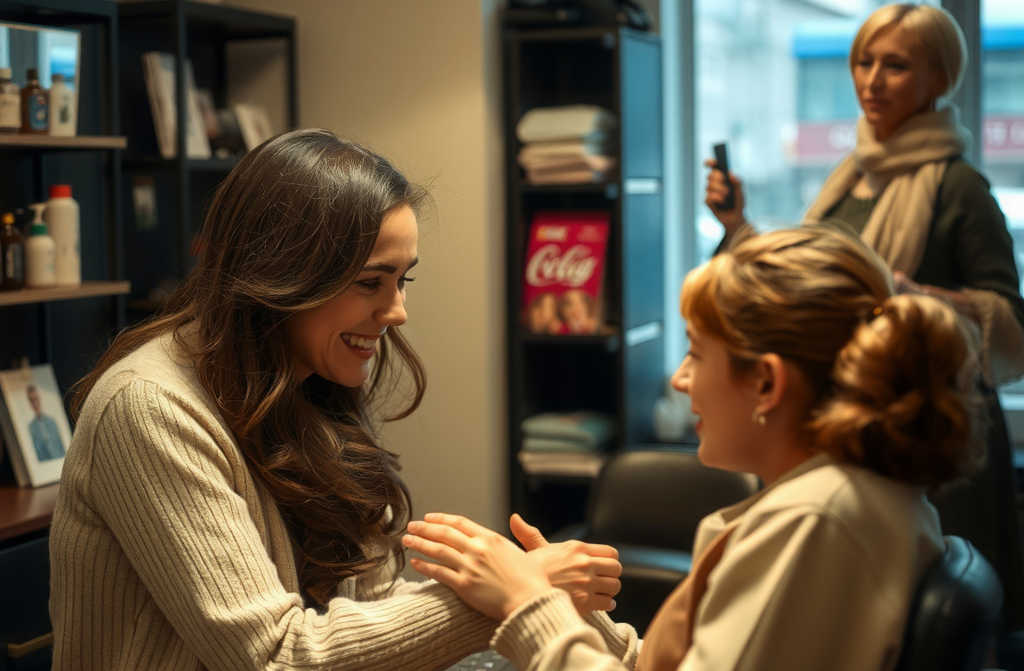
As the hairdresser worked her magic with the brush and scissors, I sat in her salon chair beneath the glow of the lights, a sense of worry clinging to me. The conversation, simple at first, soon weighed heavily on my mind. For months, Id asked myself whether I should send my daughter to a music school. Two doubts plagued me: the need to purchase a piano, which would cost a fair bit in pounds, and the burden Id beardriving her to lessons, giving time and guidance. Yet, my little girl had dreams of playing music that seemed to overflow from her heart.
The hairdresser, sensing my indecision, leaned closer and began to share her own story. I grew up in a tiny English town, she said, her voice rich with memories. Since I can remember, singing was my greatest joy. Id seize any moment to practisebe it in local choirs, village clubs, or after-school groups. Even with the school music teachers, Id sing until someone took notice. I poured myself into music and learned to play the piano, all the while feeling deep down that music was my calling. Whenever I performed, people would comment on my talent.
But the opportunities in her town were few and far between. One day, when she was just nine and still a pupil at primary school, a group visited her class. They asked the children to clap along to the rhythm, then selected a handful, herself included, to sing. Three of them were invited into the assembly hall, where they took turns at the instrumentplaying melodies presented to them, guessing notes, clapping along. Months passed, and the memory faded. Then, one morning, her mother discovered a letter in their postbox, stamped boldly in red: APPLICATION. The young girl was the only pupil in her school to be accepted into the prestigious music academy in London.
The school handled every expense, not asking for a penny in payment. Yet, the move to London was fiercely opposed by her parents. Her mother and father, both factory workers, took pride in the stability and respectability of their jobs. The idea of a musical career unsettled them. They urged her to abandon wild dreams and choose something steady. For a whole year, invitations from the academy arrived every couple of months, but then, suddenly, they stopped. In that moment, she realised something inside her had broken; her longing to sing melted away, the idea of school lost all charm.
Still, a glimmer of hope appeared when she turned fourteen. The leader and composer of a local band announced they needed a young female singer. Despite many candidates, she was chosen. Excitement surged through her; she felt her wings unfurlthe talent hadnt vanished after all! But after only two or three rehearsals, her parents discovered what was happening and forbade her from associating with the group, citing worry about the musicians intentions. That marked the end of her musical search.
From there, she stopped studying, joined a lively gang of friends, and fell into the habits of smoking and drinkingthings she believed were commonplace in her town. Most around her seemed to follow suit. She barely finished her GCSEs when she found herself admitted to college, but her life continued on a downward spiral. To this day, every one of those invitations remains tucked away in her mothers memory album. Her mum often lifts them out, reads through each one, then carefully places them back, holding onto a bittersweet reminder of what could have been.



My parents scolded me and demanded that I steal food from cafés to bring home, insisting I must feed the family and not be a gullible fool.
Today, I found myself reflecting on the years that shaped me. Being the eldest in our sprawling family in Manchester,...


I Adopted a Little Girl, and at Her Wedding 23 Years Later, a Stranger Told Me: “You Have No Idea What Your Daughter Has Been Hiding from You”
I adopted a little girl, and at her wedding 23 years later, a stranger said to me, You have no...


As She Left the Hospital, Alena Bumped into a Man at the Door
As I left St. Marys Hospital, I ran into a man at the front door. Sorry, he muttered, lingering on...


My dreams of becoming a famous singer were shattered by my parents, who saw it as nothing more than a frivolous pastime. Yet, they failed to grasp one crucial thing.
As the hairdresser worked her magic with the brush and scissors, I sat in her salon chair beneath the glow...
They separated me from my younger sister. When I looked back, the only thing I had left was an old, rusted storage shed my grandfather had left to me.
They split me from my little sister. When I looked back, all I had left was an old, rusty warehouse...
Alexander Perched on the Edge of the Sofa, As If the Floor Beneath Him Had Suddenly Given Way
Alexander perched on the edge of the sofa, as if the ground beneath him had quietly melted away and left...


After Dropping His Mistress Off, Butchin Gave Her a Tender Farewell Before Heading Home
After dropping his mistress off, Michael Buchanan says a fond, tender goodbye and drives home. Outside his flat, he pauses...


Blind dog undergoes surgery and sees his loved ones for the very first time
The moment Toby spots his family, he bursts into a run, tail wagging furiously, unable to contain his joy. He...