
З життя
Неймовірна історія, що ґрунтується на реальних подіях!

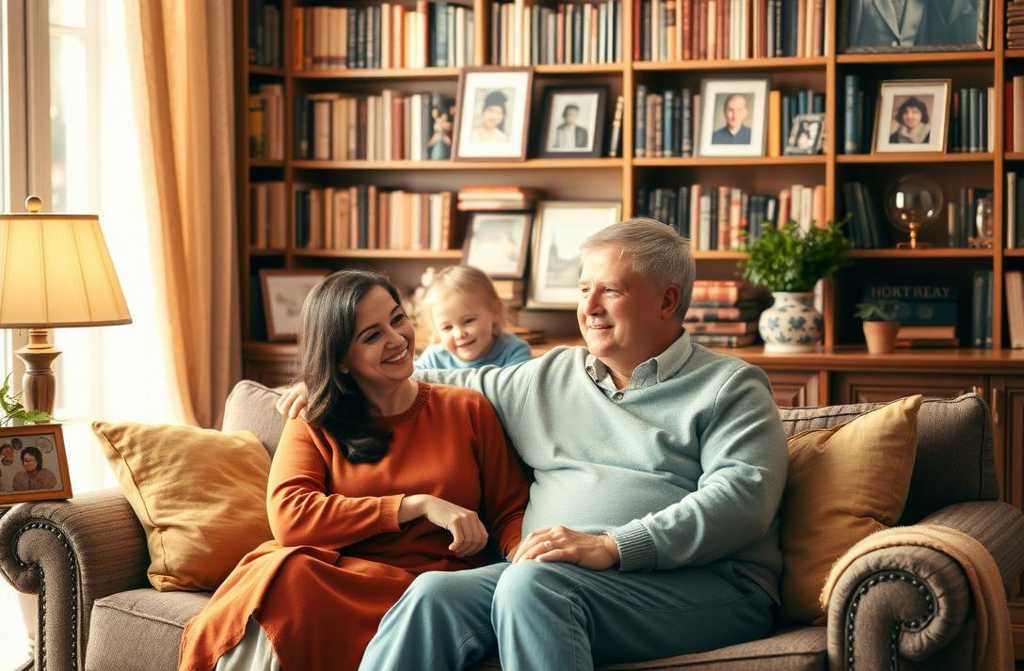
Історія заснована на реальних подіях, хоча вона просто неймовірна!
— Я навчалася в 52-й школі, а ти?
— І я, — Олександр підняв брови, дивлячись на дівчину. Досить дивний збіг, але чого тільки не буває в житті.
Дивно, що імена у них теж були однакові. Олександр та Олександра, наче у світі не існувало інших імен. Але це не завадило закоханим бути разом!
З Олею вони познайомилися не так давно в магазині. Історія дурна, але, мабуть, доля не знайшла нічого кращого, ніж звести їх у такому місці. Він не міг обрати маслини, а дівчина, проходячи повз, просто підказала потрібну марку. І ось вони вже зав’язали розмову та обмінялися контактами. Хто знає, чим закінчиться кожна із зустрічей, а тому Оля, коли Олександр запросив на побачення, погодилася.
Чоловік уже встиг побувати в шлюбі, відчути на собі побут і зраду, а ось Оля з того боку ще не була, нікуди не поспішала в цьому житті, вірячи, що щастя її знайде напевно. І ось у них п’яте побачення.
Олександр виглядав на свої 35, встигнувши до цього часу набути невеликого живота й залисин. Дякувати генам по батьковій лінії, де чоловіки блищали маківками, починаючи з 30-річного віку. Брюнет в залишках обрамлення голови, зріст у межах 180 см, і, як казала колишня дружина: досить симпатичний, але це не завадило їй завести роман на боці. Додайте до цього начитаність, почуття гумору та хороші манери, вийде досить непогана партія.
Оля ж була молодша на десятиліття. Гарна дівчина з густим каштановим волоссям до плечей, струнка фігура, виразні карі очі. Усмішка, як вона сама казала, була її візитівкою, і Олександр це відзначав. Вона справді могла розташувати будь-кого. Чоловікові подобалася її наївність, але при цьому Оля не була дурною. Друга її візитка була витонченістю мови, він тонув у цьому голосі, розчинявся і хотів більшого.
— Пам’ятаєш Олену Іванівну? — вирішив згадати Олександр.
— Так-так, — усміхнулася Оля, — у неї ще парик був такий, — вона показала рукою на голові форму, і вони засміялися.
— Олександр Петрович?
— Пушкін? — не зрозуміла Оля.
— Хом’ячук.
— Трудовик, — кивнула дівчина. — Так, був у хлопців.
Вони гуляли парком, тримаючись за руки, обговорюючи свої плани на майбутнє. Олександру подобалося, як Оля говорила про життя, мрії і цілі, а ще про свою любов до літератури. Виявилося, що Оля не просто читає, у неї навіть є свої книги, причому досить непогані, судячи з кількості тих, хто читає її простори в інтернеті.
Це була дивовижна дівчина: світла, ніжна, цілеспрямована. І Олександр зрозумів: страх другого шлюбу проходить, на зміну повертаючи впевненість, що не всі жінки однакові.
Якось, сидячи у Олі вдома, вони вирішили подивитися старі альбоми з фотографіями.
— Яка ж ти була чарівна, — робив компліменти Олександр.
— А зараз? — вирішила зловити його на слові Оля.
— А зараз просто красуня!
Оля опустила погляд, від його лестощів стало тепло на серці. Чоловік подобався їй. Різниці між ними вона зовсім не відчувала, тому що поряд з Олександром було якось затишно і по-домашньому. Не хотілося прикидатися, щоб здаватися кращою, можна просто бути собою.
— Не може бути! — Олександр був настільки вражений, що не вірив власним очам. Перед ним його фото з Першого вересня, коли він перейшов в 11-й. Вірніше, майже таке ж, зроблене з іншого ракурсу, але сумнівів бути не може, на знімку він із незнайомою дівчинкою. Трохи вицвіла картинка навіює спогади з далекого минулого, коли йому виповнилося 17 років. Класна керівниця оголосила, що Олександру випала честь нести першокласницю. Ще б пак! Серед п’яти класів випускників обрали лише його: відмінника, що подає надії. Був ще Роман Гончаренко, його вічний суперник, але обрали все ж його. Дивлячись на забуте, чоловік мимоволі викликав у пам’яті спогади.
День виявився хорошим, теплим. Біла випрасувана сорочка, чорні штани зі стрілками на ремені, блискучі напомаджені чорні черевики. До нього підвели якусь дівчинку, звісно він її абсолютно не пам’ятає, вона була маленька, худенька і трохи налякана. Дивилася на нього знизу вгору, а він зовсім не звертав уваги, шукаючи в натовпі Женю Сергієнко. Однокласниця давно подобалася Олександру, і Першого вересня він вирішив взяти бика за роги. Вона посміялася і відмовила, але спробувати варто було, тому ще він пам’ятає той день досить добре.
І ось перед ним фото, де на лівому плечі сидить дівчинка в білій блузці й таких же колготках, чорній спідниці, лакованих туфлях, а на голові два неймовірно великі банти.
— Це хто? — Олександр не може відірватися від знімка, все ще не розуміючи, як він тут опинився.
— Я, — відповідає Оля, не розуміючи, що саме здивувало чоловіка.
Він вдивляється в обличчя дитини, а потім переводить погляд на дорослу жінку.
— А це я, — його палець зупиняється на сімнадцятирічному хлопці, а на обличчі розливається дивна усмішка.
— Як це? — не розуміє Оля, підсуваючи альбом до себе.
Вона уважно вивчає підлітка, в рисах якого вгадується Олександр.
— Не може бути! — тепер уже вигукує вона, ошелешено дивлячись на чоловіка. — Отже…
— Це доля, — знизує він плечима, все ще не вірячи в те, що відбувається.
І треба ж такому статися, що Олександр задумав те Перше вересня, як важливий день у своєму житті. І нехай Женя Сергієнко відмовила, а долі довелося мучити його стільки років, тільки зараз він зрозумів, що в той день він ніс на плечі свою майбутню дружину. А Оля махала дзвінким дзвіночком, що розносився околицею.
Вони одружилися. Це було досить просте весілля, але таке щасливе. І, як належить, наречена плакала, а чоловік обіймав і відчував: ну ось же вона, та, що дана долею. Вдруге за своє життя Олександр тримав наречену на руках, тільки з однією різницею: тепер вони знали один одного.
Зараз у Олі та Олександра двоє хлопчиків, однорічок 14 та 13 років. Жінка так і залишилася в літературі, даруючи читачам нові романтичні світи, адже те, що сталося з нею, саме по собі навмисно не вигадаєш.



A STRAY CAT SNEAKED INTO THE BILLIONAIRE’S HOSPITAL ROOM WHILE HE WAS IN A COMA… AND WHAT HAPPENED NEXT WAS A MIRACLE EVEN THE DOCTORS COULDN’T EXPLAIN…
A STRAY CAT slipped into the room of the comatose billionaireand what happened next was a miracle the doctors couldnt...


Michael Stood Still: From Behind the Tree, a Dog Gave Him That Heartbroken Look—A Dog He Could Recognise Among a Thousand
James frozeby the old oak, a dog was staring at him with such sadness, hed have recognised her from a...


The Little Girl Who Wouldn’t Eat: The Night My Stepdaughter Found Her Voice—and Our Family Was Changed Forever
The Little Girl Who Couldnt Eat: The Night My Stepdaughter Finally Found Her Voice and Our Lives Changed 8 December...


The Manor Smelled of French Perfume and Lovelessness. Little Lizzie Knew Only One Pair of Warm Hands—Those of the Housekeeper, Nora. But One Day Money Disappeared from the Safe, and Those Hands Were Gone Forever. Twenty Years Passed. Now Lizzie Stands on a Doorstep, Her Child in Her Arms and a Truth Burning in Her Throat… *** The Dough Smelled Like Home. Not the home with a marble staircase and three-tiered crystal chandelier where Lizzie grew up, but a real home—the kind she invented for herself, sitting on a kitchen stool, watching Nora’s hands, red from washing, knead springy dough. “Mum, why is dough alive?” she would ask at five years old. “Because it breathes,” Nora replied without looking up. “See how it bubbles? It’s happy—it knows it’ll soon be in the oven. Strange, isn’t it? To rejoice at fire.” Lizzie didn’t understand then. Now—she got it. She stood by the side of a battered country lane, clutching four-year-old Micky to her chest. The bus had spat them out into the grey February dusk; all around, just silence—the singular village quiet where you can hear snow creak under a stranger’s boots three houses away. Micky didn’t cry. He had almost stopped crying altogether in the last six months—he’d learned. He just looked at her with dark, uncannily grave eyes, and every time Lizzie flinched: her ex’s eyes. His chin. His silences—the kind that always hid something. Don’t think of him. Not now. “Mum, I’m cold.” “I know, sweetheart. We’ll find it soon.” She didn’t know the address. Didn’t even know if Nora was alive—twenty years had passed, a lifetime. All she remembered: “Pinewood, Oxfordshire.” And the scent of dough. The warmth of those hands—the only ones in that whole big house that ever stroked her hair just because. The lane led them past tilting fences; in some windows, lights glowed—dull yellow, but alive. Lizzie stopped at the last cottage, simply because her legs would go no further and Micky had grown too heavy. The gate creaked. Two snow-covered steps up to the porch. A weathered, peeling door. She knocked. Silence. Then—shuffling footsteps. The sound of a bolt dragging. And a voice—hoarse, aged, yet so unmistakable that Lizzie’s breath caught— “Who’s out in this darkness?” The door swung open. On the threshold was a tiny old lady in a knitted cardigan over her nightie. Her face—like a baked apple, a thousand wrinkles. But the eyes—the same. Faded, blue, still full of life. “Nora…” The old woman froze. Then slowly lifted the very same hand—knotted and work-worn—and touched Lizzie’s cheek. “Merciful heavens… Lissie?” Lizzie’s knees buckled. She stood there, clutching her son, unable to speak, tears streaming hot down her frozen cheeks. Nora asked nothing. Not “where from?” Not “why?” Not “what’s happened?” She simply unhooked her old wool coat and threw it round Lizzie’s shoulders. Then gently lifted Micky—he didn’t even flinch, only watched with those solemn eyes—and pulled him close. “Well, you’re home now, my darling,” Nora said. “Come in. Come in, love.” *** Twenty years. It’s enough time to build an empire and lose it. To forget your native tongue. To bury your parents—though Lizzie’s were still alive, just as distant as hired furniture. As a child, she thought their house was the whole world. Four storeys of happiness: a lounge with a fireplace, her father’s wood-panelled study, which smelled of cigars and sternness, her mother’s plush bedroom with velvet drapes, and—down in the basement—the kitchen. Nora’s kingdom. “Lizzie, don’t be in here,” nannies and tutors would chide. “You should be upstairs, with Mummy.” But Mummy was always on the phone. Always. With friends, with business partners, with lovers—Lizzie didn’t understand, but she sensed: something was wrong. Something not right in the way her mother laughed into the phone and how her face changed when Dad walked in. But in the kitchen, things were right. Nora taught her to pinch pierogis—crooked, lumpy, ragged seams. They watched the dough rise together—“Hush, Lizzie, don’t make a sound or you’ll upset it.” When shouts started upstairs, Nora would sit her on her knee and sing—something simple, wordless, just a melody. “Nora, are you my mother?” she once asked at six. “Of course not, miss. I’m just the help.” “Then why do I love you more than Mummy?” Nora fell silent, stroking Lizzie’s hair. Then she whispered, “Love doesn’t ask, see. It just comes, and that’s it. You love your mum, too—just different.” But Lizzie didn’t. She knew it, even then—with a child’s forbidden clarity. Mum was beautiful, Mum was important, Mum bought her dresses and took her to Paris. But Mum never sat up when Lizzie was ill. That was Nora—nights on end, her cool hand on Lizzie’s brow. Then came that night. *** “Eighty thousand,” Lizzie overheard from behind a half-closed door. “From the safe. I know I put it there.” “Maybe you spent it and forgot?” “Edward!” Her father’s voice was tired, flat, like everything about him in those years. “All right, all right. Who had access?” “Nora cleaned the study. She knows the code—I told her to dust.” A pause. Lizzie pressed herself to the wall, feeling something vital tear inside. “Her mother has cancer,” Dad said. “Treatment’s expensive. She asked for an advance last month.” “I didn’t give it.” “Why?” “Because she’s staff, Edward. If staff gets handouts for every mum, dad, brother—” “Harriet.” “What, Harriet? You can see for yourself. She needed the money. She had access—” “We don’t know for sure.” “Do you want the police? A scandal? For everyone to know we have thieves in our house?” More silence. Lizzie closed her eyes. She was nine—old enough to understand, too young to change a thing. Next morning, Nora packed her things. Lizzie watched from behind a door—a small girl in teddy bear pyjamas, barefoot on the cold floor. Nora folded her few possessions: a robe, slippers, a worn Saint Nicholas icon from her bedside. “Nora…” Nora turned. Calm face, just puffy, reddened eyes. “Lissie. Why aren’t you asleep?” “You’re leaving?” “I am, love. To my mother—she’s not well.” “What about me?” Nora knelt—so their eyes were level. She always smelled of dough—even when she hadn’t baked. “You’ll grow up, Lizzie. Grow into a good person. Maybe one day you’ll visit me in Pinewood. Remember?” “Pinewood.” “Good girl.” She kissed Lizzie’s forehead—quick, secretive—and left. The door closed. The lock clicked. That smell—the dough, the warmth, home—vanished forever. *** The cottage was tiny. One room, a stove in the corner, a table with an oilcloth, two beds behind a faded floral curtain. On the wall, that familiar Saint Nicholas icon, blackened by time and candle smoke. Nora bustled—putting the kettle on, fetching jam from the larder, making up the bed for Micky. “Sit, sit, Lissie. There’s no truth in tired feet. Warm up, we’ll talk after.” But Lizzie couldn’t sit. She stood in this poor, shabby hut—she, whose parents once owned a four-storey mansion—and felt something strange. Peace. For the first time in years—real, solid peace. As if something pulled tight within her had finally gone slack. “Nora,” she managed, voice cracking, “Nora, I’m sorry.” “For what, love?” “For not protecting you. For saying nothing for all these years. For…” She faltered. How to say it? How to explain? Micky was already asleep—gone the instant his head hit the pillow. Nora sat opposite her, tea cup in gnarled hands, waiting. So Lizzie told her. How after Nora left, the house became utterly foreign. Her parents divorced two years later—her father’s empire was a house of cards, lost in the crash, their flat, their cars, their country cottage vanished. Her mother fled to Germany with a new husband; her father drank himself to death in a bedsit when Lizzie was twenty-three. She was all alone. “Then there was Tom,” she said, staring at the table. “We knew each other since school. He used to visit us—you remember? Skinny, messy, always stealing sweets from the bowl.” Nora nodded. “I thought—this is it. Family, at last. Mine. But… he was a gambler, Nora. Cards, slots, you name it. I never knew. He hid it. By the time I found out—it was too late. Debts. Lenders. Micky…” She trailed off. Logs crackled in the stove. The candle-mote flickered against the icon, its shadow trembling up the wall. “When I said I was filing for divorce, he… he thought a confession would save him. That I’d forgive. Appreciate his honesty.” “Confess what, love?” Lizzie met her eyes. “He took the money. All those years ago. From the safe. Saw the code—peeked when visiting. He needed… I can’t even remember why. But yes—for his debts. And you were blamed.” Silence. Nora sat motionless. Her face unreadable. Only her hands around the mug whitened at the knuckles. “Nora, I’m sorry. I only found out last week. I didn’t know, I—” “Hush now.” Nora got up, slowly knelt—creaking with age—as she had twenty years before, meeting Lizzie eye to eye. “My darling. What are you guilty of?” “But your mother… You needed money for her treatment—” “She passed a year later, poor soul.” Nora crossed herself. “What of it? I live. Veg patch, goats. Good neighbours. I never needed much.” “They shoved you out—like a thief!” “Doesn’t life sometimes take us to the truth through a lie?” Nora whispered. “If I’d stayed, I’d have missed my mother’s last year. Being with her then—that was worth everything.” Lizzie was quiet. Her chest burned—shame, sorrow, relief, gratitude—all in a tangle. “I was angry,” said Nora. “Of course I was. I’d never so much as scuffed a penny in my life. Yet there I was—a common thief. But after a while… the anger faded. Not right away. Took years. But it did. Because if you carry bitterness, it eats you alive. I wanted to live.” She took Lizzie’s hands—cold, rough, knotted. “And here you are now. With your boy. At my old door. That means you remembered. Means you loved. And that’s worth more than any safeful of cash.” Lizzie cried. Not like adults do—quietly, to themselves. Like children. Sobbing, face pressed to Nora’s thin shoulder. *** In the morning, Lizzie woke to a smell. Dough. She opened her eyes. Micky snored beside her on the pillow. Behind the curtain, Nora clattered softly. “Nora?” “You’re up, sweetheart? Come, the pies will go cold.” Pies. Lizzie got up and, dream-like, stepped into the kitchen. On yesterday’s newspaper sat a tray of golden, misshapen pies, crimped at the edges just like when she was small. And they smelled—like home. “I was thinking,” said Nora, pouring tea into a chipped mug, “they need help at the village library. Pays little, but you don’t need much here. We’ll get Micky into nursery—Val’s in charge, she’s lovely. After that—we’ll see.” She said this so simply, as though everything was settled, everything perfectly natural. “Nora,” Lizzie faltered, “I’m… I’m nobody to you. All these years. Why did you—?” “Why what?” “Why take me in? No questions? Just like that?” Nora looked at her—that same childhood gaze. Clear, wise, kind. “Remember asking why dough is alive?” “Because it breathes.” “Exactly, love. And so does love. You can’t fire it, can’t dismiss it. If it settles in, it stays. Twenty years, thirty—you only have to wait.” She set a pie before Lizzie—warm, soft, filled with apple. “Come on. You’re skin and bone, dear.” Lizzie took a bite. For the first time in years—she smiled. The sky lightened. Snow shimmered under the first rays, and the world—vast, unfair, complicated—seemed briefly simple and kind. Like Nora’s pies. Like her hands. Like the quiet, steadfast love that cannot be sacked. Micky tumbled out, rubbing his eyes. “Mum, it smells yummy.” “Grandma Nora baked for us.” “Grand-ma?” He mouthed the word, studying Nora. She smiled—crinkles scattering, her eyes lighting up. “That’s right, love. Come eat.” And he joined them. For the first time in months, he laughed—when Nora showed him how to shape silly dough men. Lizzie watched—her son and the woman she once called mother—and understood: here was home. Not walls, marble, chandeliers. Just warm hands. Just the smell of dough. Just love—plain, earthy, unspoken. Love that can’t be bought or sold, that just is—while ever a single heart still beats. Funny thing, the memory of the heart. We forget dates, faces, whole eras, yet the aroma of mum’s pies lingers to our last breath. Maybe because love doesn’t live in the mind. It’s somewhere deeper, where neither hurt nor years can reach it. And sometimes you have to lose everything—status, money, pride—just to remember the way home. To the hands that wait.
The manor always smelled of French perfumeand something colder than loneliness. Little Emily knew only one truly loving pair of...


“Please… Don’t Leave Me Alone Tonight: The Heart-Stopping Night Retired Officer Calvin Hale’s Loyal German Shepherd Ranger Refused to Say Goodbye”
Pleasedont leave me on my own. Not tonight. Those were the last words 68-year-old retired officer Douglas Turner quietly uttered...


A Bruised 7-Year-Old Boy Walks Into A&E Carrying His Baby Sister—What He Said Next Broke Every Heart In The Room
It was just past one in the morning, many years ago now, when young William Turner, a boy of only...


A Stray Cat Sneaks Into the Hospital Room of a Billionaire in a Coma—What Happened Next Was a Miracle That Even the Doctors Couldn’t Explain…
12th April It amazes me how a wandering cat, slipping into a place where he shouldnt have been, utterly changed...


Three O’Clock in the Morning Mum’s Phone Rings: How a Stray German Shepherd and Four Cats Taught a Stubborn Son the True Meaning of Kindness
Margaret Eleanor was woken abruptly at three oclock in the morning by the insistent buzzing of her old-fashioned mobile on...