
З життя
Once a Month — One Neighbour’s Turn: Nina Clutches Her Rubbish Bag at the Lift Noticeboard, Unsettle…

Once a Month
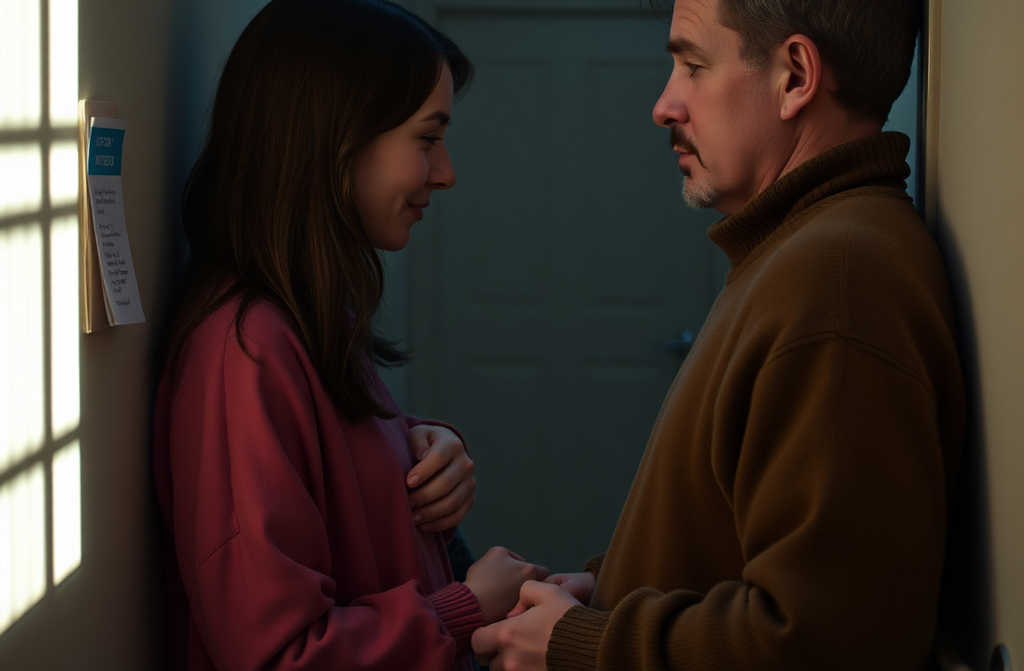
Eleanor Caldwell pressed the bin bag to her chest and paused by the noticeboard next to the lift. On a sheet of lined paper, pinned with drawing pins, someone had written in bold: Once a Month One Neighbour. Beneath, there were dates and surnames, and in the corner, a signature: Simon, Flat 34. Someone had scribbled below in biro: Need two people on Saturday, help with boxes. Eleanor read it twice, almost without thinking, and felt a prickle of irritation, like overhearing someone chatting in the hallway who shouldnt be there.
Shed lived in this block for ten years and knew the unspoken rule: say hello if you happen to meet at the door and then go your separate ways. Sometimes a quick, Do you know where the electrician lives? or Could you pass this invoice on, please. But timetables, surnames, pinsthey reminded her too much of meetings at her old job, where everyone pretended, were a team, then immediately looked out for themselves.
By the rubbish chute, she bumped into Valerie from the fifth floor, who always carried two bags, as if worried one would split.
Seen it? Valerie nodded towards the noticeboard. Simon came up with it. Says its easier that way. Instead of running around alone, we do things together.
Together, Eleanor repeated, making her voice as neutral as she could. But what if you dont want to be together?
Valerie just shrugged.
Well no ones forcing you. Its just good to know therell be someone when you need.
Eleanor left for the courtyard, and found herself mentally arguing with Simon from number thirty-four. When you needwhat does that mean? Who gets to decide whos in need? And why must it matter to everyone?
On Saturday morning, muffled bumps and voices echoed in the hallway. Through her door, she caught snatchesCareful, with the corner! and Hold the lift! Eleanor stood in her kitchen, clutching a damp cloth, unable to stop herself listening. She imagined people she only recognised by sight hauling someone elses boxes and a sofa, one barking orders, another grumbling. She disliked the thought that neighbours got a glimpse into someones life packed into cardboard, but felt an odd envy too: theyd been called on.
Within an hour the place was quiet again. That evening, coming back from the shop, Eleanor saw a stack of emptied boxes and tape on a bench by the entrance. Simon, tall and tired-faced, was tidying up bits of rubbish into a sack.
Evening, he said, as if theyd known each other for ages. Were we in the way?
No, said Eleanor. Just a bit noisy.
I get it. We tried to be done before lunch. Tanya from number twos movingnot easy on her own, with the kid. Well, not exactly alone he gestured vaguely. If anything comes up, just write on the board. Doesnt have to be moving, anything at all.
The word anything came out so simply that Eleanor couldnt find anything to protest. No pressure, no pleading. Just a statement, and he went back to tying the sack.
In the following weeks, the noticeboard started to live a life of its own. Every day, Eleanor passed by and saw new notes. Mr Stevens in Flat 19medications needed post-op, anyone able to pop to Boots? Shelf needs fixing in 27, got a drill. Collecting £2 each for the intercom, if you dont have the change, pay later. The handwriting changed: some neat, others tense and heavy.
She didnt put her name down. She felt that was right: best not get too involved. But she kept watching.
One evening, on her way back from work, Eleanor saw a teenage girl from the next building by the lift, crying into her sleeve. Next to her, Valerie had an arm around the girls shoulders, speaking softly:
Dont you worry. Well find something. Simon said hes got some.
Whats happened? Eleanor asked, though she couldve just walked on by.
Valerie gave her a look, like shed already decided Eleanor was the sort not to mock.
Its her granhigh blood pressure. No tablets left, pharmacys shut. Simons bringing over a few till morning.
Eleanor nodded and, inside her flat, couldnt bring herself to take off her coat straight away. She kept thinking about how easily Valerie had said well find something. Not call an ambulance, not not our problemfind something. And how Simon would hand over his own tablets, not asking if theyd be returned.
A few days on, the block had a small drama. Someone scribbled on the intercom money notice: Always after cash. If you want one, pay yourself. No signature, a squiggly hand. By the lift, two women were arguing, not bothering to lower their voices.
Thats someone from the thirdI know the handwriting, hissed one.
And what do you know? retorted the other. People are on a pension, and youre asking for two quid, two quid.
Eleanor walked past, that familiar unease rising inside her: here it was, collective life. Soon theyd be sorting who owed what, who paid, who didnt, who benefited. She wished it would all stop, that the board would go back to notes about the plumber.
But that evening she saw Simon at the noticeboard. He quietly took down the sheet with the complaint, folded it, put it in his pocket. He pinned up a fresh one and wrote, Intercom. Those who can, pitch in. If you cant, dont worry. What matters is it works. Simon. And that was it.
Eleanor found herself respecting him for thatand thats that. No lectures, no threats, just a clear boundary.
Her own life had started to creak, like a stairwell door in need of a squirt of oil. It began with something smallthe mixer tap in the bathroom started leaking. She put a basin under it, tightened the nut, mopped the floor. Thenher bonus at work was delayed, and her manager wouldnt meet her eye, only said, Its how it is for now. Bear with us. Eleanor bore it. She was used to it.
Early in the month her back started hurting. Not enough for A&E, but enough that, each morning, shed grip the edge of the bed for a minute until the pain eased up. She bought some ointment, wrapped her waist in a scarf, and didnt mention it to anyone. She always felt complaints turned into pitying chats, and chats into pity.
That evening, shopping bag in hand, she heard a strange sound as she opened her front doorsomeone scrabbling. It was the lock on her own flat: starting to stick, key refusing to turn. She pushed harder, the key gave with a crunch, her heart lurched.
Shoes off, bag on the stool, she fetched her screwdriver and tried to fix the lock. Her hands shook from tiredness, her back ached. The silence inside pressed in. Too much.
The next day, the lock seized up utterly. Eleanor came home late, carrying her bag and folder, and couldnt open the door. She stood on the landing, head against the cold metal, willing herself not to panic. Locksmith. Keys. Money. Night. flickered through her mind. She called the out-of-hours number, was told it would be two hours before anyone came.
Two hours on the landing felt humiliatingnot because of the neighbours, but her own helplessness. She sat on the step, bag by her side, staring at her hands. They were cracked and dry from cleaning, hands that always managed.
The lift doors slid open, and Simon appeared. He saw her straight away.
Eleanor Caldwell? he asked, as if making sure.
She lifted her head, feeling her cheeks flush.
Locks gone, she said flatly. Waiting for the locksmith.
How long?
They said two hours.
Simon took a look at the door, then at her bag.
Ive got a toolbox. Might as well try while youre waiting. If not, at least well know whats wrong. Is that alright?
Is that alright mattered. He didnt say let me, didnt say why are you sitting here. He asked.
Eleanor wanted to say thanks, but no. That would have been safe, familiar. But her back throbbed, her phone was on its last bar, and now two hours on the step felt unbearable.
Go ahead, she said, surprised that her voice was steady.
Simon went off and returned with a small case. He set it down, opened it, and laid out tools on a newspaper, so as not to mark the tiles. Eleanor noticed this instinctivelyavoiding mess, respecting someone elses home.
Im no locksmith, he warned. But Ive tinkered with locks.
He took off the faceplate, neatly gathered the screws in a tub lid, so they wouldnt get lost. Eleanor sat beside him on the step, bag in hand, feeling oddly exposedlike her life was suddenly shared space, which wasnt necessarily a bad thing.
Its the barrel, Simon said. Could maybe oil it for now, but best get it replaced. Got a spare key?
No, she replied. I never thought.
Simon nodded, not passing comment.
Ten minutes later, the door yielded. Not easy, but it worked. Eleanor stepped inside and flicked the hall light. The tension melted away. She turned back.
Thank you, she said. And added, for fear of ending it, Just I dont want the whole block knowing.
Simon looked at her.
I understand. I wont mention it. But you should get the lock changed. Shall I send you the number of a decent locksmith tomorrow? Keeps things private.
Eleanor nodded. It mattered to her that he didnt suggest lets all band together and fix it. He offered concrete, quiet help.
When Simon left, Eleanor bolted the door behind him and stood for a long time in the hallway, listening to the hum of the fridge. She wanted to both laugh and crythe help didnt feel like pity. It was like someone handing you a tool because your hands were full.
Next day she called the locksmith Simon had recommended. He came that evening, removed the worn barrel, showed her the cracked part, fitted a new lock. She paid, received two keys, put one in a little box on the top shelf, and labelled it spare. Her private acceptance: yes, sometimes you cant manage everything.
A week later, a new note appeared on the board: Saturdayhelp Mr Stevens at 19 carry shopping and meds. Post-hospital, struggling. Need two people, between 1112. Eleanor read it and suddenly realised she could.
On Saturday, she left her flat early. In her bag were two packs of biscuits and a box of tea. Not charity, just something to have in hand when youre invited in. Simon was already waiting on the landing.
You joining in? he asked, with no surprise, only to check.
Yes, Eleanor said. Justlet me take the light stuff. And no health talk, alright?
She heard herselffirm, not apologetic, not if you dont mind, but a condition.
Deal, said Simon.
They went up to Stevens flat. He opened the door in a house jumper, face pale. He tried to smile.
Oh, the committee, he mumbled.
Not a committee, said Eleanor, holding out her bag. Brought your shopping. Theres tea and biscuits, if you fancy.
Mr Stevens took the bag with both hands, as if it might drop.
Thank you. Id have done it myself but my legs
No need for would haves, Simon cut in gently. Just say where it goes.
They went to the kitchen. Eleanor set the shopping down, noticed a written list of medications and an empty pillbox. She didnt ask questions, just said:
Want me to take out the rubbish?
If you could, Stevens answered, embarrassed.
Eleanor took the small bag, tied it, and set it out on the stairs. Coming back, she noticed her back barely hurtnot because the pain had gone, but because she felt different inside.
At the door, Stevens tried to hand Simon some money.
No need, said Simon.
At least Stevens looked at Eleanor. Come in if you need, wont you? Im not a monster.
Eleanor nodded.
Well pop by if anything comes up. But please, dont soldier onput a note on the board if you need anything.
She said it, feeling a quiet confidence settling insideshe could speak the same way Simon did. Not from up high, not from below, but on even ground.
That evening, Eleanor stopped by the noticeboard. Someone had left a pack of pins and a tiny notebook. She took out her pen and wrote carefully, no frills: Flat 46. Eleanor Caldwell. If you need: can go to the pharmacy or collect a parcel after 7pm weekdays. No heavy lifting. She pinned it, checked it stayed, and put the pen away.
At home, she made tea, fetched the spare key from the cupboard and slipped it into a small envelope, writing Simons number on the front and putting it in the hall drawer. Not as a sign of dependence, but as assurance shed given herself permission for.
When a neighbours door slammed and footsteps echoed down the corridor, Eleanor didnt flinch. She just switched off the hob, poured her tea, and thought that once a month wasnt about crowds. It was about not holding the world in one hand, if someone nearby is ready to help.



I Saw It Happen She was just closing up the accounts in the finance office when her manager poked h…
I saw it all She was locking up the till in the accounts office when her manager poked her head...


Irina Doesn’t Hang Up in Time and Unexpectedly Hears a Woman’s Voice on Her Husband’s Call Irina st…
Helen barely finished her call with her husband before a womans voice, soft and bright, carried through from the other...
A Mysterious Stranger Captivates Hearts as She Enters the Room
A Stranger Changed Their Hearts Upon Entering the RoomAt the school reunion, a stranger appeared, and only after a stunned...
My Husband Issued an Ultimatum, and Without Hesitation I Chose Divorce
My husband gave me an ultimatum, and I chose divorce without a second thought Friday, late evening. I sat across...


Once a Month — One Neighbour’s Turn: Nina Clutches Her Rubbish Bag at the Lift Noticeboard, Unsettle…
Once a Month Eleanor Caldwell pressed the bin bag to her chest and paused by the noticeboard next to the...


She Walked Into a London Café Starving and Hoping for Leftovers—Unaware the Owner Would Soon Change …
I wandered into a restaurant to scavenge leftovers, starving and chilled to the boneunaware that meeting the owner there would...


He Bought the “Deaf” Girl Everyone Had Rejected… But She Heard Every Single Word
They used to say Alice was deaf since she was a little girl. They said it with unshakeable certainty, as...


The Empty Bench
The Empty Bench Mr. George Bennett balanced his thermos on his knees and checked the lidwas it leaking? It held...