
З життя
Суботній ранок.

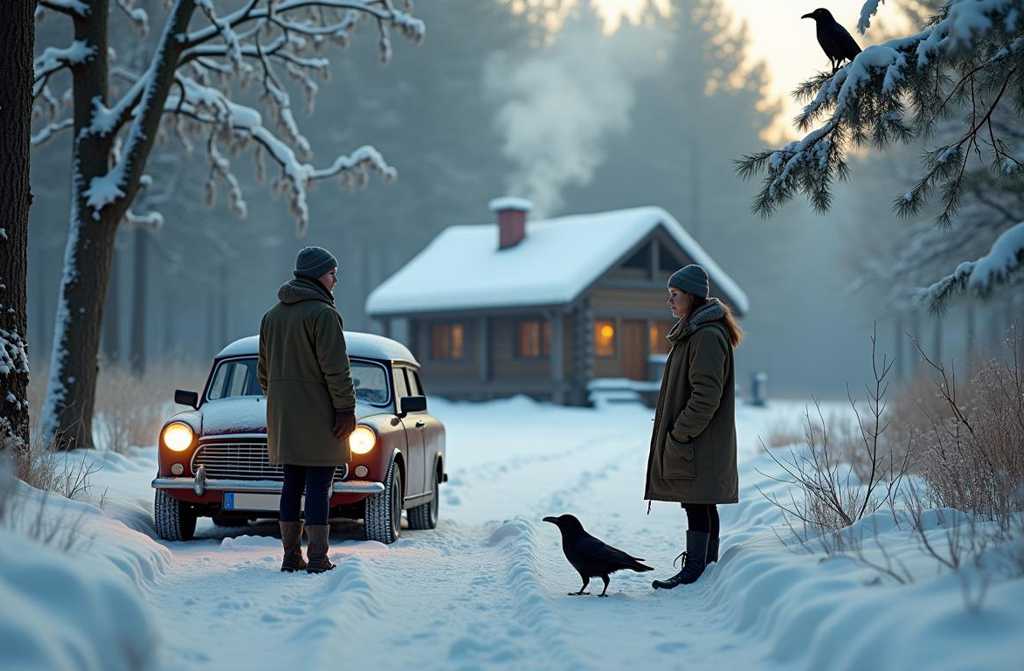
Ранок суботи. Олена відключила всі будильники й телефони. Молода жінка вирішила нарешті виспатися, адже за спиною залишився дуже важкий тиждень, впродовж якого в її житті відбулося багато чого.
У Олени була чорна смуга в житті. Кажуть, що після чорної обов’язково буде біла… Але наразі була лише чорна…
У вівторок Олену скоротили з роботи. Вона віддала кілька років задля розвитку компанії. І тут, як гром серед ясного неба: “Вибачте, але штат компанії скорочується вдвічі. Ми не зможемо продовжити з вами контракт”.
Це здавалося їй нічним кошмаром. Олена сподівалася, що все це сон і вона прокинеться, щоб усе стало на свої місця.
Раптово її вивів із заціпеніння крик ворони. Птах каркав так пронзливо і голосно, що хотілося заткнути вуха. Непомітно глянувши у вікно, вона побачила його… Ворон сидів на гілці і дивився прямо у її очі.
“Чортівня якась!” — прошепотіла Олена, вибігаючи з офісу. Того ж вечора до неї прийшов Мирослав. Вони зустрічалися вже кілька років і планували одружитися.
– Таке діло… Не буду ходити колами, я скоро одружуюсь. Вибач. Так вийшло.
І знову той крик пролунав у кімнаті. Олена здригнулася і поглянула у вікно. Ворон сидів навпроти і пильно дивився. “Ну чого тобі від мене треба?” — закричала вона в істериці.
– У тебе все добре? — налякано запитав Мирослав.
– Так! Забирайся звідси! — вказала жінка на двері колишньому нареченому.
За один момент вона втратила і роботу, і кохану людину. “Спати! Потрібно відпочити. Потім розберуся з усім іншим”. Але виспатися їй не вдалося. Її знову розбудив крик ворони. “Кар-кар” — лунало на всю округу.
Глянувши у вікно, вона знову побачила цю настирливу птицю. Складається враження, що ворон нікуди не відлітав і весь час провів на тій гілці. “Чого тобі надоїло?” — вигукнула вона. Ворон ігнорував її крики і продовжував тривожити всю округу. На годиннику було 6-та ранку. Виспатися так і не вийшло…
Через пару годин зателефонувала мама:
– Як ти, доню? Давно не дзвонила.
– Все дуже погано! — Олена заплакала і, як у дитинстві, усе розповіла матері. Про ворону теж не забула згадати.
– Це він тебе в дорогу кличе! Ти потрібна десь…
– Мам, що за нісенітниця? Яка дорога? Кому потрібна? Мене всі виключили зі свого життя!
– Милечко, приїжджай до нас. Завтра Різдво. Відсвяткуємо по-сімейному!
– Тільки вам зіпсую настрій. Мені потрібно побути самій.
Олена поклала слухавку і пішла на кухню, щоб приготувати собі каву. Тільки-но вона увійшла, як знову почувся каркання. “Він точно вирішив мене звести з розуму”, — подумала вона.
Ближче до обіду зателефонувала давня, шкільна подруга:
– Оленочко, нарешті застала тебе вдома. Мобілки твоєї в мене немає.
– Привіт, Надійко! Скільки років, скільки зим!
– Ось! Саме з цього приводу й дзвоню. Збирайся й дуй до мене на дачу! Ми вирішили зібратися в мене всією нашою компанією. Буде Юля, Віра, Юрко…
– В принципі, мені нічого кидати. Це мене всі покинули… Гаразд, давай адресу!
Олена їхала, дотримуючись навігатора. До місця залишилося ще 15 кілометрів. Спочатку автомобіль їхав добре, але на півдорозі двигун заглох, і машина зупинилася.
Олена схопилася за мобільний телефон, але зв’язку в лісі не було… “От халепа! Що мене потягнуло їхати машиною!” — розгублено вимовила жінка. “Кар-каррр!” — почувся крик над головою.
“О Боже! І ти тут? Чого від мене хочеш?” — звернулася вона до ворона. Той розкинув пір’я і мовчки спостерігав за нею. Тим часом починало темніти. У відчаї жінка почала сигналити, сподіваючись, що її хтось почує.
“Що робити? Іти пішки? Але я не знаю дороги!”
Раптом у вікно хтось постукав. Від несподіванки жінка підскочила. Вона побачила чоловіка бальзаківського віку в тулупі з рушницею.
– Хто ви? — злякано запитала вона.
– Семен. Місцевий лісник. Вам потрібна допомога? Я правильно зрозумів?
– Так! Я застрягла. Може, підштовхнете мене? — в надії запитала вона.
– Пані, ви серйозно? Тут потрібен трактор. Інакше вашу машину не витягти.
– Так викликайте! У чому проблема?
– Проблема в тому, що скоро ніч. У темряві сюди ніхто не приїде. Ходімо до мене. Вранці викличемо допомогу.
Їй нічого не залишалося, як піти за лісником. Вона звернула увагу на ворона. Той мовчки пішов за ними. “Хоч каркати перестав. Можливо, охрип?” — з усмішкою подумала вона.
Невдовзі вони прийшли до будинку лісника. У печі тихо потріскував вогонь, у кімнаті було дуже тепло й затишно. Семен приготував нехитру вечерю, заварив чай із травами.
– Давайте повечеряємо. Потім відпочинете, а завтра зранку подзвоню за допомогою. Спробуємо звільнити вашу “ластівку” зі снігового полону, — сказав чоловік.
– Що з погодою сталося, не зрозумію? Звідки взялася така хурделиця?
– Та звідки? Сьогодні ж ніч перед Різдвом! Ви знаєте нашу місцеву легенду про цей день?
– Ні звісно. Звідки мені знати? — здвигнула плечима жінка.
– Розповісти вам? Дуже цікаво!
– Розповідайте… усе одно робити нема чого.
Чоловік розпочав розповідати дуже гарну то чи легенду, то чи казку. Олена зачаровано слухала його, не перебиваючи. Головним героєм у цій казці став чорний ворон. Він займався доброю справою: шукав людей із самотніми серцями і сприяв їх зустрічі…
На найцікавішому місці жінка заснула прямо в кріслі. Семен дбайливо вкрив її м’яким пледом і вийшов на вулицю.
“Сидиш?” — звернувся він до ворона. “Дякую, саме про таку жінку я мріяв!”
“Каррр” — відповів ворон і зник із виду.
Вранці, поки Олена спала, Семен викликав підмогу і витягнув її автомобіль.
– Приймайте роботу! — посміхнувся чоловік. — Зараз поснідаємо, і я проведу вас до місця призначення. Їдьте за мною!
– Дякую! Семене, я вчора заснула, так і не дізналася закінчення легенди… — промовила жінка. Їй дуже не хотілося залишати цей затишний дім.
– Ви можете залишитися в мене, я обов’язково розповім вам кінець. Тим більше, сьогодні Різдвяна ніч!
– Уговорили! Не залишати ж вас одного! — усміхнулася Олена.
“Кар – карррр” — ворон закружляв над ними і відлетів. Він був задоволений своєю роботою. Сьогодні йому знову вдалося з’єднати два самотніх серця…



Michael Froze: From Behind the Tree, a Dog He’d Recognise Anywhere Watched Him with Sad, Knowing Eyes
I frozepeering from behind an old oak tree, a dog watched me with a sadness Id have recognised anywhere. Dust...


DO I REMEMBER? I CAN’T FORGET! “Polly, listen… Remember my illegitimate daughter, Anastasia?” My husband spoke in riddles, making me uneasy. “Do I remember? I can’t forget! Why?” I sat down, bracing for bad news. “Well… Anastasia is begging us to take in her daughter—my granddaughter,” he mumbled. “And why on earth should we, Alex? Where’s Anastasia’s husband? Disappeared into thin air?” I was intrigued. “The thing is, Anastasia doesn’t have much time left. She never had a husband. Her mother remarried and lives in America. They’re estranged, and she has no other family. That’s why she’s asking…” Alex couldn’t meet my eyes. “So, what’s your plan?” I had already decided. “Well, I’m asking you, Polly. Whatever you say, that’s what we’ll do,” he finally looked at me. “How convenient. You made mistakes in your youth, and now I’m to shoulder the burden of a stranger’s child? Isn’t that right?” My husband’s feebleness made me furious. “Polly, we’re a family. We should decide together,” Alex pushed back. “Oh, you remembered now! Yet, when you fooled around, did you consult me? I’m your wife!” Tears welled up and I stormed out… In school, I dated a boy named Peter, until a new boy, Alex, arrived and swept me off my feet. I broke up with Peter. Alex noticed me, walked me home, kissed my cheek, and picked flowers for me. A week later, he led me to his bed. I didn’t protest—I fell head over heels for Alex. After we graduated, he went off to serve in the army in another city. We wrote to each other for a year. Then Alex returned on leave. I was overjoyed. He promised we’d marry when he came back for good—already considered me his wife. His sweet words melted me every time, even years later: one loving look from Alex, and I’d melt like chocolate in the sun. Alex went back to the army. I waited, confident I was a betrothed bride. Six months later, a letter arrived: Alex had found “real love” in his garrison town and wasn’t coming back. But I was already carrying Alex’s baby. So much for a wedding—just as my gran warned me. When the time came, I gave birth to my son, Ivan. Peter, my old boyfriend, stepped in to help. Desperate, I accepted. Yes, Peter and I became intimate. I’d long given up hope of seeing Alex again. Then he turned up, surprised to see Peter there. “Can I come in?” Alex asked. “Come on in, since you’re here,” Peter reluctantly allowed. Sensing the tension, Ivan clung to Peter, wailing. “Peter, why don’t you take Ivan for a walk?” I was at a loss. When they left, Alex asked, “Is he your husband?” “What’s it to you? Why are you here?” I was angry and confused. “I missed you. I see you’ve made a life with Peter—you didn’t wait for me. Well, I’ll go—sorry to intrude on your happy family,” he said, heading for the door. “Wait, Alex. Why have you come—just to hurt me? Peter helps me cope with loneliness. He’s been raising your two-year-old son, by the way,” I tried to keep him there. My love for him hadn’t died. “I’ve come back for you, Polly. Will you have me?” Alex asked, hope in his voice. “Come in, dinner’s ready,” my heart leapt—he came back, so he hadn’t forgotten. Why resist? Peter was shoved aside. My Ivan needed his real father. Later, Peter married a lovely woman with two children. A few years passed. Alex could never love Ivan as his own—he was convinced Ivan was Peter’s son. Alex never really cared for Ivan. He always had an eye for the ladies. He was forever chasing after women, easily smitten, just as easily moving on—including some of my own friends. I cried but kept loving him, determined to hold my family together. It was easier for me than for him—the one who loves is always blinded by hope. I never needed to lie or invent excuses; I just loved him. He was my sun. Sometimes I wanted to leave, but then I’d scold myself: Where would I go, who could compare? Besides, Alex would be lost without me. I was wife, lover, and mother to him. Alex lost his own mother at fourteen—she died in her sleep. Maybe that’s why he always looked for lost affection elsewhere. I forgave everything. Once, after a bitter argument, I threw him out. He moved in with his relatives. Months passed—I forgot why we argued—but he didn’t return. At last, I went to his family’s house. His aunt was surprised to see me. “Polly, why do you want Alex? He said you’d divorced—he has a new girlfriend now.” I found out where she lived and paid them a visit. “Hello! Could I see Alex, please?” I asked politely. She just smirked and slammed the door in my face. I left in silence. A year later, Alex came back. By then the girl had given birth to his daughter, Anastasia. To this day, I blame myself for throwing him out—maybe that girl wouldn’t have scooped him up otherwise. I tried harder to please and adore Alex. We never talked about his illegitimate daughter. It seemed if we did, our family would fall apart. We let sleeping dogs lie. After all, what’s one stray child? It happens. I blamed the “temptresses” instead. In time, Alex settled down. Flings ended. He stayed home watching TV. Our son married early, gave us three grandkids. Then, out of nowhere… Anastasia, Alex’s daughter from long ago, reappeared—asking us to take in her daughter. How would I explain a new little girl to Ivan? He never knew about his father’s youthful escapades. In the end, we took legal guardianship of five-year-old Alina. Anastasia passed away, gone at thirty. Graves grow over with grass, but life goes on. Alex spoke to Ivan man-to-man. After hearing his father’s confession, Ivan said, “What’s done is done, you don’t answer to me. But the girl should stay—she’s family.” Alex and I breathed easier. We’d raised a kind son. Now, Alina is sixteen. She adores her Grandpa Alex, whispers secrets to him, calls me Granny, and says she’s my spitting image at her age. I never argue…
DO I REMEMBER? I COULD NEVER FORGET! Polly, darling, theres something I must tell you Well, do you recall my...


Winter had blanketed Andrew’s garden with soft snow, but his loyal dog Duke, a massive German Shepherd, was acting strangely. Instead of curling up in the large kennel Andrew had lovingly built for him last summer, Duke stubbornly insisted on sleeping outside, right in the snow. Watching from his window, Andrew felt a pang of worry—Duke had never behaved like this before. Each morning, as he stepped outside, Andrew noticed Duke watching him tensely. Whenever he approached the kennel, Duke positioned himself between Andrew and the entrance, growling softly and looking at him pleadingly, as if to say: “Please, don’t go in there.” This odd behaviour was so out of character for their years of friendship, it made Andrew uneasy—what was his best friend hiding? Determined to get to the bottom of it, Andrew came up with a plan—he lured Duke into the kitchen with a tempting piece of steak. While the dog, locked inside, barked desperately at the window, Andrew crept towards the kennel and crouched down to peer inside. His heart skipped a beat as his eyes adjusted to the darkness and he saw something that froze him on the spot… …There, curled up in a blanket, was a tiny kitten—dirty, freezing, and barely breathing. Its eyes barely opened, and its frail body shivered with cold. Duke had found it somewhere, and instead of chasing it away or leaving it to its fate, he had sheltered it. He had slept outside to avoid scaring it and guarded the entrance as if there was treasure inside. Andrew held his breath. He reached out, gently lifted the tiny creature and pressed it to his chest. In that moment, Duke raced over and nestled beside his shoulder—not growling, but gently, eager to help. “You’re a good dog, Duke…” Andrew whispered, clutching the kitten. “Better than most people.” From that day on, there were no longer just two friends living in the garden, but three. And the lovingly built kennel found its purpose again—as a little home for souls in need of saving.
Winter had blanketed Davids garden in a soft layer of snow, but his loyal dog Byron, a huge English Mastiff,...


The Little Girl Who Wouldn’t Eat: The Night My Stepdaughter Found Her Voice and Our Family Was Forever Changed
A Little Girl Who Couldn’t Eat: The Night My Stepdaughter Finally Found Her Voice and Everything Changed 8 December 2025...


A 7-Year-Old Boy, Covered in Bruises, Walked Into A&E Carrying His Baby Sister—What He Said Next Broke Everyone’s Heart
Just after one oclock in the morning, a seven-year-old boy, covered in bruises, pushed his way into the A&E at...


My Son Skipped My 70th Birthday, Claiming He Had to Work—That Evening I Saw Him on Social Media Celebrating His Mother-In-Law’s Birthday at a Fancy Restaurant
The phone rang precisely at noon, shattering the careful anticipation that hung in the air. Margaret Palmer hurried to pick...


No Place to Call Home: Nina’s Journey from Heartbreak and Loss to an Unlikely Friendship with a Homeless Gentleman in the English Countryside
HOMELESS There was nowhere left for Emily to go. Nowhere at all, in fact. Perhaps I could stay a couple...


Aunt Rita: The Story of a 47-Year-Old Londoner, a Self-Confessed Cynic, Who Finds Unexpected Purpose and Family in Helping a Struggling Young Mother and Her Children in a Tower Block, Transforming Both Their Lives and Her Own
Aunt Rita I am forty-seven years old. Just an ordinary womanone might say a bit of a plain Jane. Not...