
З життя
Summer Holiday House Rules

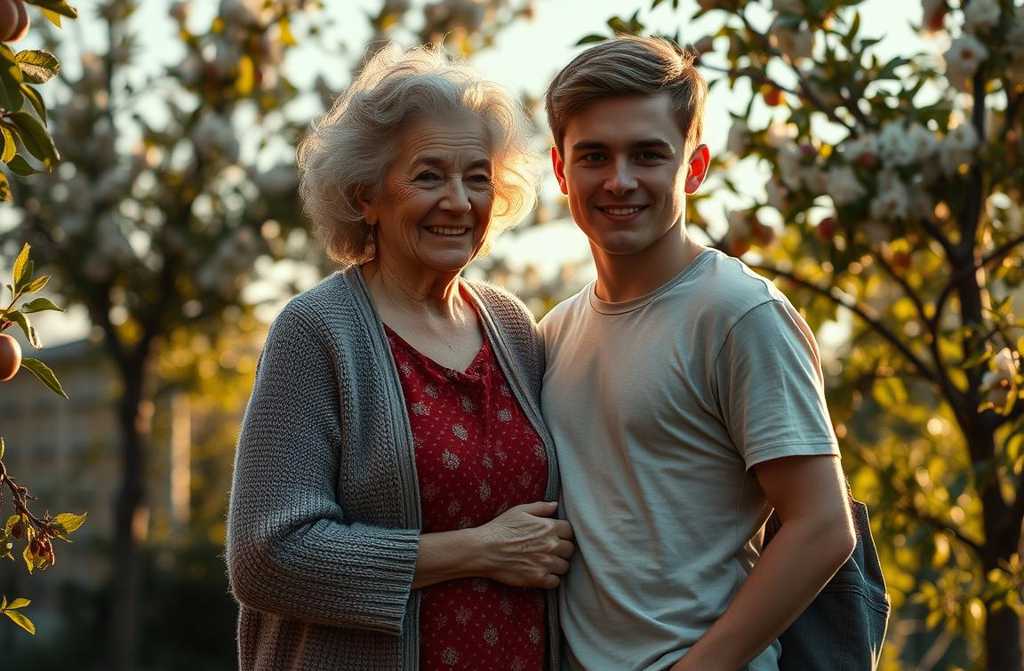
Summer House Rules
When the train braked to a halt at the tiny platform, Edith Chapman was already standing right at the edge, clutching her battered canvas bag to her chest. Inside, apples rolled around, there was a jar of homemade raspberry jam, and a plastic tub full of sausage rolls. All of this was, of course, quite unnecessarythe grandchildren always arrived well fed from London, their rucksacks and shopping bags bulging with city snacks. Yet Ediths hands couldnt resist preparing a little something; after all, its what hands like hers were for.
The train gave a lurch, the doors slid open, and out poured three figures at once: gangly Jack, his younger sister Emily, and a rucksack that seemed to possess its own particular spirit and momentum.
Gran! Emily spotted her first, flinging up her arm with such enthusiasm that her stack of charity-shop bangles nearly clattered to the rails.
Edith felt a warmth rush up to her throat. She carefully set the bag on the platform, lest it tip (that jam was a pain to scrub up last summer), and spread her arms.
Oh, just look at you She nearly said grown, but caught herself just in time. They already knew.
Jack approached at a more leisurely amble, squeezing her with one arm while trying to keep hold of the flapping rucksack.
Hi, Gran, he muttered, taller than her by nearly a head these days. There was even stubble on his chin, and his wrists stuck out of his t-shirt like a pair of white twigs. From under the collar, headphone wires dangled threateningly. Edith scanned him for remnants of the little boy who once stomped across her garden in those bright welliesbut all she saw now were the markers of someone quietly trespassing into adulthood.
Granddads waiting in the car park, she announced. Wed best hurry before my sausages congeal.
Just let me grab a photo, Emily interrupted, mobile already in hand, capturing the platform, the carriage, and Edith in quick succession. For my Instagram story.
The word story flitted past Ediths eara bird she might have chased in February, when shed asked her daughter about it, only to promptly forget the explanation. The important thing was that Emily was smiling.
They clattered down the concrete steps. At the bottom, by the battered Mondeo, stood Brian Chapman: he clapped Jack on the shoulder, hugged Emily, and nodded at his wife. His greetings were, as always, understated, but Edith knew he was every bit as glad as she was.
So, summer holidays, eh? he inquired.
Yep, Jack replied with a stretch, lobbing his rucksack into the boot.
On the winding road home, the children grew quieter. Past the window, neat red-brick cottages marched by, and for a moment they could see an old chap tending to his beans and a couple of sheep in a paddock. Emily scrolled through her phone a few times; Jack sniggered at something on his screen. Edith caught herself watching their hands, which were seemingly glued to those black rectangles.
Never mind, she thought. As long as the house feels like home. Whatever they get up to, as long as its our way, its fine.
The house greeted them with the warm, hopeful aroma of fried sausages and fresh parsley. On the veranda stood the old wooden table, covered with a wipe-clean cloth peppered with lemons. In the oven, a cheese and onion pie was finishing itself off; on the hob, the frying pan hissed an invitation.
Whoa, feast! Jack said, peering into the kitchen.
Not a feastlunch, Edith retorted reflexively, then caught herself. Right, wash your hands nowsinks over there, please.
Emily already had her phone out again. As Edith placed bowls of salad, a loaf of bread, and a mountain of sausages on the table, she caught sight of Emily snapping photosplates, the sun coming in the window, and Tilly the cat, cautiously scouting from beneath a chair.
We dont have phones at the table, Edith mentioned as casually as she could.
Jack looked up. Eh?
She means what she says, Brian interjected. Eat now, scroll later.
Emily hesitated, then obediently put her phone face-down beside her plate.
Im just
You took enough, Edith said gently. Lets eat first. You can post things after.
Post things wasnt the right expression. She wasnt sure what the word was anymore. It would do.
Jack, a picture of reluctance, plopped his phone on the edge of the table, wearing the look of someone being asked to surrender a spacesuit on a lunar landing.
Here, Edith continued, pouring blackcurrant squash, We do things by a schedule. Lunch is at one, dinners at seven. Up by nineno exceptions. After that, youre free as birds.
Nine in the morning? Jack protested. But what if I watch films late at night?
People sleep at night, Brian muttered, not looking up from his plate.
Edith felt a delicate line of unrest vibrate between them. She quickly added, Its not military training. Its just that if you sleep until lunch, the days wastedand you wont see half of what you could. Theres a river, woodland, bikes in the shed.
I want the river! Emily piped in. And bikes. And a proper photo shoot in the garden.
Photo shoot sounded more familiar this time.
Perfect, Edith nodded. But first, just a bit of help. Potatoes need weeding out, and strawberries watered. You dont think this is Downton Abbey, do you?
But Gran, its the holidays Jack tried, only for Brian to look up with a raised eyebrow.
Its not a spa break, mate, Brian intoned.
Jack just sighed; Emily nudged his trainer under the table and he cracked half a smile.
After lunch, the kids scattered upstairs to unpack. Half an hour later, Edith poked her head in: Emily was hanging her tops over the chair back, cosmetics and chargers lining up on the windowsill. Jack was slouched on the bed, finger swiping over that wretched screen.
Changed the bedding for you both, Edith said cheerfully. Anything wrong, you let me know.
All good, Gran, Jack replied, eyes never leaving his phone.
All good. The phrase pinched a little, but Edith only nodded.
Well do a barbecue tonight, she said brightly. But after youve had a rest, an hour or so of help in the garden. Just a little.
Mm, Jack replied.
Edith left, closing the door quietly behind her. From inside came the faint purr of Emily giggling over video chat. Edith suddenly felt oldnot in the achy-knee sense, but as if her grandchildren occupied a whole different dimension, drifting just outside her reach.
Never mind, she told herself. Well manage. Main thing is not to push.
That evening, as the sun hung low behind the cherry tree, the three of them stood in the veg patch. The earth was warm, the grass crunchy and dry underfoot. Brian pointed out which greenery was lettuce and which, ruthlessly, had to go.
Pull this one upkeep that one, he explained to Emily.
What if I mix them up? Emily squatted, making a theatrical face.
No harm done, Edith chimed in. Were not running the National Trust.
Jack loitered at the border, leaning on a hoe, eyeing the house. The tell-tale blue glow of his computer monitor flickered in the bedroom windowa tiny urban beacon.
Not lost your phone, have you? Brian called.
Left it upstairs, Jack mumbled.
Edith felt inexplicably pleaseda totally disproportionate delight.
The first few days passed in cautious harmony. Every morning Edith woke them with a gentle knock; they grumbled and turned over, but by half nine, there they were, sleep-mussed, at the table. They pitched in just enough with the chores before vanishingEmily arranging photo shoots with Tilly and the strawberries for her followers, Jack reading, headphones in, or off stalking bees on the battered old bike.
There were rules, of course, held together with a thread of compromise: phones off at the table, no howling at odd hours. Only onceon the third nightdid Edith stir to hear muffled laughter behind the wall. Quarter past midnight, according to her clock. Should she ignore it, or intervene? The laughter snickered again, followed by the familiar blip of a voice message. Sighing, she wrapt on her dressing gown and padded over.
Jack, are you awake?
The laughter stopped immediately.
M here, came a hoarse whisper.
He cracked the door; eyes bleary, hair sticking up in tufts, phone in a death grip.
Why arent you asleep? she asked gently.
Watching a film, Gran.
Midnight movies, eh?
Were doing it togethergroup watch. The others are in different houses, but we message as we go
She pictured it: scattered teens hunched in separate rooms across England, swapping opinions about superhero movies instead of sleeping.
How about this she said, If you need to finish a film, thats fine. But after midnight, its lights out. Deal?
He groaned. Theyre still online
And theyre in London, youre here. House rules, mate. Im not making you turn in at nine.
He scratched his head, pondering. Alright, he said. Midnight.
And close your doorthe light trips up the foxes.
Edith lay awake afterwards, convinced she should have come down harder, like she used to with her own daughter. But times had changed; put the hammer away.
Inevitably, conflicts started cropping up over the little things. One especially muggy morning, Edith asked Jack to help Brian shift some planks to the shed.
In a sec, Jack grunted, eyes fixed on his phone.
Ten minutes later he hadnt budged.
Jack, your granddads carting those boards on his own, Edith called, a steely note sneaking in.
Ill just finish this! Jack snapped back, thumbs blurring.
What can be so important on that thing? The entire countrys not waiting on you, you know.
It is important! Jack retorted, voice sharper than she liked. Were in the middle of a tournament.
A what now?
In the game, Granits a team event. If I bail now, they lose.
She was about to say there were bigger things than games when she noticed the tense set of his shoulders.
How longs it going to take? she asked.
About twenty minutes.
Right, set a timer. But youre helping after.
He nodded, buried back to his phone. Exactly twenty minutes later, she found him shoehorning on his trainers.
Im going, Im going! he muttered.
These pocket-sized negotiations made her feel like maybe, just maybe, she and Brian still had a hand on the reins. But that only lasted until mid-July, when everything cartwheeled sideways.
It was a Saturday, market day. Brian had made it clearlots of heavy bags, shop runs, needed a helping hand and backup for the parking meters.
Jack, youre coming along with your granddad in the morning, Edith said over dinner. Emily and I will stay here and do the jam.
Cant, Jack replied immediately.
Whys that?
Ive got plans. My mates and I are going into towna music festival, food stalls I told you ages ago. He glanced at Emily, looking for an ally, but she just shrugged.
Edith wracked her brain. Had he mentioned it? Maybe. With all the chat lately, things had blurred.
Which town? Brian frowned.
Oh, Bromley. Just from the station, its not far.
Brian didnt seem impressed by not far.
You even know your way? he pressed.
Everyones going. And Im sixteen now.
That sixteen came out like an ID badge for adulthood.
We agreed with your fatherno wandering off alone, Brian said.
Im not alone, Im with friends.
Exactly, Brian sniffed.
The tension in the kitchen thickenedif youd dropped your fork, it might not have hit the floor. Emily finished her pasta and slid her dish away in careful silence.
How about this, Edith suggested, You could all go this evening, and tomorrow Jack goes to his festival?
Markets only open tomorrow, Brian said. And I need the muscle.
I can go, Emily piped up.
You said youd be here with Edith, Brian replied automatically.
Ill manage, Edith said. Jam can wait. Let Emily go with you.
Brian shot her a lookhalf surprise, half gratitude, half something stubborn.
And whats Jack then, management? he muttered.
Jack tried to protest.
Do you not get that were not in London now? Brians voice had that tarmac scruff to it. Were responsible for you, alright?
Theres always someone responsible for me, Jack burst out. Cant I be responsible for myself for once?
Silence. The cold kind.
Edith wanted to say she understood, that shed once wanted to wander off on her own too. Instead, she heard her own dry voice say, While youre here, you live by our rules.
Jack shoved his chair back.
Fine, then. I wont go.
He stomped out, banging doors in his wake. They heard a thud upstairs, either a rucksack hitting the floor, or Jack himself flopping on the bed in protest.
The evening crawled onwards. Emily tried to cheer everyone up with stories about a YouTube vlogger, but the laughter sounded half-hearted at best. Brian glowered at his plate; Edith mechanically washed dishes, the words our rules ringing in her head as if someone was banging a spoon against her mug.
That night, the house was eerily still; no creaky floorboards, no cars humming by. Edith noticed the absence of blue light leaking under the door of Jacks room.
Maybe the lad was finally getting a good nights sleep.
By morning, Emily was at the kitchen table yawning, Brian was reading the paper, and the clock said quarter to nine.
Wheres Jack? Edith asked.
Asleep, I expect, Emily replied.
Edith trudged upstairs and knocked. Jack, up you get.
No answer. She peered inthe bed was made (in Jacks own lacklustre way), but empty. Hoodie on the chair, charger on the desk. No phone.
Something inside Edith dropped through the floor.
Hes not here, she told the others, pale.
What do you mean? Brian sat up, instantly alert.
Beds empty. Hes taken his phone.
Maybe he just popped out? Emily suggested.
The trio scoured the house and garden. Jack was nowherenot in the shed, not behind the hollyhocks. Bike untouched in the garage.
The eight forty train, Brian muttered, staring down the lane.
Maybe hes just found some kids to hang out with, Edith tried.
What kids? He doesnt know anyone here. Emily was already typing.
Ill message him.
One minute later: Hes not readingshowing one tick. Emilys face said it all: this was bad.
What now? Edith asked Brian.
He hesitated. Ill go to the stationsee if anyones seen him.
Lets not overreact, Edith pleaded. Hes probably
He left, didnt say a word, said Brian. This is serious.
He was out the door, car keys in hand before anyone could protest.
You stay put, he ordered. If Jack turns up, let me know. Emily, if he phones, tell us straight away.
The morning inched by at glacier speed. Emily kept checking her phone, shaking her head.
Nothing. Hes not even online.
At eleven, Brian shuffled back in. He looked twice his age.
No ones seen him, he said. I even went to the station. Nothing.
Maybe he went to town after all, Edith whispered. That festival.
With what money? Brian scowled.
Hes got his card, Emily interjected. Its on his phone too.
They stared at hercash in the wallet was how they did things, but for kids, money was another invisible stream.
Should I ring his dad? Edith offered.
Give him a call. Hes going to find out anyway, Brian sighed.
The call was grim. Jacks father listened in silence, swore a bit, snipped at them for not keeping an eye. When she hung up, Edith sat down and pressed her hands to her eyes.
Gran, Emily ventured, Hes not really missing. Hes just cross.
Cross enough to leave, Edith replied flatly. As if were the enemy.
The day dragged on. Emily helped make jam, Brian pottered in the shed, but none of it felt right. Emilys phone stayed silent.
By evening, as the sun began dipping behind the houses, there was a tiny rustle on the veranda. Edith, alone with her cup of tea, jerked upthe gate creaked. And there was Jack, right as rain, just a little scruffy, back in the same t-shirt, jeans streaked with dust, rucksack on his shoulder.
Hi, he said quietly.
Edith rose. For a brief moment she wanted to run at him, squeeze him tight, but settled for a measured, Whereve you been?
In town, he looked down. At the festival.
On your own?
With mates. From the next village over. I messaged them earlier.
Brian appeared with a hand towel.
Do you have any clue what youve put us through he started, but his voice cracked in the middle.
I tried to text, Jack said swiftly. Signal dropped. My phone died. I left my charger behind.
Emily was at his elbow, her own phone clenched.
I was texting too, she said. It only showed one tick.
Didnt mean for that, Jack mumbled. I justthought you wouldnt let me go if I asked. And
And so you figured not asking was easier, Brian finished for him.
Another round of heavy silence. But this one felt tamer; all the angry edges blunted by fatigue.
Come sit down, Edith finally said. You need a plate of something.
Jack obeyed, knocking back two helpings of soup and half a loaf of bread in silence. Everythings so expensive, he muttered. Those posh food vans.
Your posh, not oursbut Edith let it go.
Later, once theyd put away the jam and the last tray of scones, the four of them sat with cups of tea in the golden dusk.
Right, Brian said, making room for himself on the bench. We get ityou want some freedom. But as long as youre staying here, it comes with a catch: were responsible. That means no vanishing acts.
Jack said nothing, picking at a loose thread on his jeans.
If theres somewhere you want to go, Brian continued, we discuss it. At least a days notice. Well look at how to get there, how to get back. Whos picking you up, whos with you. If it checks out, youre off. Otherwiseno.
What if you say no? Jack countered.
Then you sulk, and you come to the shops with us, Edith said, straight-faced. And we sulk too, but we all live another day.
Jack looked uphis face a knot of resentment, worry, and something softer.
I didnt mean for you to worry, he said, barely above a whisper. I justneeded to make my own decision.
Making your own decisions is vital, Edith replied. But youre not the only one affected by them.
She was surprised at how calm she sounded. It wasnt a telling-offjust the plain truth.
He sighed. Alright. I get it.
And one more thing Brian put in, if your batterys dying, find a cafe or the station and charge it. Your first priority is letting us know youre alright. Even if you think well shout.
Fine, Jack agreed.
They sat together for a bit, the sun long dipped, Tilly the cat mewling for scraps in the hedge.
How was the festival, then? Emily asked finally.
All rightmusic was average, food was pretty decent.
Got any pictures?
Phone was dead.
There you go, she grinned. No proof at all.
Jack cracked a feeble smile. But it was a smile, nonetheless.
After that, life settled into a more flexible groove. The so-called House Rules never left, but they softened at the corners. One evening, Edith and Brian even wrote down what seemed essential: up by ten, help with chores for two hours, announce any departures or trips, no phones at the table. They stuck the list to the fridge.
Like camp, but with better puddings, Jack quipped.
Family camp, mind, Edith replied.
Emily drew up a set in return.
You two cant ring me every five minutes if I head to the river, she decreed. And please, no random barging into my room.
But we never do that, Edith protested.
Put it in writing, Jack insisted. Fairs fair.
They signed at the bottom; Brian grumbled, but did it anyway.
With that, genuinely shared activities emerged. Emily dragged an ancient board game from the shed, insisting on a family match in the lounge.
I havent played this since I was little, Jack piped up.
Brian declared he was too busy tinkering in the garagethough soon he was pouncing on the dice with the best of them. They laughed, cheated, and let their phones fester face-down on the mantelpiece.
Supper became a team adventure. One Friday Edith declared, You lot are cooking tomorrow. Ill just tell you where the pans are.
Us? Emily and Jack chorused.
Yes, you. If all else fails, cheese toasties. But it must be edible.
Emily sourced some outlandish online recipe; Jack diced things in a haphazard fashion, both smirking about whether it would poison Brian. Afterward, they all pitched in to wash uparguments now reserved only for the order of napkins.
In the veg patch, Edith introduced personal plots.
This rows yours, Emily, she said, pointing to the strawberries. This ones for you, Jack. Do what you likeif they perish, thats on you.
A scientific trial, Jack grinned.
Control group versus variable! Emily added.
By August, Emily had posted endless strawberry updates online, proud as a Chelsea Flower Show judge. Jack watered his carrots once, then abandoned them. Come digging time, she had a basket brimming with fruit; he had two stunted carrots to show for his efforts.
Lessons learnt, then? Edith inquired dryly.
Definitely, Jack replied solemnly. Carrots arent my destiny.
They laughed together. This time, the tension was gone.
By summers end, the house settled into its own measured rhythm. Breakfast together, then everyone off to their bits, gathering around the table again each night. Jack sometimes still sneaked in an extra late-night scroll, but at midnight, the lights were off. Only the gentle sound of his snoring rolled from behind his door. Emily would escape to the river with a friend from down the road but always let Edith know where she was and when shed be back.
Of course, there were still tusslesover music, seasoning, or whether dishes needed instant washing up or could wait for the morning. But these were just the normal knots and bumps of family life; the grand battle between generations had, for now, been declared a draw.
On the last evening, Edith baked an apple crumble. The house was filled with buttery sweetness, a little breeze drifting through the veranda. Rucksacks were lined up by the door, all precisely zipped.
Lets do a selfie! Emily declared as soon as plates were clean.
Another of your social media capers Brian started and then trailed off.
Just for us, Emily said. I wont even post it, I swear.
They gathered in the garden. The sun was kissing the rooftops, lighting up the old apple tree. Emily propped her phone on an upturned flowerpot, set the timer, and dashed in.
Gran in the middle! she said. Granddad to the right, Jack to the left.
They lined up a little awkward and stiff, shoulder to shoulder. Edith felt Jack brush her elbow; Brian edged in too. Emily hugged them all tightly at once.
Say cheese! She tapped the shutter.
Click. Then again for luck.
Thats perfect, Emily inspected the screen. Look!
On the tiny screen, they looked a bit comicalher with an apron still tied on, Brian in his threadbare shirt, Jack with his hair sticking up, Emily bright as always. But there, in how they stood, was something unmistakable: a proper family.
Can I print that out, darling? Edith asked.
Of course, Emily nodded. Ill send it to you.
But how do I print it if its on my phone? Edith was suddenly lost.
Ill help when you visit, Jack grinned. Or Ill bring you a framed copy in autumn.
Edith smiled, a sense of peace settling inside her. Not because all fences were now mended or everything made easy; there would be misunderstandings aplenty yet. But somewhere between the rules and the freedom, a little footpath had finally been trodden.
Late that night, after the lights went out, Edith stepped onto the front step. Above the houses, a scattering of honest English stars. The house behind her breathed slowly, contented.
Brian joined her, sitting companionably beside her.
Theyre off tomorrow, he said softly.
They are, she replied.
A pause, both watching the distant fox slink by the gate.
We survived, Brian mused.
We did. And who knowswe might have learned something.
Just whos teaching whom, he replied.
Edith smiled. No lights shone from Jacks windownor Emilys. Somewhere, on the table by Jacks bed, his phone would be charging, silently building up strength for the next days journey.
Edith pulled the kitchen door shut, pausing before the fridge. There was the little sheet of House Rules, edges curling, pen balanced alongside. She ran her finger over the line of signatures and wondered if next year, they might change itcross something out, add something new. But the important bits would stay.
She turned off the kitchen light and went up to bed, feeling the house settling down for the night, content to hold all those summer days and ready to make more space for what might come next.



A Homeless Woman Saved My Daughter When I Got Distracted by My Phone for Just a Minute!
My name is Beatrice, Im married and have a lovely daughter. One blustery autumn afternoon, while taking a stroll through...


After Discovering the Truth About My Husband, I Faced a Tough Choice: Should I Report Him or Pretend Nothing Ever Happened?
We fell in love while we were both still at university. Back then, we hadnt two pennies to rub together,...


Those We Hold Closest to Our Hearts Can Suddenly Reveal Their True Nature for All Sorts of Reasons – and That’s Exactly What Happened to Me: In an Instant, They Became Strangers.
Recently, I bought myself a flat in London and I couldnt wait to share the good news with my familymy...


Adam Left His Wife and Children to Live with Another Woman. One Month Later, He Returned Hoping to Reconcile Their Relationship…
Anna was elbow-deep in laundry when her friend Harriet rang. Harriet didnt bother with small talk; she launched straight in,...


My Son’s Birth Mother Abandoned Him, Claiming That Having the Baby Only Ruined Her Life
Ive never been one to turn a blind eye to people in need. A few years back, I moved from...


“If You Want to Place Him in a Children’s Home, I’ll Understand,” Said My Husband
I used to work as a shop assistant. One day, an elderly lady came into the shop, did her shopping,...
I Gave My Mother-in-Law a Gift So Shocking, She’ll Always Get the Shakes Just Looking at It!
Ive given my mother-in-law a present so clever, shell need a sit down! Shell be shook every time she sees...
When My Son Made Me Wait Outside the Door, the Whole Room Fell Silent
When my son made me wait outside the door, silence swept over the house. Id arrived at their home with...