
З життя
The Charming Foreign Countryside Cottage

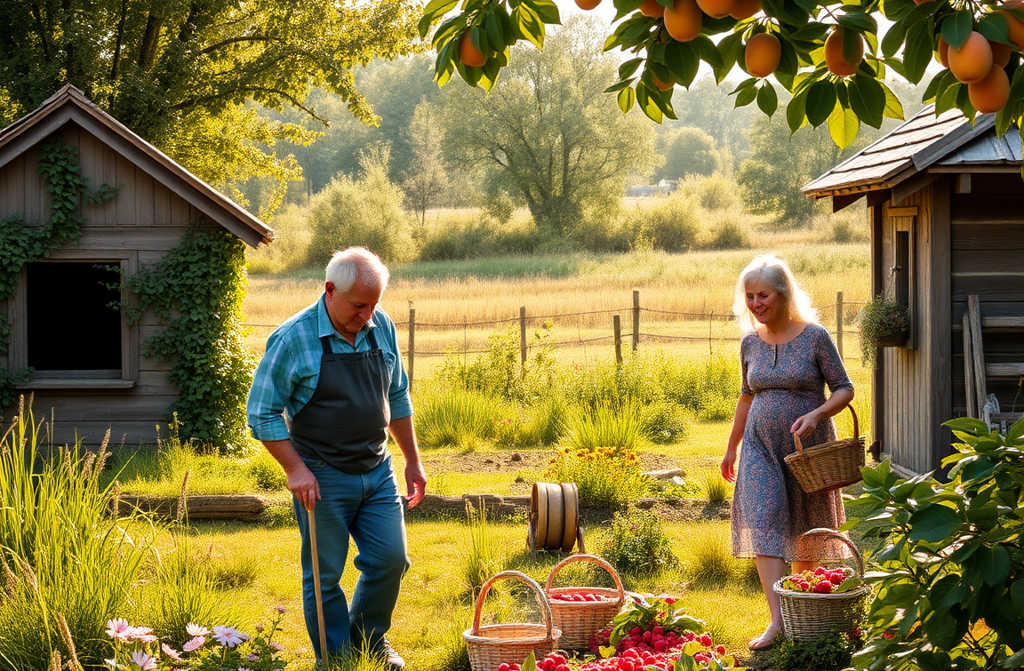
The Foreign Country Cottage
A year ago, the Wilsons bought a country cottage. After turning fifty, Peter felt a strong urge to own a second home. His rural childhood reminded him of the family house and gardening.
Though modest, the little cottage had been well-kept. Peter repainted the wooden shed, fixed the fence, and replaced the gate.
There was enough land for potatoes and a few vegetables, but the orchard left much to be desiredhardly any trees, no shrubs, except for a small patch of raspberry bushes.
“Dont worry, love, well sort it out in time,” Peter said, rolling up his sleeves.
Emily bustled between the flowerbeds, approving her husbands plans.
On one side, the neighbours were friendly, though they rarely visited, keeping their own property tidy. But the other side was completely neglectedthe fence sagged, and tall weeds choked the land.
Those weeds became the Wilsons torment all summer.
“Peter, its unbearablethis mess is spilling into our garden. Itll take over soon,” Emily complained.
Peter grabbed his hoe and attacked the weeds with gusto. But they seemed endless, always creeping back.
“Emily, have a looktheir pear trees are doing well this year,” Peter remarked, eyeing the overgrown plot next door.
“And that apricot treewhat a beauty,” Emily added, pointing at a tree heavy with fruit. Some branches even drooped into their garden.
“Id love to meet these owners at least once,” Peter sighed. “Maybe theyll turn up for the harvest.”
Come spring, Peter couldnt resist watering the neighbours’ treeshed hate to see them suffer in the heat.
But now, the relentless weeds gave no respite.
“They couldve at least mowed once this summer,” Emily grumbled.
The next time they arrived, the Wilsons were amazed by the apricots. For the region, it wasnt unusualmany grew thembut on an abandoned plot?
“No, Im cutting their weeds,” Peter declared. “I cant stand seeing this place strangled.”
“Look, Peter,” Emily said, gesturing at the laden branches hanging into their garden.
Peter fetched a small ladder. “Lets pick these before they rotno ones shown up.”
“Thats stealing,” Emily cautioned.
“Theyll go to waste anyway,” he said, plucking the ripest fruit first.
“Then lets pick raspberries for the grandchildren,” Emily suggested. “Youve mowed their weedsfair trade for the work.”
“Its like we could take it allno one cares for this place. Its just sitting there, an orphan next to ours.”
(adapted from the artist John Parker)
At work, during a break, Peter joined his colleagues chat. The delivery drivers swapped stories.
“Someone keeps sneaking into my garden when Im not lookingshaking my trees twice already,” moaned Nigel Harris, nearing retirement.
Hearing this, Peter broke into a sweat, remembering the apricots he and Emily had pickedand the pears promising a good harvest.
“Wheres your cottage?” Peter dared to ask, dreading the answer.
“Down in the St. Albans allotments.”
“Oh,” Peter exhaled. “Ours is further up.”
“Things ripen earlier your way,” Nigel admitted. “Ours comes late, but they still pinch iteven dug up some potatoes. Im tempted to set a trap.”
“A trap could land you in trouble,” another man warned. “Youll end up in jail.”
“And stealings fine, is it?” Nigel snapped.
That evening, guilt gnawed at Peter. True, it wasnt Nigels plot, but stillhed taken from neighbours.
As a boy, hed run through others gardensbut only for fun, a handful of times.
This was different. Theyd picked apricots from someone elses trees. And now they eyed the pears.
Of course, Peter had planted young treestheyd grow in time. But that apricot tree next door such a shame to let it go to waste.
“No ones coming,” Emily soothed. “If they havent all year, they wont now.”
“But I feel like a thief,” Peter fretted.
“Want me to toss the apricots? Ive already given half to the kids,” Emily admitted.
“Leave ittoo late now.”
So the Wilsons spent the summer tending the neglected plot, pulling weeds. They watched the pears, hoping the owners might appear.
But when the fruit finally dropped, Emily gathered a few in her apron.
Come autumn, after tidying their own garden, they glanced at the neighbours. Even the fence looked mournful, its boards sagging as if begging to be fixed.
Near the gate lay debrisrotted wood, broken glass, scraps of fabricyet even here, late flowers struggled to bloom.
__________
That winter, Peter felt a sweet nostalgia for their cottage.
With springs first green shoots, the Wilsons returned.
“Dyou think the owners will come this year?” Emily asked, eyeing the abandoned plot.
Peter sighed. “Poor garden. Such a waste”
When it was time to till the soil, Peter hired a ploughman.
All the while, his gaze drifted next door. He and Emily had cleared the worst weeds, but the land needed turning
“Listen, matewhat if we plough that side too? Ill pay,” Peter offered.
“But Peter, thats not ours,” Emily said.
“I cant bear seeing it wild.”
“So well tend other peoples land forever?” she reasoned.
“Waitafter lunch, lets check the allotment office. Find out who owns it. This mess bothers me”
_________
At the allotment office, a woman in spectacles flipped through a ledger. “Address again? Cherry Lane, 45?”
“Yes,” Emily said. “They should at least mowand pick their fruit. Such a shame, that lovely orchard going to ruin.”
“Well, its sorted now,” the woman said. “Owners passedgone to the council. No heirs left.”
“So its ownerless?” Peter asked.
“Seems so. The nephew refused itno time for it.” She eyed them. “Fancy buying it?”
“Buy the land?”
“Yes. Wont cost much. All paperworks in order.”
“What dyou think, Emily? Make it ourslegally?”
“Think we can manage it?”
“Well fix it upleave it to the kids. Bring the grandchildren.”
____________
“More work, more worries,” Emily joked as they arrived at the plot.
“Seems weve adopted this gardenour new child,” Peter said.
“Right, Ill haul the rubbish myselfgot the trailer. Clear the weeds, free the orchard, then replace that fence.”
__________
By summer, Peter admired the treetops and Emilys flowers. The old neighbours land seemed to breathe again, drinking in the rain.
“Lookour little gardens come alive,” Peter cheered.
One weekend, the family visited: daughter Lucy, son-in-law Jack, and the grandchildren. The older boys, Tom and Harry, raced ahead, while little Rose paused, enchanted by the flowerbedPeter snapped a photo.
“I like it here,” Jack said, uncoiling the hose for the potatoes. “Could plant gooseberries next year.”
“Thatll be your job,” Peter said. “Well leave a lawn herefor the kids to play.”
“Ill buy them a paddling pool,” Jack promised. Then he eyed the fence. “Shall we crack on? Replace this old thing?”
“Lets,” Peter agreed. “After all, its ours now. Like it invited itself inand see how its thrived. Plenty of raspberries this year”

A colleague tried to dump her reports on me, so I forwarded her request to our manager: “Please help Mary, she’s struggling to cope.”
Charlotte tried to dump her reports on me. I forwarded her request to the manager: Please support Charlotte, shes struggling...
“‘You see, at 50 a woman is more of a liability than an asset.’ A 57-year-old man shared his perspective over dinner. Here’s how I responded”
Do you realise, at fifty a womans more of a liability than an asset. That was his explanation at dinner....


My family gathered around the dinner table, but my father was nowhere to be seen. My heart was instantly filled with worry and fear.
I was just three years old when my father and I became the only ones left in our family. I...


Mum Forbids Me from Inviting My Dad’s New Wife to My Wedding, Even Though She Feels Like Family to Me!
So, my wedding is happening in just a few days, and honestly, its turning into a bit of a nightmare...


Monica Fought to Gain Custody of a Young Boy from Her Neighbourhood—Her World Stopped When She Heard the Same Words from Social Services
Margaret, a gentle woman of 67 years, steadfastly maintained her cherished custom of daily strolls through the village green. Yet...


Mum Always Said Dad Never Needed Me, But the Urge to Find Him Haunted Me – And I Finally Did!
My life has always been shaped by the distinct absence of my father. As I grew older, a restless itch...


Susan enjoyed a wealthier life compared to her friend, so she often shared her fortune by giving her money from her comfortable earnings—little did she realise she was unknowingly building a dowry for her friend’s future husband!
From the outside, I must have looked like a happy woman: a mother of three, fluent in several languages, with...


Awkward Situation – Having Children with Different Fathers
There once lived an elderly couple in our neighbourhood, folks I remember well, and with them resided their daughter, Mary,...