
З життя
The Song That Never Made It to the Radio

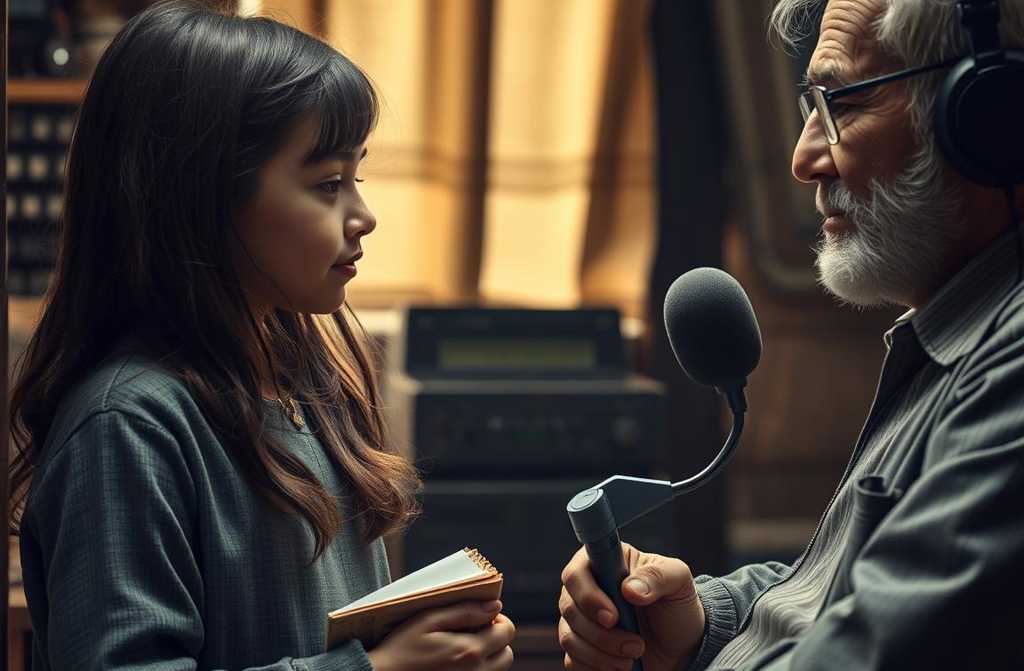
THE SONG THAT NEVER PLAYED ON THE RADIO
When Emily Watson first stepped through the door of the local radio station, she carried a frayed backpack, a notebook stuffed with crumpled pages, and a dream that felt heavier than all her seventeen years put together. Her voice carried the weariness and strength of generations of women before herwomen who had loved, worked, wept, and laughed in silence, unnoticed by the world.
“I want to record a song,” she said firmly, dropping her bag and finally letting her shoulders relax after days of carrying both sorrow and hope.
The radio host, an older man with a bushy, greying moustache, eyed her sceptically. His office was cluttered with yellowing posters, stacks of papers, and an ancient radio humming quietly in the background.
“This isnt a professional studio, love,” he said. “We just do community bulletins, local news, and the odd interview.”
“Doesnt matter,” she replied, voice steady. “I dont want fame. I just want my village to hear me.”
Emily came from a rural corner of Yorkshire where women didnt sing in public. There, songs were about impossible loves or nameless sorrows, but when a girl tried to sing, no one listenednot because they didnt want to, but because tradition demanded silence. Her mother had died young, her father never returned from working down south, and shed grown up between her grandfathers crackling old wireless and the birdsong in the moors. Thats where she learned to turn sadness into melody and silence into lyrics. Her fingers knew how to write before they knew anything else, and her voice was an instrument no one had truly heard until now.
“Whats your song about?” asked the host, curiosity edging out his doubt.
“About a woman who doesnt shout but doesnt stay quiet either,” she said, glancing down as if confessing a secret.
He led her to a corner where they recorded community notices, adjusted the microphone, and nodded for her to begin. Emily closed her eyes and, for the first time in front of a mic, sang with her whole heart.
She sang for the girls who never finished school, for the mothers with hands cracked from dawn shifts, for the grandmothers who could heal with herbs but never read a book, for her little sister already questioning why boys got bigger portions and better chances.
The song had no catchy chorus, no trendy beats, no glossy productionjust truth. And that truth, like rainwater seeping into stone, slipped uninvited into every corner, touching everyone who heard it.
The host sat in stunned silence long after she finished, amazed at the power from such a slight, fragile-looking girl.
“I cant put this online,” he finally admitted, “but Ill play it tomorrow at eight.”
Emily smiled, feeling as if her heart had grown lighter.
“Thats enough,” she said. For the first time in years, her voice had found a home.
The next morning, her song drifted through farmhouse kitchens, village markets with wobbly wooden stalls, and cottages with tin roofs. No one knew who she was, but they felt she sang for themlike a voice from within, stirring memories they thought long buried. A woman kneading dough wept silently into her bread; a boy scrubbing bikes froze, rag in hand; an old teacher scribbled the lyrics like a secret message from life itself.
A few men grumbled: “Now weve got lasses preaching through songs?”
But no one could silence what had already been sung from the soul. Emilys song never hit Spotify, never had a music video, never won awards. Yet it shifted conversations, opened doors, and planted seeds of solidarity.
When the radio played it a third time, someone from the next village called: “Weve got a girl here who sings too. Can she come?”
And so, quietly, without fanfare, an invisible choir beganan army of gentle voices from girls who finally dared to sing, not for fame or competition, but for dignity and the simple need to be heard.
Emily started receiving letterscrayon flowers, clumsy but heartfelt words, scraps of paper brimming with dreams. Each one reminded her that her voice had broken barriers shed never imagined.
The sceptical host became her ally. Whenever she visited, hed switch off the radio, listen intently, and offer advicenot for techniques sake, but to sharpen the emotion in her message.
Years passed. Girls from other villages gathered in schoolyards and village greens, singing Emilys song and writing their own, blending laughter and tears with the strength of those silenced too long. Slowly, the village changed. People spoke more of fairness, of education. Girls didnt stay quiet; mothers sang at gatherings; grandmothers taught reading with pride; boys learned to listen.
Emily kept singing, now with an unseen choir behind hersmall at first, but growing. What began as a song ignored by mainstream radio became a quiet movement, nameless but powerful.
Decades later, Emily returned to the station. The host had aged but was still there.
“Never thought your song would change so much,” he said, voice thick. “Now there are voices everywhere. Girls, women, grannies all singing, all listening.”
Emily smiled. She looked at the old microphone and thought of all the lives it had touched. Her song didnt need social media, cameras, or applausejust one heart willing to listen, and another brave enough to sing.
Because sometimes, what never plays on the radio is exactly what needs to be heard.
In every corner of the villageevery market stall, every school, every moorland paththe song lived on. Children grew up humming it, women sang it while baking or sewing, and newcomers were told: “Listen this is the song that reminds us who we are.”
A song that never needed radio play to reach them all. A song born from one girls courage, but echoing through an entire community.

My Thirty-Year-Old Son Arrived Home at Eight O’Clock in the Evening, Dragging Two Suitcases Along the Pavement as If Returning from a Very Long Journey
My thirty-year-old son arrived home at eight oclock in the evening, dragging two suitcases along the pavement as if returning...


She Pretended to Be an Orphan to Marry Into Wealth and Hired Me as a Nanny for My Own Grandchild—Is …
She said she was an orphan just to marry into a wealthy familyand then hired me as the nanny for...
The Family Thought Their Perfect Home Life Was Just Routine—Until Mum Went on Holiday for a Month
The family thought their smoothly running household was nothing more than the natural order of thingsat least, until Mum jetted...


My Wife Left Me for Another Man After Five Years of Marriage—At First I Wanted to Play the Victim, But Eventually I Realized I Wasn’t the Best Husband Either. We Didn’t Have Children. We Married Quickly After Almost Two Years Together. In the Beginning, Everything Felt Wonderful—Plans, Nights Out, Promises—But Routine Slowly Ate Away at Us Without Me Even Realizing It.
My wife left me for another bloke after five years of marriage, and though at first I was quite keen...


A Gift to Herself
A GIFT TO HERSELF Helen Smith an attractive, blue-eyed brunette in her early fifties, curvy yet with an elegance that...


Dad, do you remember Mrs. Nadine Martin? It’s late today, but come see me tomorrow—I’ll introduce yo…
Dad, do you remember Margaret Beecham? Its late today, but come over tomorrow. Ill introduce you to my little brotheryour...


When I Came Home, the Door Was Wide Open—My First Thought Was a Break-In. “They Must Have Hoped I Ke…
When I returned home that afternoon, I saw the front door wide open. My heart skipped a beat who couldve...


I’m 50 Years Old and Have Lived with My Parents Ever Since I Became Pregnant—Now My Son Is 20
Im 50 now and I still live with my parents, ever since I fell pregnant all those years ago. My...