
З життя
This Is Not Your Home Alena gazed sadly around the house she’d grown up in since childhood. At eighteen, she was already disillusioned with life. Why did fate have to be so cruel? Her grandmother had died, she’d failed to get into university because the girl sitting next to her during the entrance exams had copied all her answers—then was first to hand in her paper, and whispered something to the examiner. He frowned, checked Alena’s work, and announced she was being expelled for cheating. There was no way to prove her innocence. Later, she learned that very same girl was the daughter of the local bigwig. How could an ordinary girl like Alena possibly win such a fight? Now, after so many setbacks, her mother suddenly arrived—with two half-brothers in tow and a new husband. Where had they all been all these years? Alena had been raised by her grandmother; her mother had disappeared after she turned four. She had no happy memories of her mum—while her father worked, her mother would leave her alone at home to go out and enjoy herself. Even when married, she was always looking for “a real man” and made no secret of it, even after Alena’s father died unexpectedly. After becoming a widow, Tamara barely grieved. She packed her things, left her four-year-old daughter on her mother’s doorstep, sold the flat she’d inherited from her late husband, and vanished. Alena’s grandmother tried in vain to appeal to her conscience. Tamara would occasionally show up, but she wasn’t interested in Alena. The last time was when Alena was twelve—Tamara brought seven-year-old Sviatoslav and demanded that her mother transfer ownership of the house to her. “No, Toma! You’re not getting anything!” her mother retorted. “When you die, it’ll be mine anyway!” Tamara snapped, glaring at Alena through the door, collecting Sviatoslav, and slamming out. “Why do you always argue when she comes?” Alena asked her grandmother. “Your mother’s selfish! I obviously didn’t raise her properly—should’ve whipped her more!” Granny Raissa replied irritably. When her granny fell ill, it happened suddenly. Raissa Petrovna had never complained about her health. One day, Alena came home from school to find the ever-busy granny pale and still, sitting in her chair on the balcony. Alena had never seen her just sitting, doing nothing. “Is something wrong?” she asked anxiously. “I don’t feel well… Call an ambulance, Alenushka…” Granny said quietly. Then came the hospital, IV drips… and then death. Raissa Petrovna spent her last days in intensive care, no visitors allowed. Nearly losing her sanity with fear for her only relative, Alena desperately phoned her mother. At first, her mum refused to come, but once Alena said granny was in intensive care, she finally agreed—but only made it in time for the funeral. Three days afterward, she shoved a will in Alena’s face: “This house now belongs to me and my sons! Oleg will be here soon. I know you never got along with him—so why don’t you stay with Aunt Gail for a while, all right?” Her mother’s voice was ice-cold, not a hint of grief. She almost seemed glad Raissa Petrovna had died—after all, she was now the heir! Broken by grief, Alena couldn’t fight her mother. And the will left no room for argument. So she temporarily moved in with Aunt Gail, her father’s sister—a flighty woman still on the hunt for her dream man. The house was constantly full of rowdy, half-drunk guests, and Alena couldn’t bear it. Worse, some of them began showing interest in her, which terrified her. She confided in her boyfriend, Paul. His reaction surprised and cheered her: “I’m not having strange old blokes leering at you or trying to put their hands on you!” he said firmly, despite being only nineteen. “I’ll ask Dad. We have a one-bedroom flat on the edge of town. He promised I could live there once I got into uni—well, I kept my end of the bargain, now it’s his turn.” “I don’t see what this has to do with me,” Alena stammered. “What do you mean? We’ll live there—together!” “Do you really think your parents will agree?” “They won’t have a choice! As of today, I’m officially proposing—will you be my wife and live with me?” Alena almost burst into tears of joy. “Of course—yes!” Aunt Gail was delighted about the wedding, but Alena’s mother nearly ground her teeth to dust: “Getting married, are you? Clever girl! Couldn’t get into university, so you’re using your wiles instead! Let me tell you, I’m not giving you any money—and that house is mine! You’re getting nothing!” Her mother’s spiteful words wounded Alena deeply. Paul could barely make sense of her tearful explanation, but he took her home, where his parents comforted her with tea and sympathy. Paul’s father, Andrew, listened carefully to her story, astonished by all she’d endured in a few short months. “Poor thing! What sort of woman is that?” Paul’s mother exclaimed horrified by Tamara’s behaviour. “What intrigues me,” mused Andrew, “is why she’s so obsessed with claiming the house, if she really has the will.” “I don’t know,” Alena sobbed. “She always fought with gran about this house. She wanted it sold and the money given to her, then she demanded gran sign it over. Gran always refused, saying if she did, we’d end up on the street.” “Strange. Tell me, did you go to the solicitor after your granny died?” “No, why should I?” Alena was surprised. “To establish your right to inherit.” “But the heir is my mum—I’m just the granddaughter. Mum has a will. She showed me.” “It’s not that simple,” Andrew replied. “After the weekend, we’ll go down to the solicitors together. For now, try and rest.” Meanwhile, Tamara brought some papers round and tried to force Alena to sign, but Paul intervened: “She’s signing nothing!” “And who are you to tell her what to do?” Tamara retorted angrily. “I’m her future husband and I think this could be harmful to her. So for now, no signing.” Tamara exploded with insults, but left empty-handed—making Andrew even more suspicious. A few days later, as promised, Andrew accompanied Alena to the solicitors. “Listen carefully, but double-check everything before signing,” he advised. But the solicitor was scrupulous. He accepted Alena’s application and the next day informed her that inheritance proceedings were open in her name. Raissa Petrovna had left a small savings account for her granddaughter’s studies, which Alena had never known about. “And what about the house?” Andrew inquired. “The property was transferred to the girl as a gift some years ago. There are no other documents.” “A gift deed?” Alena gasped. “Your grandmother came to the office some time back to make sure the house would be yours when you turned eighteen.” “And the will?” “It was drawn up seven years ago but cancelled thereafter. Your mother probably doesn’t know. The house is yours. You have full right to live in it.” Andrew’s suspicions were confirmed. “So, what now?” Alena asked, bewildered, outside the solicitor’s office. “What else? Tell your mother this is your house, and she has to leave.” “She’ll never do it! She’s already packed my things to throw me out!” “Well, that’s what the police are for.” Tamara wasn’t pleased to hear the news. “You little wretch! You mean to throw your own mother out? You get out! Who put this nonsense in your head? That fiancé of yours and his old man? No way! I’ve got a paper giving me the right! Your grandma wrote a will making me the heir!” “Exactly!” Oleg chipped in, glaring hatefully. “Get out now, or I’ll make sure you do! The house is being sold! Buyers are coming!” But instead of buyers, the police turned up. After hearing the story, they ordered the trespassers out, warning of prosecution if they refused. Tamara and her family were furious but could do nothing. Alena was finally able to return to her home. Paul moved in with her, fearing her mother’s husband might threaten her. He was right. Tamara and Oleg wouldn’t leave Alena alone for some time. Upon realising Raissa had left a bank account, Tamara tried to claim a share—which was legally possible. Part of the money ended up with her, but the house she never managed to win, no matter how hard she tried. She only gave up after seeing every lawyer she could find. Only then did she pack up and leave for good. Alena never saw her again. Alena and Paul married. The following summer, Alena enrolled in her dream course at university, and by her third year, she had their first child. She was grateful to her husband and his family for supporting her during a difficult time, and went on to live happily ever after. Author: Odette

This Isnt Your Home
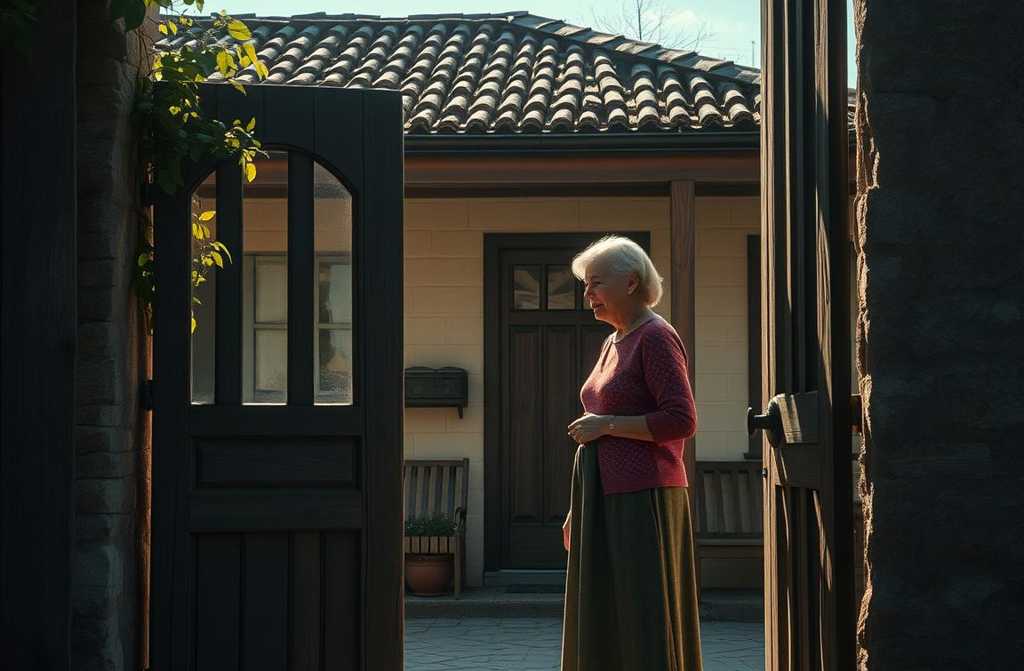
Emily looked around the house shed grown up in, overcome with sadness. At eighteen, she already felt entirely let down by life. Why did fate have to be so cruel? Her grandmother had died, shed failed to get into university because of the girl sitting at the next desk in exams. That girl had copied everything from her, whispered something to the examiner as she handed her answers in first. The examiner frowned, approached Emily, demanded she show her own work, and then declared her banished from the exam for cheating. Nothing she said changed their minds. Later, Emily learned that this girl was the daughter of the local wealthy man. How could anyone compete with that?
Now, after so many disappointments, her mother suddenly appeared, with two biological brothers and a new husband in tow. Where had they been all these years? Her grandma raised her; her mother was only in her life until Emily was four. Even then, there werent any fond memories. When Dad was at work, her mother would leave her alone to go out and enjoy herself. Even married, she was always on the hunt for a worthy man, and never hid it, even after Emilys father died suddenly.
Once widowed, her mother, Deborah, didnt grieve for long. She packed her things, left four-year-old Emily on the doorstep of her own mothers home, sold the flat that had been left to her by her late husband, and disappeared. Grandma Ruth tried to appeal to her conscience, but it was useless.
Deborah would show up now and then, but never cared about Emily. One time, when Emily was twelve, she brought along seven-year-old Stanleyand demanded her mother put the cottage in her name.
No, Debs! Youre not getting anything, her mother flatly refused.
Youll pop your clogs soon enough, then itll be mine anyway, Deborah shot back heartlessly, gave her daughterwatching the scene from next doora scornful look, collected Stanley, and slammed the door behind her as she left.
Why do you always argue every time she visits? Emily asked her grandmother then.
Because your mother is selfish! I didnt raise her properlyshouldve put my foot down more, Ruth scolded, shaking her head.
Grandma fell ill quite suddenly; shed never once complained about her health. One day, Emily came back from school to find her once bustling grandmother pale, slumped in an armchair by the window. Emily had never seen her sitting idly before.
Is something wrong? Emily asked, worried.
Im not feeling well… call an ambulance, Em, her grandmother answered softly.
Then came the hospital, drips death. Ruths final days were spent in intensive care, no visitors allowed. Panicking over her only real family, Emily desperately phoned her mother. Deborah refused to come at first, but when Emily said grandma was in intensive care, she finally agreed. She arrived just in time for the funeral, and three days after, she waved a will under Emilys nose.
This house belongs to me and my sons now! Oliver will be here soon. I know you two dont get along. So why dont you stay with your Aunt Gail for a while, alright?
There was no trace of sorrow in her mothers voice. It seemed she positively relished Grandma Ruths passing, being the heir at last.
Crushed by grief, Emily simply couldnt fight her mother. Besides, the contents of the will were plain as day. So, for a while, she did live at Aunt Gailsher fathers sister. But Aunt Gail was flighty, still hanging onto hopes of landing a rich husband, so her house was always full of noisy, half-drunk guests. Emily couldnt bear it. Worse, a few visitors had started showing her a bit too much attention, which frightened Emily terribly.
She confided all this to her boyfriend, Peter. His response surprised and delighted her.
No way youre living around blokes gawping at you or trying it on! Ill talk to my dad right away. Weve got a flat on the edge of town; Dad promised me I could move in there alone once I got into uni. Well, Ive kept my end, so he needs to keep his.
I dont quite see what this has to do with me Emily said, confused.
How not? Well live there together!
Do you really think your parents will agree to that?
Theyve no choice! In fact, today Im officially asking you: Will you marry me and live with me in a flat of our own?
Emily nearly burst into tears of happiness.
Yes, of course I will!
When Aunt Gail found out about the wedding, she was genuinely happy for them, but her mother was livid.
Getting married, are we? Like youre all that! You couldnt get into uni, so youre taking another route! Youll get no money from me, just so you know! And that house is mine, got that? Youll not get a penny!
Her mothers words wounded Emily deeply. Peter could barely make any sense through her sobs, but he bundled his weeping fiancée to his home, where his parents gave her endless tea and tried to help her calm down.
Peters dad, Michael, listened closely to everything Emily told him, aware shed suffered more in a few months than many do in a lifetime.
Poor girl! What sort of woman would say such things to her own daughter! Peters mum exclaimed, clearly shaken by Deborahs harshness.
I just wonder, Michael said thoughtfully, why does she cling so tightly to that house and brandish the will at you all the time?
I dont know sniffled Emily. She always argued with Grandma about it. First asking her to sell it and hand over the money, then demanding the house be put in her name. Grandma always refused, saying if she did, wed be out on the streets.
Its very strange. Emily, did you see a solicitor after your grandmother died?
No, but why would I? Emily replied, puzzled.
To register your right to inherit.
But Mums the heir. Im just the granddaughter. And Mum has the will. I saw itshe showed me.
Its a bit more complicated than that, Michael replied. After the weekend, lets go together to a solicitor. For now, you need some rest!
Emily managed to meet her mother in the interim. Deborah brought her some papers, pressuring her to sign, but Peter stepped in.
She wont be signing anything!
And who are you, may I ask? Shes an adult; she can decide for herself! Deborah retorted, losing her patience.
Im her fiancé, and I wont let anyone put her at risk. So therell be no signing, end of.
Deborah let loose a volley of insults, but had to leave empty-handed. Michaels suspicions only grew stronger.
A few days later, as promised, Michael went with Emily to the solicitors.
Listen carefully, but check everything before signing, he advised her.
The solicitor was thorough and honest. He accepted Emilys claim, and just a day later, informed them that an inheritance case had been opened for her. Turns out Ruth had a bank account, with some savings set aside for Emilys studiesEmily had no idea about it.
And the house? Michael asked, still accompanying her.
The cottage was given to the girl years agoa deed of gift was filed here. No other documents exist.
A deed of gift? Emily was stunned.
Your grandmother arranged this a few years back to transfer the house to you. Youre eighteen now and have every right to own and live there.
And what about the will?
It was written seven years ago and then revoked. Your mother probably doesnt know. The house is entirely yours.
Just as Michael suspected.
What shall I do now? Emily asked as they left the office.
What else? Tell your mother the house is yours, and ask her to leave.
Shell never do that! Shes already packed up my things to chuck outside!
Well, thats what the police are for.
Hearing her daughters claim, Deborah flew into a rage.
You little brat! Trying to throw your own mother out? Get lost! You think I believe your rubbish? Who put you up to thisyour boyfriend and his dad? Ive got paperwork saying Im the rightful owner! The will says so!
Exactly! So get out, or Ill break your legs so you cant set foot near this house again! barked Oliver, whod been watching, fuming, all along. But Michael and Emily didnt budge.
You do realise those threats could get you arrested, Michael stated in his calm but forceful way.
Oh, who are you, then? Go on, get gone! This house is being sold, just so you know! The buyers are coming soon.
Instead of buyers, the police turned up. Once theyd sorted out exactly what was going on, they insisted the intruders move out or face arrest. Deborah, her husband, and her sons were furious but could do nothing. At last, Emily moved back home. Peter refused to leave her alone, worried Deborahs husband might threaten her, so he moved in as well.
And he was right. Deborah and Oliver kept pestering Emily for ages. When Deborah found out about the bank account, she went to the solicitor and claimed her share. There was no stopping that, so part of the money went to her. But no matter how hard she tried, she couldnt get the house. Only after checking with every lawyer in town did she give up, gather her family, and leave Emilys life for good. Emily never spoke to her mother again.
Emily and Peter got married, and the following summer, Emily started her dream course at university. In her third year, she had her first child. She remained forever grateful to her husband and his family for their unwavering support at the darkest time in her life, and lived happily ever after.
By Odette
—
The Mystery
The cottage was old but well cared for. It hadnt stood empty for long; it still looked lived-in, not yet gone wild or weather-beaten. Thank goodness! thought Lucy. I havent got a man these daysnot that Ill get one now. And Im not exactly one of those sturdy English women who can bang in nails, stop runaway horses, or dash into burning houses!
She climbed the porch steps, fished the key out of her handbag, and unlocked the hefty padlock.
***
Lucy couldnt quite remember why shed been left this house by Aunt May. The old woman was a distant relative; not someone Lucy knew well. Still, one never knows the mind of someone in their twilight years. By Lucys reckoning, Aunt May mustve been nearly a century old. Maybe she was a great-aunt, or a second cousin once removedfamily, at any rate.
Shed visited Aunt Mays once or twice in her youth. Even then, Aunt May was elderly, always fond of living alone, never asking anything of her family. Then, just recently, shed passed away.
When Lucy got the call saying her grandmother had died in the village of Woodside, it took her a moment to realise who they meant. She hadnt expected Aunt May to leave her a cottage and a quarter-acre of land.
A little retirement present! joked Lucys husband, John.
Oh, Ive ages left before retirement yet! Lucy said, brushing him off. Im only fifty-four. By the time I limp to sixty, theyll have moved the retirement age up again, you watch. So, its just a nice present. No idea why though. I barely knew Aunt May was alive. I thought shed gone long ago, the age she was. Still, Im hardly in a position to turn my nose up. If its a gift, Ill make the most of it.
Or we could always sell up! John rubbed his hands together.
***
Its a good thing they didnt. A couple of months after Lucy became a landowner, she had another, less pleasant shockthe discovery that her precious John had been cheating. Yes, just like that. Silver hairs, midlife crisis, stone in the shoeThe affair had been going on for longer than Lucy cared to imagine. A neighbor tipped her off with an awkward, sympathetic word. The rest unraveled predictablytexts, receipts, the undeniable, smug lipstick mark on Johns best shirt. Had Aunt May known all along, somehow? That Lucys golden years with John would tarnish before they even began?
Heart clattering, Lucy drove north alone, the car loaded with two suitcases, a kettle, and a trembling cat carrier. The city had shrunk around her like a too-tight dress; she needed room to breathe. The village of Woodside greeted her with a crooked bridge, a riot of honeysuckle, and the kind of sleepy calm for which no city could compensate.
For weeks after she moved in, Lucy waited for the griefover John, the lost years, lost trustbut instead, she found herself sighing with relief more than with regret. She learned to light the old wood stove, hung lace curtains in the kitchen, and began noting the times the robin came to tap at her window. She realized: here, no one called her Mrs. Hammond or pitied her, or expected anything at all. The cottage, with its imperfect chimneys and sloping beams, simply welcomed her.
One stormy evening, Lucy discovered a dusty tea tin tucked high above the pantry door. Inside, handwritten letters lay bundled in blue ribbon. She almost didnt open themher own pain felt enough for nowbut curiosity won out. The tiny loops and faded lines were unmistakably Aunt Mays, writing to a friend called Agnes.
Aunt May wrote of her long walks, her pride in fixing the garden gate, her quiet joy at sunsets and birdsong. She wrote of disappointment, tooof lost loves and family who forgot to visit, but always, always ended with, How lucky I am to have my little house and myself for company. In the final letter, she wrote, I hope whoever finds this place next will give themselves the chance to belong. A home with a good heart will help heal one.
Lucy pressed her hand to the cool wall, as if to feel Aunt Mays pulse in the beams. She understood, finallyAunt May never needed gratitude or recognition. She gifted the cottage because she saw something kindred in Lucy: a woman who needed saving, but also who might save herself.
That spring, Lucy planted roses beneath the kitchen window and painted the gate sky blue. She baked bread for the first time in decades, and sometimes set an extra cup at the table, just in case a neighbor dropped by. She didnt mind the silence anymore. The cottage and its ghosts kept her companyand just enough mystery remained to keep every tomorrow glimmering with promise.
Lucy never regretted staying. She discovered that coming home was not about the past, but what you dared to create from it. In that mellow cottage, with robins at her sill and a restless, healing heart, Lucy found the one thing Aunt May had wished for her most: peace. And, in time, joy.

Growing Older Isn’t Something to Resist – It’s a Journey to Be Honoured and Celebrated
You know, getting older really isnt something we should be fighting againstits something to be celebrated. Age doesnt steal away...


I’m 26 Years Old and My Wife Says I Have a Problem That I Refuse to Admit.
Im 26 years old, and my wife keeps telling me Ive got a problem I refuse to admit. She brings...


My Dad Brought Home an Old Box and Said: “This Is a Ring from Your Grandmother. You Can Sell It and Buy Yourself a Phone.”
A few days ago, my father came round to see me. We ended up chatting, and I told him about...
My Daughter-in-Law Hung a Sign on Her Door: “Please Don’t Drop By Without Calling First.” And I Lived Just Three Minutes Away.
My daughter-in-law put a sign up on her front door: Please dont visit without warning. And I only lived three...


Mila sat on the floor for ages, unable to move; her fingers trembled so fiercely that she could barely unwrap the package. The fabric was thick, old, yet surprisingly clean—not a rag, not something tossed aside at random. Someone had wrapped it carefully, smoothed the folds, as if protecting not just an object, but a secret that must be guarded at all costs.
Emily sat on the floor for quite some time, unable to move. Her fingers shook so badly that opening the...


Your Granny’s Cottage in the Countryside: If You Don’t Listen, You’ve Got No Mother!
My daughter threw her husband out of the house, can you believe it? Shes only been married for a year,...


My brother was utterly convinced of his artistic talents and chose to quit his job as a waiter while his wife was on maternity leave. Unfortunately, our family was the only one burdened by the consequences of his decision.
It baffles me to think who ever gave my brother the idea that he possessed artistic talent during his school...


I was ten when my father, instead of calling me to breakfast, silently led me outside. That morning, the frost on the window looked like intricate lace, and the air stung my lungs. I wanted to hide under the duvet, pretend I hadn’t heard the creak of the door, that I wasn’t the boy whose turn it was to care for the firewood today.
I was ten years old when my father didnt call me in for breakfast as usual, but silently led me...