
З життя
Time for Yourself: Embracing Self-Care in a Busy World

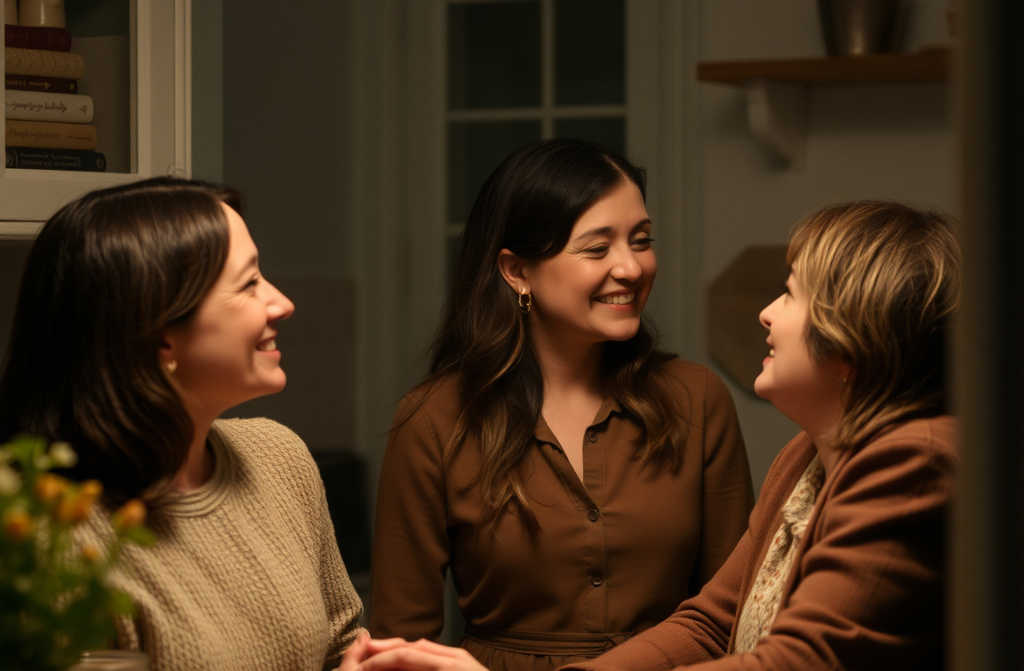
Time for oneself
When the alarm on Natalies clock rang at half past six, she could have stayed in bed longer, but she set it not out of need but from fear of missing the chance to get moving. While the house still lay in silence she slipped in a load of laundry, packed a container of buckwheat and chicken for her husband, checked that her sons English notebook bore his signature, and skimmed the mail marked urgent. In the bathroom the mirror fogged from the shower, and Natalie saw herself in fragments: her forehead, eyelashes, the line of her mouth that had grown tougher over the months.
She worked as a project manager for a firm where everything was measured in deadlines and risk registers. Every minute a chat pinged with a question, and her hand reached to answer even while she stood at the stove. Natalie knew that if she didnt reply straight away someone would think she had dropped out, and she would then have to prove she was still present. She was always present.
Her tenyearold son, Jack, awoke groggy and irritable. Stephen, her husband, rose earlier and headed for the construction site, dropping Jack off at school on the way if Natalie lingered. Stephen wasnt a bad man; he simply lived in a perpetual mustdo mode, as did she, and when he collapsed onto the sofa in the evening his fatigue seemed as natural as the tide. Natalie caught herself envying that plain honesty: tired meant you could lie down. Her own fatigue always demanded justification.
That Monday she remembered she was fortyone when a birthday reminder flickered on her calendar. She had set it herself once, and yet she had forgotten. She glanced at the date, at the endless task list, and dismissed the reminder. On the tube she clutched the handrail, thinking of the budget she had to approve, the order to collect from the depot, the call she must make to her mother lest she take offense. Colleagues sent birthday wishes in short messages with emojis, and Natalie replied thanks on autopilot.
Across town, at the secondary school, Margaret Clarkes first lesson began at eight fifteen. At fortyeight she taught English literature, though in recent years she felt more like a dispatcher. The classrooms buzzed, parents messaged, the deputy head sent spreadsheets that had to be filled by evening. Margaret kept notebooks in her bag, marking essays on the bus and in the kitchen while a pot of potatoes boiled.
Her daughter, Lucy, a university student, lived on her own but called almost daily, and the conversations often ended with requests: transfer money, check the train timetable, help with paperwork. Margaret could not say not now. She feared that refusing would make her a bad mother, a bad teacher, a bad person. The expectations of others sat in her mind like an unbreakable rulebook.
In the staff room a tin of biscuits sat on the table, someone having brought for tea. Margaret took one, then another, and felt a surge of irritationnot at the biscuit but at herself. She heard colleagues gossip about weekend trips, who had managed a massage, and sensed a hidden rebuke in the word managed. She thought she too could manage if she were more composed, if she stopped spreading herself over others demands.
In the local health centre, where Helen worked, a queue had already formed by nine oclock. At fiftytwo Helen was a GP, her consulting room smelling of antiseptic and the dust of old case files. Patients arrived with coughs, high blood pressure, certificates for work. Helen listened, prescribed, explained, and between appointments answered the nurses queries and checked that the computer system hadnt frozen.
She rarely measured her own blood pressure, not because she ignored the risk but because she did not want to see the numbers. When everyone elses figures filled the day, her own seemed an unnecessary hassle. At home she cared for her elderly father, who had suffered a stroke three years earlier. He could shuffle to the kitchen on his own but mixed up his medication, so Helen organised the pills into weekly boxes as if that could bring order to everything else.
The fourth woman, Fiona, was selfemployed. At thirtyseven she ran a homebased nail studio in a modest flat in a new estate, with a mortgage, two windows onto a busy road. Fiona worked from dawn till dusk because each cancelled appointment meant a hole in the budget. She posted pictures of immaculate nails on social media, captioned available slots, and answered messages at two in the morning.
Her partner, Tom, lived with her but behaved more like a guest. He helped occasionallycollecting parcels or taking out the rubbishbut largely believed Fiona was her own boss, so she could manage herself. Fiona never argued; she feared a dispute would turn into a fight, a fight into a breakup, a breakup into yet another item on her evergrowing list of worries. She already had enough.
What bound them together was not age or profession, but the way each held the weight of life as if it might crumble if a single thread slipped. Around them, contradictory voices never ceased.
Natalie heard the office chatter about productivity and the right balance. On her social feed she saw videos of women jogging, sipping green smoothies, proclaiming selflove. She watched with a weary anger; the smile felt like another duty.
Margaret heard the same in a parentchat where mums debated extracurricular clubs and tutors, and in conversations with neighbours who could both scold careerdriven women and laugh at housewives. Helen heard it in the waiting room, where patients demanded attention while accusing doctors of doing nothing. Fiona heard it in comment sections: How do you do it all? followed by Youre just at home.
Natalies first alarming moment came on a Wednesday on the tube. She stood in a carriage, phone in hand, reading a bosss message: We must close today or well fall behind. The train jerked hard, and Natalie felt something clamp around her chest, as if a hand had seized her heart. The air grew thin. She tried to breathe deeper, but each inhalation was short and sharp.
She thought she would collapse. She did not want to fall. Shame rose at the thought of weakness. She alighted at the next stop, sat on a bench, and pressed her hand to her chest. The station hummed; people talked on phones, someone ate a pastry. Natalie stared at her knees and counted breaths.
She pulled a bottle of water from her bag, took a sip, and felt a slight release. Not immediately, not gracefully, but slowly, as if her body were bargaining with her. After ten minutes she managed to stand and called a taxi to the office. In the cab she texted her manager: Ill be an hour late, not feeling well. Her fingers trembled, and she imagined the tremor visible on the screen.
He replied: Right. Hang on. Natalie read it and felt an odd emptiness. Hang on was a familiar phrase, but now it sounded like an order.
Margarets alarm rang in the form of a flare. On a Friday evening she was grading notebooks, the soup cooling on the stove, when Lucy called, insisting she needed money for some contribution. Margaret tried to work out what the contribution was while also remembering a school cleanup the next day.
At that moment a parent messaged: Why did my son receive a C? You must explain. A hot wave rose inside Margaret. She snapped at Lucy, Wait, I cant now, and Lucy took offense. Then Margaret opened the parents message and replied with a curt, almost rude reply. She sent it and immediately regretted it.
She sat, staring at the screen, feeling shame cling to her throat. She wished she could turn back time, erase the words, do it differently. But the message was gone. Margaret switched off her phone and went to the bathroom, closed the door, and simply stood by the sink. In the mirror she saw red marks on her neck.
Helens alarm was medical, yet still unexpected. On a Monday after a clinic, a throbbing headache and nausea struck. A nurse said, Helen, you look pale. Helen brushed it off, but an hour later she realized she couldnt just brush it away.
She entered the procedure room, asked to have her blood pressure measured. The numbers were high. Helen stared at them, thinking not of herself but of the full day ahead, of her father with no one to feed him, of patients who would complain if appointments were cancelled. Then she heard her own professional voice, dry and precise: I need sick leave. Saying it was harder than diagnosing a patient.
Fionas crisis manifested as numbness in her fingers. One evening, while polishing a clients nails, she suddenly felt no sensation at the tip of her thumb. She smiled at the client, said, Just a moment, and slipped into the bathroom, turned on cold water, and held her hand under the stream. The numbness persisted.
She returned, finished the work, took the payment, saw the client out, closed the door and sat on the hallway floor. The thought swirled: if her hands gave out, everything would collapsemortgage, supplies, food, bills. She searched her phone: numb fingers manicure. Articles warned of carpal tunnel, inflammation, surgery. Panic rose.
Tom arrived late, a shopping bag in hand. He saw Fiona on the floor and asked, Whats wrong? She tried to explain, but words came in fragments. Tom sat beside her, looked at her hands and said, Just rest a few days. It was said plainly, without malice, yet Fiona heard it as incomprehension. A few days meant lost income and unhappy clients.
These crises were not catastrophes. No one died, no one lost a job in a single day. Yet after them each woman felt the old steadiness wobble. Each sensed that continuing as before was impossible, yet did not know how to change.
That evening Natalie arrived home later than planned. Stephen had already fed Jack; a plate of cold pasta sat on the table. Natalie took off her coat, sat down and said, I felt ill on the tube. She tried to speak calmly, but her voice trembled.
Stephen looked closely. Heart? he asked. Natalie shrugged. She wished he would understand that it was more than a heart issue. Stephen said, See a doctor tomorrow. Ill take Jack. Natalie heard practicality, not pity, and that helped.
The next day she booked an appointment through the NHS app. The only slot available was the following week, in the morning. She wanted to cancel because she had a planning meeting, but remembered the bench in the tube and how she had feared collapsing. She wrote to her manager: Ill need to leave an hour early for a doctors visit. She hit send and waited as if a summons would arrive.
He replied a minute later: Okay, let the team know. Natalie reread it and felt a slight relaxation inside. The world hadnt become kinder, but she had allowed herself a small action without justification.
Margaret the next day went to the deputy head. She held a printed copy of the parents angry message, palms sweating. The deputy head, a stern but weary woman, listened. Margaret said, I lost my temper. Im embarrassed. I cant keep up with this flood of messages. Can we set limits on when we must reply?
The deputy head sighed. Were all stretched thin, she said. Lets try a rule: replies by seven p.m., anything later goes to the next day. Ill post it in the staff chat. Margaret felt relief, then immediately guilt, as if she had asked for a privilege.
She called Lucy and said, I can help, but not instantly. I need rest too. Lucy was silent, then asked, Mum, are you ill? Margaret answered, No, just tired. Saying it out loud was terrifying because in her world fatigue was something to endure in silence.
Helen received a weeklong sick note. She left the clinic with a slip and a bag of prescriptions, feeling as though people were looking at her as a fraud. She felt exactly that. At home her father asked, What are you doing here? Helen replied, The doctor said I should rest. He muttered, Rest is for the young. Helen did not argue.
She called a social services helpline, once recommended, asking about hiring a parttime carer. They explained the paperwork, the waiting list, the forms required. Helen jotted the list on a scrap of paper and felt irritation again. Everything boiled down to paperwork and waiting. Still, she decided to start, because otherwise her blood pressure would one day be more than numbers.
Fiona did not cancel any clients the next day. She shifted two appointments to the evening, one to the next day, and that already felt like a disaster in her mind. She messaged a few regulars: I need to ease my schedule for health. Some replied with understanding, others curtly, Okay. One client wrote, Are you ill? Fiona stared at the message, then did not answer.
She found a private orthopaedic clinic online and booked a paid appointment, as NHS waiting was long. She withdrew the money from the holiday savings she never really had. The doctor spoke of hand overload, the need for breaks, exercises, and a wrist splint. The word need sounded like a threat.
At home Fiona told Tom, I need you to take on some of the housework. I cant carry it all. Tom was initially offended. Youre at home, he said. Fiona looked at him and, for the first time, did not smooth it over: I work here. Its a job. If I break down, we both lose income. Tom fell silent, then said, Alright, lets split it. It was no romantic epiphany, just a conversation where she did not back down.
Midmonth each of them reached a point after which there was no turning back.
For Natalie it was a meeting with her boss. He offered another project, saying, You handle things better than anyone. A familiar sting of pride mixed with fear rose. She imagined herself back on the tube, breathless, whispering hang on to herself.
She said, I wont take it. Im at my limit. I can help hand over, but I wont lead. The room fell quiet. A pen click echoed. The boss looked at her and asked, Are you sure? She nodded. Inside she trembled, but she held on not out of habit but out of choice. He replied, Fine, well reallocate. His tone held irritation, not anger. Natalie realised the world had not collapsed, yet she sensed the price: colleagues might whisper that she gave up. She would have to live with that.
Margarets breaking point came when a parent she had answered sharply showed up at the school. He shouted, demanded an apology, threatened a complaint. Margaret listened, feeling the familiar urge to defend herself. She said, Im willing to discuss my sons mark, but I will not converse in that tone. If you wish, we can speak with the deputy head and set an appointment. The parent bristled, but the deputy head, standing nearby, backed her. Margaret left the office with her legs feeling like cotton. Fear lingered, but alongside it grew a sense that she had finally stopped swallowing herself whole.
Helens point arrived when, on the third day of her sick leave, a colleague begged her to pop into the clinic for an hour to help with a report. She walked to the bus stop, felt her blood pressure rise again, and realised she was lying to herself.
She called the colleague back, I cant. Im on sick leave. The colleague sighed, Understood. Helen hung up and, for the first time in many years, lay down in the afternoon. She listened to her father tinkering with a teaspoon in the kitchen and felt both guilt and relief.
Fionas turning point was a clients demand for immediate service. The client wrote irritably, threatening to go elsewhere. Fiona stared at the screen and understood that saying yes would mean another night of endless work and pain in her hands.
She typed, I cant today. I have an opening on Thursday. The client replied, That doesnt work for me. Fiona felt a tightening inside but did not apologise. She put the phone aside, made a simple dinner, and ate without scrolling. The warm food steadied her.
After these points the aftershocks followed.
Natalie told Stephen that evening, I turned down the project. He raised an eyebrow. And? he asked. Natalie braced for reproach, but he simply said, Good. Youre not made of steel. He said it plainly, and that lifted a weight from her throat. She went to Jacks room, sat while he packed his school bag, and for the first time in ages she did not let her mind wander to emails.
Margaret began switching off notifications after seven p.m. The first days she still reached for the phone like a hot pan, fearing disaster if she ignored it. Nothing catastrophic happened. Occasionally a dozen messages piled up in the morning, and the familiar heaviness returned, but now she had a rule to lean on.
She left school with one stack of worksheets instead of a tower, leaving the rest in the cupboarda small rebellion against the old crime of taking too much. At home she allowed herself to sit on the sofa, stare out the window for ten minutes, doing nothing. That nothing felt strange and therefore difficult.
Helen, during her week of sick leave, gathered documents for social services, visited the local council office, submitted an application. The queue, the tickets, the waiting hallall exhausted her as much as the clinic had. Yet at the end she held a letter confirming her claim, and that was concrete.
She bought a new blood pressure monitor, because the old one kept spitting odd readings. At home she logged her pressure morning andShe finally understood that caring for herself was not a selfish act but the quiet foundation upon which all the other pieces of her life could finally stand.



They Left the Maternity Ward Together, Just the Two of Them. No One Was There to Welcome Them, No Cameras Flashing, No Bouquets of Flowers—And It Would Have Seemed Odd Anyway, Giving Flowers to a Man…
So they stepped out of the maternity ward together. Just the two of them. No one was there waiting for...


I’m 27 and I met her at a time when I was least prepared for someone like her. It happened at a smal…
Im twenty-seven, and I met her at a point in life when I was least prepared for someone like her....
Spoken in Fear
It Was All Said in Fear Sarah clutched the sheet of paper with the list of test results and appointments...
To the Borough
To the District I pulled up next to the corner shop at the fork in the road, my old Vauxhalls...


The Unwanted Mum
UNWANTED MOTHER “James, sit down. We need to talkit’s urgent.” My wife sat at the kitchen table, her face set...


When My Sister Sold Our Parents’ Flat Without Asking Me, I Realised the True Cost of My Silence
When my sister sold our parents flat without asking me, I finally understood the price of my silence. I first...


I am 65 Years Old and This Is My Life Since I Got Married—Married at 23, Not Out of Pressure or Preg…
Im 65 now, and this is the story of my life since I tied the knot. I got married at...


I took Caesar in “for the end of his days.” But on the very first night, he brought someone else’s heartache into my home — and woke up the entire building.
I brought Caesar home for the end of his days. But that very first night, he brought someone elses loss...