
З життя
Трирічний хлопчик став свідком трагедії, в якій загинула його мати, врятувавши йому життя.

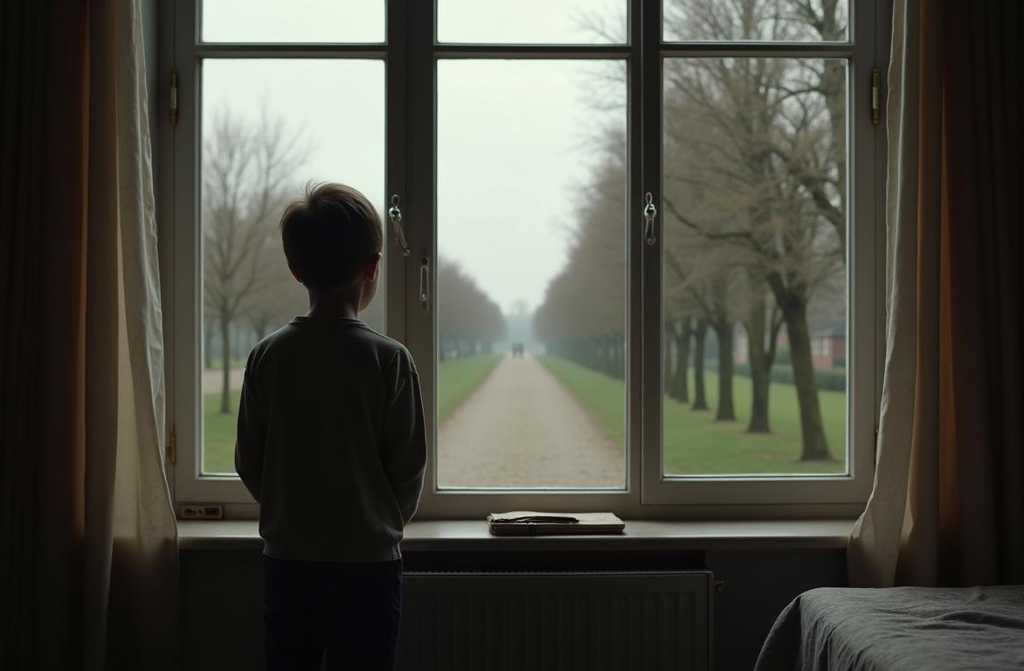
Віталіку було лише три роки, коли він залишився без матері. Вона загинула на його очах, встигнувши відштовхнути сина від мотоцикла, що на шаленій швидкості мчав на них. Як полум’я піднялася її червона сукня, а потім настала темрява і тиша.
Довго хлопчик не приходив до тями, але лікарі зробили все можливе, і він відкрив очі. Усі боялися того моменту, коли він запитає про матір, почне її кликати, але хлопчик мовчав. Він мовчав пів року, поки одного разу не прокинувся серед ночі з душераздираючим криком: «Мама!»
Так, уві сні до нього повернулася пам’ять і знову спалахнуло в очах червоне полум’я. До цього часу Віталік вже жив у дитячому притулку і ніяк не міг зрозуміти, чому його віддали сюди. У нього з’явилася звичка: він почав приходити до великого вікна, з якого було видно дорогу та головну алею, і стояв, напружено вдивляючись вдалечінь.
– Ну що ти тут постійно стоїш? – бурчала стара няня Тамара, майстерно орудуючи шваброю.
– Чекаю маму. Вона прийде за мною.
– Ох, – зітхала Тамара. – Марно ти тут стоїш. Підемо краще, я тебе чаєм напою.
– Підемо, – погоджувався хлопчик, а потім знову повертався сюди і дивився на доріжку, здригаючись, якщо хтось підходив до притулку.
День йшов за днем, місяць за місяцем, а Віталік так і не покидав свій пост, чекаючи, коли ж спалахне серед сірого безрадісного дня червоне плаття і мати, протягнувши до нього руки, скаже: «Нарешті я знайшла тебе, синку!»
Плакала Тамара, дивлячись на дитину, жаліла його більше, ніж інших, але нічим не могла допомогти хлопчику. А з Віталіком розмовляли лікарі, психологи, ще хтось, намагалися пояснити, що не варто так довго чекати маму, не слід день і ніч стояти біля цього вікна, адже є багато інших занять, наприклад, ігри, спілкування з друзями.
Віталік здивовано дивився на цих дивних і нічого не розуміючих дорослих, кивав їм, погоджувався з ними, але як тільки вони його відпускали, знову повертався до свого вікна. Скільки разів Тамара, приходячи на роботу, бачила крізь скло силует хлопчика, стільки ж разів прощалася з ним, відходячи.
І ось того дня жінка озирнулася, глянула на дитину і пішла додому, повільно пересуваючи втомлені ноги. Її шлях лежав через міст над залізницею і тут мало хто затримувався, але сьогодні там стояла молода жінка і напружено дивилася вниз. Раптом вона зробила якесь невловиме рух, і Тамара зрозуміла, що та наважилася на страшний крок.
– Ну і дурна ти, – сказала вона, підійшовши ближче.
– Що? Що ви сказали? – запитала незнайомка у старої, яка суворо дивилася на неї вицвілими очима.
– Дурна, кажу! Що ти удумала, негіднице?! Не знаєш хіба, що це великий гріх – позбавляти себе життя? Не ти його собі дала, не тобі і закінчувати.
– А якщо я більше не можу?! – із раптовим відчаєм викрикнула жінка. – Якщо сил більше немає? І сенсу у всьому цьому не бачу?! Що тоді?!
– Тоді ходімо до мене. Я ось тут за переходом живу. Там і поговоримо. А тут стояти нема чого.
І Тамара тихо пішла, не озираючись і затамувавши подих. Позаду почулися кроки жінки, і Тамара з полегшенням зітхнула, добре, що встигла вчасно.
– Як тебе звуть, дурненька?
– Оля.
– Оля… Донькою моєю так звали. Померла вона п’ять років тому. Захворіла сильно і за рік згасла, залишивши мене сиротою, живу самотньо, ні онуків, ні дітей, ні чоловіка. А мене Тамарою звуть. Проходь, ось моє житло. Не палац, звісно, зате своє. Зараз перевдягнуся і на стіл накрию, повечеряємо та чаю поп’ємо, все і налагодиться. Ольга з вдячністю поглянула на літню жінку і усміхнулася їй.
– Дякую вам за все, тітко Тамаро.
– От те-то… Дякую… Ех, Оленька, адже жінці на землі завжди важко жилося. Скільки сліз, скільки страждань доводиться пережити. Але кидатися в крайність – остання справа.
– Та ви не подумайте, – говорила Оля, зігріваючи долоні гарячою кружкою з ароматним чаєм, – я взагалі сильна. А тут ніби божевілля якесь знайшло. Сама нічого не розумію…
Оля народилася в селі і до семи років жила не знаючи горя. Батько та мати любили її, адже вона була єдиною дитиною в сім’ї. А потім все розвалилося. Тато кинув їх і кудись поїхав, виявилося, що у нього вже кілька років є інша сім’я і діти. Мати, не витримавши удару, почала сильно пити і зривати зло на дочці.
Потім на знак відплати чоловікові, з яким так і не розлучилася, почала водити в будинок чужих чоловіків. Вона занедбала всі справи, не готувала, нічого не робила по господарству і все лягло на плечі малолітньої дочки. Проте дуже скоро материнські собутильники розтягнули все, що залишилося від батька.
Олі доводилося найматися до сусідів то на прополку городу, то на іншу допомогу, за це їй давали продукти і дівчина годувала свою непутящу матір, не отримуючи за це жодної подяки. Втім, вона добрих слів давно не чекала, розуміючи, що нормальної сім’ї з матір’ю у них вже не вийде.
Батько за всі ці роки жодного разу не подзвонив їм, не запитав, як живеться без нього. Хтось казав Олі, що він переїхав жити до іншої країни, і вона зрозуміла, що більше ніколи його не побачить.
Скільки образ і принижень винесла Оля, про це знала лише вона сама. Бідність дівчини не дозволяла їй мати подруг, а хлопці уникали нещасну дочку місцевої п’янички, тому вона страждала від самотності, як ніхто інший. Їхнє село було досить заможним, і сім’ї, подібні до Оліної, можна було перерахувати на пальцях. Тому дівчина з юних років стала ізгоєм у цьому невеликому суспільстві.
Якось до п’ятнадцятирічної Олі, яка спала вночі у своїй маленькій кімнаті, увірвався п’яний собутильник матері. Тільки дивом дівчині вдалося вирватися і вискочити у вікно, уникнувши непоправних наслідків.
До світанку вона просиділа за старим перекошеним сараєм, а потім, коли переконалася, що вдома настала тиша і всі заснули, пробралася в кімнату, забрала свої документи, витягнула з невеликого схованки гроші, кинула в сумку кілька речей і, не озираючись, пішла з дому, щоб не повертатися сюди ніколи.
А ближче до вечора приїхав її батько Іван, щоб зустрітись із дочкою. Він прийшов у жах від того, що побачив, і почав шукати Олю, розпитував сусідів, але ніхто нічого не знав. Зате тепер Івану стало відомо, як жила його дівчинка всі ці роки. Довго плакав він сидячи у своїй дорогій машині і проклинав себе за те, що так пізно схаменувся і повернувся.
Іван довго працював далекобійником і під час одного рейсу познайомився з багатою незаміжньою жінкою Галиною. Вона кілька разів користувалася послугами транспортної компанії, в якій він працював, і щоразу вимагала, щоб приїжджав саме Іван. Він їй сподобався зовнішністю і характером, і Галина зробила все, щоб завоювати його. Так і вийшло. За кілька років їхніх зустрічей жінка встигла народити двох синів, а потім заявила Івану, що їде з України.
– Хочеш жити з нами, давай поїдемо разом. А якщо ні – повертайся до своєї дружини. Я тебе дуже люблю, Ваню, і мені так важко без тебе буде, але наполягати я не хочу. Роби вибір сам.
І Іван обрав її. Звісно, йому шкода було залишати дочку, але розриватися на дві сім’ї він більше не хотів. Та й мати Олі втомила його своїми постійними претензіями і ревнощами. А ще вона стала прикладатися до пляшки, заливаючи спиртним легке нездужання, поганий настрій, просто невдалий день.
Одного разу, коли Оля була у школі, Іван повернувся додому і застав дружину з якимось чоловіком. Це вирішило все. І коли дівчинка прийшла додому, побачила лише п’яну матір. Вона і сказала дочці, що батько кинув їх і вже не повернеться. Не хотіла повертатися додому і Оля.
Вона поїхала до міста і там почала шукати можливість для заробітку. Пощастило їй і з житлом. Добра самотня бабуся Зінаїда здала їй маленьку кімнатку, і дівчина оплатила її за три місяці вперед. Коли термін закінчився, бабуся запропонувала ввічливій та працьовитій квартирантці доглядати за нею, а за це жити безкоштовно.
П’ять років дівчина виконувала все для своєї квартирної хазяйки, останні два роки старенька й зовсім була прикута до ліжка. Коли ж її не стало, наплакавшись від жалю до неї, Оля з подивом дізналася, що стала спадкоємицею Зінаїди і тепер мала власну квартирку, хоч і на околиці міста і зовсім маленьку.
Одного разу Оля познайомилася з Юрієм, молодим чоловіком, який дуже їй сподобався. Юра був цілком заможним, працював у банку, і Оля вирішила, що доля знову посміхнулася їй. Два роки щасливого шлюбу обірвалися в той день, коли Оля застала чоловіка з іншою жінкою. Юрій не став вибачатися і намагатися щось пояснити. Він вигнав коханку, а потім побив Олю, причому так сильно, що вона потрапила до лікарні.
Жінка так і не встигла сказати Юрієві, що вагітна. Малюка вона втратила, і лікарі сказали, що завагітніти ще раз вона навряд чи зможе. У неї більше не було ні сім’ї, ні чоловіка, ні дому. Навіть квартиру, що дісталася їй від Зінаїди, Юрій продав через рік після весілля і купив собі хорошу машину. Тоді Оля не заперечувала, адже вона любила чоловіка і вважала, що все життя житиме з ним разом.
Виписавшись, Оля йшла кудись, не розбираючи шляху, і ноги самі привели її до залізничного мосту. Тамара уважно вислухала свою гостю, жодного разу не перебивши, а коли та замовчала, сказала:
– Ну так це ще нічого. А жити все-таки треба, розумієш? Ти така молода, у тебе все попереду, і любов, і щастя. Ось побачиш. Поки що поживи в мене, я весь день на роботі і додому повертаюся тільки до вечора.
Два тижні Оля прожила у Тамари. Знову чужа людина подарувала їй надію на краще, і воно дуже скоро почало збуватися. Якось зайшов до них новий дільничний Григорій, щоб познайомитися з тими, хто живе в його районі. Тамари вдома не було, і він поговорив з Олею, пообіцявши прийти, коли господиня повернеться. Він і справді приходив ще кілька разів, і швидко став для Ольги Гришею.
Одного разу Григорій подзвонив Олі і запитав, чи знає вона Савельєва Івана Андрійовича.
– Так, це мій батько.
– Олю, він багато років тебе шукає.
І ось вона стала щасливою і багатою. Батько, зраділий тим, що його дочка знайшлася, купив їй хорошу квартиру, відкрив солідний рахунок у банку, допоміг влаштуватися на престижну роботу, обіцяв частіше навідуватися.
Одного разу Оля вирішила провідати Тамару, принести їй гостинці, поспілкуватися з доброю бабусею. Вона прийшла вчасно. Тамара лежала з високою температурою, хвора та немічна.
– Щось мене приступ здолав, Оленько! Боюся, що не видужаю.
– Ну вже ні, тітко Тамара. Швидку я викликала, вони скоро приїдуть і все буде добре. Ви мені вірите?
– Вірю. А тепер слухай. Ти ж знаєш, що я у притулку працюю. Там є хлопчик один, Віталік. Йому недавно п’ять років виповнилося. Я йому свою квартиру хочу залишити, там, на полиці – заповіт. Хай він у тебе побуде.
– А що це за хлопчик? Як я його впізнаю?
– Впізнаєш. Він один такий. Два роки вже у вікна на другому поверсі стоїть, усе маму свою загиблу чекає. Каже, мовляв, прийде за мною у своїй червоній сукні…
Приїхала швидка й забрала Тамару до лікарні. Довго вона там пролежала, потім у санаторій відправилася. Все їй Оля оплатила, і лікування, і путівку. А коли повернулася на роботу, насамперед побачила порожнє вікно. Віталіка хтось усиновив.
Діти наперебій розповідали про те, що за ним таки прийшла його матір. Справді, якось уранці ледь Віталік став на своєму посту, як на доріжці показалася жіноча постать. Хлопчик скрикнув і притиснув руку до сильно б’ючогося серця: жінка в червоній сукні подивилася прямо на нього і помахала рукою.
– Ма-а-а!
Віталік біг до неї, боячись, що вона не дочекається, піде, залишить його. Але вона, розкинувши руки, теж поспішала до нього назустріч.
– Мама! Мамочко, рідна! Я знав, я вірив, що ти прийдеш! Я тебе так чекав, ма-а-а-мочко…
А Оля плакала, обнімаючи худеньке тільце і твердо знала, що зробить усе, щоб цей малюк більше не знав горя. З того дня минуло чимало часу. Оля і Гриша жили у великому будинку, виховували Віталіка, який готувався йти до школи і з нетерпінням чекав появи на світ братика. З ними жила бабуся Тамара, щиро вдячна Олі та Гриші за все. І тихе щастя цієї сім’ї було в тій любові, що вони щодня дарували один одному…



“We’ll Be Staying With You For a While, Since We Can’t Afford to Rent Our Own Place!” – My Friend Announced Unexpectedly. At 65, I’m Still an Active Woman With a Love for Travel and Meeting New People, but an Old Friendship Took a Shocking Turn When Unexpected Guests Arrived at My Doorstep in the Middle of the Night, Refused to Leave, and Left With My Belongings!
Were going to stay at yours for a while, because we cant afford to rent our own flat! my friend...


“I Had to Buy My Own Fridge So Mum Wouldn’t Take My Groceries – Anna’s Unusual Solution to Family Conflict Over Flat Ownership, Money, and Sharing”
I had to get myself a separate fridge, says Charlotte. It sounds ridiculous, but there was no other choice. I...


You’re the Big Brother, So You Have to Help Your Little Sister: You Own Two Flats, So Give One to Your Sister!
Youre the eldest brother, so youre expected to help your younger sister. Youve got two flats give one of them...


My Ex-Husband’s Son from His Second Marriage Got Seriously Ill and My Ex Came Asking Me for Money—I Refused!
Im 37 years old and have been divorced for ten years now. My ex-husband cheated on me, and I couldnt...


My Thrifty Friends Invited Me to a Birthday Party—But I Went Home Hungry
My penny-pinching friends invited me to a birthday do. I returned home famished. I have a small group of mates...


My Children Are Well Provided For, I’ve a Little Nest Egg, and I’m About to Retire—A British Tale of Family, Friendship, and the Quiet Farewell of My Neighbour George
My children are well looked after, Ive a few pounds tucked away, and Ill soon be drawing my pension. A...


Step by Step, We Brought Water and Then Gas to My Aunt’s Home—Upgraded Every Convenience, Rebuilt Her Garden, and Then Found Her House Listed for Sale Online
Little by little, we managed to get water piped into her house, and eventually even had gas installed. After that,...


I Don’t Understand Why I Became His Wife We Recently Got Married—I’d Thought My Husband Was Madly in Love With Me, but Something Strange Happened That Made Me Question Everything. It Wasn’t Infidelity, but Something Much More Serious and Bizarre. I Think It Happened Because I Cared Too Much—I Worshipped Him, Loved Him Unconditionally, and Forgave Everything. He Got Used to That, Grew More Confident, and His Ego Ballooned. He Probably Started to Think Any Woman Would Crawl Before Him at the Snap of His Fingers, Even Though He’s Not Highly Regarded by Others… Anyone Else Wouldn’t Have Tolerated His Mistakes or Trusted Him Blindly. Just Before the Wedding, He Wanted to Be Alone, Take a Holiday, and “Prepare” for Married Life. There Was Nothing I Could Do, So I Accepted and Let Him Go. He Later Told Me He’d Gone Alone to the Mountains to Escape Civilization—No Internet, No Phone—Just to Admire Nature. Meanwhile, I Stayed Home, Missing Him So Much My Heart Ached. I Counted Every Moment Until He Came Back. A Week Later He Returned—The Happiest Day of My Life. I Welcomed Him With All the Warmth and Love I Had, Cooking His Favourite Dishes. Then, the Very Next Day, Something Odd Began. He Kept Dashing Out to the Hallway or Another Room. Soon, He’d Leave the House Several Times a Day for All Sorts of Reasons. One Day, While Heading to the Shops, I Found a Letter in the Mailbox. It Looked Ordinary. Addressed to Me, from Him, Sent While He Was Away. But Its Words Shook Me Deeply. He’d Written: “Hello. I don’t want to mislead you any longer. You’re not the right person for me. I don’t want to spend my life with you. There won’t be a wedding. I’m sorry—don’t look for me and don’t call me. I’m not coming back to you.” So Brief, So Blunt, So Cruel… Only Now Did I Realize He’d Been Rushing to Check the Mailbox All This Time. Silently, I destroyed the letter, saying nothing to him and letting him believe nothing had happened. But how can I stay with someone who doesn’t want to be with me? Why did he marry me and pretend everything was fine?
Im baffled as to why I became his wife. We only just got married. I genuinely believed that my husband...