
З життя
Unattractive

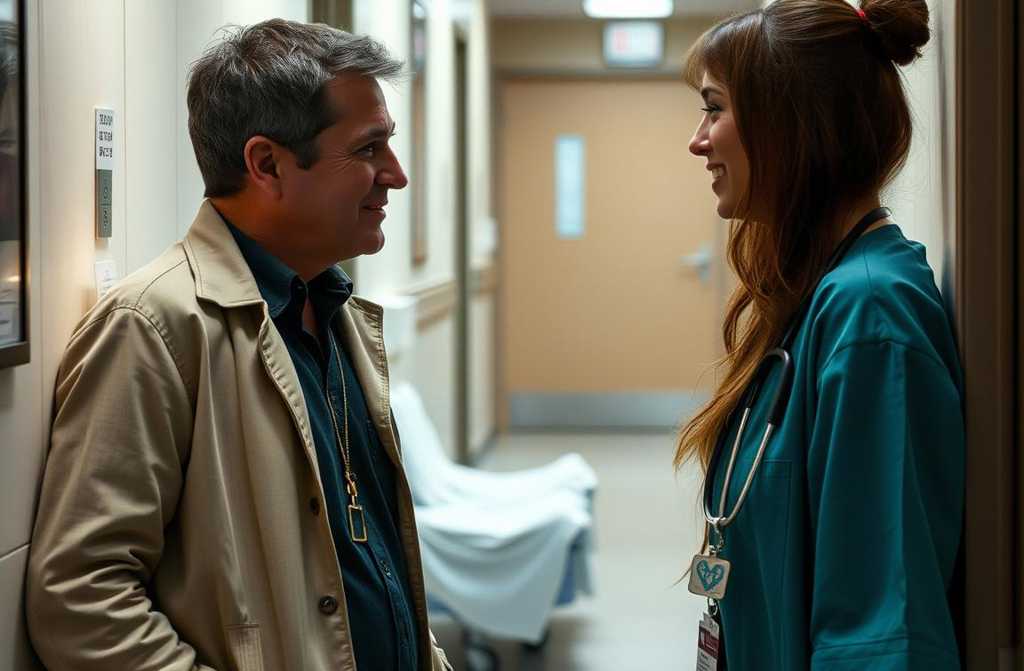
The emergency siren wailed, a sharp crack echoed, and darkness fell over the operating theatre. Slowly the gloom receded and a voice called out:
Mrs. Evelyn Howard, the paramedic says somethings blown up in the plant.
A painful throb pressed a hand against my neck. I forced my eyelids open, barely managing to see a rectangular pendant engraved with zodiac signs. A woman in a white coat stared at me.
Into surgery! a voice shouted from the doorway.
My parents arrived home from work. Mother rushed to the kitchen, peeking into the living room where my son was doing his homework. David, stepping into the room, immediately noticed the boys mood.
Tommy, whats wrong? he asked, rubbing the boys head.
Nothing, the fourthgrader muttered.
Tell me, his father urged.
Its almost International Womens Day. Our teacher kept us after school and told us we have to make gifts for the girls.
And whats the problem? David smiled.
We have an equal number of boys and girls, and she assigned each of us a recipient, Tommy sighed. Ive been paired with the unattractive oneBlythe Yates.
Everyone wants a present for International Womens Day, even those we think are plain, David tried to sound as a grownup. How did she decide? Alphabetically? By zodiac?
Its by compatibility. Blythe is a Virgo, and Taurus is said to suit Virgos best. Im a Taurus.
Sounds like a good match! Maybe youll fall for her after all, David laughed.
I? Blythe Yates?
David burst out laughing just as Linda stormed into the room.
Whats going on here? she demanded.
Lena, go to the kitchen, David said, his tone suddenly stern. Your son and I need to talk seriously.
When Linda left, Tommy asked in a downcast voice:
Dad, what should I do now?
Make a gift, David replied.
What kind?
Tomorrow at work Ill make a present for your chosen girl.
Dad, how can you make a gift? You work at the factory.
Yes, but Im in the metalplating department. We produce all sorts of metal coatings.
Dad, I dont understand.
Youll see tomorrow.
***
The next day David brought a goldenlooking rectangular pendant on a chain. One side was engraved with the signs Taurus and Virgo; on the other, in elegant script, it read:
To my classmate Blythe, on International Womens Day. From Anatole.
The pendant gleamed beautifully, especially when Mom slipped it into a clear plastic bag.
***
On 8 March the teacher decided not to hold a lesson. First the pupils presented her with a gift, which she thanked them for at length. Then she announced that the boys should give presents to the girls.
All the boys rushed to their chosen ones. Tommy approached Blythe Yates and, reciting his fathers words, said:
Blythe, happy International Womens Day! Perhaps someday fate will bring a Taurus and a Virgo together.
He returned to his seat, unaware that his heart had already begun to beat faster for the girl he had once dismissed as plain.
Soon Blythes family moved to another district, and she transferred to a different school in Year Five.
***
Anatole opened his eyes to the white ceiling of a hospital ward. He tried to move his arms and legs; only his left arm responded.
Where am I? he whispered, confused.
A nurse on a wheeled cart approached, looked him over and asked, Are you awake? Youre in the emergency surgery unit.
My limbs are intact? Anatole asked quietly.
Looks like it. Youre just bandaged from head to toe, the nurse replied, smiling.
A doctor entered and asked gently, How do you feel?
Whats happened to me? Anatole replied, his voice trembling.
Your life isnt in danger. Your limbs will work again. The only thing left will be a few small scars, the doctor said, handing him a phone. Your mother asked me to call when you woke up.
My son, a tearful voice rang out.
Mom, its fine, Anatole tried to sound upbeat. They said only minor scars remain. Ill be out of here soon.
My husband cant stay with you overnight, his mother said. Ill be back shortly.
Dont worry, mum, Anatole said, placing the phone beside him and managing a weak smile at the nurse. Thanks.
The nurse smiled back. Youll be out in a few weeks, at least three. Thats for sure.
A fellow patient, hearing the nurse leave, asked, What happened to you?
Anatole recalled, Im a rescue worker. The plants gas cylinders exploded. We were called in first. The building was huge, three of us injured inside. We rushed in, the balloons were burning, we tried to pull the victims out I was the last to exit. Near the door another cylinder blew up. I cant remember after that.
Its what you deserved, the nurse said.
Soon a colleague, Gethin, entered the ward.
Hey, Tom! How are you?
My arms and legs are fine! Anatole answered optimistically, gesturing with his left hand. I can only greet with this one.
Dont be modest, Gethin chuckled.
What happened then? Anatole asked.
We were leaving when it blew up. We turned back, pulled you out you were covered in blood, the doctors were already there.
Thanks! Gethin said.
Tom, what are you talking about? Gethin suddenly smiled. They want to nominate us for medals.
By the time Im discharged, Anatole replied.
Aye, Ive got to go. The doctor will round shortly, the nurse warned.
A doctor in his forties approached.
Alright, hero, hows it going? he asked, checking the wound.
Fine, Anatole replied.
If youre talking, youll live. Let me check you out, the doctor said.
Are you teasing me? Anatole asked. No, Mrs. Evelyn Howard. Shell be here the day after tomorrow.
***
Two days later Anatole attempted to stand. The pain in his legs persisted, his right arm was bruised, and his body bore dozens of fresh wounds. He stared at his reflection; his face was still swollen.
A doctor who had stitched him up for five hours the day before was due for his rounds, making Anatole nervous.
She entereda young, sturdy woman with glasses that suited her, a crisp white coat, and a pleasant smile. Anatole, twentyseven and recently divorced, was taken aback.
Good morning, she said, approaching his bed.
Good morning. Did you operate on me? he asked.
I did, she replied, smiling. Anything wrong?
Everythings perfect! Thank you so much!
Ill examine you now, she said, leaning over him. The pendant with zodiac signs dangled at his throat.
Blythe Yates! he exclaimed.
She looked at his swollen face, then at the pendant, and apologized, Im sorry, I didnt recognise you.
Im a Taurus, he said, pointing to the engraving.
Tom Gornall? she asked, her lips trembling. Do you still remember me?
Of course, Blythe, he replied, placing a gentle hand on her wrist. Im sorry.
She dabbed her eyes with a handkerchief. I never imagined wed meet again like this.
That evening Blythe didnt return to his ward, but Anatole understood they both kept busy schedulesday shifts, night shifts, and two days off.
He didnt want to appear helpless before her, so he spent the next day limping around the ward, using the beds for support and occasionally bracing himself against the wall before venturing into the corridor.
Later that night a new shift arrived, their chatter echoing down the hallway. Suddenly, hurried footsteps and shouts filled the corridoranother patient had just been brought in.
Ten oclock: the nurse turned off the lights in the ward. Yet something kept Anatole awake. Past midnight, footsteps paused in the hallway, and in the silence he heard someone sobbing. He rose carefully and slipped into the corridor.
At the nightdesk sat his former classmate, now a surgeon, her head in her hands, weeping. He placed a steady hand on her shoulder.
Blythe! he called.
She turned, pressed her cheek to his shoulder, and began to speak through tears: I operated on a woman who fell under a machine. I did everything I could. Shes in intensive care now, but she wont survive. She has two children; her husband is here with her.
Take it easy, Blythe, Anatole whispered.
She sighed. Ive been a surgeon three years and still cant get used to people dying.
Take it easy, Anatole repeated. These are the jobs we chose. In five years Ive seen as many deaths, but weve also saved countless lives. My wife left me because Im often home late and earn little. Yet I manage to get by.
She looked at him. Im the same. People call me crazy. Im still single, living with my parents.
Dont worry, were only twentyseven, we have our whole lives ahead, Anatole said.
No, Tom, were already twentyseven, Blythe replied.
The patients pulse is dropping, shouted a frantic nurse.
Sorry! Blythe rushed back to the ICU.
Anatole lay awake all night. In the morning the nurse again turned his bandage.
Is the woman we operated on tonight alive? he asked, surprised even at himself.
Yes, but her condition is critical, the nurse replied.
***
Three weeks later Anatoles wounds had healed. He and Blythe met during her shifts, and his attraction to her grew stronger, though the emergency surgery ward was no place for personal conversations.
During a morning round the surgeon announced, Im discharging you today, he smiled. Youll go straight to your GP, and theyll decide if you need further followup.
Can I start packing? Anatole asked.
Yes, no rush. Theyll have your discharge papers ready shortly.
After the doctor left, Anatole shaved, looked in the mirror, and noted that the two small scars on his cheek added a rugged charm rather than detracting from his appearance.
He gathered his things and stepped into the corridor, where a patient was walking by the wall.
Shes really pulling through! a fleeting thought crossed his mind.
A nurse handed him his discharge slip.
Goodbye, Anatole! Dont come back!
He returned to his oneroom flat, but soon drove to his parents househis mother had been waiting anxiously and even took a few days off work.
Son! she exclaimed, hugging him. Youre alive and well!
Come on, I made dinner. Look how skinny Ive become, she said, laughing.
Ive missed homecooked food, he replied.
Youll stay here until youre fully recovered and maybe get married. Your room is still empty, she teased, nudging him to wash his hands.
That evening Anatole stopped by the barber, then returned to his flat, where his mother tidied his clothes. Later his father came home from work, and they all sat together, talking late into the night.
He fell asleep thinking, Tomorrow I have a GP appointment, then work, then perhaps an evening out.
The next morning he went to the clinic, spent the morning in consultations, and returned to his shift at the factory in the afternoon. In the evening he began to pack.
Where are you heading? his father asked.
Dad, do you remember when I was in fourth grade and you made a pendant for a classmate?
The unattractive Blythe Yates? his father chuckled. I remember.
You told me, You might fall for her.
Yes, and here we are, his father replied.
Blythe is now a surgeon. She performed my operation and still wears that pendant, Anatole said.
Thats a story! his father laughed.
Dad, your words came true. Im going to see her.
Twentyseven isnt a long time to start a life with someone you love. The lesson is simple: sometimes the gifts we give, even the smallest ones, can bring people together in ways we never imagined, and a chance encounter can become the foundation of a lasting bond.

A colleague tried to dump her reports on me, so I forwarded her request to our manager: “Please help Mary, she’s struggling to cope.”
Charlotte tried to dump her reports on me. I forwarded her request to the manager: Please support Charlotte, shes struggling...
“‘You see, at 50 a woman is more of a liability than an asset.’ A 57-year-old man shared his perspective over dinner. Here’s how I responded”
Do you realise, at fifty a womans more of a liability than an asset. That was his explanation at dinner....


My family gathered around the dinner table, but my father was nowhere to be seen. My heart was instantly filled with worry and fear.
I was just three years old when my father and I became the only ones left in our family. I...


Mum Forbids Me from Inviting My Dad’s New Wife to My Wedding, Even Though She Feels Like Family to Me!
So, my wedding is happening in just a few days, and honestly, its turning into a bit of a nightmare...


Monica Fought to Gain Custody of a Young Boy from Her Neighbourhood—Her World Stopped When She Heard the Same Words from Social Services
Margaret, a gentle woman of 67 years, steadfastly maintained her cherished custom of daily strolls through the village green. Yet...


Mum Always Said Dad Never Needed Me, But the Urge to Find Him Haunted Me – And I Finally Did!
My life has always been shaped by the distinct absence of my father. As I grew older, a restless itch...


Susan enjoyed a wealthier life compared to her friend, so she often shared her fortune by giving her money from her comfortable earnings—little did she realise she was unknowingly building a dowry for her friend’s future husband!
From the outside, I must have looked like a happy woman: a mother of three, fluent in several languages, with...


Awkward Situation – Having Children with Different Fathers
There once lived an elderly couple in our neighbourhood, folks I remember well, and with them resided their daughter, Mary,...