
З життя
Ви заможніше, тож і подарунки відповідні, – бурчала свекруха.

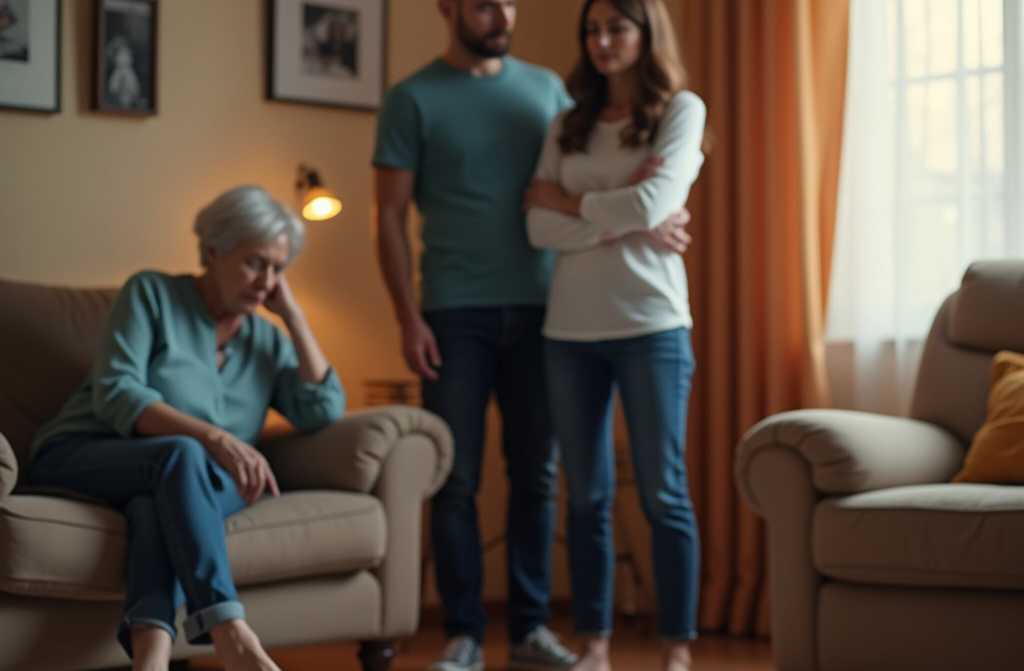
– Ви ж багатші за Оксану, тому і подарунки мусите дарувати відповідні, – пробурчала свекруха.
– Що подарувати мамі, не уявляю, – задумливо промовив Валентин і сів поруч із дружиною на диван.
На це Оксана знизала плечима. Для неї вибір подарунка свекрусі завжди був складним.
Відносини з Валентиною Григорівною у невістки були напруженими від першого дня.
Валентин одразу зрозумів позицію матері, тому, обговоривши з дружиною, пара вирішила тримати дистанцію.
Ніхто нікому нічого не винен. Рідкі телефонні дзвінки та спільні свята, якщо у сторін є бажання – ось і все спілкування.
Цього року Валентина Григорівна вирішила святкувати ювілей і запросила значну частину родичів на своє торжество, не минула й ця участь молодих подружжя.
– Взагалі, мама говорила, що зрадіє будь-якому подарунку, – несподівано згадав Валентин.
– Вона завжди так говорить, а потім ніс верне, – нахмурилась від спогадів Оксана. – Ця твоя сестра може подарувати їй будь–що, але тільки не ми!
Дівчина чудово пам’ятала, як Валентина Григорівна влаштовувала їм розбір кожного подарунка.
– Згадаймо хоча б 8 березня. Що ми їй тоді подарували? Розкішний дорогий набір косметики, а що отримали у відповідь? Сльози і докори, що ми вважаємо її старою й некрасивою, – задумливо зітхнула Оксана. – Якому з наших подарунків вона відреагувала схвально? Золоту чи техніці, бо їх можна перевірити на вартість.
– Може, я таки зателефоную їй і спитаю про подарунок? – нерішуче сказав чоловік.
– Роби, як знаєш, – похитала головою дівчина.
Валентин, бажаючи піти легким шляхом, все-таки набрав номер матері, прагнучи дізнатися, який подарунок вона хотіла б отримати.
– Синочку, мені нічого не потрібно. Самі приходьте – от і буде подарунок, – сором’язливо відповіла Валентина Григорівна.
– Мам, а все-таки? Ти потім на нас не образишся? – поспішив уточнити Валентин.
– Ні, звісно! Я зрадію будь-якій дрібничці, – засміялася у відповідь жінка, і син вирішив до неї прислухатися.
– Мама сказала, що ми можемо подарувати їй, що забажаємо, – повідомив дружині Валентин.
Оксана недовірливо глянула на чоловіка. Вона не дуже-то й довіряла словам свекрухи.
Однак, оскільки Валентин наполягав на покупці подарунка матері на свій розсуд, дівчина здалася.
– Пропоную подарувати їй робот-пилосос, щоб вона не бігала по дому зі шлангом, – прикинувши бюджет, відповіла Оксана.
На тому подружжя й домовилося. Купили Валентині Григорівні подарунок за п’ятдесят тисяч гривень і з легким серцем поїхали на ювілей.
Ювілярка зустріла сина і невістку з радісним обличчям, яке одразу стало невдоволеним, як тільки вона побачила коробку з пилососом.
– Навіщо? – пробурчала вона і важко зітхнула. – Синку, віднеси в кімнату.
Оксана на кілька хвилин ошелешено дивилася на свекруху, яка не оцінила її подарунка.
Слідом за ними в квартиру зайшла золовка з чоловіком. Вона кинулась матері на шию і радісно промовила:
– Мамусю, це тобі!
– Дякую, люба! Ви ніби знали! – Валентина Григорівна кинулась обіймати доньку.
Оксані стало цікаво, що ж за дорогий подарунок золовка подарувала свекрусі, що так її потішив.
З подивом вона побачила, що Оксана вручила матері звичайний набір косметики з магазину за триста гривень.
Оксана запитально глянула на чоловіка, який теж бачив, що саме Валентині Григорівні подарувала сестра.
По обличчю Валентина вона зрозуміла, що він дуже незадоволений тим, як мати відреагувала на їхній подарунок.
Кілька годин чоловік стримувався, але коли Валентина Григорівна знову почала хвалити подарунок сестри, вибухнув.
– Мамо, можна тебе? – Валентин покликав матір у бік.
– Що таке? – спитала жінка, підійшовши до сина. – Щось не так?
– Не так, мамо! Я ж питав у тебе про подарунок. Пам’ятаєш, що ти мені сказала? – осудливо промовив чоловік.
– Пам’ятаю…
– Чому ж тоді ти так зневажливо поставилась до нашого подарунка? Зате дешевому набору з магазину досі не можеш натішитись, – з образою промовив Валентин. – І не обдурюй, що мені все здалося.
– Я й не буду. Ви ж багатші за Оксану, тому і подарунки мусите дарувати відповідні, – пробурчала Валентина Григорівна.
– А ми, як на тебе, які даруємо? – нахмурився чоловік. – Дешеві? Щоб ти раділа, нам потрібно до кожного подарунка прикладати чек?
– Ой, починається, – було видно, що жінка хоче якомога швидше закінчити розмову на цю тему. – Що я можу зробити, якщо подарунок Оксани мені сподобався більше?
– Бо не знаєш ціну нашому? – з насмішкою поцікавився Валентин. – Якщо хочеш знати, він коштує п’ятдесят тисяч!
– Так дорого? – вигукнула Валентина Григорівна, грайливо здивувавшись.
Однак жінка відразу придумала, як вийти з непростої ситуації.
– Знаєш, чому я більше хвалю подарунки від сім’ї твоєї сестри? Бо вони дарують подарунки відповідно до свого бюджету, а от ви робите це абияк, – несподівано випалила Валентина Григорівна.
– Мамо, ти серйозно? – Валентин схопився за голову.
– Чи схоже, що я жартую? Якщо судити по ваших заробітках, то ви могли б мені й путівку в санаторій подарувати, – промовила жінка і гордо задерла голову.
Чоловік настільки вразився словами матері, що кілька секунд дивився на неї не кліпаючи.
– Невже ти справді вважаєш, що на нас з Оксаною гроші кожен день з неба падають? – у Валентина несподівано прорізався голос.
На крик чоловіка прибігли дружина і золовка. Вони обидві завмерли у дверному проході і здивовано дивилися на суперечку.
Оксана швидше Олени зрозуміла, з якого приводу спалахнула сварка, і відразу стала на бік матері.
– Мамі не потрібен ваш робот-пилосос, вона хотіла зволожувач повітря. Її старий зламався три дні тому. Якби ви трохи цікавилися життям мами, то знали б це, – осудливо промовила золовка.
– Я питав у неї про подарунок! – злостиво проскреготав Валентин зубами. – Ви надумали глузувати з мене?! З цього моменту більше не буде жодного подарунка! Ми з усіх сил стараємося, щоб догодити тобі, а ти нас ще й засуджуєш! Робот-пилосос їй не милий, давайте зволожувач! Вибачте, що не виправдали ваших надій! Уходимо! – скомандував чоловік і обернувся до дружини.
Валентина Григорівна заплакала, і поки Оксана її заспокоювала, подружжя з кам’яними обличчями покинули будинок жінки.
Дану матері обіцянку Валентин дотримав. Щоб нічого не купувати і не виглядати дурнем, він вирішив більше не відвідувати сімейні торжества й не нервувати.



No Place to Call Home: Nina’s Journey from Heartbreak and Loss to an Unlikely Friendship with a Homeless Gentleman in the English Countryside
HOMELESS There was nowhere left for Emily to go. Nowhere at all, in fact. Perhaps I could stay a couple...


Aunt Rita: The Story of a 47-Year-Old Londoner, a Self-Confessed Cynic, Who Finds Unexpected Purpose and Family in Helping a Struggling Young Mother and Her Children in a Tower Block, Transforming Both Their Lives and Her Own
Aunt Rita I am forty-seven years old. Just an ordinary womanone might say a bit of a plain Jane. Not...


A STRAY CAT SNEAKED INTO THE BILLIONAIRE’S HOSPITAL ROOM WHILE HE WAS IN A COMA… AND WHAT HAPPENED NEXT WAS A MIRACLE EVEN THE DOCTORS COULDN’T EXPLAIN…
A STRAY CAT slipped into the room of the comatose billionaireand what happened next was a miracle the doctors couldnt...


Michael Stood Still: From Behind the Tree, a Dog Gave Him That Heartbroken Look—A Dog He Could Recognise Among a Thousand
James frozeby the old oak, a dog was staring at him with such sadness, hed have recognised her from a...


The Little Girl Who Wouldn’t Eat: The Night My Stepdaughter Found Her Voice—and Our Family Was Changed Forever
The Little Girl Who Couldnt Eat: The Night My Stepdaughter Finally Found Her Voice and Our Lives Changed 8 December...


The Manor Smelled of French Perfume and Lovelessness. Little Lizzie Knew Only One Pair of Warm Hands—Those of the Housekeeper, Nora. But One Day Money Disappeared from the Safe, and Those Hands Were Gone Forever. Twenty Years Passed. Now Lizzie Stands on a Doorstep, Her Child in Her Arms and a Truth Burning in Her Throat… *** The Dough Smelled Like Home. Not the home with a marble staircase and three-tiered crystal chandelier where Lizzie grew up, but a real home—the kind she invented for herself, sitting on a kitchen stool, watching Nora’s hands, red from washing, knead springy dough. “Mum, why is dough alive?” she would ask at five years old. “Because it breathes,” Nora replied without looking up. “See how it bubbles? It’s happy—it knows it’ll soon be in the oven. Strange, isn’t it? To rejoice at fire.” Lizzie didn’t understand then. Now—she got it. She stood by the side of a battered country lane, clutching four-year-old Micky to her chest. The bus had spat them out into the grey February dusk; all around, just silence—the singular village quiet where you can hear snow creak under a stranger’s boots three houses away. Micky didn’t cry. He had almost stopped crying altogether in the last six months—he’d learned. He just looked at her with dark, uncannily grave eyes, and every time Lizzie flinched: her ex’s eyes. His chin. His silences—the kind that always hid something. Don’t think of him. Not now. “Mum, I’m cold.” “I know, sweetheart. We’ll find it soon.” She didn’t know the address. Didn’t even know if Nora was alive—twenty years had passed, a lifetime. All she remembered: “Pinewood, Oxfordshire.” And the scent of dough. The warmth of those hands—the only ones in that whole big house that ever stroked her hair just because. The lane led them past tilting fences; in some windows, lights glowed—dull yellow, but alive. Lizzie stopped at the last cottage, simply because her legs would go no further and Micky had grown too heavy. The gate creaked. Two snow-covered steps up to the porch. A weathered, peeling door. She knocked. Silence. Then—shuffling footsteps. The sound of a bolt dragging. And a voice—hoarse, aged, yet so unmistakable that Lizzie’s breath caught— “Who’s out in this darkness?” The door swung open. On the threshold was a tiny old lady in a knitted cardigan over her nightie. Her face—like a baked apple, a thousand wrinkles. But the eyes—the same. Faded, blue, still full of life. “Nora…” The old woman froze. Then slowly lifted the very same hand—knotted and work-worn—and touched Lizzie’s cheek. “Merciful heavens… Lissie?” Lizzie’s knees buckled. She stood there, clutching her son, unable to speak, tears streaming hot down her frozen cheeks. Nora asked nothing. Not “where from?” Not “why?” Not “what’s happened?” She simply unhooked her old wool coat and threw it round Lizzie’s shoulders. Then gently lifted Micky—he didn’t even flinch, only watched with those solemn eyes—and pulled him close. “Well, you’re home now, my darling,” Nora said. “Come in. Come in, love.” *** Twenty years. It’s enough time to build an empire and lose it. To forget your native tongue. To bury your parents—though Lizzie’s were still alive, just as distant as hired furniture. As a child, she thought their house was the whole world. Four storeys of happiness: a lounge with a fireplace, her father’s wood-panelled study, which smelled of cigars and sternness, her mother’s plush bedroom with velvet drapes, and—down in the basement—the kitchen. Nora’s kingdom. “Lizzie, don’t be in here,” nannies and tutors would chide. “You should be upstairs, with Mummy.” But Mummy was always on the phone. Always. With friends, with business partners, with lovers—Lizzie didn’t understand, but she sensed: something was wrong. Something not right in the way her mother laughed into the phone and how her face changed when Dad walked in. But in the kitchen, things were right. Nora taught her to pinch pierogis—crooked, lumpy, ragged seams. They watched the dough rise together—“Hush, Lizzie, don’t make a sound or you’ll upset it.” When shouts started upstairs, Nora would sit her on her knee and sing—something simple, wordless, just a melody. “Nora, are you my mother?” she once asked at six. “Of course not, miss. I’m just the help.” “Then why do I love you more than Mummy?” Nora fell silent, stroking Lizzie’s hair. Then she whispered, “Love doesn’t ask, see. It just comes, and that’s it. You love your mum, too—just different.” But Lizzie didn’t. She knew it, even then—with a child’s forbidden clarity. Mum was beautiful, Mum was important, Mum bought her dresses and took her to Paris. But Mum never sat up when Lizzie was ill. That was Nora—nights on end, her cool hand on Lizzie’s brow. Then came that night. *** “Eighty thousand,” Lizzie overheard from behind a half-closed door. “From the safe. I know I put it there.” “Maybe you spent it and forgot?” “Edward!” Her father’s voice was tired, flat, like everything about him in those years. “All right, all right. Who had access?” “Nora cleaned the study. She knows the code—I told her to dust.” A pause. Lizzie pressed herself to the wall, feeling something vital tear inside. “Her mother has cancer,” Dad said. “Treatment’s expensive. She asked for an advance last month.” “I didn’t give it.” “Why?” “Because she’s staff, Edward. If staff gets handouts for every mum, dad, brother—” “Harriet.” “What, Harriet? You can see for yourself. She needed the money. She had access—” “We don’t know for sure.” “Do you want the police? A scandal? For everyone to know we have thieves in our house?” More silence. Lizzie closed her eyes. She was nine—old enough to understand, too young to change a thing. Next morning, Nora packed her things. Lizzie watched from behind a door—a small girl in teddy bear pyjamas, barefoot on the cold floor. Nora folded her few possessions: a robe, slippers, a worn Saint Nicholas icon from her bedside. “Nora…” Nora turned. Calm face, just puffy, reddened eyes. “Lissie. Why aren’t you asleep?” “You’re leaving?” “I am, love. To my mother—she’s not well.” “What about me?” Nora knelt—so their eyes were level. She always smelled of dough—even when she hadn’t baked. “You’ll grow up, Lizzie. Grow into a good person. Maybe one day you’ll visit me in Pinewood. Remember?” “Pinewood.” “Good girl.” She kissed Lizzie’s forehead—quick, secretive—and left. The door closed. The lock clicked. That smell—the dough, the warmth, home—vanished forever. *** The cottage was tiny. One room, a stove in the corner, a table with an oilcloth, two beds behind a faded floral curtain. On the wall, that familiar Saint Nicholas icon, blackened by time and candle smoke. Nora bustled—putting the kettle on, fetching jam from the larder, making up the bed for Micky. “Sit, sit, Lissie. There’s no truth in tired feet. Warm up, we’ll talk after.” But Lizzie couldn’t sit. She stood in this poor, shabby hut—she, whose parents once owned a four-storey mansion—and felt something strange. Peace. For the first time in years—real, solid peace. As if something pulled tight within her had finally gone slack. “Nora,” she managed, voice cracking, “Nora, I’m sorry.” “For what, love?” “For not protecting you. For saying nothing for all these years. For…” She faltered. How to say it? How to explain? Micky was already asleep—gone the instant his head hit the pillow. Nora sat opposite her, tea cup in gnarled hands, waiting. So Lizzie told her. How after Nora left, the house became utterly foreign. Her parents divorced two years later—her father’s empire was a house of cards, lost in the crash, their flat, their cars, their country cottage vanished. Her mother fled to Germany with a new husband; her father drank himself to death in a bedsit when Lizzie was twenty-three. She was all alone. “Then there was Tom,” she said, staring at the table. “We knew each other since school. He used to visit us—you remember? Skinny, messy, always stealing sweets from the bowl.” Nora nodded. “I thought—this is it. Family, at last. Mine. But… he was a gambler, Nora. Cards, slots, you name it. I never knew. He hid it. By the time I found out—it was too late. Debts. Lenders. Micky…” She trailed off. Logs crackled in the stove. The candle-mote flickered against the icon, its shadow trembling up the wall. “When I said I was filing for divorce, he… he thought a confession would save him. That I’d forgive. Appreciate his honesty.” “Confess what, love?” Lizzie met her eyes. “He took the money. All those years ago. From the safe. Saw the code—peeked when visiting. He needed… I can’t even remember why. But yes—for his debts. And you were blamed.” Silence. Nora sat motionless. Her face unreadable. Only her hands around the mug whitened at the knuckles. “Nora, I’m sorry. I only found out last week. I didn’t know, I—” “Hush now.” Nora got up, slowly knelt—creaking with age—as she had twenty years before, meeting Lizzie eye to eye. “My darling. What are you guilty of?” “But your mother… You needed money for her treatment—” “She passed a year later, poor soul.” Nora crossed herself. “What of it? I live. Veg patch, goats. Good neighbours. I never needed much.” “They shoved you out—like a thief!” “Doesn’t life sometimes take us to the truth through a lie?” Nora whispered. “If I’d stayed, I’d have missed my mother’s last year. Being with her then—that was worth everything.” Lizzie was quiet. Her chest burned—shame, sorrow, relief, gratitude—all in a tangle. “I was angry,” said Nora. “Of course I was. I’d never so much as scuffed a penny in my life. Yet there I was—a common thief. But after a while… the anger faded. Not right away. Took years. But it did. Because if you carry bitterness, it eats you alive. I wanted to live.” She took Lizzie’s hands—cold, rough, knotted. “And here you are now. With your boy. At my old door. That means you remembered. Means you loved. And that’s worth more than any safeful of cash.” Lizzie cried. Not like adults do—quietly, to themselves. Like children. Sobbing, face pressed to Nora’s thin shoulder. *** In the morning, Lizzie woke to a smell. Dough. She opened her eyes. Micky snored beside her on the pillow. Behind the curtain, Nora clattered softly. “Nora?” “You’re up, sweetheart? Come, the pies will go cold.” Pies. Lizzie got up and, dream-like, stepped into the kitchen. On yesterday’s newspaper sat a tray of golden, misshapen pies, crimped at the edges just like when she was small. And they smelled—like home. “I was thinking,” said Nora, pouring tea into a chipped mug, “they need help at the village library. Pays little, but you don’t need much here. We’ll get Micky into nursery—Val’s in charge, she’s lovely. After that—we’ll see.” She said this so simply, as though everything was settled, everything perfectly natural. “Nora,” Lizzie faltered, “I’m… I’m nobody to you. All these years. Why did you—?” “Why what?” “Why take me in? No questions? Just like that?” Nora looked at her—that same childhood gaze. Clear, wise, kind. “Remember asking why dough is alive?” “Because it breathes.” “Exactly, love. And so does love. You can’t fire it, can’t dismiss it. If it settles in, it stays. Twenty years, thirty—you only have to wait.” She set a pie before Lizzie—warm, soft, filled with apple. “Come on. You’re skin and bone, dear.” Lizzie took a bite. For the first time in years—she smiled. The sky lightened. Snow shimmered under the first rays, and the world—vast, unfair, complicated—seemed briefly simple and kind. Like Nora’s pies. Like her hands. Like the quiet, steadfast love that cannot be sacked. Micky tumbled out, rubbing his eyes. “Mum, it smells yummy.” “Grandma Nora baked for us.” “Grand-ma?” He mouthed the word, studying Nora. She smiled—crinkles scattering, her eyes lighting up. “That’s right, love. Come eat.” And he joined them. For the first time in months, he laughed—when Nora showed him how to shape silly dough men. Lizzie watched—her son and the woman she once called mother—and understood: here was home. Not walls, marble, chandeliers. Just warm hands. Just the smell of dough. Just love—plain, earthy, unspoken. Love that can’t be bought or sold, that just is—while ever a single heart still beats. Funny thing, the memory of the heart. We forget dates, faces, whole eras, yet the aroma of mum’s pies lingers to our last breath. Maybe because love doesn’t live in the mind. It’s somewhere deeper, where neither hurt nor years can reach it. And sometimes you have to lose everything—status, money, pride—just to remember the way home. To the hands that wait.
The manor always smelled of French perfumeand something colder than loneliness. Little Emily knew only one truly loving pair of...


“Please… Don’t Leave Me Alone Tonight: The Heart-Stopping Night Retired Officer Calvin Hale’s Loyal German Shepherd Ranger Refused to Say Goodbye”
Pleasedont leave me on my own. Not tonight. Those were the last words 68-year-old retired officer Douglas Turner quietly uttered...


A Bruised 7-Year-Old Boy Walks Into A&E Carrying His Baby Sister—What He Said Next Broke Every Heart In The Room
It was just past one in the morning, many years ago now, when young William Turner, a boy of only...