
З життя
Whispers Through Thin Walls

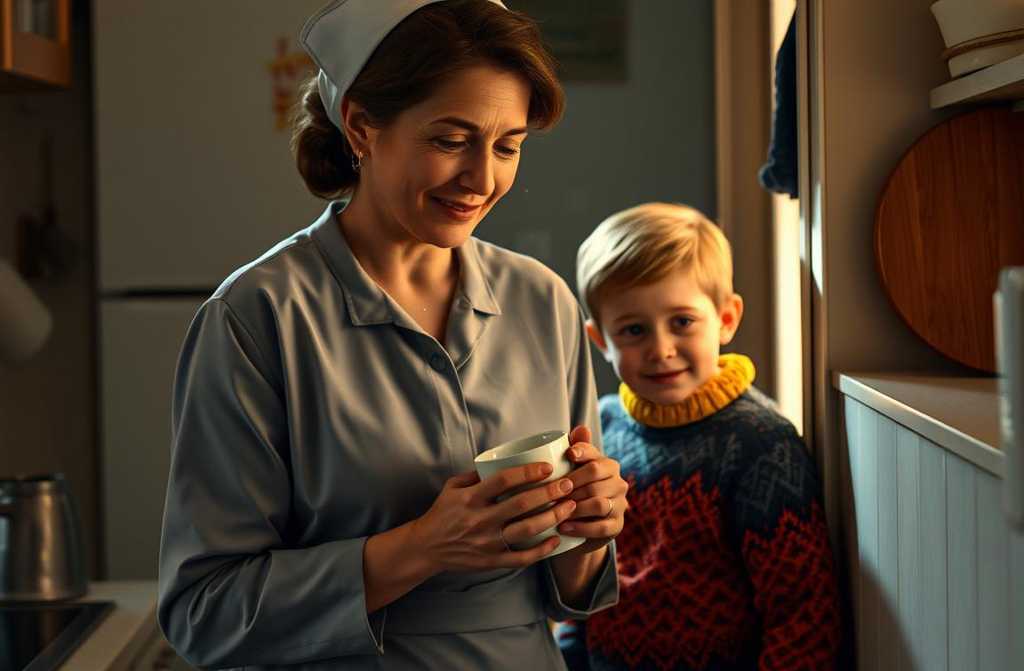
Thin walls
Emma wakes before her alarm, even before the phone buzzes with its short ringtone. At fortytwo her body pushes her out of sleep at six oclock every day, weekends included. She lies staring at the dim rectangle of the window, beyond which a winter sky hangs over rows of brick tenstorey blocks, and she listens to the house.
The building lives with its own weary soundtrack. Somewhere a door slams, footsteps scuff up the stairwell, a childs ball thuds softly on a floor above. The pipes in the walls sigh and gurgle. It all feels as familiar as her own breathing. She knows who leaves for work at what hour, who turns on the music, who shouts at the neighbours dog in the courtyard.
Her name is Emma. She lives in a twobedroom flat on the fifth floor of the same block where she spent her school years. First with her parents, then with her husband and son, now almost alone. The husband walked out three years ago for a colleague in the accounts department, the son is studying at a nearby college and spends some nights with her and some with friends. The flat is livedin but modest: an old sofa, a fitted wardrobe, a kitchen set bought on a payment plan, and a sink perpetually holding a few unwashed plates.
Emma works as a senior nurse at the towns health centre. The bus stop is two stops away, or a fifteenminute walk if the roads arent icy. She enjoys the earlymorning stroll through halfempty courtyards, watching people in warm jackets, bundled up with shopping bags and thermoses. The small town moves at a measured pace. Everyone knows everyoneor thinks they do.
Shes used to the routine. At the health centre she knows all the regulars: the patient faking illness for a sick note, the one terrified of extra tests, the one who complains about the doctor, the one too shy to ask questions. She can speak calmly, persuade, and when needed, set people straight. Trust follows her, giving her a sense of purpose, but by night she returns home exhausted, drops onto the kitchen table, puts the kettle on and watches the dark courtyard where streetlights flicker.
In this town the rules are simple. Keep to yourself. Dont meddle. Everyone looks after their own family, she hears from childhood. The woman upstairs tolerates a drinking husband until he dies of a heart attack. In the flat next door a man shouts at his mother so loudly the whole courtyard hears, and residents just shake their heads. Police are called rarely; it isnt the norm.
The first cries through the wall reach Emma in late autumn, when darkness falls around five. She sips tea in the kitchen, scrolling through news on her phone, when raised voices seep through the adjoining flat. At first she thinks its the TV. Then a sharp, broken female voice slices the silence:
Quiet, the babys sleeping!
A low, guttural male voice replies, words muffled. A heavy thump follows, as if something solid has slammed into the wall. Emmas heart jumps. She knows the family by face only: a young woman with a fiveyearold boy, a tall broadshouldered man always in a work jacket with a messenger bag. They moved in half a year ago, exchanged a few jokes about the perpetually stuck lift, and thats all.
The shouting stops as abruptly as it began. Emma sits a while longer, ears straining. Silence. She tries to return to the news, but the letters blur. Fragments from the health centre whirl through her mind: Hes just shouting, not hurting, She brought it on herself, Its nobodys business. She switches off the kitchen light, heads to the bedroom, turns the TV up louderher usual coping mechanism.
A week later she meets the neighbour on the stair landing. The woman emerges with a garbage bag, her face pallid, a yellowblue shadow under her left eye like a sleepless night. Her hair is tied in a careless ponytail. The boy clutches her coat, fiddling with his zipper.
Morning, Emma says, pausing on the dark spot beneath the eye.
Hello, the woman replies, glancing away.
Emma feels her throat dry. She wants to ask, Is that him? but the words stick. Instead she forces a tentative smile at the boy.
Whats your name?
Harry, the child mumbles, hiding behind his mum.
Youre new here? Emma asks, already knowing the answer.
Yes, we moved in over the summer, the woman forces a brief smile. Im Grace.
The name comes out muffled, as if through cotton. Emma nods and lets them pass. The landing smells of boiled cabbage and detergent. The lift doors creak open, Grace and Harry step inside and descend.
That evening the cries return, louder. First a male curse, then Grace sobbing, then the childs thin whimper. Emma sits on the sofa with a book she never reads. Her chest tightens, palms sweat. She rises, leans her ear against the wall, trying to piece together fragments.
I told you
I didnt take
Youre lying, you
A heavy thump follows. The boy screams, then the crying stops as if a hand has smothered him or dragged him elsewhere.
Emma recoils from the wall. She thinks of calling the police. Her hand reaches for the phone, then stops. What if they ask who called? What if the man finds out? Hes big and angry. He might wait on the stairwell. Shes alone; her son isnt home. And perhaps its just an argument that will pass, leaving her as the meddling neighbour.
She paces the room like a caged animal. The cries rise and fall. Finally the door bursts open, heavy footsteps descend. The man leaves. A muffled sob, a rustle. Emma never dials.
The next day at work she catches herself listening to other peoples conversations more intently than usual. In reception two women gossip about a neighbour who beat his wife so badly she ended up in intensive care. In the procedure room a junior nurse whispers that the neighbour is to blame, she tolerates him. Emma stays silent, giving injections and filling records.
That evening she phones her sister, who lives in a suburban culdesac on the other side of town, raising two kids while working as a shop assistant.
Neighbors here theyre shouting, fighting, theres a little kid, Emma begins, voice trembling.
So what? her sister sighs. What will you do?
I thought about calling the police.
Dont get involved, her sister warns wearily. You live alone. People bite back. The local constable once told a old lady that after she called, her son spent months in court over defamation. Do you want that?
Emma stays quiet. A wave of helpless anger rises. Her sister continues:
If she wants to leave, shell do it. You cant save someone elses family.
After the call Emma sits in the dark kitchen. Voices drift up the stairwellpeople coming and going. The building breathes through its thin walls, and she feels she hears not just steps but thoughts: Dont meddle, Stay quiet, Live your own life.
Neighbourly fights become a regular rhythm. Not daily, but at least once a week. Sometimes hushed, sometimes booming enough for the whole landing to hear. Emma watches how other residents react. Some turn the TV up louder. Some quicken their steps, eyes narrowed. No one says anything.
One evening, returning from the health centre, Emma meets Grace at the landing. Grace fumbles with her bag, trying to find her keys. A scarf hangs around her neck, a faint red line peeking under the collar.
Cold out? Emma asks, stopping beside her.
Just a little, Grace smiles, lips quivering. Harry caught a cold again at nursery.
Is your husband home? Emma blurts before she can stop herself.
Grace freezes, then looks away.
Hes on shift, she replies shortly. He does night patrols.
Emma knows that isnt true. Last night she heard his voice behind the wall, his boots thudding. But she says nothing.
If anything, Emma starts, then stops. What if anything? Call? Run? She cant decide.
Thanks, Grace whispers, as if she understands, and hurries to the lift.
In the dead of night a harsh screech rips Emma from sleep. She bolts upright, heart hammering. The shouting resumes. The man roars:
How many times do I have to work while you sit like a queen! Wheres the money?
I didnt take it, Graces voice snaps. Maybe you spent it yourself
A blow lands, then another. The boy wails. Emma cant take it any longer. She snatches the phone, dials 999. Her fingers tremble.
999, whats your emergency?
This is flat 34, fifth floor, we have a domestic dispute. The husband is beating his wife, theres a child, Emma stammers, throat dry. The operator notes the address, her name, and promises help is on the way.
The line goes dead. The walls feel thinner, every breath amplified.
Twenty minutes later sirens wail in the courtyard. Heavy boots thud down the stairwell. Emma peers through the peephole. Two officers in dark uniforms knock on the neighbours door. The shouting has faded, replaced by soft sobs.
Open up, police, one says.
The door creaks. A man appears in the doorway, cheeks flushed, jaw clenched.
What happened? a constable asks.
Nothing, the man grunts. Just an argument. Its over.
The neighbours complained about noise, the second officer says. Is anyone hurt?
A faint voice from inside says, Im here.
Are you being assaulted? the officer asks.
No, Grace replies quickly. We were just arguing.
Emma watches the scene, feeling the words cut deeper than the blows.
The officers write notes, give a verbal warning, and leave. Their footsteps fade, the man slams the door.
A moment later the doorbell rings, sharp in the silence. Emma startles. She looks through the peephole to see a neighbour, jacket undone, face flushed, eyes narrowed.
Open up, we need to talk, he says.
Emma stays still, heart in her throat. He leans closer to the peephole, lips twisted.
You think I dont know who called? he hisses. There are only two flats here. Dont worry, well have a chat.
He steps back, closes the door with a bang. Emma retreats to a chair in the hallway, hands shaking.
The next day at work the health centre feels different. In the reception someone whispers, Did you hear? Police were at Emmas block last night. Rumours swirl quickly in a small town.
During lunch the senior sister, a stern woman in her fifties with neatly combed hair, calls Emma into her office.
Emma, come in a minute, she says.
She closes the door and sits opposite Emma.
The HR department called, the senior sister begins, eyes steady. Theres a complaint that you well, that youre causing trouble at home.
What trouble? Emma asks, anger rising in her throat.
I get it, you called the police because the husband is violent, the senior sister replies. But youre a nurse. People look at us. Our reputation is already shaky. Dont mix personal drama with work.
Its not my drama, Emma says quietly. Theres a child involved.
The senior sister shrugs. Its your call. Just remember the trust funds being cut. Any complaint could be a reason for redundancy.
Emma leaves the office feeling her legs made of cotton. She sits in the procedure room, stares at her calloused hands, still tinged with the sting of needles. The phrase any complaint is a reason loops in her mind.
That evening the voices behind the wall are no longer screams but a low, restrained argument. The mans tone is quiet but threatening.
If anyone comes again, Ill know its you, he mutters. Youll be out with a suitcase.
I didnt call, Grace whispers.
Emma sits at the kitchen table, listening, feeling the world tilt. She realizes she has become part of the scene, even though shes only hearing through a wall. Her decision to call the police now hangs over Grace like a stone.
The following day, while walking past the notice board in the hallway, Emma spots a flyer from Childrens Services: If you suspect child abuse, call 0800111123. She studies it, then snaps a photo of the number with her phone.
She waits two days before dialing. The first night after the call, another violent bout erupts. The boy screams as if his throat is being cut, Graces voice breaks.
Mom, stop! the child yells.
Get away from him! Grace cries, her voice cracking.
A harsh slap sounds, then another. Emma cant bear it any longer. She picks up the phone, dials 999 again.
This is Emma again, same flat, same address. The husband is still beating his wife and the child is terrified, she says, voice steady despite the shaking.
The dispatcher takes the details, promises another team. Emma hangs up, feeling a hollow emptiness as if shes pushed open a heavy door only to find another waiting.
Two weeks later two women in dark coats arrive, folders in hand, from Childrens Services. They knock on the neighbours door. Emma watches through the peephole. Grace, pale, opens, a forced smile on her lips.
Weve received a report, one officer says. May we come in?
The husband emerges, wiping his hands on a dishcloth, face swollen.
What report? he snarls. Im fine.
Were obliged to check the childs wellbeing, the other officer replies calmly. Please let us in.
Grace looks at Emma through the corridor, eyes wide. The officers step inside, the door shuts behind them. Emma stays on the landing, heart pounding, unable to move.
Later, after the officers leave, a quiet knock comes at Emmas flat. She opens to find Grace, a crumpled handkerchief in her hand.
Can I come in? Grace asks.
Emma steps aside, lets her in. They sit at the kitchen table. Grace rubs the back of her neck.
Hes been sent to his brother in another city for now, she says. They said if it happens again
She trails off.
Are you scared? Emma asks.
Yes, Grace admits. Its quieter now, but I still hear the house breathing. The boy fell asleep without screaming. But hell come back, and Ive never been on my own.
Learn as you go, Emma says, oddly offering advice she never thought shed give. It wont be easy, but you can.
Grace smirks. You sound like youve got it all figured out.
Emma thinks about her own lifeher exhusband left, her son drifted away, the clinics budget cuts, the mounting bills. Yet she feels a strange freedom; no one shouts at her at night, no one threatens to take a child away.
Its just different for me, she says. But I know what its like to live in constant fear.
They sit in silence, listening as somewhere upstairs a door closes, a cupboard creaks, a television murmurs. Through the thin walls the ordinary sounds of other lives driftlaughter, music, the clatter of pans. Not the terrifying silence of before, but a noisy, imperfect peace.
Spring arrives unnoticed. Snow melts from the courtyard, buds appear on the trees outside the lift. Emma still works at the health centre, still argues with the senior sister over missing bandages and illegible doctor notes. Her son now sleeps at friends houses more often, but sometimes drops by for tea, talking about his placement.
Neighbours gradually adjust to the new normal. Some still whisper, some wave politely. In a small town, news fades quickly, replaced by fresh gossip.
One afternoon, descending the stairs, Emma hears children playing on the landing, giggling, feet pattering. She recognises Harrys highpitched voice.
Mum, look! he shouts, pointing.
Emma reaches her floor, pauses at the slightly ajar door of Graces flat. From inside a cartoon blares. Grace leans against the doorway, a tea mug in hand, a tired but genuine smile on her face.
How are you? Emma asks.
Managing, Grace replies. He hasnt called yet. They say he got a job on a construction site. Maybe thats for the best.
Harry darts out, runs down the corridor, and calls, Aunt Emma, lets go on the playground!
Emma chuckles. Later, she says. I still have dinner to finish.
She steps into her flat, closes the door, leans against it. Inside it is quiet, only the clock ticking. She moves to the kitchen, opens the window. The fresh air carries the courtyards sounds: childrens laughter, a distant dog bark, a neighbours chat.
She stands at the window, listening. The thin walls no longer convey midnight screams and thuds; instead they let in everyday lifelaughter, music, the clatter of pots. It isnt perfect quiet, but it isnt the crushing horror she once knew.
The price of this peace is sideways glances, strained conversations with superiors, worry for her son, sleepless nights. She knows things could still change the man could return, the system could falter, Grace could slip back into danger. Nothing is guaranteed.
But now, standing by the window as Harry shouts for a game, Emma feels that her interference has not been in vain. In this block, in this English town where peopleShe finally let herself believe that the thin walls would only ever carry the ordinary sounds of everyday life.



Have I Become an Annoyance to My Own Husband?.. For Eight Wonderful Years, Everything Was Perfect—…
Had I started to annoy my own husband..? For eight years, everything rolled along splendidly. In the ninth, it all...


He Frequently Travelled for Work and I Trusted Him Completely — Until He Confessed He Was Seeing Ano…
He was always off somewhere for work, so Id got used to dinners eaten solo and messages answered at the...


“Have You Really Thought This Through, Mrs. Mary?” — The Old Bus Driver’s Voice Rumbled Like a Barre…
Are you quite sure about this, Mary? The bus drivers voice rattled from the seat of his ancient old minibus,...


He Frequently Travelled for Work and I Trusted Him Completely — Until He Confessed He Was Seeing Ano…
He was always off somewhere for work, so Id got used to dinners eaten solo and messages answered at the...


My Husband Left Me After Eleven Years of Marriage Because, According to Him, I ‘Let Myself Go’—But H…
My husband left me after eleven years of marriage, and the reason he gave was shockingly simple: in his eyes,...


How We Took a Break: Why My Wife, Our Little Dog, and I Agreed on a Three-Day Separation (and Why a …
How We Broke Up, My Wife and I Yes, we agreed it was for the best. We made our decision...
My Husband’s Sister Came to Stay for a Week, But One Kitchen Conversation Made Her Pack Her Bags in a Hurry
The tension in the kitchen hung heavy in the air, the morning sunlight pooling across the glossy tiles. Sarah, her...
I carried my elderly neighbour down nine flights of stairs during a fire—two days later, a man showed up at my door and said, “You did it on purpose!”
June 16thI carried my elderly neighbour down nine flights during a firetwo days later a man showed up at my...