
З життя
Жінка біля підземки: історія продажу простих товарів біля станції.

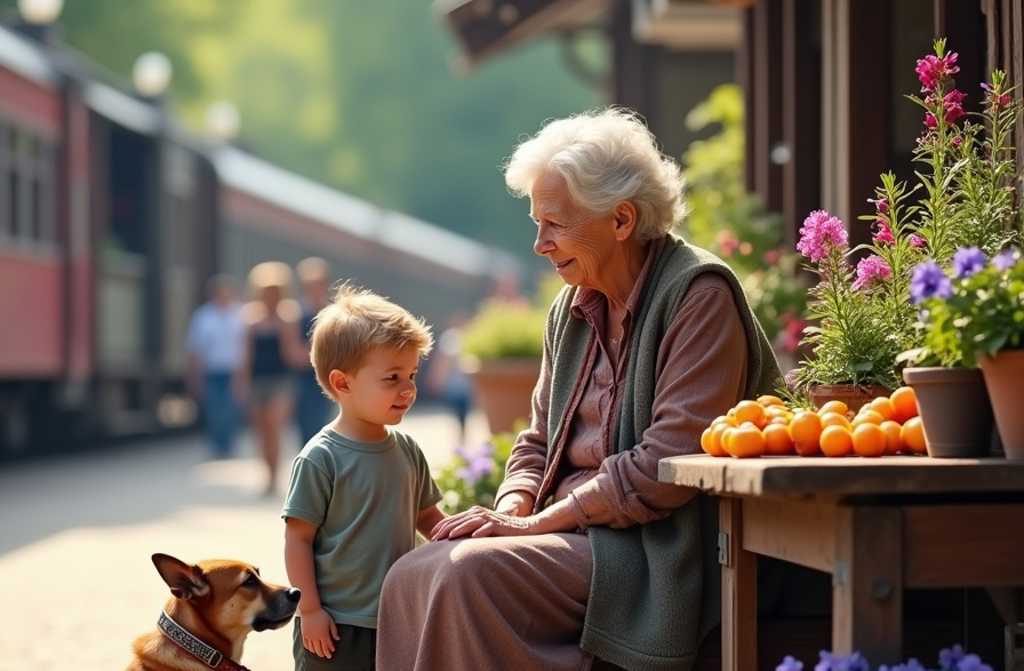
Агафія Василівна стояла біля підземного переходу поруч із залізничною станцією та продавала нехитрі товари. Щодня вона приходила сюди, як на роботу, з двох причин. По-перше, це була хоч якась справа, а по-друге, пенсія у неї була маленька, хоча все життя чесно працювала, але так склалося…
Сидіти вдома одній їй було нудно. Чоловік Агафії давно вже пішов з життя, минуло років двадцять, і від нудьги вона почала в’язати. Спочатку в’язала для себе, потім сусідам почала дарувати шкарпетки, рукавиці, потім вже всіх обдарувала настільки, що нікуди було більше, і стала Агафія в’язати на продаж.
Не лише в’язані вироби продавала бабуся. І коли огірки солоні пропонувала, і коли капусту квашену. А часом і кімнатні квіти: фіалки та кактуси.
Собаку собі завела, дворнягу безпородну. Побачила якось із нашийником загублену, стало жаль її, взяла до себе додому, оголошення повісила, хто втратив. Але господарі не знайшлися. Мабуть, навмисно покинули тварину. Ну, і куди ж тепер її? Пожаліла Агафія пса. Так і живуть тепер удвох дружно. І на “роботу”, до підземного переходу щоразу супроводжує бабусю пес. Сяде поруч і сидить, охороняє. А бабуся його хлібом підгодовує. Купує собі половинку батона і псу шматочок відломить. Чайком із термоса запиває — ось і обід виходить.
***
Дмитрик йшов зі школи засмучений. Світлана Тимофіївна, вчителька математики, поставила двійку. Майже ні за що. Несправедливо. «Хіба в математиці враховується українська?» — дивувався хлопчик. Ну, задачу він трохи неправильно вирішив, ну, в прикладах помилки наробив. Так це ж математика! «А за граматичну помилку в відповіді щоб знижувати оцінку — це вже занадто!» — міркував про себе хлопчик. Але мамі цього не поясниш. І хто тільки вигадував цей електронний щоденник! Тепер від батьків двійки зовсім не приховаєш. Часи були раніше! Вирвав сторінку з щоденника, і порядок…
Йшов він і не помітив, як майже до свого будинку дійшов. Лишилося тільки через підземний перехід перейти. «О, бабуся стоїть. Знову зі своїми шкарпетками. Величезні такі. Хто їх тільки купує», — думав Дмитрик. Раптом він помітив на підстилці, яка лежала на асфальті та слугувала вітриною у бабусі, дуже красиву фіалку в баночці з-під сметани. Ну, просто неймовірну. Пелюсточків у неї було стільки, що вони виглядали мов маленькі трояндочки, колір теж рожевий, а листочки з різьбленими краями. Захопився хлопчик, зупинився та стоїть. Під фіалкою ціна на папірці — 50 гривень. А в Дмитрика було аж вісімдесят.
«Що як мамі купити квітку?» — подумав хлопчик. «І Восьме Березня невдовзі, ну майже. Вона квіти любить, зрадіє і забуде про двійку!»
Купив Дмитрик фіалку, приніс додому і поставив мамі на стіл, прямо на кухні. Потім трохи подивився телевізор, прихопив з пательні котлету. Потім зазирнув до холодильника і з тугою подивився на каструлю із супом, який мама веліла обов’язково з’їсти.
— Його ж підігрівати треба! Та ну! Не хочеться! — сказав Дмитрик і побіг на двір гратися.
Фокус із фіалкою вдався. Мама дійсно зраділа і забула перевірити Дмитрикові оцінки. Вона весь вечір клопоталася з квіткою, пересаджувала і намагалася знайти найкраще для неї місце в квартирі.
А Дмитрик подружився з Агафією Василівною. Відтоді, як він придбав у неї фіалку, вони стали при зустрічі вітатися. Потім він почав розмовляти з бабусею, ділитися з нею нехитрими шкільними новинами, потім якось у розмові з’ясувалося, що вона колишня вчителька математики і всю шкільну програму чудово пам’ятає. А Дмитрику ж погано? Сяде поруч із бабусею на розкладний стільчик, і вона йому всю домашню роботу пояснить. Що на що множити і як задачу вирішувати. А бабусин пес, Архип, поруч крутиться, носом у руки тицяє, хоче, щоб Дмитрик погладив його і за вухом почухав.
Але якось раз йшов хлопчик зі школи, а бабусі біля переходу не було. Тільки Архип сидів на тому місці, де зазвичай бабуся свої в’язані шкарпетки розкладала. Побачивши Дмитрика, пес підскочив і побіг до нього, наче чекав. Хвостом махав, відбігав, знову повертався, всім своїм виглядом показуючи, що потрібно кудись іти. Дмитрик пішов за Архипом. Але довго йти не довелося. Біля сусіднього будинку, на лавочці сиділа бліда Агафія Василівна, поруч із нею стояла її велика сумка на коліщатках. Побачивши хлопчика і пса, вона посміхнулася і сказала:
— Ну, куди ти втік, неслухняний! Рятувати мене надумав? Все вже добре. Я таблетку випила. Відпустило. Трішки посиджу і піду на робоче місце.
— Бабусю! Навіщо ви весь час ходите туди, до переходу? Вам потрібно вдома лежати, телевізор дивитися, серіали.
— Ох, онучок! Та на що вони мені здалися!
— Ну, адже все одно нічого ніхто не купує!
— Це так, — зітхнула бабуся. Потім подивилася сумно на Дмитрика і тихо сказала:
— Дома я пропаду. А так хоч при ділі.
— Ви б спробували щось інше зв’язати. Ну, може, іграшки м’які? А то шкарпетки ці ваші, знаєте, ну якось не дуже популярні… Знаєте що, давайте ви спробуєте зв’язати кого-небудь, а я оголошення розміщу в інтернеті! Там все-все можна продати!
— Ну, — невпевнено протягнула бабуся, — А чом би не спробувати-то? Хто там у вас зараз наймодніший? Свинка Пеппа? Я дещо знаю, бо ж телевізор теж дивлюся, — хитро прижмурилася старенька.
— І її можна! — усміхнувся хлопчик.
Агафія Василівна виявилася чудовою майстринею. Надівши величезні окуляри із товстими скельцями, вона так вправно взялася в’язати різноманітних персонажів мультфільмів, і сучасних, і радянських, і просто симпатичних звіряток, що бізнес у неї пішов угору. Клієнти в чергу записувалися. Зранку до ночі телефонували. Спочатку Дмитро їй допомагав, із комп’ютера свого оголошення викладав. А на перші заробітки бабуся купила собі простенький смартфон, замість старенького кнопкового телефона, і через інтернет стала постійно спілкуватися з замовниками. Іграшки у неї виходили на славу, бо в кожну з них Агафія Василівна вкладала часточку своєї душі. Тепер ні біля якого переходу їй стояти не потрібно було. У теплі, посьорбуючи чайок, вона заробляла собі надбавку до пенсії. Та й спілкування у неї додалося. Тепер точно не засумуєш.
Одного разу, Дмитрик вирушив до магазину за хлібом і побачив, як бабуся сідає в таксі.
— Ось, онучок, хочу в платну клініку з’їздити. До доброго лікаря показатися. Добре, що тепер можу собі дозволити! — усміхнулася Агафія Василівна, — Дякую тобі! Допоміг мені знайти ринкову нішу! О, як! — засміялася вона.
При цих словах старенької Дмитро усміхнувся, водій таксі теж заусміхався і, розвернувши машину, швидко помчав Агафію Василівну в платну клініку.



Michael Froze: From Behind the Tree, a Dog He’d Recognise Anywhere Watched Him with Sad, Knowing Eyes
I frozepeering from behind an old oak tree, a dog watched me with a sadness Id have recognised anywhere. Dust...


DO I REMEMBER? I CAN’T FORGET! “Polly, listen… Remember my illegitimate daughter, Anastasia?” My husband spoke in riddles, making me uneasy. “Do I remember? I can’t forget! Why?” I sat down, bracing for bad news. “Well… Anastasia is begging us to take in her daughter—my granddaughter,” he mumbled. “And why on earth should we, Alex? Where’s Anastasia’s husband? Disappeared into thin air?” I was intrigued. “The thing is, Anastasia doesn’t have much time left. She never had a husband. Her mother remarried and lives in America. They’re estranged, and she has no other family. That’s why she’s asking…” Alex couldn’t meet my eyes. “So, what’s your plan?” I had already decided. “Well, I’m asking you, Polly. Whatever you say, that’s what we’ll do,” he finally looked at me. “How convenient. You made mistakes in your youth, and now I’m to shoulder the burden of a stranger’s child? Isn’t that right?” My husband’s feebleness made me furious. “Polly, we’re a family. We should decide together,” Alex pushed back. “Oh, you remembered now! Yet, when you fooled around, did you consult me? I’m your wife!” Tears welled up and I stormed out… In school, I dated a boy named Peter, until a new boy, Alex, arrived and swept me off my feet. I broke up with Peter. Alex noticed me, walked me home, kissed my cheek, and picked flowers for me. A week later, he led me to his bed. I didn’t protest—I fell head over heels for Alex. After we graduated, he went off to serve in the army in another city. We wrote to each other for a year. Then Alex returned on leave. I was overjoyed. He promised we’d marry when he came back for good—already considered me his wife. His sweet words melted me every time, even years later: one loving look from Alex, and I’d melt like chocolate in the sun. Alex went back to the army. I waited, confident I was a betrothed bride. Six months later, a letter arrived: Alex had found “real love” in his garrison town and wasn’t coming back. But I was already carrying Alex’s baby. So much for a wedding—just as my gran warned me. When the time came, I gave birth to my son, Ivan. Peter, my old boyfriend, stepped in to help. Desperate, I accepted. Yes, Peter and I became intimate. I’d long given up hope of seeing Alex again. Then he turned up, surprised to see Peter there. “Can I come in?” Alex asked. “Come on in, since you’re here,” Peter reluctantly allowed. Sensing the tension, Ivan clung to Peter, wailing. “Peter, why don’t you take Ivan for a walk?” I was at a loss. When they left, Alex asked, “Is he your husband?” “What’s it to you? Why are you here?” I was angry and confused. “I missed you. I see you’ve made a life with Peter—you didn’t wait for me. Well, I’ll go—sorry to intrude on your happy family,” he said, heading for the door. “Wait, Alex. Why have you come—just to hurt me? Peter helps me cope with loneliness. He’s been raising your two-year-old son, by the way,” I tried to keep him there. My love for him hadn’t died. “I’ve come back for you, Polly. Will you have me?” Alex asked, hope in his voice. “Come in, dinner’s ready,” my heart leapt—he came back, so he hadn’t forgotten. Why resist? Peter was shoved aside. My Ivan needed his real father. Later, Peter married a lovely woman with two children. A few years passed. Alex could never love Ivan as his own—he was convinced Ivan was Peter’s son. Alex never really cared for Ivan. He always had an eye for the ladies. He was forever chasing after women, easily smitten, just as easily moving on—including some of my own friends. I cried but kept loving him, determined to hold my family together. It was easier for me than for him—the one who loves is always blinded by hope. I never needed to lie or invent excuses; I just loved him. He was my sun. Sometimes I wanted to leave, but then I’d scold myself: Where would I go, who could compare? Besides, Alex would be lost without me. I was wife, lover, and mother to him. Alex lost his own mother at fourteen—she died in her sleep. Maybe that’s why he always looked for lost affection elsewhere. I forgave everything. Once, after a bitter argument, I threw him out. He moved in with his relatives. Months passed—I forgot why we argued—but he didn’t return. At last, I went to his family’s house. His aunt was surprised to see me. “Polly, why do you want Alex? He said you’d divorced—he has a new girlfriend now.” I found out where she lived and paid them a visit. “Hello! Could I see Alex, please?” I asked politely. She just smirked and slammed the door in my face. I left in silence. A year later, Alex came back. By then the girl had given birth to his daughter, Anastasia. To this day, I blame myself for throwing him out—maybe that girl wouldn’t have scooped him up otherwise. I tried harder to please and adore Alex. We never talked about his illegitimate daughter. It seemed if we did, our family would fall apart. We let sleeping dogs lie. After all, what’s one stray child? It happens. I blamed the “temptresses” instead. In time, Alex settled down. Flings ended. He stayed home watching TV. Our son married early, gave us three grandkids. Then, out of nowhere… Anastasia, Alex’s daughter from long ago, reappeared—asking us to take in her daughter. How would I explain a new little girl to Ivan? He never knew about his father’s youthful escapades. In the end, we took legal guardianship of five-year-old Alina. Anastasia passed away, gone at thirty. Graves grow over with grass, but life goes on. Alex spoke to Ivan man-to-man. After hearing his father’s confession, Ivan said, “What’s done is done, you don’t answer to me. But the girl should stay—she’s family.” Alex and I breathed easier. We’d raised a kind son. Now, Alina is sixteen. She adores her Grandpa Alex, whispers secrets to him, calls me Granny, and says she’s my spitting image at her age. I never argue…
DO I REMEMBER? I COULD NEVER FORGET! Polly, darling, theres something I must tell you Well, do you recall my...


Winter had blanketed Andrew’s garden with soft snow, but his loyal dog Duke, a massive German Shepherd, was acting strangely. Instead of curling up in the large kennel Andrew had lovingly built for him last summer, Duke stubbornly insisted on sleeping outside, right in the snow. Watching from his window, Andrew felt a pang of worry—Duke had never behaved like this before. Each morning, as he stepped outside, Andrew noticed Duke watching him tensely. Whenever he approached the kennel, Duke positioned himself between Andrew and the entrance, growling softly and looking at him pleadingly, as if to say: “Please, don’t go in there.” This odd behaviour was so out of character for their years of friendship, it made Andrew uneasy—what was his best friend hiding? Determined to get to the bottom of it, Andrew came up with a plan—he lured Duke into the kitchen with a tempting piece of steak. While the dog, locked inside, barked desperately at the window, Andrew crept towards the kennel and crouched down to peer inside. His heart skipped a beat as his eyes adjusted to the darkness and he saw something that froze him on the spot… …There, curled up in a blanket, was a tiny kitten—dirty, freezing, and barely breathing. Its eyes barely opened, and its frail body shivered with cold. Duke had found it somewhere, and instead of chasing it away or leaving it to its fate, he had sheltered it. He had slept outside to avoid scaring it and guarded the entrance as if there was treasure inside. Andrew held his breath. He reached out, gently lifted the tiny creature and pressed it to his chest. In that moment, Duke raced over and nestled beside his shoulder—not growling, but gently, eager to help. “You’re a good dog, Duke…” Andrew whispered, clutching the kitten. “Better than most people.” From that day on, there were no longer just two friends living in the garden, but three. And the lovingly built kennel found its purpose again—as a little home for souls in need of saving.
Winter had blanketed Davids garden in a soft layer of snow, but his loyal dog Byron, a huge English Mastiff,...


The Little Girl Who Wouldn’t Eat: The Night My Stepdaughter Found Her Voice and Our Family Was Forever Changed
A Little Girl Who Couldn’t Eat: The Night My Stepdaughter Finally Found Her Voice and Everything Changed 8 December 2025...


A 7-Year-Old Boy, Covered in Bruises, Walked Into A&E Carrying His Baby Sister—What He Said Next Broke Everyone’s Heart
Just after one oclock in the morning, a seven-year-old boy, covered in bruises, pushed his way into the A&E at...


My Son Skipped My 70th Birthday, Claiming He Had to Work—That Evening I Saw Him on Social Media Celebrating His Mother-In-Law’s Birthday at a Fancy Restaurant
The phone rang precisely at noon, shattering the careful anticipation that hung in the air. Margaret Palmer hurried to pick...


No Place to Call Home: Nina’s Journey from Heartbreak and Loss to an Unlikely Friendship with a Homeless Gentleman in the English Countryside
HOMELESS There was nowhere left for Emily to go. Nowhere at all, in fact. Perhaps I could stay a couple...


Aunt Rita: The Story of a 47-Year-Old Londoner, a Self-Confessed Cynic, Who Finds Unexpected Purpose and Family in Helping a Struggling Young Mother and Her Children in a Tower Block, Transforming Both Their Lives and Her Own
Aunt Rita I am forty-seven years old. Just an ordinary womanone might say a bit of a plain Jane. Not...