
З життя
Жорстокий коментар, який змінив долю перед весіллям.

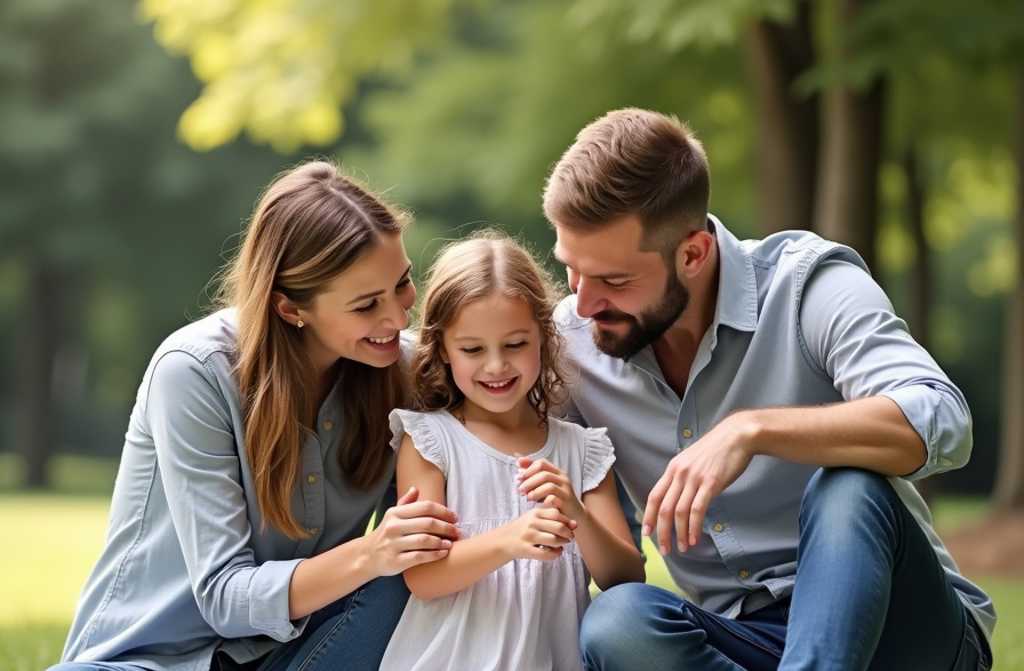
Владиславу вона зрадила лише раз, ще до весілля. Він назвав її товстою і сказав, що Наталка не влізе у весільну сукню. Вона образилася і поїхала з подругами в клуб. Напилася там, прокинулась у незнайомій квартирі з голубооким красенем. Було страшенно соромно! Вона нічого не сказала Олегу, одразу пробачила йому всі образи і навіть сіла на дієту. Алкоголь кинула, бо скоро дізналася про вагітність, тож був привід відмовитися.
Донька народилася вчасно, чарівна голубоока дівчинка, Олег її обожнював. Усі п’ять років Наталка переконувала себе, що все гаразд, і очі в доньки голубі, бо у свекра також голубі. Ну, кучерява вона, і що з того? Щосили намагалася забути того кучерявого хлопця, ім’я якого навіть не пам’ятала. Але щось у глибині материнського серця підказувало їй, що дівчинка не від чоловіка. Можливо, тому вона пробачала йому усе: нічні переписки, часті відрядження, вічне невдоволення її зовнішністю та кулінарією. Дівчинці потрібна сім’я: батька вона обожнює, і які чоловіки не зраджують?
– Терпи, куди ти підеш? – говорила мати. – У нас, сама знаєш, місця немає, бабуся прикута до ліжка, брат наречену привів, куди мені вас усіх? Говорила тобі: не можна оформляти квартиру на свекруху, будеш потім під розбитим коритом!
Наталка і терпіла. Але це не допомогло, і одного разу Олег усе ж пішов від неї. Сказав, що зустрів іншу, навіть плакав, говорив, що завжди буде для Марічки батьком, але проти своїх почуттів піти не може. Його мати, яка онучку начебто обожнювала, після розлучення видала:
– Тест на батьківство зроби, а то, може, даремно аліменти платиш!
Наталка ледве не зомліла: вона думала, що у неї однієї такі підозри. Виявляється, ні.
– Ти з глузду з’їхала? – накинувся на неї Олег. – Марічка – моя дочка, це сліпому видно.
Недаремно свекруха підозрювала, бо коли через рік після розлучення Наталка потрапила до лікарні з апендицитом і побачила там знайоме обличчя, її сумніви розвіялися вмить у цих голубих очах над білою маскою.
– Вибачте, а ми з вами не зустрічалися? – запитав хірург.
Наталка відчайдушно кивнула головою. І сподівалася, що він не згадає. Але він згадав, бо наступного дня під час обходу пожартував:
– Сподіваюся, ви не втечете так стрімко, як минулого разу?
Наталка почервоніла, як помідор. І вирішила для себе, що піде з лікарні за першої ж нагоди. Тільки от одного вона не розрахувала: за ті дні, що вона там перебувала, Макар встиг зробити так, що тікати Наталці не захотілося.
Про доньку вона нічого не сказала, точніше, сказала, що донька є, але про його батьківство навіть натяку не було.
Макар усе зрозумів сам, у перший же день, коли побачив дівчинку. Він хвилювався, купив ляльку, задав Наталці десятки питань, щоб правильно поводитися.
– Ти розумієш, – сказав він, – коли ми з сестрою були маленькі, мама зустріла чоловіка, і вона дійсно його любила, але моя сестра його не прийняла, і мама, врешті-решт, дала йому відставку. Не хочу так, хочу бути для твоєї дочки другим батьком.
Вже від цих слів Наталці стало погано. А коли він увійшов і побачив дівчинку, завмерши на кілька секунд, і розгублено подивився на Наталку, стало ясно: він теж усе зрозумів.
«Яка різниця, – подумала Наталка. – Все одно рано чи пізно довелося б йому сказати».
Навчена своїм шлюбом, вона чекала звинувачень і криків. Але Макар, коли вони залишилися наодинці, міцно обійняв її і прошепотів: «Яке ж це диво!».
Спочатку Марічка начебто нормально приймала Макара. Але коли Наталка обережно запитала у доньки, чи не проти вона, якщо Макар буде жити з ними, вона заплакала і сказала:
– Я думала, що тато повернеться до нас! Нехай Макар в іншому домі живе.
Зрештою вона її вмовила, але Макар сильно засмучувався.
– Вона ж моя дочка! Ти повинна їм сказати!
– Олег цього не переживе. І Марічка. Ти зрозумій, для неї він – батько, а для Олега вона – єдина донечка. Здається, його дама не може мати дітей. Так мені свекруха сказала.
Макар ображався, Марічка влаштовувала скандали, Наталка з усіх сил намагалася підтримувати мир у їхній дивній сім’ї. Зрештою у них склалися певні правила, завдяки яким вдавалося лавірувати між двома коханими людьми: до Олега вона возила доньку сама, намагаючись, щоб чоловіки не зустрічалися, Марічку з Макаром наодинці не залишала, а то вони неодмінно сварилися, служила ніби перекладачем між ними. Навіть на Восьме березня вона готувала з Марічкою листівку, боялася, що та висловить щось Макарові, а він не витримає і скаже їй правду.
А потім Наталка завагітніла. І страшенно налякалася. Вона боялася, що друга дитина буде схожа на Марічку як дві краплі води, і Олег все зрозуміє; боялася, що Марічка ревнуватиме і сердитиметься на Макара ще більше; боялася, що Макар скористається ситуацією, поки вона в пологовому, і все розповість Марічці.
Домовилась з мамою, що та забере собі Марічку на пологи. Мати погодилася, хоча у неї і так дома двоє дітей (брат встиг подарувати їй онуків), але все вийшло не так: за день до того, як у Наталки почалися пологи, мама потрапила в лікарню з камінням у жовчному. Вітчим на себе третього дитини брати відмовився, брат і його дружина цілісінькими днями на роботі. І Наталка вирішила відвезти доньку до Олега. Але ось халепа: той був у відрядженні, а звертатися до свекрухи зовсім не хотілося.
– Я що, з власною донькою не впораюсь? – образився Макар.
Ці пологи були куди складнішими для Наталки: мало того, що довелося робити кесарів розтин, потім затриматися в лікарні, бо син був жовтущим, так ще й вдома бомба сповільненої дії! Макар запевняв, що все добре, а дочка відмовлялася з нею говорити, і Наталка страшенно переживала. «Він їй усе розповів, – думала вона».
Ще, навіщо, не зрозуміло, поділилась своєю історією з сусідками, а ті давай запевняти, що треба всім усе розповісти, що таємне завжди стає явним, і Наталку чекає розплата за брехню. Роздратована сусідками і зм’якшена окситоцином, вона подзвонила до Олега і сказала:
– Мені треба тобі зізнатись.
– У чому?
Довго мовчала, збиралася з думками.
– Ти про Марічку, чи що?
– Що про Марічку? – злякалася Наталка, хоча сама збиралась усе йому розповісти.
– Те, що вона від твого хахаля. Знаю я.
– Він тобі сказав? — здивувалась Наталка.
– Та я давно знаю, заспокойся. Їй рік був, коли я тест зробив. Мені ще перед армією говорили, що дітей у мене не буде. Я мовчав, сподівався на диво і думав, ось воно. А потім сумніватись став. Мама ще… Ось і перевірив.
– Але… Як…
У Наталки в голові не вкладалось те, що він усе ці роки мовчав.
– А що мені було робити? – огризнувся він. – Дівчинка-то в чому винна? І не вздумай їй сказати! Я стільки терпів не для того, щоби ти мене без дитини лишила.
Ось тобі і Юріїв день!
На виписці Наталка була сама не своя: усе дивилася то на дочку, то на чоловіка. Обоє вели себе дивно: переглядались і мовчали.
– Ну, як ви без мене? – запитала нервово Наталка, коли син заснув, а Марічка сіла малювати.
– Та добре все! Даремно ти її стільки охороняла, без тебе ми одразу порозумілися.
– Ти їй сказав?
– Ні, звичайно! Ти ж заборонила.
– Заборонила. А чого вона тоді така похмура?
Макар хитро усміхнувся.
– А от спитай сама.
Наталка пішла в кімнату дівчинки. Та аж язика від старання висунула: малювала щось червоним олівцем. Наталка підійшла ближче, розглянула. На малюнку було троє дорослих і двоє дітей.
– Це хто? – запитала вона.
– Незрозуміло, чи що? Ти, тато, Макар і ми з Вадимком.
– Красиво.
– Ага. Мамо! А як ти думаєш – може у людини два тата бути?
«Так і є – сказав!»
– Ну… Буває так, – обережно відповіла вона.
– Тоді можна я буду Макара теж татом звати? Він хороший. Ми з ним побудували замок з лего і ходили дивитись рибок. Там такий смішний продавець, дідусь у кепочці. Він запитав, ким працює мій тато. А я не знала, що відповісти, він же про Макара запитав. І я сказала, що лікар. Це ж класно, коли тато – лікар. Я у нього вже спитала, але вирішила в тебе уточнити.
До горла підступив клубок. Наталка раптом зрозуміла, у яку пастку себе завела. Олег її простив, і Макар пробачить. А якщо колись правду дізнається Марічка… Треба вирішувати зараз: сказати чи чекати розплати. Наталка обняла дочку і промовила:
– Звісно, можна. Думаю, Макар зрадіє, якщо ти будеш називати його татом. Але татові краще не кажи…



Winter had blanketed Andrew’s garden with soft snow, but his loyal dog Duke, a massive German Shepherd, was acting strangely. Instead of curling up in the large kennel Andrew had lovingly built for him last summer, Duke stubbornly insisted on sleeping outside, right in the snow. Watching from his window, Andrew felt a pang of worry—Duke had never behaved like this before. Each morning, as he stepped outside, Andrew noticed Duke watching him tensely. Whenever he approached the kennel, Duke positioned himself between Andrew and the entrance, growling softly and looking at him pleadingly, as if to say: “Please, don’t go in there.” This odd behaviour was so out of character for their years of friendship, it made Andrew uneasy—what was his best friend hiding? Determined to get to the bottom of it, Andrew came up with a plan—he lured Duke into the kitchen with a tempting piece of steak. While the dog, locked inside, barked desperately at the window, Andrew crept towards the kennel and crouched down to peer inside. His heart skipped a beat as his eyes adjusted to the darkness and he saw something that froze him on the spot… …There, curled up in a blanket, was a tiny kitten—dirty, freezing, and barely breathing. Its eyes barely opened, and its frail body shivered with cold. Duke had found it somewhere, and instead of chasing it away or leaving it to its fate, he had sheltered it. He had slept outside to avoid scaring it and guarded the entrance as if there was treasure inside. Andrew held his breath. He reached out, gently lifted the tiny creature and pressed it to his chest. In that moment, Duke raced over and nestled beside his shoulder—not growling, but gently, eager to help. “You’re a good dog, Duke…” Andrew whispered, clutching the kitten. “Better than most people.” From that day on, there were no longer just two friends living in the garden, but three. And the lovingly built kennel found its purpose again—as a little home for souls in need of saving.
Winter had blanketed Davids garden in a soft layer of snow, but his loyal dog Byron, a huge English Mastiff,...


The Little Girl Who Wouldn’t Eat: The Night My Stepdaughter Found Her Voice and Our Family Was Forever Changed
A Little Girl Who Couldn’t Eat: The Night My Stepdaughter Finally Found Her Voice and Everything Changed 8 December 2025...


A 7-Year-Old Boy, Covered in Bruises, Walked Into A&E Carrying His Baby Sister—What He Said Next Broke Everyone’s Heart
Just after one oclock in the morning, a seven-year-old boy, covered in bruises, pushed his way into the A&E at...


My Son Skipped My 70th Birthday, Claiming He Had to Work—That Evening I Saw Him on Social Media Celebrating His Mother-In-Law’s Birthday at a Fancy Restaurant
The phone rang precisely at noon, shattering the careful anticipation that hung in the air. Margaret Palmer hurried to pick...


No Place to Call Home: Nina’s Journey from Heartbreak and Loss to an Unlikely Friendship with a Homeless Gentleman in the English Countryside
HOMELESS There was nowhere left for Emily to go. Nowhere at all, in fact. Perhaps I could stay a couple...


Aunt Rita: The Story of a 47-Year-Old Londoner, a Self-Confessed Cynic, Who Finds Unexpected Purpose and Family in Helping a Struggling Young Mother and Her Children in a Tower Block, Transforming Both Their Lives and Her Own
Aunt Rita I am forty-seven years old. Just an ordinary womanone might say a bit of a plain Jane. Not...


A STRAY CAT SNEAKED INTO THE BILLIONAIRE’S HOSPITAL ROOM WHILE HE WAS IN A COMA… AND WHAT HAPPENED NEXT WAS A MIRACLE EVEN THE DOCTORS COULDN’T EXPLAIN…
A STRAY CAT slipped into the room of the comatose billionaireand what happened next was a miracle the doctors couldnt...


Michael Stood Still: From Behind the Tree, a Dog Gave Him That Heartbroken Look—A Dog He Could Recognise Among a Thousand
James frozeby the old oak, a dog was staring at him with such sadness, hed have recognised her from a...