
EN
The Reservation That Changed Everything

I was setting tables at Musso & Frank Grill on a Tuesday afternoon in February 1991 when the maître d' told me to hold the corner booth. Twenty-two years pouring water at that place, and I still remember which reservations mattered. This one, he said, was for Weston Cole.
Everybody in this town knew who Weston Cole was. Sixty-one years old, three Oscar nominations, a director whose name alone got a picture greenlit. And a reputation that followed him into every room he entered — the kind of man who'd been linked to more actresses than the trade papers could keep straight. My own manager used to joke that Cole's love life had its own beat reporter.
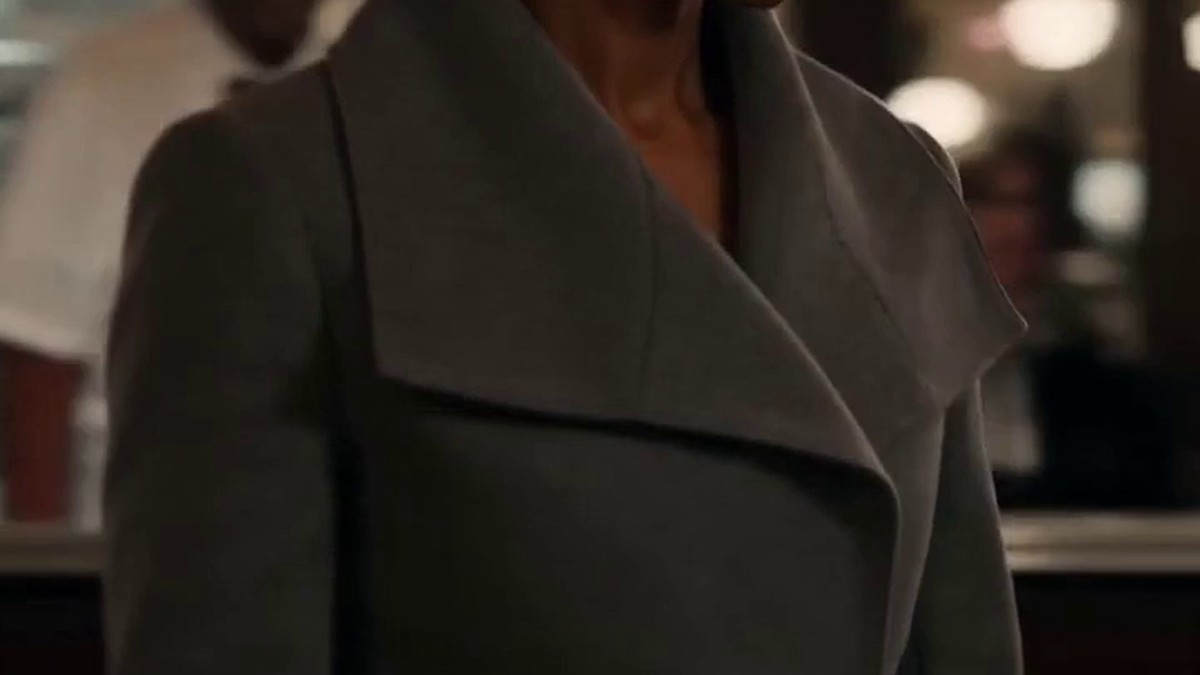
He came in early, which surprised me. Ordered a Sazerac, didn't touch it. Kept checking the door like a kid waiting on a ride that might not show. When Marguerite Ashworth walked in — thirty-one, sharp gray coat, hair pulled back like she'd come straight from a table read — he stood up so fast he knocked his knee into the booth. I heard the thud from the service station.
I'd waited on her before, months earlier, with a different table of industry types. Polite, quiet, always tipped fair and never made a scene. This time she sat across from Cole with her hands folded on the table like she was there to negotiate a contract, not have lunch. And in a way, I guess she was — Cole was casting his picture about the old Flamingo casino days, and she'd read for the female lead.
I brought bread. She thanked me by name — I'd told her once, she remembered — and went straight into questions about the shooting schedule, about her character's arc, about whether the studio would let her keep her own accent instead of forcing something flatter. Cole answered maybe half of it. The rest of the time he was just watching her talk.
Around the second course he tried to steer things off the movie. Asked where she grew up. She told him San Diego, her father worked in the Navy Reserve, she used to babysit for neighbors just to save gas money for the drive up to Los Angeles for auditions. Small stuff. He leaned forward like she was reciting Shakespeare.
She left that lunch, by my read, thinking she'd had a professional meeting about a role. He left it a different man than he walked in as. I refilled his water glass twice and he never noticed either time — that's usually the tell, when a man that particular about his order stops noticing the room around him.
The picture shot that spring and into the summer. I heard through people who worked craft services that Cole was on set almost every day, which wasn't unusual for him, except that he stopped disappearing between takes the way he used to. He stayed close to her chair. Ate lunch out of the same tent instead of having food sent to his trailer. One of the grips told me — this was maybe June — that Cole had started asking the assistant director to schedule her scenes so they'd overlap with his days on set, even scenes that didn't strictly need him there.
By the fall, they were seen together outside of work. Not hiding exactly, but not announcing it either. A dinner here, a gallery opening there. The tabloids hadn't caught the scent yet, which for a man like Cole was its own kind of miracle.
What got me — what still gets me, honestly, thinking back on it — is that she never seemed to change how she carried herself. I waited on them twice more that year, and she was the same woman both times: direct, curious about the wine list, more interested in what he thought about a script she was reading than in being seen with him. Cole, on the other hand, was a different animal entirely. Softer around the eyes. Quicker to laugh at things that weren't especially funny.
He proposed that winter. I only know this because he came in alone a few days after, sat at the bar instead of a table, and told the bartender — who told me — that she'd said yes on a Sunday morning in her kitchen in Los Feliz, no ring yet, no plan, just the two of them and a pot of coffee going cold.
They married on March 13, 1992, at a private ceremony in Los Angeles. Small guest list, no press, which for a man whose romantic history had been front-page material for thirty years was its own kind of statement. First marriage of his life, at sixty-two years old.
I didn't see them again for a long stretch after that — new baby, then another, and people like that stop eating out as much once children enter the picture. But Musso's is a small world, and word travels. Four kids came in eight years: a son first, in 1992, then another son two years later, then two daughters, the last one born in 2000. Cole, I heard, turned down pictures he'd have killed for a decade earlier because the shooting schedule conflicted with a school recital.
Years later — this would've been maybe 2016, 2017 — Marguerite came in for lunch with a friend, older now, gray threading through her hair, still ordering the same grilled branzino she'd ordered back when I first met her. I asked, the way you do when you've watched a marriage from a distance for a quarter century, how everyone was doing. She told me their oldest, the one born in '92, had come out as transgender — goes by a different name now, uses different pronouns — and that she and Cole had stood by him without hesitation, no press statement necessary, just family being family. She said it plain, like it was the most natural fact in the world, because to her it was.
I think about that Tuesday lunch sometimes, the Sazerac going flat while Cole watched her talk about her father's Navy pension and her babysitting money for gas. Thirty years on, the corner booth's still there, though they redid the leather sometime around 2015. I still work Tuesdays. Man walked in with a script under his arm just last week, waiting on someone who was fifteen minutes late, checking the door every few seconds — and I thought, not for the first time, that this restaurant has seen more of these beginnings than anybody in this city gives it credit for. Some of them last. Most don't. That one, from where I stood pouring water, always looked like it would.



Il contratto che Daniele non sapeva di aver già perso
Quella mattina ho fatto una cosa che Chiara non si aspettava: le ho lasciato il caffè pronto prima di uscire,...


Tėvo rankos sode Zarasų pakraštyje
Pro Petro Vilkausko namo langą matosi Zarasų ežeras — rudenį jis pilkas, kaip skalbinių vanduo. Gyventojai sako, kad spalį čia...


Жълто-зелената пътна чанта на Деми
Деси Вълчева остави телефона на плота с екрана надолу, сякаш искаше да му попречи да зазвъни отново. В кухнята на...


Nebylainis mokesčių skolininkas: ką Gabija man pasakė apie savo mamą ir pinigus
Mano uošvė sulaužė dantį pirmadienį, o ketvirtadienį jau nebeturėjau pinigų, kuriuos devynis metus siunčiau be klausimų. Taip tiksliai pasakyčiau, iš...


Dílna po Vladimírovi a mlčení, které Petr neslyšel
Ivana měla čtyřicet sedm let a dvacet tři z nich vedla účetnictví v autoservisu na Dobrovského ulici v Olomouci. Dílnu...


Il bagno delle nove e un quarto a Sabaudia
Faccio il bagnino allo stabilimento da sei stagioni, e di solito alle nove e un quarto del mattino la spiaggia...


Kréta a kapualjban
Pontosan két hete történt, szerda reggel, amikor hazaértem a műszakból, és ott álltam a lépcsőház előtt, mint egy idióta, mert...


Котката на Марин Петков
Тя драска, значи го мрази — така си мислех първите седмици. Казвам се Марин Петков, на четиридесет и три съм,...