
EN
A Face in the Mirror at My Mother’s Funeral

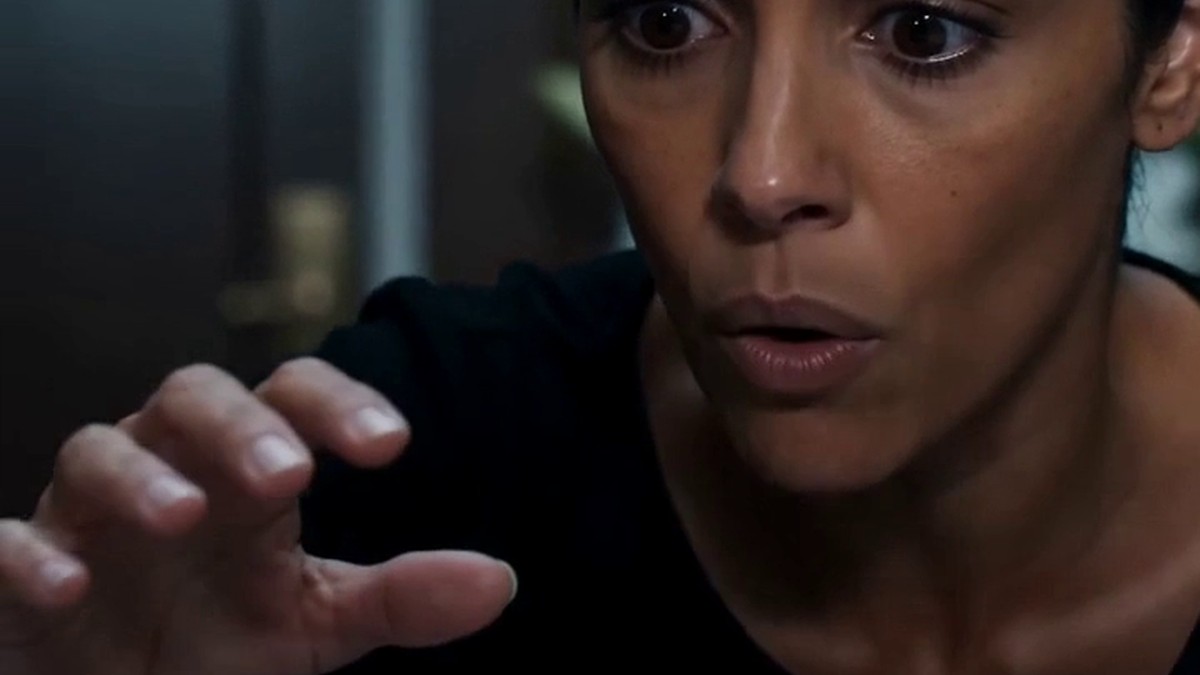
The day we buried Elena Vasquez, I stood alone in the little chapel at the Riverside Funeral Home in San Antonio, staring at a woman I'd known my entire life without ever meeting her.
My father, Marco, had loved Natalia long before my mother. Four years he carried her photograph, through a war he never talked about and a border he crossed twice before he stayed for good. When he married my mother in the spring of 1976, he sat her down at the kitchen table in their first apartment on Zarzamora Street and spread the photos across the checkered tablecloth like a deck of cards.
"Esta es Natalia," he said. This is Natalia.
And my mother, Lord help her, put those photographs in a brass frame and set them on the dresser in their bedroom. For twenty-eight years, that woman watched over their marriage like a patron saint with dark eyes and a half-smile I'd memorized by the time I was seven.
The aunts whispered. The neighbors clucked their tongues at church. Even Father Delgado once pulled my mother aside after Mass to suggest, gently, that perhaps a wife shouldn't keep her husband's old sweetheart on the dresser.
"She's part of him," my mother said, and that was the end of it. "A man's memories are his own business."
So we grew up with Natalia. My sister Rosa used to wave at her photograph before bed, like she was saying goodnight to a relative in Mexico. I'd catch my father sometimes, late at night, sitting on the edge of the bed with the frame in his lap, his thumb tracing the curve of Natalia's hair. And my mother would just let him. She'd walk past the bedroom door and not say a word.
When my mother got sick in 2009, it was fast. Six weeks from diagnosis to the end. My father slept in a chair by her hospital bed, and the brass frame came with him. Natalia watched over her dying just as she'd watched over the living.
The morning my mother passed, I sent my father home to rest. He'd been awake for thirty-six hours and he was seventy-two years old and his hands shook so badly he couldn't hold a cup of water. I promised him I'd stay with her until the funeral home came.
The chapel was small and cold, and the flowers made the air taste like a greenhouse. I'd been sitting with my mother's body for maybe an hour when I noticed it: a thin line of blood tracing from the corner of her mouth down toward her chin. It happens sometimes. The body settling. But I wasn't ready for it, and I stood there frozen, staring at that dark trickle like it was a message I couldn't read.
Then a woman's voice, soft, from behind me:
"Let me help you with that."
She moved past me with quick, certain hands. She pulled a tissue from her sleeve and wiped the blood from my mother's face with the tenderness of someone handling a sleeping child. Her fingers were old and brown and steady.
When she finished, she turned to me. Her eyes were dark, her hair steel-gray, pulled back tight. She was maybe sixty-five, wearing a black dress that looked borrowed.
"My name is Natalia," she said.
I felt the floor tilt.
The same name. That face, older now but unmistakable — the same half-smile from the brass frame, the same high cheekbones my father had carried across a border. She was standing in front of me in black, at my mother's funeral, and she had just wiped my mother's blood from her lips.
I must have looked at her too long, because she turned away first.
"You're Marco's daughter," she said. Not a question.
I nodded, my throat locked shut.
"I'm sorry about your mother. I heard about Elena. I'm sorry for all of you."
I wanted to ask her a thousand things. Where had she been for thirty years? Did she know about the photographs? Did she know my mother had framed her face and kept it on the dresser like an altar? Did she come because she heard, or because she had to see for herself?
But all I managed was:
"Did my father know you were coming?"
She shook her head. "I didn't decide until this morning. I took a bus from Laredo."
A bus from Laredo. She was eighty miles away, had been for years, maybe. The thought hit me like a slap — all those years, all those photographs, and she was an hour and a half down I-35 the whole goddamn time.
"You should go," I said. "Before he gets back."
Something in her face flickered, then steadied.
"Yes," she said. "I should."
She touched my mother's hand once, laid a single white rose on the edge of the casket, and walked out of the chapel without looking back at the woman in the brass frame on my father's dresser.
I never told my father she'd been there.
But I remember her hands that day. Steady and sure. The way they paused for half a second, just above my mother's face, before she wiped away the blood.
Like she was saying goodbye to a stranger. Or maybe like she was asking permission.
The next morning, I did something I'd never done in thirty-three years. I took Natalia's photograph out of the brass frame and carried it outside to the patio, where my father kept a little tin bucket for burning dried leaves. I set the photograph in the bottom and struck a match.
It caught fast. The dark eyes, the half-smile, the hair my mother said looked like a storm cloud — all of it curled and blackened and fell apart into ash.
Then I swept the ashes into an envelope and sealed it. I wrote one word on the front: "Elena."
I buried it in my mother's grave that afternoon, under six inches of Texas clay, while the preacher said words I couldn't hear over the sound of my own heart breaking and mending at the same time.
Two weeks later, my father asked where Natalia's picture had gone.
"Some memories don't need a frame," I said.
He looked at me for a long moment. Then he turned back to his coffee, and the kitchen went quiet except for the hum of the refrigerator and the distant sound of a neighbor's dog barking at nothing.
He never mentioned her again.
But last Christmas, I watched him take out his wallet, old and cracked and held together with duct tape, and thumb it open under the string lights on the tree. He didn't see me in the doorway. His fingers found something small and worn near the back — a photograph, folded so many times the creases had gone white — and he sat there for a moment with it resting flat against his palm, not looking up, not looking away, just holding it in the light. Then he closed the wallet, slid it back into his pocket, and reached for the ornament box like nothing had happened at all.



Pavel a plot u Chomutova
Jmenuju se Pavel, mám třicet osm a vlastním autoservis na okraji Chomutova, kousek od řeky Chomutovky. S Danou jsme manželé...


Svatba v Kroměříži
Catering jsem dělala přes patnáct let a myslela jsem si, že mě už nic nepřekvapí. Pak přišla ta zakázka na...


Le bracelet de la salle 114
Le tapis rouge du Grand Rex scintillait sous les flashs. Ce soir-là, Clémence Auvray présentait son dernier film, et les...


Byt na Košířské: co zbylo, když se rata splácí sama
Taška s nákupem se roztrhla hned u vchodu. Jedna mandarinka se odkoulela pod botník a zůstala ležet v koutě, oranžová...


Bikiny za 2990 korun a faktura, kterou nikdo nečekal
Na téhle fotce jsem na sebe byla pořádně hrdá. Písek na Vracovské pláži u Nechranické přehrady, slunce nízko nad hladinou,...


Das rote Kleid in der Maximilianstraße
Lina Brandt hatte nur die Stoffkante zwischen zwei Fingern reiben wollen. Eine Sekunde, nicht mehr. Das Kleid hing im Schaufenster...


Zdrada Grzegorza na lotnisku w Modlinie
Przez jedenaście lat byłam tą, która trzymała tę rodzinę w jednym kawałku. Pamiętałam urodziny, płaciłam faktury za warsztat, zanosiłam kwiaty...


Dětský koutek v Jihlavě, čtvrtek, devět ráno
Dětský koutek v Jihlavě měl skončit ve čtvrtek. To jsem se dozvěděla v úterý, od paní knihovnice Hany, s hlasem...