
З життя
Лише на межі втрати я зрозуміла, як сильно люблю сестру

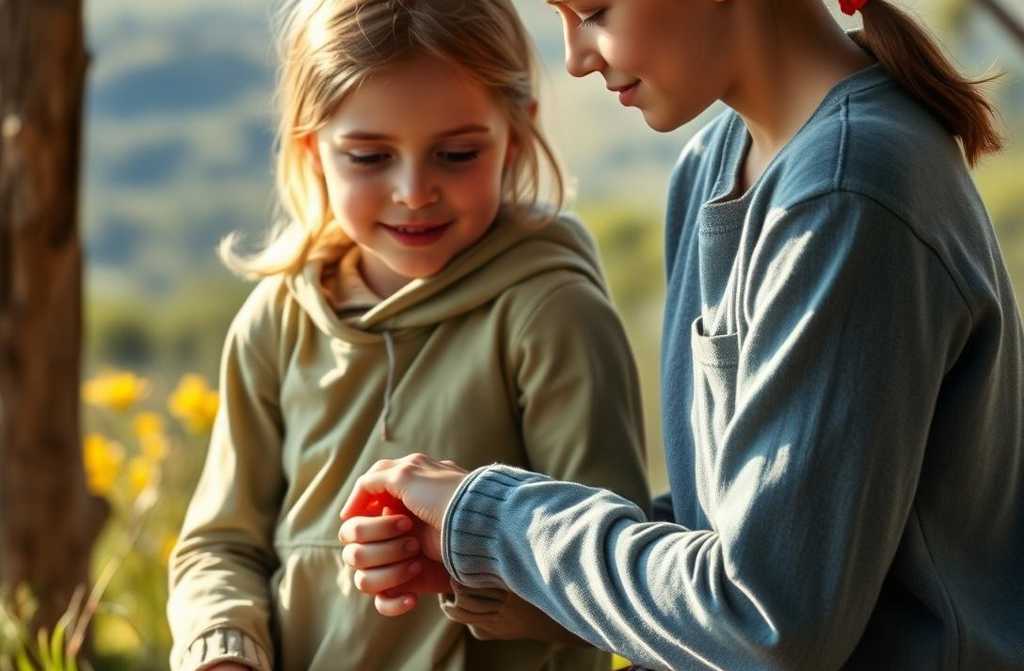
Я ледь не втратила свою молодшу сестру — і лише тоді зрозуміла, наскільки сильно її люблю
Мені було всього десять років, коли я вперше по-справжньому усвідомила, що означає бути дорослою. І це усвідомлення прийшло не в спокійній сімейній розмові, не на уроці в школі і навіть не після якоїсь книжки. Воно прийшло через страх, біль та жах від думки, що я можу втратити свою сестру. Мою Даринку.
Усе почалося, як у багатьох старших дітей, з відчуття несправедливості. Думаю, багато дівчат, яким доводиться няньчитися з молодшими братами чи сестрами, мене зрозуміють. Постійні доручення, докори: «Ти старша, ти повинна», «Ми з татом на хвильку відійдемо — подивися за Даринкою». Мені здавалося, що мене просто використовують як безкоштовну няню, позбавляючи дитинства, ігор, свободи.
Даринці тоді було п’ять. Вона була справжньою непосидою, завжди щось хотіла, завжди поруч мені плуталась. А я мріяла хоча б вечір провести зі своїми подругами. Ми домовилися подивитися фільм, принесли попкорн, сік — затишок влаштували як у справжньому кінотеатрі. І, звичайно ж, я зовсім забула, що повинна слідкувати за сестрою.
Минуло не більше півгодини, як з сусідньої кімнати почувся глухий шум. Я підстрибнула, серце забилося. Влетівши в кімнату, я побачила повалену шафу. Даринка лежала поруч, схлипуючи, і трималася за ногу. Пізніше виявилося — сильне розтягнення, забій, дякувати богові, не перелом. Вона просто полізла на шафу, аби дістати книжку з верхньої полиці.
Того вечора батьки влаштували мені справжній скандал. Сльози, крики, докори: «Ти не доглянула!», «Вона могла загинути!». А я стискала кулаки і ненавиділа всі ці слова. Мені хотілося кричати: «Я не просила сестру! Я не просила бути старшою!»
Але все змінилося за кілька місяців.
Настало літо, і нас запросили родичі відпочити за кордоном. Ми поїхали всією родиною до Австралії — для нас це було, як казка. Жара, екзотика, кенгуру, дивні рослини — я все це вбирала з захопленням. Навіть з Даринкою ми, здавалося, почали трохи краще ладити.
Одного вечора ми з нею гуляли по території готелю. Все було спокійно, тихо. Даринка йшла попереду і ніжно проводила рукою по кущах, як любила робити вдома, у нашому парку. І раптом — крик. Різкий, пронизливий. Я обернулася — і побачила змію. Маленьку, чорно-червону, вона швидко зникла в траві. Даринка стояла, як вкопана, і вже за кілька секунд почала хитатися.
На її литці — дві маленькі, але глибокі точки. Укус.
Скликався персонал. Батьки прибігли через хвилину. Мама плакала, тато бліднів на очах. Прибіг лікар. Він обробив рану, наклав джгут, спробував відсмоктати отруту. Але сказав відразу: «Це небезпечно. Дуже. Укус отруйний. Потрібно терміново до лікарні і протиотруту».
Даринку відвезли швидкою. Я сиділа, обійнявши себе за плечі, не відчуваючи ні рук, ні ніг. Мене розривало від страху.
У лікарні лікарі пояснили, що потрібна термінова трансфузія і введення сироватки. Але у сестри рідкісна група крові — AB+. Донорів знайти складно. Батьки не підійшли: недавно перехворіли грипом. Лікар стиснув губи і сказав: «Залишаєтеся тільки ви. Але дівчинці десять…»
Я не дала їм договорити. Я встала і сказала:
— Я готова.
Я не знала, як проходитиме процедура, мені було страшно. Але я вже не була тією дівчинкою, яка злилася, що її змусили няньчити сестру. Я розуміла — якщо щось станеться з Даринкою, я ніколи собі не пробачу.
У той момент я подорослішала. Не за віком.
Процедура пройшла швидко. Медсестри заспокоювали мене, мама тримала за руку, тато гладив по голові. Мені здавалося, що світ звузився до одного-єдиного бажання: врятувати Даринку.
Через два дні їй стало краще. Щоки порожевіли, очі почали блищати. Лікарі говорили: «У вас сильна дівчинка». А я думала: «Ні, сильною стала я».
Ми провели решту відпустки в лікарняній палаті. Неважливо. Головне — вона була жива.
Відтоді пройшло багато років. Ми з Даринкою виросли. Але ті дні назавжди залишилися в моїй пам’яті. Саме тоді я зрозуміла: сестра — це не тягар, не перешкода. Це частина тебе. Це твоя кров, твоя душа. І заради неї ти готовий на все.
Зараз ми — не просто сестри. Ми найкращі подруги. Ми вчимо своїх дітей тому, що зрозуміли самі: не потрібно чекати біди, щоб зрозуміти, хто тобі дорогий. Не потрібно відкладати обійми, добрі слова, підтримку.
Але, на жаль, життя влаштоване так, що справжні цінності ми усвідомлюємо тільки, пройшовши через біль. Головне — не забути урок. Головне — зберегти любов. І бути поруч. Завжди.



You Don’t Deserve It — “After my divorce, I thought I’d never trust anyone again,” Andrew admitted, fidgeting with his empty espresso cup. His voice cracked and wavered so convincingly that Kate found herself leaning closer. “You know, when someone betrays you, you lose a part of yourself. She left me with wounds I thought would never heal… I honestly didn’t think I’d survive.” Andrew’s stories poured out for a long time: about his wife who never appreciated him, the pain that wouldn’t let go, the fear of starting over. Each word settled in Kate’s heart like a warm little stone. She imagined herself as the woman who could restore his faith in love—how they’d heal his scars together, how he’d realize true happiness was possible with her by his side. He first mentioned Max on their second date, casually dropped in between dessert and coffee… — “I have a son, by the way. He’s seven. Lives with his mum, but stays with me every weekend. The court said so.” — “That’s wonderful!” Kate beamed. “Children are a blessing.” She started daydreaming: Saturday morning breakfasts for three, trips to the park, TV evenings together. The boy needed a woman’s care, a mother’s warmth. She could become a second mum—not a replacement, but someone close, someone family… — “Are you sure you don’t mind?” Andrew watched her with a crooked smile she mistook for wariness at the time. “A lot of women run when they hear about a kid.” — “I’m not most women,” she said proudly. Her first weekend with Max was a celebration. Kate made blueberry pancakes—his absolute favourite, as Andrew had tipped her off. Patiently, she helped him through his maths homework. She washed his dinosaur T-shirt, pressed his school uniform, made sure he was in bed by nine sharp. — “You should have a rest,” she told Andrew after he’d sprawled out on the sofa with the remote. “I’ve got this covered.” Andrew nodded—or so it seemed then, gratefully. But now she realized it was the nod of a man taking his due. Time marched on. Kate worked as a logistics manager, out by eight, home after seven. Decent salary by London standards—enough for two. But there were three. — “Hold-up on site again,” Andrew would say as if announcing a hurricane, “Client’s pulled out. But there’s a big contract coming, I promise.” The “big contract” hovered on the horizon for a year and a half, sometimes getting closer, mostly never arriving. But the bills always came—rent, utilities, internet, groceries, child support for Marina, new trainers for Max, school contributions. Kate paid all of them, quietly. She skimped on lunches, brought in tupperware pasta, walked home in the rain to save on cabs. She hadn’t had a manicure in a year—did her own nails and tried not to remember the luxury of professional treatments. Three years, and Andrew had given her flowers exactly three times. Kate remembered each bouquet—cheap roses from the convenience kiosk near their tube stop, droopy and with snapped-off thorns. Probably on special offer… The first was an apology after Andrew called her hysterical in front of Max. The second came after an argument about a friend who visited unannounced. The third, when he missed her birthday because he lingered with mates—simply forgot. — “Andrew, I don’t want expensive gifts,” she tried to keep her voice gentle. “Just… sometimes I’d like to know you’re thinking of me. Even a card…” His face contorted instantly. — “So it’s all about money for you, is it? Presents? Don’t you care about love? Or what I’ve been through?” — “That’s not what—” — “You don’t deserve it.” Andrew spat the words at her like dirt. “After all I do for you, you still complain.” She fell silent. She always did—it made things easier. Easier to live, to breathe, to pretend everything was fine. Yet, for mates’ nights, Andrew always found cash. Pubs, football at the local, café Thursdays. He’d come home tipsy, reeking of sweat and cigarettes, flop onto the bed without noticing Kate was still awake. She convinced herself this was how love worked. Love meant sacrifice. Love meant patience. He would change, surely. She just had to be even more attentive, love even harder—after all, look at what he’d suffered… Talk of marriage became a minefield. — “We’re happy as we are, why do we need a piece of paper?” Andrew waved the question away like a pesky fly. “After what happened with Marina, I need time.” — “It’s been three years, Andrew. That’s a long time.” — “Now you’re pressuring me—always pressuring!” He stormed off, ending the conversation. Kate longed for children of her own. She was twenty-eight, the ticking biological clock growing louder each month. But Andrew wasn’t interested in a second round of fatherhood—he had a son, and that was enough for him. Then came that Saturday—she asked for just one day. One day. — “The girls are inviting me over. We haven’t seen each other in ages. I’ll be back by evening.” Andrew looked at her as though she’d announced she was emigrating. — “And Max?” — “He’s your son, Andrew. Spend the day with him.” — “So you’re abandoning us? On a Saturday? When I’m expecting to relax?” She blinked. In three years she’d never left them alone. Never asked for a day to herself. She cooked, cleaned, tutored homework, washed, ironed—while holding a full-time job. — “I just want to see my friends. It’s only a few hours… And he’s your son. Can’t you spend a day with him on your own?” — “You’re supposed to love my child as much as me!” Andrew suddenly roared. “You live in my flat, eat my food, and now you’ve got the nerve to make demands?!” His flat. His food. Kate paid the rent. Kate bought the food. Three years supporting a man who yelled at her for wanting to spend a day with her friends. She looked at Andrew—twisted face, throbbing temples, fists clenched—and saw him for the first time. Not as a wounded soul, not a helpless victim in need of rescue, but an adult who had learned to expertly exploit kindness. Kate, to him, was not a beloved partner, not a future wife. She was a walking wallet and a live-in maid. That was all. When Andrew left to drop Max back to Marina, Kate took out her suitcase. Her hands moved calmly, no shakes, no doubts. Passport. Mobile. Charger. A couple of shirts and jeans. The rest could be bought later. The rest didn’t matter. She left no note. What could she explain to a man who never valued her? The door closed behind her quietly, no fuss, no drama. The calls started within an hour—one, then another, then a barrage—a shrill, endless trill that made her phone quiver. — “Kate, where are you?! What’s going on?! You’ve gone, there’s no dinner! Am I supposed to go hungry now? What the hell?!” She listened—his voice angry, demanding, full of righteous indignation—and marvelled. Even now, as she’d left, Andrew thought only of himself. How inconvenient this was. Who would make his tea? No “sorry”. No “what happened”. Just “how dare you”. Kate blocked his number. Blocked him on Messenger. On every social platform—brick by brick, she built herself a wall. Three years. Three years with someone who never loved her. Who used her empathy as a disposable resource. Who convinced her that self-sacrifice was love. But that’s not love. Love doesn’t humiliate. Love doesn’t reduce someone to a servant. Kate walked through the twilight streets of London and for the first time in ages, she could breathe. She vowed she’d never again confuse love with self-neglect. Never again give herself away to those who prey on pity. And always, always choose herself. Just herself.
I never thought Id be able to trust anyone again after my divorce, Andrew was turning an empty espresso cup...


My Ex-Husband’s Son from His New Marriage Fell Ill – He Asked Me for Financial Help and I Refused!
Im 37 years old. Ive been divorced for a good ten years now. My ex-husband was unfaithful and I couldnt...


What You Really Want Isn’t a Wife, But a Live-In Housekeeper
You dont need a wife, you need a housekeeper. Mum, Mollys chewed my pencil again! Sophie shot into the kitchen,...


My Children Are Well Provided For, I Have a Bit Put By, and Soon I’ll Be Taking My Pension: The Story of My Friend Fred, the Beloved Local Mechanic, and the Family Who Couldn’t Let Him Rest
My kids are sorted, Ive got a bit tucked away, and soon enough, Ill be drawing my pension. A few...


I’m 45 and I No Longer Entertain Guests at Home: Why I Prefer Celebrating in Restaurants and Value My Comfort Over Hosting Unruly Visitors
I’m 45 years old now, and I no longer welcome guests into my home. Some people, when visiting, seem to...


Step by Step, We Brought Water and Finally Gas to Her Old Home—Then We Added All the Modern Conveniences. Later, I Found My Aunt’s House on a UK Property Website
Bit by bit, we managed to connect Aunt Catherine’s cottage to water, and eventually gas as well. After that, we...


“We’ll Be Staying With You For a While, Since We Can’t Afford to Rent Our Own Place!” – My Friend Announced Unexpectedly. At 65, I’m Still an Active Woman With a Love for Travel and Meeting New People, but an Old Friendship Took a Shocking Turn When Unexpected Guests Arrived at My Doorstep in the Middle of the Night, Refused to Leave, and Left With My Belongings!
Were going to stay at yours for a while, because we cant afford to rent our own flat! my friend...


“I Had to Buy My Own Fridge So Mum Wouldn’t Take My Groceries – Anna’s Unusual Solution to Family Conflict Over Flat Ownership, Money, and Sharing”
I had to get myself a separate fridge, says Charlotte. It sounds ridiculous, but there was no other choice. I...