
З життя
Мамо, що ти накоїла? — донька майже кричала в слухавку. — Яка, до біса, собака з притулку?

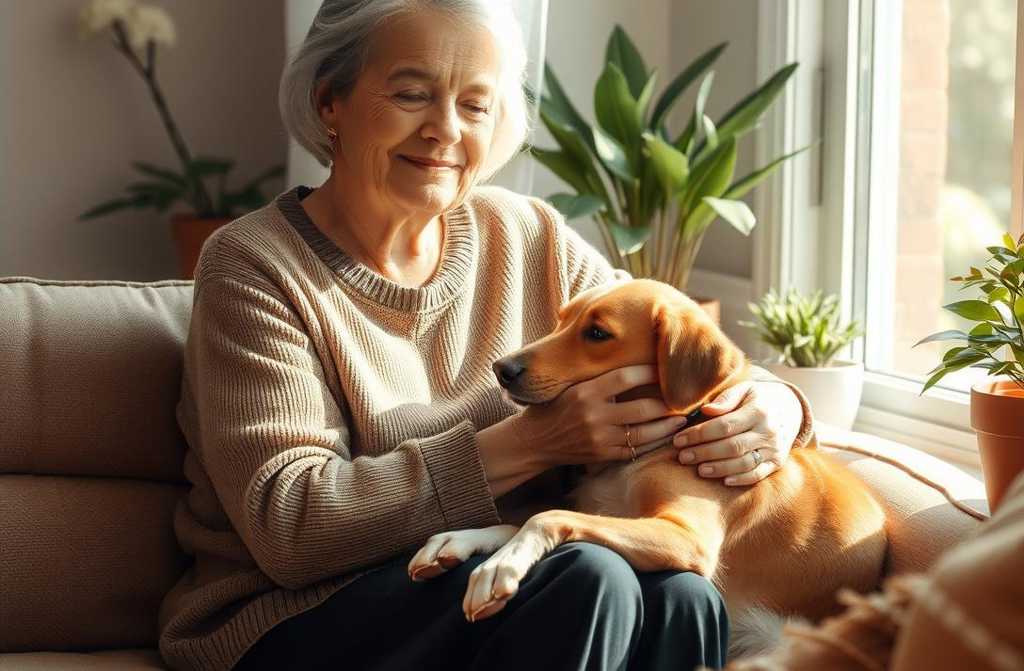
— Мамо, що ти наробила? — донька майже кричала в слухавку. — Який, до біса, собака з притулку?! Та ще й старий й хворий. Та ти сама нездорова на голову! Хіба не можна було зайнятися танцями?
Ніна Сергіївна стояла біля вікна. Вона спостерігала, як повільно на місто опускається біла імла. Сніжинки крутилися в хороводі, укладаючись на дахи, сідаючи на гілки дерев, ламаючи свої тонкі промінці під ногами пізніх перехожих. Останнім часом стояння біля вікна увійшло в звичку. Раніше вона чекала з роботи чоловіка, який приходив пізно, втомлений, з охриплим голосом. На кухні горіло м’яке світло, на столі вечеря, та розмови за чашкою чаю…
Поступово теми для розмови вичерпалися, чоловік почав приходити ще пізніше. Він став уникати погляду, відповідати на питання дружини скупими фразами. А одного разу…
— Ніно, я давно хочу тобі сказати… я зустрів іншу жінку. Ми любимо одне одного, і я ініціюю розлучення.
— Як? Розлучення… а я, Олеже, що буде зі мною? — Ніна раптом відчула пронизливий біль під лопаткою.
— Ніно, ми ж дорослі люди. Діти виросли, живуть своїм життям. Ми з тобою прожили майже тридцять років. Але ми ще молоді. Подивися, нам обом трохи за п’ятдесят. Але я хочу чогось нового, свіжого!
— А я, виходить, стара і пропаща. Відслуживший свій термін спогад, — прошепотіла розгублена жінка.
— Не перебільшуй. Ти не стара… Тільки зрозумій, з нею я відчуваю себе тридцятирічним. Пробач мені, але я хочу бути щасливим, — чоловік чмокнув дружину в тім’я і пішов у ванну. Змивав з себе старий шлюб, наспівуючи веселі пісеньки, а на плечі Ніни тиснула всесвітня туга… Зрада. Що може бути гірше?
Ніна не помітила, як пролетів час – розлучення, Олег поїхав до нової обраниці. А в її житті настали сірі дні. Вона звикла жити заради дітей, заради чоловіка. Їхні проблеми були її проблемами, їхні хвороби – її хворобами, їхня радість і успіхи – її успіхами. А тепер?
Ніна годинами стояла біля вікна. Іноді дивилася в маленьке ручне дзеркальце, що дісталося їй від бабусі. У ньому вона бачила то сумне око, то сльозинку, яка губилася вже в появі зморщок, то сивий волосок на виску.
Ніна боялася дивитися в велике дзеркало.
— Мамо, ти повинна знайти собі якусь справу, — прохрипіла донька, готуючись кудись іти.
— Чим, доню? — тьмяний голос матері губився в телефонних дротах.
— Ну, не знаю. Книги там, танці «Кому за…», виставки.
— Так-так, кому за … Мені вже за…
— Ой, мамо, вибач, мені ніколи.
На диво, син Льоня поставився до смутку матері з більшим розумінням:
— Мам, мені дуже шкода, що так сталося. Знаєш, ми з Ірою хочемо до тебе приїхати, може, на Новий рік. Познайомитеся. Тобі буде радісніше з нами.
Ніна обожнювала дітей, але дивувалась, наскільки вони різні…
*****
Якось увечері, глянувши соцмережі, Ніна натрапила на оголошення:
«День відкритих дверей у притулку для собак. Приходьте, приводьте дітей, знайомих і рідних. Наші улюбленці будуть дуже раді познайомитися з кожним новим гостем! Ми чекаємо вас за адресою…»
Далі було зазначено, що якщо хтось хоче допомогти притулку, ось список необхідного. Ніна прочитала раз, вдруге.
— Ковдри, пледи, стару постільну білизну, рушники. Якраз треба розібрати всі ці завали. Думаю, в мене є, що їм віддати, — міркувала вночі Ніна.
Стоячи біля вікна, вона прокручувала в голові список необхідного, що ще вона може купити з невеликою зарплатою.
Через десять днів вона стояла біля воріт притулку. Ніна приїхала з подарунками. Таксист допоміг вивантажити нескінченні важкі сумки з ковдрами та ганчірками. Витягнув згорнений витертий килим та згорток з килимками.
Волонтери притулку допомагали гостям носити тюки з білизною, мішки з кормом, сумки з подарунками для собак. Потім гостей розібрали волонтери, поділивши їх на групи. Проводили вздовж вольєрів, розповідаючи історію кожного жителя цих сумних кліток…
Ніна повернулася додому втомленою. Вона не відчувала під собою ніг.
— Так, душ, вечеря, диван. Подумаю про все потім, — сказала собі жінка.
Але «потім» не вдалося. У голові так і крутилися картинки — люди, клітки, собаки.
І їхні очі…
Такі очі Ніна бачила у своєму маленькому дзеркальці. Очі, наповнені сумом і неверієм у щастя.
Особливо її вразила одна собачка, стара, сива. Вона була дуже сумна. Лежала тихенько в кутку і ні на кого не реагувала.
— Це Леді. Японський хін. Господиня покинула її в досить поважному віці. Леді теж вже старушка, їй аж дванадцять років. Кажуть, при гарному догляді вони живуть і до п’ятнадцяти. Але Леді старенька, хвора і сумна собачка. Таких, на жаль, ніхто не забирає додому, — волонтер зітхнув і повів гостей далі.
Ніна затрималася біля Леді. Та на неї не реагувала. Лежала на старій ковдричці, немов штучна собачка, немов стара брудна іграшка…
Всю тиждень на роботі Ніна згадувала про сумну собачку. У самій жінці раптом прокинулося натхнення, і вона проявляла активність на роботі.
— Адже Леді — це моє відображення. Тільки я ще не така стара. Але самотня. Діти роз’їхалися, чоловік переступив через мене, як я килимок на асфальті. А я не килимок! Ні, я не килимок!
Ніна вийшла з кабінету і набрала номер притулку.
— Доброго дня! Я була у вас на дні відкритих дверей. Ви мені багато розказували про Леді, стару собачку. Пам’ятаєте? — з надією запитала жінка.
— Так-так, звісно, пам’ятаю. Ви єдина, хто затримався біля її клітки.
— Скажіть, будь ласка, чи можна її провідати?
— Леді? Неймовірно! Звісно, приїжджайте! Можете на найближчі вихідні, — волонтер обговорила час візиту і відключилася.
Того вечора Ніна знову стояла біля вікна. Але цього разу вона не сумувала, згадуючи минуле життя. Вона спостерігала, як на подвір’ї гуляє чоловік з великою собакою.
Пес бігав колами по безлюдному нічному подвір’ї. Ганявся за м’ячем, раз за разом приносячи його хазяїну. А той ласкаво махав головою собачки.
Наближалися вихідні.
— Леді, привіт! — Ніна присіла навпочіпки біля собаки. Але та у відповідь не ворухнулася.
Ніна сіла прямо на підлогу. Вона була в старих джинсах, які взяла з собою, щоб переодягтися в притулку.
Не підходячи близько до собачки, Ніна почала говорити…
Вона розповідала про себе, про своїх дітей. Про те, що вона одна в трикімнатній квартирі, яку тепер немає з ким розділити.
Так минула година. Ніна трохи наблизилася до ковдри, на якій лежала Леді. Потроху наблизила до неї руку. Доторкнулася до голови. Ледве погладила її.
Собачка зітхнула.
Ніна, осмілівши, почала гладити собачку розміреними повільними рухами. Леді, подумавши, стала підставляти під руку голову. Так з’явився контакт.
Виходячи, Ніна спіймала на собі уважний погляд карих очей. Собачка дивилася на неї, ніби хотіла зрозуміти, чи це була разова зустріч чи…?
— Почекай мене, я швидко, — шепнула жінка собачці, закрила клітку і поспішила до волонтера.
— Ну що, поспілкувалися? — з усмішкою дівчина дивилася на Ніну.
— Я.. я хочу її забрати… — від хвилювання у Ніни збило дихання.
— Прямо так одразу?
— Так, вона відгукнулася. Ви кажете, що у таких старушок майже немає шансів. Я хочу дати їй цей шанс.
— Ніна, я вас хочу попередити. Леді, вона хвора собачка, їй знадобиться догляд, якщо ви захочете продовжити її життя. А це час, сили і гроші.
— Я розумію. Я виростила двох чудових дітей. І думаю, що зможу справитися. Давайте дамо їй цей шанс, — Ніна була переконливою.
— Добре. Я підготую договір. І ще — ми ненав’язливо відслідковуємо долю наших вихованців. Розумієте, люди різні…
— Звичайно. Все що ви скажете. Фотографії, відеодзвінки, про всі візити до лікарів я вам повідомлятиму.
Через пару годин Ніна увійшла в квартиру, тримаючи на руках загорнуту в рушник собачку. Вона опустила її на підлогу.
— Ну ось, Леді. Це твій новий дім. Давай вчимося разом, як нам тепер жити.
Ніна взяла кілька днів за рахунок відпустки і щільно зайнялася собакою. Ветеринари, обстеження, грумер, стрижка кігтів, видалення хворих зубів…
Леді виявилася дуже вихованою собачкою. Ніна для неї постелила пелюшки, щоб у разі потреби Леді могла зробити свої справи.
Виходити на вулицю Ніна старалася рано вранці і пізно ввечері, максимально скоротивши зустрічі із сусідами. Вона хотіла, щоб Леді звикла до нових умов, і щоб ніщо її не налякало.
*****
— Мамо, що ти наробила? Чи ти здорова? — донька майже кричала в слухавку.
— Здорова. Дякую, що тебе це хвилює.
— Мамо, який, до біса, собака з притулку?! Та ще й старий і хворий. Та ти сама нездорова на голову! Хіба не можна було зайнятися танцями?
— Доню, твоя мама — молода жінка. Мені всього п’ятдесят три роки. Я здорова, красива, самостійна. І не цього я тебе вчила! — відпарирувала Ніна.
— Але, мамо…
— Давай без всяких «але»… У тебе своє життя, твій брат Олексій теж далеко. Батько — так взагалі змінив мене на майже школярку. Будь добра, навчися поважати і приймати мої рішення.
Ніна вимкнула телефон, видихнула і пішла на кухню. Їй захотілося кави.
— Мам, ну ти молодець! Я б навіть не здогадався! Ти просто молодець! Собака з притулку — це достойно поваги. А вистачить терпіння? — син підтримав, але його здивуванню не було меж.
— Льоню, вас же я виростила. Змогла якось, — засміялася Ніна. — Зможу. У притулку обіцяли допомогти, якщо знадобиться.
Ніна не сказала ні сину, ні доньці, що під час нічних прогулянок з Леді вона познайомилася з тим самим чоловіком, який гуляє з великою собакою.
Що звуть його Дмитро. Він у розлученні, дружина поїхала в нове життя в новій країні з новим чоловіком. А у нього з’явилася собака…
І здогадайтеся, звідки?
Так, так, Дмитро зустрів свого Абрека в притулку. Абрека туди забрали з відлову. Здоровий породистий пес бігав у паніці по місту, коли його зловили.
Пошуки старих господарів, незважаючи на клеймо, не увінчалися успіхом. І Дмитро став жити з Абреком, звикаючи до нових обставин…
*****
— Мам, ми з Ірою приїдемо до тебе, можна? Я хочу вас познайомити швидше. Вона така класна. Шалена, як ти!
Ніна сміялася над словами сина.
— Приїжджайте, любі. Ми вас чекаємо.
А тридцять першого числа, коли в двері подзвонили, насторожилися відразу дві собаки – Дмитро з Абреком прийшли до Ніни та Леді в гості.
Син, побачивши таку компанію, зрадів:
— Мам, я не буду чекати ночі, я тобі скажу одразу. Ось моя Іра. Я її люблю, ти скоро станеш бабусею.
І ще – ми хочемо взяти собаку з притулку. Але для початку, мабуть, маленьку. Все ж дитина скоро народиться…
Цієї ночі в місті не було сумних вікон – вітання, музика, сміх наповнили місто і весь світ радістю.
І навіть у притулках не знайшли ще свою сім’ю собаки і коти наповнювалися особливим почуттям – очікуванням щастя.
Тож будемо ми всі щасливі!
І вам, мої дорогі друзі, великий привіт і вітання від мого славного хлопця Філа. Сподіваюся, він вже не пам’ятає, як жив у притулку.
Адже він насолоджується щастям і купається в нашій любові!
Бажаю вам щастя!



Dandelion Jam A gentle and snowy winter has passed, and with spring’s arrival in our small English town, Taissa finds herself yearning for green leaves and colourful blooms. From her third-floor window, she gazes out at the awakening city where lorries rumble, the market buzzes, and people shed their winter wear for brighter coats. Birds sing before alarms; spring brings new energy, and soon, summer will be even better. Taissa, long settled in her five-storey block, now lives with her granddaughter, Vera, a lively Year Four pupil whose parents—both doctors—left for a work contract in Africa, entrusting their daughter to her grandmother. “Gran, we’re giving you Vera to look after, just for a while,” her daughter had said. “She’ll be happier with you than traipsing across the world.” Taissa, now retired, was delighted for the companionship. Each day is filled with routine: shopping, chatting with her neighbours on the chilly bench outside—the ever-watchful Mrs Simmons from downstairs, always mysterious about her age, and the cheerful, well-read Mrs Valentine. Together, they swap news, share stories, and complain about health, their bench a hub of local gossip. Life continues: Taissa spoils Vera with treats for her good grades, welcomes her home from school, listens to her tales, and beams with pride at Vera’s dedication to dance lessons. One bright afternoon, as Taissa awaits Vera’s return, she’s joined by Mr Edward, a widower from next door, who talks about the daffodils and coltsfoot carpeting the lawns like tiny suns. Spring’s beauty is in full bloom, and with Vera’s lively mischief, their days are warm and busy. Edward and Taissa begin to meet regularly—reading the papers, walking in the park, discussing recipes, and sharing snippets of their lives. Edward’s own story is bittersweet: he raised his daughter, Anne, alone after losing his wife, and despite his efforts, Anne’s grown distant, raising a son on her own in another city. Unexpectedly, Anne arrives with austere intentions: she insists her father sell his beloved flat and move in with her for “company’s sake”. Edward resists, unwilling to leave his home and his quiet, independent life. Anne, noting his friendship with Taissa, confronts Taissa with suspicion, accusing her of ulterior motives regarding Edward’s property. The harsh words sting, but Anne soon leaves in anger, severing ties with her father. Taissa, embarrassed by the scene, grows distant from Edward—until one day, he waits for her outside, dandelions in hand, apologising for his daughter’s behaviour. He gifts her a wreath of dandelions and offers a jar of his homemade dandelion jam, extolling its health benefits and inviting her to try it in a salad. Together, they share tea with dandelion jam and laughter, and in the quiet evening, stroll to the park with a fresh issue of their favourite magazine. Sitting beneath their old lime tree, their conversation flows, and all worries melt away. For Taissa and Edward, the springtime brings sweet new beginnings—and the simple joys of dandelion jam. Thank you for reading, subscribing, and supporting my stories. Wishing you happiness in life!
Dandelion Jam The snow finally melted away; this year, the frost hadnt been harshjust a gentle, snowy winter. Yet, as...


After I Told My Wife That Her Daughter Isn’t My Responsibility, the Truth About Our Family Was Revealed
After telling my wife that her daughter wasnt my responsibility, the truth about our family came out For a long...


My Husband Refuses to Give Our Flat to Our Daughter: Should We Let Her Move In or Split the Proceeds Equally Between All Our Children?
The flat in question was left to my husband by his aunta modest place tucked right in the heart of...


She Didn’t Want To – But She Did: How Vasilisa’s Desperate Gamble Led to Love and Redemption in a Quiet English Village
Didnt Want To, But Did Lucy never really learned how to smoke, but she was convinced it helped settle her...


You Simply Don’t Understand Your Own Happiness — Half a million? — Karen stared at the phone notification, rereading it three times before the numbers made sense. — You took out a loan for half a million pounds? David was on the sofa, fixated on his smartphone, not even looking up. — Oh, that… Yeah, it’s nothing really, just for Mum’s house repairs. You know her pipes are leaking, floors warped, wallpaper peeling… — Hold on. — Karen sank onto the edge of the armchair, legs refusing to hold her. — You got a loan. For half a million. And gave all of it to your mother. Without saying a word to me? David finally looked up. His face showed only genuine confusion, as if his wife was asking something entirely obvious. — Karen, it’s my mum. She lives alone, her pension’s tiny. Who else is going to help her? — And you couldn’t discuss it with me? — Karen yelled, unable to stop herself. — Ask my opinion? At least warn me? — You would’ve argued, — David shrugged. — And Mum needed it urgently. Four years. Four years she’d put up with the woman who called every evening to check what David had for dinner. Who’d arrive unannounced and critique their cleaning, who’d orchestrate family dinners so Karen ended up at the far end of the table. — Don’t make a mountain out of a molehill, — David kept his calm tone. — We’ll be fine. Pay it off fast, it’s not much. It’s family. Hot, angry tears streamed down. Karen wiped them with the back of her hand, smearing mascara. — Family? Am I family? Or just an add-on? Remember when your mum decided it was time for a new car and you sold ours without asking me? Or when she cleared my things out of the guest room because she “couldn’t sleep surrounded by strangers’ junk”? Or how on my birthday, you left with her to buy her a fridge? — It’s nothing, — David waved her off. — You’re just tired, you need a break. Karen looked at this man—tall, gentle features, dimples she once thought cute. Now she saw only a thirty-year-old boy who couldn’t cut the cord. — We’ll get through this, — he repeated like a mantra. — Love conquers all. Karen rose without a word and went to the bedroom. Two large duffel bags sat in the closet—the same ones she’d moved in with. She dragged them out, tossed them on the bed, and began opening cupboards. David appeared at the door twenty minutes later, just as one bag was stuffed full. — What are you doing? Karen, this is ridiculous. You’re not serious? She didn’t answer, quietly folding jumpers, jeans, underwear. Took down the jewellery box—gifts from her parents and friends, she wouldn’t take anything from him. — Where will you go? To your mum? She’s up in Manchester! Zipping the second bag. Checking her purse—passport, bank card, the keys to her mum’s flat she’d always kept “just in case.” — Karen, say something! You can’t just leave me. I love you! She looked him in the eye, sharp and long. Then picked up her bags and walked out. …Next morning, Karen stood in line at the registry office, clutching her completed divorce papers. Rain drizzled outside, grey clouds low over rooftops, but inside she felt a strange calm. The decision was made. The first call came at half past two in the morning. Karen jumped awake on the sofa at her friend Leah’s, not immediately sure where she was. — We need to talk, — David’s rapid breathing, scattered words. — I get it now, I’ll change. Please, give me a chance. She hung up. Twenty minutes later, the phone rang again. — Karen, I can’t live without you. You are my whole life. By morning, there were forty-three messages. Each one long, tearful, full of promises and threats. “If you don’t come back, I don’t know what I’ll do.” “Mum says you’re just being difficult.” “I’ll wait for you, forever.” A week later, David began appearing outside her office. Karen would leave for lunch and there he’d be, hovering by the coffee kiosk. She’d head to the Tube—there he was, across the street. — Just passing by, — he insisted when Karen demanded an explanation. — I wanted to see you. One evening, there was a knock at Leah’s door. Karen opened it, not checking the peephole—she was expecting the pizza delivery. David stood on the doorstep, clutching a bouquet of red roses. — Just one chance, — he whispered. — I ask for nothing more. Karen quietly closed the door. He stayed outside for two hours, until the neighbours threatened to call the police. She learned to live with it—the way you learn to live with chronic pain. Don’t read the texts, don’t answer unknown calls, don’t look back in the street. Switched to remote work at a new firm, moved to a suburb where David would never “happen” to be. The divorce was finalised three months later. Karen left court with the official papers clutched tight and cried on the steps—not for grief, but relief. The first months of freedom were frighteningly empty. Karen had gotten used to checking every decision with someone, even if they’d always do as they wished. Now she could buy any yoghurt in the shop, without wondering if Mrs Davies would approve. She could watch any film, and wouldn’t hear “normal women don’t watch that.” She could breathe. She signed up for English courses—her long-time dream, which David had dismissed as “foolish expense.” Began attending early morning yoga before sunrise, when the city was just waking up. Took a solo trip to Brighton for the weekend, wandering the streets and eating doughnuts. Six months later, the calls stopped. The texts too. Karen waited for the catch another month, then another, and finally understood she could relax. She landed a job at a marketing agency—bright office, young team, exciting projects. Life was moving on. …She met Andrew at a work event her colleague Maddy insisted she attend. — This is our lead developer, — Maddy introduced a tall guy in thin-rimmed glasses. — Andrew, this is Karen from marketing. He shook her hand—firmly, but gently. Smiled—just a plain, genuine smile. — Escaping from the karaoke too, I see? — he nodded toward the stage, where the Finance Director was butchering “Wonderwall.” — Saving my nerves, — Karen nodded. They talked most of the night—about books, travel, the oddities of life. Andrew listened more than he spoke. Asked questions, actually waited for answers, never interrupted. Never tried to lecture or explain how she should live. When he found out she was divorced, he just nodded and changed the subject. …Half a year later, they moved in together, picking a flat in the city centre. Small, light-filled, high ceilings, overlooking a quiet courtyard. — Are you sure you like this flat? — Karen asked, as they viewed it before signing. — Maybe we should see some more? — Do you like it? — Andrew turned to her. — Yes. Very much. — Then let’s take it. Small things—the right to have an opinion, and be heard—meant more than any declarations of love. He proposed on the roof of their building, as the sun sank below the skyline, painting the sky pink and gold. He pulled out a tiny box, opened it—inside shimmered a diamond ring. — I’m not much for speeches, — Andrew admitted. — But I want to wake up next to you every day. If you don’t mind my snoring and my addiction to terrible coffee. Karen laughed through tears and nodded. …That May evening began like any other. Andrew was late at work—a looming deadline, an urgent bug. Karen was making pasta, humming along to the radio, when a sharp, insistent knock came at the door. She glanced through the peephole—and jumped back. It was David. Pale, dark circles under his eyes, crumpled shirt. Two years. Two years of silence—and now he was here. — Karen, open up! — his fist hammered the door. — I know you’re there! We need to talk! She grabbed her phone, dialled Andrew. The line was busy. — We love each other! — David shouted through the door. — You can’t be with someone else! It’s wrong! The door shuddered—he was throwing his weight against it. Karen pressed her back tight against the door, feet braced. — Get away, — she yelled. — I’ll call the police! — You’re my wife! — his voice climbed to a shrill pitch. — You were mine and you’ll always be mine! I waited two years for you to come to your senses! Two years! — We’re divorced! It’s over! — Nothing’s over! — he shoved again, and she barely held the door. — I’ve changed! Mum says you just don’t understand your own happiness! Open up, let’s talk! Through the peephole, his face was twisted, possessed. Nothing like the man she’d once shared a bed with. Karen dialled 999. — David! One click and the police will be here. Leave. Now. David froze. A few seconds passed. Then he spun around and strode to the stairs. Downstairs, the front door banged. Karen slid to the floor against the wall, dizzy. After half an hour, she managed to stand and call Andrew. The police took her statement the next day. The officer, an older bloke with a mustache, took notes, nodded. — We’ll deal with it. We’ll have a word. Whatever he said to David, Karen never found out. But after that, her ex never appeared again. No calls, no messages, no accidental run-ins. …She and Andrew held their wedding in early June—a small country restaurant, twenty guests, just close friends. No fuss, no groom’s relatives demanding old traditions. Karen stood across from Andrew in a simple white dress, holding his warm hands. Outside, birch trees rustled, the air scented with flowers and freshly cut grass. — Do you take… — began the celebrant. — I do, — Karen cut in, making the guests laugh. Andrew slid the ring on her finger—thin gold, engraved inside: “Always with you.” Karen looked up at the man who would be her husband. Not a mummy’s boy, not an obsessed stalker. Just a man who knew how to listen, respect, and love. Ahead lay a life where her voice mattered…
You just dont understand your own happiness Fifty thousand pounds? Emma scanned the notification flashing on her phone three times...


The Stillness of New Year’s Eve
New Years Quietude November hung over me like a damp blanketgrey, wet, hopelessly dismal, just as ever. The days dragged...


You Simply Don’t Understand Your Own Happiness — Half a million? — Karen stared at the phone notification, rereading it three times before the numbers made sense. — You took out a loan for half a million pounds? David was on the sofa, fixated on his smartphone, not even looking up. — Oh, that… Yeah, it’s nothing really, just for Mum’s house repairs. You know her pipes are leaking, floors warped, wallpaper peeling… — Hold on. — Karen sank onto the edge of the armchair, legs refusing to hold her. — You got a loan. For half a million. And gave all of it to your mother. Without saying a word to me? David finally looked up. His face showed only genuine confusion, as if his wife was asking something entirely obvious. — Karen, it’s my mum. She lives alone, her pension’s tiny. Who else is going to help her? — And you couldn’t discuss it with me? — Karen yelled, unable to stop herself. — Ask my opinion? At least warn me? — You would’ve argued, — David shrugged. — And Mum needed it urgently. Four years. Four years she’d put up with the woman who called every evening to check what David had for dinner. Who’d arrive unannounced and critique their cleaning, who’d orchestrate family dinners so Karen ended up at the far end of the table. — Don’t make a mountain out of a molehill, — David kept his calm tone. — We’ll be fine. Pay it off fast, it’s not much. It’s family. Hot, angry tears streamed down. Karen wiped them with the back of her hand, smearing mascara. — Family? Am I family? Or just an add-on? Remember when your mum decided it was time for a new car and you sold ours without asking me? Or when she cleared my things out of the guest room because she “couldn’t sleep surrounded by strangers’ junk”? Or how on my birthday, you left with her to buy her a fridge? — It’s nothing, — David waved her off. — You’re just tired, you need a break. Karen looked at this man—tall, gentle features, dimples she once thought cute. Now she saw only a thirty-year-old boy who couldn’t cut the cord. — We’ll get through this, — he repeated like a mantra. — Love conquers all. Karen rose without a word and went to the bedroom. Two large duffel bags sat in the closet—the same ones she’d moved in with. She dragged them out, tossed them on the bed, and began opening cupboards. David appeared at the door twenty minutes later, just as one bag was stuffed full. — What are you doing? Karen, this is ridiculous. You’re not serious? She didn’t answer, quietly folding jumpers, jeans, underwear. Took down the jewellery box—gifts from her parents and friends, she wouldn’t take anything from him. — Where will you go? To your mum? She’s up in Manchester! Zipping the second bag. Checking her purse—passport, bank card, the keys to her mum’s flat she’d always kept “just in case.” — Karen, say something! You can’t just leave me. I love you! She looked him in the eye, sharp and long. Then picked up her bags and walked out. …Next morning, Karen stood in line at the registry office, clutching her completed divorce papers. Rain drizzled outside, grey clouds low over rooftops, but inside she felt a strange calm. The decision was made. The first call came at half past two in the morning. Karen jumped awake on the sofa at her friend Leah’s, not immediately sure where she was. — We need to talk, — David’s rapid breathing, scattered words. — I get it now, I’ll change. Please, give me a chance. She hung up. Twenty minutes later, the phone rang again. — Karen, I can’t live without you. You are my whole life. By morning, there were forty-three messages. Each one long, tearful, full of promises and threats. “If you don’t come back, I don’t know what I’ll do.” “Mum says you’re just being difficult.” “I’ll wait for you, forever.” A week later, David began appearing outside her office. Karen would leave for lunch and there he’d be, hovering by the coffee kiosk. She’d head to the Tube—there he was, across the street. — Just passing by, — he insisted when Karen demanded an explanation. — I wanted to see you. One evening, there was a knock at Leah’s door. Karen opened it, not checking the peephole—she was expecting the pizza delivery. David stood on the doorstep, clutching a bouquet of red roses. — Just one chance, — he whispered. — I ask for nothing more. Karen quietly closed the door. He stayed outside for two hours, until the neighbours threatened to call the police. She learned to live with it—the way you learn to live with chronic pain. Don’t read the texts, don’t answer unknown calls, don’t look back in the street. Switched to remote work at a new firm, moved to a suburb where David would never “happen” to be. The divorce was finalised three months later. Karen left court with the official papers clutched tight and cried on the steps—not for grief, but relief. The first months of freedom were frighteningly empty. Karen had gotten used to checking every decision with someone, even if they’d always do as they wished. Now she could buy any yoghurt in the shop, without wondering if Mrs Davies would approve. She could watch any film, and wouldn’t hear “normal women don’t watch that.” She could breathe. She signed up for English courses—her long-time dream, which David had dismissed as “foolish expense.” Began attending early morning yoga before sunrise, when the city was just waking up. Took a solo trip to Brighton for the weekend, wandering the streets and eating doughnuts. Six months later, the calls stopped. The texts too. Karen waited for the catch another month, then another, and finally understood she could relax. She landed a job at a marketing agency—bright office, young team, exciting projects. Life was moving on. …She met Andrew at a work event her colleague Maddy insisted she attend. — This is our lead developer, — Maddy introduced a tall guy in thin-rimmed glasses. — Andrew, this is Karen from marketing. He shook her hand—firmly, but gently. Smiled—just a plain, genuine smile. — Escaping from the karaoke too, I see? — he nodded toward the stage, where the Finance Director was butchering “Wonderwall.” — Saving my nerves, — Karen nodded. They talked most of the night—about books, travel, the oddities of life. Andrew listened more than he spoke. Asked questions, actually waited for answers, never interrupted. Never tried to lecture or explain how she should live. When he found out she was divorced, he just nodded and changed the subject. …Half a year later, they moved in together, picking a flat in the city centre. Small, light-filled, high ceilings, overlooking a quiet courtyard. — Are you sure you like this flat? — Karen asked, as they viewed it before signing. — Maybe we should see some more? — Do you like it? — Andrew turned to her. — Yes. Very much. — Then let’s take it. Small things—the right to have an opinion, and be heard—meant more than any declarations of love. He proposed on the roof of their building, as the sun sank below the skyline, painting the sky pink and gold. He pulled out a tiny box, opened it—inside shimmered a diamond ring. — I’m not much for speeches, — Andrew admitted. — But I want to wake up next to you every day. If you don’t mind my snoring and my addiction to terrible coffee. Karen laughed through tears and nodded. …That May evening began like any other. Andrew was late at work—a looming deadline, an urgent bug. Karen was making pasta, humming along to the radio, when a sharp, insistent knock came at the door. She glanced through the peephole—and jumped back. It was David. Pale, dark circles under his eyes, crumpled shirt. Two years. Two years of silence—and now he was here. — Karen, open up! — his fist hammered the door. — I know you’re there! We need to talk! She grabbed her phone, dialled Andrew. The line was busy. — We love each other! — David shouted through the door. — You can’t be with someone else! It’s wrong! The door shuddered—he was throwing his weight against it. Karen pressed her back tight against the door, feet braced. — Get away, — she yelled. — I’ll call the police! — You’re my wife! — his voice climbed to a shrill pitch. — You were mine and you’ll always be mine! I waited two years for you to come to your senses! Two years! — We’re divorced! It’s over! — Nothing’s over! — he shoved again, and she barely held the door. — I’ve changed! Mum says you just don’t understand your own happiness! Open up, let’s talk! Through the peephole, his face was twisted, possessed. Nothing like the man she’d once shared a bed with. Karen dialled 999. — David! One click and the police will be here. Leave. Now. David froze. A few seconds passed. Then he spun around and strode to the stairs. Downstairs, the front door banged. Karen slid to the floor against the wall, dizzy. After half an hour, she managed to stand and call Andrew. The police took her statement the next day. The officer, an older bloke with a mustache, took notes, nodded. — We’ll deal with it. We’ll have a word. Whatever he said to David, Karen never found out. But after that, her ex never appeared again. No calls, no messages, no accidental run-ins. …She and Andrew held their wedding in early June—a small country restaurant, twenty guests, just close friends. No fuss, no groom’s relatives demanding old traditions. Karen stood across from Andrew in a simple white dress, holding his warm hands. Outside, birch trees rustled, the air scented with flowers and freshly cut grass. — Do you take… — began the celebrant. — I do, — Karen cut in, making the guests laugh. Andrew slid the ring on her finger—thin gold, engraved inside: “Always with you.” Karen looked up at the man who would be her husband. Not a mummy’s boy, not an obsessed stalker. Just a man who knew how to listen, respect, and love. Ahead lay a life where her voice mattered…
You just dont understand your own happiness Fifty thousand pounds? Emma scanned the notification flashing on her phone three times...


My Husband Invited His Ex-Wife Over for the Sake of the Children—So I Checked Into a Hotel to Celebrate on My Own
My husband invited his ex-wife over for the boys, so I spent the holiday in a hotel Where are you...