
EN
I Need Your Oldest Dog

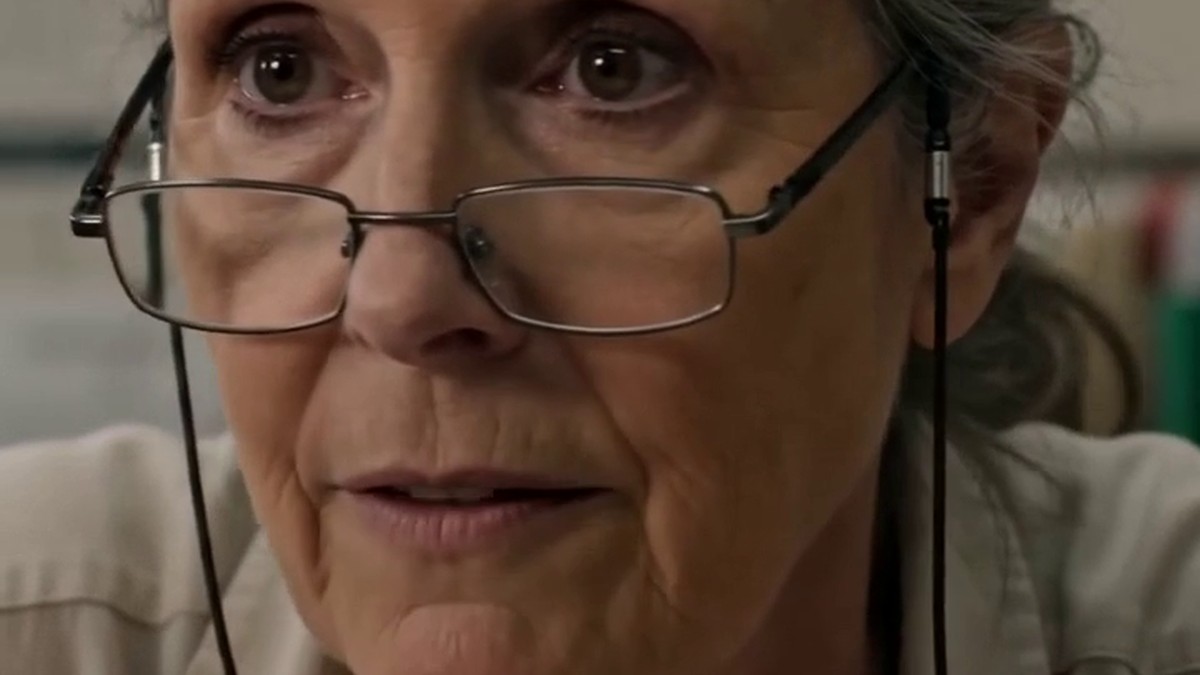
Megan set down the clipboard and stared at the woman standing at the front counter. In four years of volunteering at Paws & Claws Rescue, she’d heard every possible request. People wanted puppies with floppy ears, dogs that didn’t shed, dogs that could run with them, dogs that matched their couch. One guy asked for a husky with “ice-blue eyes, like on Instagram.” But this was new.
– I need your oldest dog, the woman said.
She was sixty, maybe a little older. Lean and weathered, with gray-streaked hair pulled back into a knot that had come loose on one side. Her sneakers were caked with dried mud, and the cuffs of her jeans were frayed. Over her shoulder, she carried a canvas tote with a rip near the top, the kind you use until the straps give out. She stood completely still, not smiling, not fidgeting. Just waiting.
– Oldest? Megan repeated. – Like, how old are we talking?
– The oldest you have. Ten, twelve, whatever age nobody else wants.
Megan glanced toward the back office. – I’ll… grab Diane. Be right there.
Diane, the shelter director, was rinsing out a stack of metal food bowls in the utility sink. The water ran lukewarm and smelled faintly of bleach. She turned off the tap and dried her hands on her jeans when Megan appeared in the doorway.
– There’s a woman out front, Megan said. – She’s asking for the oldest dog we’ve got. The oldest, Diane. Like she wants a senior on purpose.
Diane’s eyebrows went up. She’d managed the shelter for seventeen years and thought she’d seen every angle of human nature. She pulled off her reading glasses, let them hang from the cord around her neck, and walked out front.
The woman’s name was Lillian Cross. She sat in a plastic chair in Diane’s cramped office, the tote balanced on her knees, her hands folded over it. Her knuckles were rough, the nails short and clean but chapped at the corners—hands that had scrubbed floors and planted gardens and held sick animals through the night.
– Mrs. Cross, Diane said gently, – you know that senior dogs come with a lot of medical needs. Expensive food, meds, often chronic pain. Kidney issues, heart conditions. It’s not an easy commitment.
– I know.
– Do you have experience with dogs?
– Yes.
Diane leaned forward. – Tell me.
Lillian’s eyes drifted to the window, where a row of kennels stretched into the shade. Somewhere in the distance, a dog barked—a low, throaty sound, more lonely than aggressive.
– Right now I’ve got Gus at home. He’s thirteen, a black Lab mix, got arthritis in his hips so bad he can’t do stairs. I adopted him from a shelter in Tulsa two years ago, the day before he was scheduled to be put down. Before Gus, there was Mabel. She was eleven, completely deaf, covered in tumors. She only lived eight months with me. Before Mabel, there was Hank. He was a boxer with congestive heart failure. He made it fourteen months.
She recited the names carefully, like she was reading from a patient chart. But each name came a little slower, as if she wanted to let it hang in the air just a beat longer.
Diane set her pen down.
– So you deliberately seek out elderly dogs.
– Yes.
– Can I ask why?
Lillian met Diane’s eyes. Her voice stayed level, but something underneath it was solid and unshakable.
– Because nobody else takes them. Everyone wants puppies. They want young dogs who can chase a ball and pose for pictures. A twelve-year-old mutt with kidney disease sits in a cage for months, wondering what she did wrong. She had a family once. She slept on a bed, she wagged her tail when a car pulled in the driveway. Then one day she was here, and the floor was cold, and the person who loved her never came back. She might have a year left. Maybe two. I don’t want her to spend that year on concrete.
The office was quiet. Through the thin wall, a dog’s tail thumped against a metal kennel panel—soft, rhythmic, expectant.
Diane stood up.
– Come with me.
She led Lillian down the concrete aisle between the indoor kennels. The air was heavy with the smell of pine-scented cleaner and dry kibble. A young pit bull hurled himself at the chain-link as they passed, yelping with frantic hope. A Jack Russell mix spun in frantic circles. Lillian didn’t stop, didn’t even slow down.
At the end of the row, in the quietest corner, Diane pointed to the last kennel.
– This is Clementine. She’s fourteen. Owner passed away, the daughter said her new apartment didn’t allow pets. She left her in a cardboard box outside our gate at five in the morning. Clementine was still waiting in it when we opened.
Clementine lay on a worn fleece blanket in the back of the kennel. She was a large, mahogany-colored hound mix with drooping ears and a face dusted entirely in white. Her back legs were splayed awkwardly, joints knobby. A water bowl sat untouched by her side. She didn’t get up. She just lifted her head, eyes cloudy, and looked toward the voice.
– She has advanced kidney disease, Diane said quietly. – And a heart murmur. Our vet gives her maybe a year, with daily meds and careful monitoring.
Lillian crouched down, her knees cracking. She put her fingers through the chain-link.
– Clementine.
The dog’s tail stirred. One weak thump. Then another. She pushed herself up with visible effort, front paws trembling, and shuffled three steps to the gate. Her nose, warm and dry, pressed against Lillian’s knuckles.
Lillian stroked the white muzzle, slow and steady, from nose to forehead.
– I’ll take her, she said.
* * *
The paperwork took twenty minutes. Megan watched through the window as Lillian sat on the bench outside, Clementine on a leash at her feet. The old dog leaned against Lillian’s shin, her eyes half-closed, not straining or anxious—just resting. Safe, already.
– Diane? Megan said quietly. – Is she okay? I mean, why would someone do this? They’re just going to… die soon.
Diane crossed her arms and looked out at Lillian.
– I’ve had dogs returned because they chewed a shoelace. I’ve had people call a week after Christmas, saying the puppy was too much work. I’ve had people hand me a leash and walk away without a word. That woman out there? She takes the ones who’ve been discarded, the ones no one even glances at. She’s not choosing a pet. She’s giving a death sentence a pardon. That’s different.
Megan pressed her lips together and said nothing. She stamped the adoption form, clipped the vaccination records to the folder, and headed outside.
– Mrs. Cross, you’re all set. Here’s Clementine’s medication schedule. Kidney pills twice daily with food, heart meds once in the morning on an empty stomach. We’d like to see her back in two weeks for a check-up, or you can use your own vet.
Lillian took the papers, folded them neatly, and tucked them into her tote. She pulled out a soft, weathered leather collar—wide, aged, no tags yet. She switched it out with the nylon shelter one, fingers moving with practiced ease.
– This one’s gentler on her neck, Lillian said. – All mine wear this kind.
Megan stood by the gate as they left. Lillian walked slowly, matching the short, uneven strides of the dog. Clementine limped, her back left paw dragging slightly. At the edge of the parking lot, Lillian stopped, bent down, and adjusted the collar. She murmured something, too soft to hear. Clementine lifted her graying muzzle and licked her hand.
They turned toward the bus stop, and the afternoon sun caught the silver in Lillian’s hair, the tired curve of the dog’s back. They didn’t look like an adoption. They looked like two old friends going home.
* * *
Four weeks later, Diane’s phone buzzed with a new message. She opened it to find a photo: Clementine sprawled on a thick quilt, legs outstretched, a stuffed bear missing one eye tucked under her chin. Her eyes were clearer now. Less clouded. Alive. The caption read: “She’s decided the quilt is hers. Eats well. The vet says her kidney values are stable. Gus has started grooming her ears in the mornings. Thank you for trusting me with her.”
Diane smiled. She set the phone down and stared at the stack of intake forms on her desk. Nine new dogs this week. At the bottom of the list, scrawled in pen, was a note from the night shift: “Louie. 15 years old. Surrendered after owner moved to assisted living. Neglected coat, bad teeth, barely eating. No interest from visitors.”
Diane picked up her phone and typed: “Lillian, we’ve got a new one. Louie, 15, a terrier mix. Quiet, gentle. If you’re ready…”
Forty-seven seconds later, the reply came: “I’ll be there Saturday morning. Set up a bed already.”
Diane exhaled, something unwinding in her chest. In the kennel room, Louie was lying on his side, muzzle already gray, tail limp. But he lifted his head when her footsteps approached. A small, confused whimper. Maybe he heard someone who remembered him in another life.
* * *
Saturday arrived gray and drizzly. Lillian walked into the shelter at exactly ten, wearing the same sneakers, the same tote. Her face was calm, unhurried. Diane met her at the door.
– He’s in the back, she said.
They walked past the rows of young, hopeful dogs. Lillian didn’t look left or right. At the last kennel, Louie was curled up in a tight ball, a scraggly brown terrier with one ear bent and a patch of fur missing over his hip. He smelled faintly of neglect, something sour and old. He didn’t get up at the sound of footsteps.
Lillian knelt. She reached into her tote and took out a small piece of rotisserie chicken wrapped in wax paper. She held it through the bars.
Louie’s nose twitched. His clouded eyes opened. He uncurled slowly, joints stiff, and crawled forward. He took the chicken gently from her fingers, toothless gums working carefully.
Lillian stroked his matted head, her thumb tracing over the old, worn skin.
– Hey, sweetheart, she said. – You ready?
Diane watched from a few feet back, arms crossed. She didn’t say anything. There was nothing to add.
Lillian clipped the old leather collar around Louie’s neck—soft, familiar. She scooped him up, his frail body barely weighing anything, and settled him against her chest. He let out a shaky sigh and rested his head in the crook of her elbow.
At the exit, Lillian paused and looked back at Diane.
– Tell Megan not to worry about me, she said. – It’s never about me.
She pushed open the door, and the damp morning air rushed in. Louie blinked at the light.
Lillian dipped her head close to his ear.
– Come on, old man. Let’s go home.



Вінстон і хлопчик, що навчив собаку довіряти знову
Собака-бульдог лежить у самому кутку вольєра, на сірій ковдрі, притиснувши голову до бетонної підлоги, і слухає кроки в коридорі притулку...


Коробка з книжками на Раневській, або чому батько мовчав три роки
Мене звати Тарас Коваленко, мені сорок два, і я керую мережею автосервісів у Дніпрі. Того четверга мені скасували переговори з...


Автомийка на Богунській, три роки мовчання
Мене звати Максим Ковальчук, мені тридцять шість, і я власник автомийки на Богунській у Житомирі. П'ять постів, компресорна станція, яку...


Колесо від воза
Пам'ятаю той звук ще до того, як розплющила очі, — метал, що б'ється об тверду глину подвір'я, рівний, ніби хтось...


Тато продав овець, щоб я мав диплом
Мар'ян Ковальчук приїхав до Залісся в середу вранці, двадцять другого липня. Вийшов з "Тойоти" на краю ґрунтової дороги, там, де...


Ранкова зміна в кав’ярні на розі Дерибасівської
Мене звати Оксана Гриценко, я двадцять третій рік працюю в невеликій кав'ярні "Затишок" неподалік Привозу в Одесі. Бачила за цей...


Записка на нашийнику рудої кицьки з Обухова
Мене звати Оксана, я тринадцять років приймаю замовлення у вікні видачі на заправці біля траси Обухів—Київ. Здавалося б, за такий...


Міра з Малинівки, зупинені сходи та крісло, що стало моєю долею
Усе почалося в сьомому класі, у школі №12 в Малинівці, на околиці Дніпра. Я сиділа за третьою партою і не...