Connect with us

З життя

Ось і сукня! Ти скажеш, що це я її туди викинула?

Published

on

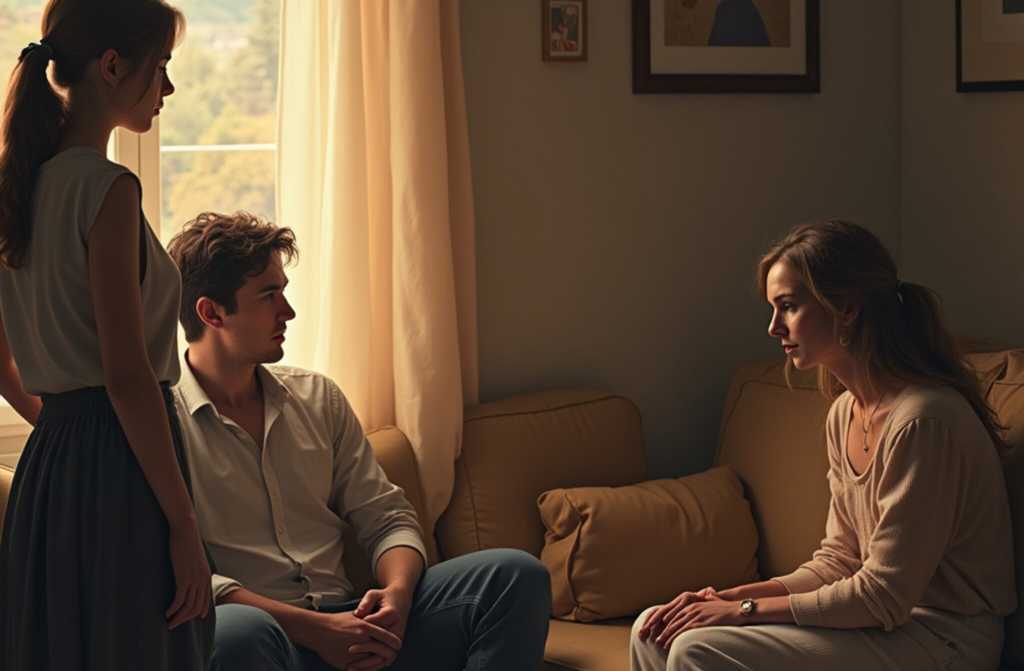
– А ось і сукня! Скажеш, що я її туди кинула? – відчинивши сміттєве відро, Іванка змінилася в обличчі.

Іванка майже щодня задавала собі одне й те саме питання, на яке ніяк не могла знайти відповідь: що вона знайшла у Максима?

На вигляд він був невиразним, такого “принца” навіть подругам було соромно показувати, тому для них дівчина досі жила одна.

Про те, що вона живе з чоловіком, знала лише рідна сестра, яка тримала це в секреті.

Зорі з неба чоловік теж не хапав: працював слюсарем на металургійному комбінаті.

Іноді Іванка, сидячи вдома перед телевізором, ловила себе на думці, що настав час закінчувати стосунки з Максимом.

Проте щойно вона збиралася це зробити, чоловік приносив букет квітів або якийсь інший подарунок, і тоді дівчина відкладала розставання на невизначений термін.

До знайомства з Іванкою Максим уже був одруженим. Його шлюб тривав лише два місяці, проте наслідком стала вагітність, у ході якої у чоловіка народилася дочка.

На момент знайомства з Іванкою дівчинці було дванадцять років. До недавнього часу Іванка жодного разу не бачила дочку Максима та й не прагнула з нею знайомитися.

Така нагода випала їй напередодні дня народження, який вона планувала відзначити в колі подруг.

– Іванко, – винувато завагався чоловік, – колишня дружина відлітає у справах, просить, щоб я взяв дочку до себе…

– Надовго? – скривилася Іванка, яка найменше хотіла отримати на день народження такий подарунок.

– На місяць…

– Чому так довго? – насупилася дівчина. – Сподіваюсь, вона розуміє, що її дочку потрібно годувати на якісь гроші?

– Якщо ти про гроші, то вона нічого не переказувала, – безсило розвів руками Максим.

– Наскільки я пам’ятаю, ти платиш їй аліменти. Тобто, дівчинка буде у нас цілий місяць, а мати буде насолоджуватися життям на аліменти?

– Там нема з чого особливо насолоджуватися, ти ж знаєш мою зарплату, – вимушено усміхнувся чоловік.

– Як ти взагалі уявляєш її проживання тут? – розпалювалася Іванка, яка все більше розуміла, що не хоче, щоб чужа дитина стільки часу перебувала разом з ними. – Її потрібно до школи возити, дивитися за нею. Навіщо ти береш на себе такі обов’язки?

– Я, наче, батько Дарини, – здивовано відповів Максим. – З твоєї точки зору, я мав відмовитися від неї?

– Ти маєш враховувати, що живеш не один, це раз. Два, це моя квартира, і спочатку потрібно було запитати в мене, перш ніж погоджуватися. Три, у мене день народження, і я не хочу, щоб його щось затьмарювало! – з важливим виглядом висловилася дівчина.

– Не думаю, що моя дочка стане перешкодою, – розгублено сказав чоловік, відчувши свою провину.

– А я впевнена, що все піде не за планом, – схрестила руки на грудях Іванка.

Однак Максим запевнив дівчину, що їй не слід налаштовувати себе песимістично.

Наступного дня в квартиру дівчини приїхала пухлощока дівчинка з яскравим макіяжем, якій на вигляд можна було дати не менше шістнадцяти років.

Вона з-під лоба глянула на Іванку і, не привітавшись, звернулася до батька.

– Де буде моя кімната?

– Спати доведеться на кухні, – натягнуто усміхнувся Максим.

Дівчинка у відповідь закотила очі й, зірвавшись з місця, побігла в ванну плакати.

– Що це було? – Іванка роздратовано глянула на чоловіка. – Нахабна й невихована дитина. Добре, що я вирішила відзначати свій день народження в кафе. До речі, ти зі мною не їдеш.

– Чому? – здивувався Максим. – Я думав, що ти нарешті познайомиш мене зі своїми подругами. Все-таки ми живемо разом більше півроку…

– Ти сидітимеш поруч з дитиною, – відразу виправдалася Іванка, рада тому, що їй не доведеться представляти кавалера подругам, у яких женихи і чоловіки були спортивні та підтягнуті.

– Зрозуміло, – з образою пробасив чоловік і більше ні слова не сказав дівчині.

Наступного дня Іванка почала ранок з турбот і клопоту щодо свого дня народження.

Зранку вона попрасувала своє коктейльне плаття і повісила його на вішалку в очікуванні вечора.

Максим як і раніше мовчав і навіть не привітав Іванку з днем народження.

Вирішивши не псувати собі настрій, дівчина просто вдавала, що не помічає, що він ображений.

Після роботи вона заїхала додому перевдягнутися і з жахом виявила, що її плаття зникло.

– Де моє плаття? – розпашіла Іванка влетіла на кухню, де на розкладачці безтурботно лежала Дарина.

Вона демонстративно проігнорувала дівчину і, взявши телефон, почала безцільно в ньому колупатися.

– Ти мене чуєш? – Іванка підскочила до дівчинки і вирвала з її рук смартфон.

– Віддай! – заверещала Дарина, а на кухню влетів Максим.

– Що сталося? – чоловік округлив очі. – Поверни телефон на місце!

– Де моє плаття? – стискала зуби Іванка.

– Я нічого не брала, – дівчинка презирливо примружила очі. – Вона несе нісенітницю. Просто я їй не подобаюся!

– Поверни телефон, ти ж чула, що вона сказала? – суворо вимовив Максим.

– Звичайно, вона визнає! – плеснула руками Іванка і кинула телефон на підлогу.

Від удару дисплей тріснув, і Дарина залилась у тривалому риданні. Дівчина з гордим виглядом вийшла в кімнату.

Їй належало в короткий термін знайти відповідний наряд для святкування в кафе.

Схопивши перше, що здалося Іванці гідним, вона переодяглася й поїхала святкувати свій день народження.

Саме там дівчина змогла відволіктися і прийняти рішення розійтися з Максимом.

Іванка повернулася в квартиру ближче до ранку. Чоловік, почувши, що вона прийшла, встав з ліжка.

– Час бачила?

– Ти вирішив зобразити строгого чоловіка? На жаль, ти запізнився. Я прийняла рішення розійтися, – коротко сказала Іванка. – Вранці вам треба з’їхати.

– Тобто, ти виставляєш мене ще й винним після всього? – розсміялася дівчина.

– Ти розбила Дарині телефон…

– Вона вкрала моє плаття! – прошипіла крізь зуби Іванка.

– Моя дочка не брала його! – очі Максима налилися кров’ю. – Я готовий за це поручитися!

Дівчина скривила обличчя й махнула рукою, не бажаючи слухати виправдання чоловіка.

Бажаючи заспокоїти себе, Іванка залізла в шафу й витягла звідти недопиту пляшку вина.

Пригубивши вміст, вона несподівано виплюнула на підлогу й скривила фізіономію.

– Що це? Шампунь? Скажеш, що я його теж туди налила? – їдко засміялася Іванка й, відчинивши сміттєве відро, змінилася в обличчі. – А ось і сукня! Скажеш, що я її туди кинула?

– Знайшла привід мене кинути! Я ж знаю, що ти давно вже хотіла це зробити! – випалив Максим. – Якби не я, ти б давно це зробила!

Дівчина здивовано підняла брови. Вона прекрасно пам’ятала всі ці моменти.

– Я встановив у кімнаті прослуховувальний пристрій. Я чув усі твої розмови з сестрою про мене, і все знаю! – з важливим виглядом повідомив Максим.

– Оце новини! А я все думала й гадала, як ти так швидко дізнавався про те, що я хочу розійтися! – шокована Іванка схопилася за голову, згадавши, як часто на різні теми говорила з сестрою, подругою і батьками. – Давай прощатися!

Вмовляти цього разу дівчину не руйнувати їх стосунки чоловік не став. Він і так зрозумів, що настав логічний кінець їхньому роману.

Click to comment

Leave a Reply

Ваша e-mail адреса не оприлюднюватиметься. Обов’язкові поля позначені *

8 − 2 =

Також цікаво:

З життя12 хвилин ago

Dandelion Jam A gentle and snowy winter has passed, and with spring’s arrival in our small English town, Taissa finds herself yearning for green leaves and colourful blooms. From her third-floor window, she gazes out at the awakening city where lorries rumble, the market buzzes, and people shed their winter wear for brighter coats. Birds sing before alarms; spring brings new energy, and soon, summer will be even better. Taissa, long settled in her five-storey block, now lives with her granddaughter, Vera, a lively Year Four pupil whose parents—both doctors—left for a work contract in Africa, entrusting their daughter to her grandmother. “Gran, we’re giving you Vera to look after, just for a while,” her daughter had said. “She’ll be happier with you than traipsing across the world.” Taissa, now retired, was delighted for the companionship. Each day is filled with routine: shopping, chatting with her neighbours on the chilly bench outside—the ever-watchful Mrs Simmons from downstairs, always mysterious about her age, and the cheerful, well-read Mrs Valentine. Together, they swap news, share stories, and complain about health, their bench a hub of local gossip. Life continues: Taissa spoils Vera with treats for her good grades, welcomes her home from school, listens to her tales, and beams with pride at Vera’s dedication to dance lessons. One bright afternoon, as Taissa awaits Vera’s return, she’s joined by Mr Edward, a widower from next door, who talks about the daffodils and coltsfoot carpeting the lawns like tiny suns. Spring’s beauty is in full bloom, and with Vera’s lively mischief, their days are warm and busy. Edward and Taissa begin to meet regularly—reading the papers, walking in the park, discussing recipes, and sharing snippets of their lives. Edward’s own story is bittersweet: he raised his daughter, Anne, alone after losing his wife, and despite his efforts, Anne’s grown distant, raising a son on her own in another city. Unexpectedly, Anne arrives with austere intentions: she insists her father sell his beloved flat and move in with her for “company’s sake”. Edward resists, unwilling to leave his home and his quiet, independent life. Anne, noting his friendship with Taissa, confronts Taissa with suspicion, accusing her of ulterior motives regarding Edward’s property. The harsh words sting, but Anne soon leaves in anger, severing ties with her father. Taissa, embarrassed by the scene, grows distant from Edward—until one day, he waits for her outside, dandelions in hand, apologising for his daughter’s behaviour. He gifts her a wreath of dandelions and offers a jar of his homemade dandelion jam, extolling its health benefits and inviting her to try it in a salad. Together, they share tea with dandelion jam and laughter, and in the quiet evening, stroll to the park with a fresh issue of their favourite magazine. Sitting beneath their old lime tree, their conversation flows, and all worries melt away. For Taissa and Edward, the springtime brings sweet new beginnings—and the simple joys of dandelion jam. Thank you for reading, subscribing, and supporting my stories. Wishing you happiness in life!

Dandelion Jam The snow finally melted away; this year, the frost hadnt been harshjust a gentle, snowy winter. Yet, as...

З життя13 хвилин ago

After I Told My Wife That Her Daughter Isn’t My Responsibility, the Truth About Our Family Was Revealed

After telling my wife that her daughter wasnt my responsibility, the truth about our family came out For a long...

З життя1 годину ago

My Husband Refuses to Give Our Flat to Our Daughter: Should We Let Her Move In or Split the Proceeds Equally Between All Our Children?

The flat in question was left to my husband by his aunta modest place tucked right in the heart of...

З життя1 годину ago

She Didn’t Want To – But She Did: How Vasilisa’s Desperate Gamble Led to Love and Redemption in a Quiet English Village

Didnt Want To, But Did Lucy never really learned how to smoke, but she was convinced it helped settle her...

З життя1 годину ago

You Simply Don’t Understand Your Own Happiness — Half a million? — Karen stared at the phone notification, rereading it three times before the numbers made sense. — You took out a loan for half a million pounds? David was on the sofa, fixated on his smartphone, not even looking up. — Oh, that… Yeah, it’s nothing really, just for Mum’s house repairs. You know her pipes are leaking, floors warped, wallpaper peeling… — Hold on. — Karen sank onto the edge of the armchair, legs refusing to hold her. — You got a loan. For half a million. And gave all of it to your mother. Without saying a word to me? David finally looked up. His face showed only genuine confusion, as if his wife was asking something entirely obvious. — Karen, it’s my mum. She lives alone, her pension’s tiny. Who else is going to help her? — And you couldn’t discuss it with me? — Karen yelled, unable to stop herself. — Ask my opinion? At least warn me? — You would’ve argued, — David shrugged. — And Mum needed it urgently. Four years. Four years she’d put up with the woman who called every evening to check what David had for dinner. Who’d arrive unannounced and critique their cleaning, who’d orchestrate family dinners so Karen ended up at the far end of the table. — Don’t make a mountain out of a molehill, — David kept his calm tone. — We’ll be fine. Pay it off fast, it’s not much. It’s family. Hot, angry tears streamed down. Karen wiped them with the back of her hand, smearing mascara. — Family? Am I family? Or just an add-on? Remember when your mum decided it was time for a new car and you sold ours without asking me? Or when she cleared my things out of the guest room because she “couldn’t sleep surrounded by strangers’ junk”? Or how on my birthday, you left with her to buy her a fridge? — It’s nothing, — David waved her off. — You’re just tired, you need a break. Karen looked at this man—tall, gentle features, dimples she once thought cute. Now she saw only a thirty-year-old boy who couldn’t cut the cord. — We’ll get through this, — he repeated like a mantra. — Love conquers all. Karen rose without a word and went to the bedroom. Two large duffel bags sat in the closet—the same ones she’d moved in with. She dragged them out, tossed them on the bed, and began opening cupboards. David appeared at the door twenty minutes later, just as one bag was stuffed full. — What are you doing? Karen, this is ridiculous. You’re not serious? She didn’t answer, quietly folding jumpers, jeans, underwear. Took down the jewellery box—gifts from her parents and friends, she wouldn’t take anything from him. — Where will you go? To your mum? She’s up in Manchester! Zipping the second bag. Checking her purse—passport, bank card, the keys to her mum’s flat she’d always kept “just in case.” — Karen, say something! You can’t just leave me. I love you! She looked him in the eye, sharp and long. Then picked up her bags and walked out. …Next morning, Karen stood in line at the registry office, clutching her completed divorce papers. Rain drizzled outside, grey clouds low over rooftops, but inside she felt a strange calm. The decision was made. The first call came at half past two in the morning. Karen jumped awake on the sofa at her friend Leah’s, not immediately sure where she was. — We need to talk, — David’s rapid breathing, scattered words. — I get it now, I’ll change. Please, give me a chance. She hung up. Twenty minutes later, the phone rang again. — Karen, I can’t live without you. You are my whole life. By morning, there were forty-three messages. Each one long, tearful, full of promises and threats. “If you don’t come back, I don’t know what I’ll do.” “Mum says you’re just being difficult.” “I’ll wait for you, forever.” A week later, David began appearing outside her office. Karen would leave for lunch and there he’d be, hovering by the coffee kiosk. She’d head to the Tube—there he was, across the street. — Just passing by, — he insisted when Karen demanded an explanation. — I wanted to see you. One evening, there was a knock at Leah’s door. Karen opened it, not checking the peephole—she was expecting the pizza delivery. David stood on the doorstep, clutching a bouquet of red roses. — Just one chance, — he whispered. — I ask for nothing more. Karen quietly closed the door. He stayed outside for two hours, until the neighbours threatened to call the police. She learned to live with it—the way you learn to live with chronic pain. Don’t read the texts, don’t answer unknown calls, don’t look back in the street. Switched to remote work at a new firm, moved to a suburb where David would never “happen” to be. The divorce was finalised three months later. Karen left court with the official papers clutched tight and cried on the steps—not for grief, but relief. The first months of freedom were frighteningly empty. Karen had gotten used to checking every decision with someone, even if they’d always do as they wished. Now she could buy any yoghurt in the shop, without wondering if Mrs Davies would approve. She could watch any film, and wouldn’t hear “normal women don’t watch that.” She could breathe. She signed up for English courses—her long-time dream, which David had dismissed as “foolish expense.” Began attending early morning yoga before sunrise, when the city was just waking up. Took a solo trip to Brighton for the weekend, wandering the streets and eating doughnuts. Six months later, the calls stopped. The texts too. Karen waited for the catch another month, then another, and finally understood she could relax. She landed a job at a marketing agency—bright office, young team, exciting projects. Life was moving on. …She met Andrew at a work event her colleague Maddy insisted she attend. — This is our lead developer, — Maddy introduced a tall guy in thin-rimmed glasses. — Andrew, this is Karen from marketing. He shook her hand—firmly, but gently. Smiled—just a plain, genuine smile. — Escaping from the karaoke too, I see? — he nodded toward the stage, where the Finance Director was butchering “Wonderwall.” — Saving my nerves, — Karen nodded. They talked most of the night—about books, travel, the oddities of life. Andrew listened more than he spoke. Asked questions, actually waited for answers, never interrupted. Never tried to lecture or explain how she should live. When he found out she was divorced, he just nodded and changed the subject. …Half a year later, they moved in together, picking a flat in the city centre. Small, light-filled, high ceilings, overlooking a quiet courtyard. — Are you sure you like this flat? — Karen asked, as they viewed it before signing. — Maybe we should see some more? — Do you like it? — Andrew turned to her. — Yes. Very much. — Then let’s take it. Small things—the right to have an opinion, and be heard—meant more than any declarations of love. He proposed on the roof of their building, as the sun sank below the skyline, painting the sky pink and gold. He pulled out a tiny box, opened it—inside shimmered a diamond ring. — I’m not much for speeches, — Andrew admitted. — But I want to wake up next to you every day. If you don’t mind my snoring and my addiction to terrible coffee. Karen laughed through tears and nodded. …That May evening began like any other. Andrew was late at work—a looming deadline, an urgent bug. Karen was making pasta, humming along to the radio, when a sharp, insistent knock came at the door. She glanced through the peephole—and jumped back. It was David. Pale, dark circles under his eyes, crumpled shirt. Two years. Two years of silence—and now he was here. — Karen, open up! — his fist hammered the door. — I know you’re there! We need to talk! She grabbed her phone, dialled Andrew. The line was busy. — We love each other! — David shouted through the door. — You can’t be with someone else! It’s wrong! The door shuddered—he was throwing his weight against it. Karen pressed her back tight against the door, feet braced. — Get away, — she yelled. — I’ll call the police! — You’re my wife! — his voice climbed to a shrill pitch. — You were mine and you’ll always be mine! I waited two years for you to come to your senses! Two years! — We’re divorced! It’s over! — Nothing’s over! — he shoved again, and she barely held the door. — I’ve changed! Mum says you just don’t understand your own happiness! Open up, let’s talk! Through the peephole, his face was twisted, possessed. Nothing like the man she’d once shared a bed with. Karen dialled 999. — David! One click and the police will be here. Leave. Now. David froze. A few seconds passed. Then he spun around and strode to the stairs. Downstairs, the front door banged. Karen slid to the floor against the wall, dizzy. After half an hour, she managed to stand and call Andrew. The police took her statement the next day. The officer, an older bloke with a mustache, took notes, nodded. — We’ll deal with it. We’ll have a word. Whatever he said to David, Karen never found out. But after that, her ex never appeared again. No calls, no messages, no accidental run-ins. …She and Andrew held their wedding in early June—a small country restaurant, twenty guests, just close friends. No fuss, no groom’s relatives demanding old traditions. Karen stood across from Andrew in a simple white dress, holding his warm hands. Outside, birch trees rustled, the air scented with flowers and freshly cut grass. — Do you take… — began the celebrant. — I do, — Karen cut in, making the guests laugh. Andrew slid the ring on her finger—thin gold, engraved inside: “Always with you.” Karen looked up at the man who would be her husband. Not a mummy’s boy, not an obsessed stalker. Just a man who knew how to listen, respect, and love. Ahead lay a life where her voice mattered…

You just dont understand your own happiness Fifty thousand pounds? Emma scanned the notification flashing on her phone three times...

З життя2 години ago

The Stillness of New Year’s Eve

New Years Quietude November hung over me like a damp blanketgrey, wet, hopelessly dismal, just as ever. The days dragged...

З життя2 години ago

You Simply Don’t Understand Your Own Happiness — Half a million? — Karen stared at the phone notification, rereading it three times before the numbers made sense. — You took out a loan for half a million pounds? David was on the sofa, fixated on his smartphone, not even looking up. — Oh, that… Yeah, it’s nothing really, just for Mum’s house repairs. You know her pipes are leaking, floors warped, wallpaper peeling… — Hold on. — Karen sank onto the edge of the armchair, legs refusing to hold her. — You got a loan. For half a million. And gave all of it to your mother. Without saying a word to me? David finally looked up. His face showed only genuine confusion, as if his wife was asking something entirely obvious. — Karen, it’s my mum. She lives alone, her pension’s tiny. Who else is going to help her? — And you couldn’t discuss it with me? — Karen yelled, unable to stop herself. — Ask my opinion? At least warn me? — You would’ve argued, — David shrugged. — And Mum needed it urgently. Four years. Four years she’d put up with the woman who called every evening to check what David had for dinner. Who’d arrive unannounced and critique their cleaning, who’d orchestrate family dinners so Karen ended up at the far end of the table. — Don’t make a mountain out of a molehill, — David kept his calm tone. — We’ll be fine. Pay it off fast, it’s not much. It’s family. Hot, angry tears streamed down. Karen wiped them with the back of her hand, smearing mascara. — Family? Am I family? Or just an add-on? Remember when your mum decided it was time for a new car and you sold ours without asking me? Or when she cleared my things out of the guest room because she “couldn’t sleep surrounded by strangers’ junk”? Or how on my birthday, you left with her to buy her a fridge? — It’s nothing, — David waved her off. — You’re just tired, you need a break. Karen looked at this man—tall, gentle features, dimples she once thought cute. Now she saw only a thirty-year-old boy who couldn’t cut the cord. — We’ll get through this, — he repeated like a mantra. — Love conquers all. Karen rose without a word and went to the bedroom. Two large duffel bags sat in the closet—the same ones she’d moved in with. She dragged them out, tossed them on the bed, and began opening cupboards. David appeared at the door twenty minutes later, just as one bag was stuffed full. — What are you doing? Karen, this is ridiculous. You’re not serious? She didn’t answer, quietly folding jumpers, jeans, underwear. Took down the jewellery box—gifts from her parents and friends, she wouldn’t take anything from him. — Where will you go? To your mum? She’s up in Manchester! Zipping the second bag. Checking her purse—passport, bank card, the keys to her mum’s flat she’d always kept “just in case.” — Karen, say something! You can’t just leave me. I love you! She looked him in the eye, sharp and long. Then picked up her bags and walked out. …Next morning, Karen stood in line at the registry office, clutching her completed divorce papers. Rain drizzled outside, grey clouds low over rooftops, but inside she felt a strange calm. The decision was made. The first call came at half past two in the morning. Karen jumped awake on the sofa at her friend Leah’s, not immediately sure where she was. — We need to talk, — David’s rapid breathing, scattered words. — I get it now, I’ll change. Please, give me a chance. She hung up. Twenty minutes later, the phone rang again. — Karen, I can’t live without you. You are my whole life. By morning, there were forty-three messages. Each one long, tearful, full of promises and threats. “If you don’t come back, I don’t know what I’ll do.” “Mum says you’re just being difficult.” “I’ll wait for you, forever.” A week later, David began appearing outside her office. Karen would leave for lunch and there he’d be, hovering by the coffee kiosk. She’d head to the Tube—there he was, across the street. — Just passing by, — he insisted when Karen demanded an explanation. — I wanted to see you. One evening, there was a knock at Leah’s door. Karen opened it, not checking the peephole—she was expecting the pizza delivery. David stood on the doorstep, clutching a bouquet of red roses. — Just one chance, — he whispered. — I ask for nothing more. Karen quietly closed the door. He stayed outside for two hours, until the neighbours threatened to call the police. She learned to live with it—the way you learn to live with chronic pain. Don’t read the texts, don’t answer unknown calls, don’t look back in the street. Switched to remote work at a new firm, moved to a suburb where David would never “happen” to be. The divorce was finalised three months later. Karen left court with the official papers clutched tight and cried on the steps—not for grief, but relief. The first months of freedom were frighteningly empty. Karen had gotten used to checking every decision with someone, even if they’d always do as they wished. Now she could buy any yoghurt in the shop, without wondering if Mrs Davies would approve. She could watch any film, and wouldn’t hear “normal women don’t watch that.” She could breathe. She signed up for English courses—her long-time dream, which David had dismissed as “foolish expense.” Began attending early morning yoga before sunrise, when the city was just waking up. Took a solo trip to Brighton for the weekend, wandering the streets and eating doughnuts. Six months later, the calls stopped. The texts too. Karen waited for the catch another month, then another, and finally understood she could relax. She landed a job at a marketing agency—bright office, young team, exciting projects. Life was moving on. …She met Andrew at a work event her colleague Maddy insisted she attend. — This is our lead developer, — Maddy introduced a tall guy in thin-rimmed glasses. — Andrew, this is Karen from marketing. He shook her hand—firmly, but gently. Smiled—just a plain, genuine smile. — Escaping from the karaoke too, I see? — he nodded toward the stage, where the Finance Director was butchering “Wonderwall.” — Saving my nerves, — Karen nodded. They talked most of the night—about books, travel, the oddities of life. Andrew listened more than he spoke. Asked questions, actually waited for answers, never interrupted. Never tried to lecture or explain how she should live. When he found out she was divorced, he just nodded and changed the subject. …Half a year later, they moved in together, picking a flat in the city centre. Small, light-filled, high ceilings, overlooking a quiet courtyard. — Are you sure you like this flat? — Karen asked, as they viewed it before signing. — Maybe we should see some more? — Do you like it? — Andrew turned to her. — Yes. Very much. — Then let’s take it. Small things—the right to have an opinion, and be heard—meant more than any declarations of love. He proposed on the roof of their building, as the sun sank below the skyline, painting the sky pink and gold. He pulled out a tiny box, opened it—inside shimmered a diamond ring. — I’m not much for speeches, — Andrew admitted. — But I want to wake up next to you every day. If you don’t mind my snoring and my addiction to terrible coffee. Karen laughed through tears and nodded. …That May evening began like any other. Andrew was late at work—a looming deadline, an urgent bug. Karen was making pasta, humming along to the radio, when a sharp, insistent knock came at the door. She glanced through the peephole—and jumped back. It was David. Pale, dark circles under his eyes, crumpled shirt. Two years. Two years of silence—and now he was here. — Karen, open up! — his fist hammered the door. — I know you’re there! We need to talk! She grabbed her phone, dialled Andrew. The line was busy. — We love each other! — David shouted through the door. — You can’t be with someone else! It’s wrong! The door shuddered—he was throwing his weight against it. Karen pressed her back tight against the door, feet braced. — Get away, — she yelled. — I’ll call the police! — You’re my wife! — his voice climbed to a shrill pitch. — You were mine and you’ll always be mine! I waited two years for you to come to your senses! Two years! — We’re divorced! It’s over! — Nothing’s over! — he shoved again, and she barely held the door. — I’ve changed! Mum says you just don’t understand your own happiness! Open up, let’s talk! Through the peephole, his face was twisted, possessed. Nothing like the man she’d once shared a bed with. Karen dialled 999. — David! One click and the police will be here. Leave. Now. David froze. A few seconds passed. Then he spun around and strode to the stairs. Downstairs, the front door banged. Karen slid to the floor against the wall, dizzy. After half an hour, she managed to stand and call Andrew. The police took her statement the next day. The officer, an older bloke with a mustache, took notes, nodded. — We’ll deal with it. We’ll have a word. Whatever he said to David, Karen never found out. But after that, her ex never appeared again. No calls, no messages, no accidental run-ins. …She and Andrew held their wedding in early June—a small country restaurant, twenty guests, just close friends. No fuss, no groom’s relatives demanding old traditions. Karen stood across from Andrew in a simple white dress, holding his warm hands. Outside, birch trees rustled, the air scented with flowers and freshly cut grass. — Do you take… — began the celebrant. — I do, — Karen cut in, making the guests laugh. Andrew slid the ring on her finger—thin gold, engraved inside: “Always with you.” Karen looked up at the man who would be her husband. Not a mummy’s boy, not an obsessed stalker. Just a man who knew how to listen, respect, and love. Ahead lay a life where her voice mattered…

You just dont understand your own happiness Fifty thousand pounds? Emma scanned the notification flashing on her phone three times...

З життя3 години ago

My Husband Invited His Ex-Wife Over for the Sake of the Children—So I Checked Into a Hotel to Celebrate on My Own

My husband invited his ex-wife over for the boys, so I spent the holiday in a hotel Where are you...