З життя
Сможет ли отец троих детей избежать дома престарелых? Воспитание проверяется в старости!
Published
9 місяців agoon
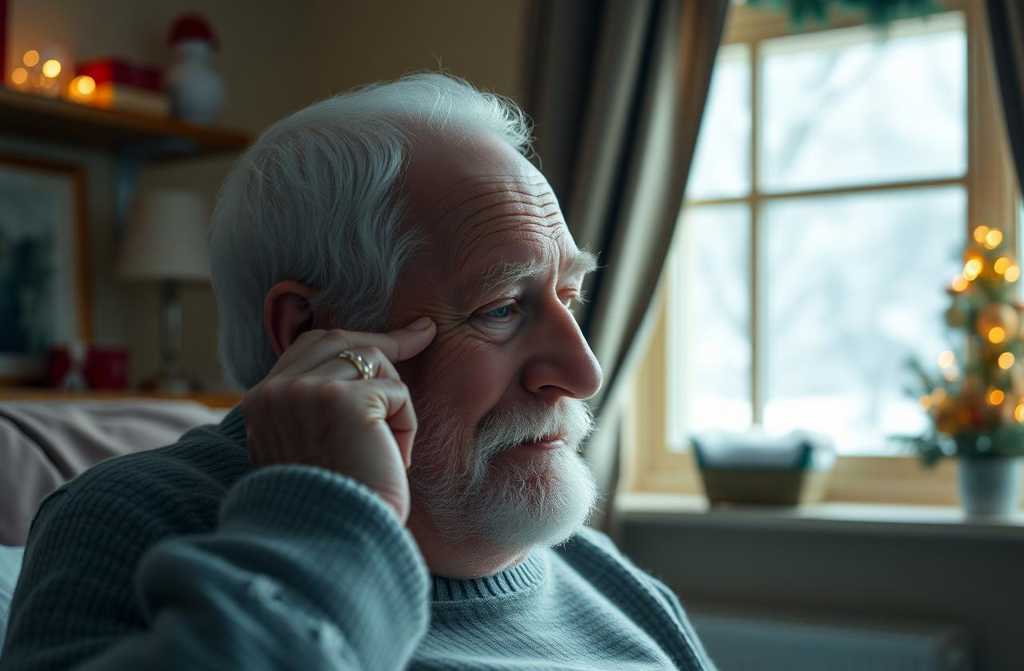
Василий Кузьмич никогда не предполагал, что его золотые годы пройдут в уютном, но всё же казённом заведении для пенсионеров где-то на окраине Тулы. Стоя у окна, он наблюдал, как за окном кружится пушистый снежок, и горько усмехался: «Вот тебе и „спокойная старость“». Внутри было так же холодно, как на улице — не от сквозняков, а от одиночества.
А ведь когда-то его жизнь била ключом! Просторная трёшка в центре, любимая супруга Татьяна, трое ребятишек — Степан, Ольга и Варвара. Инженером на паровозостроительном заводе работал, зарплату честную получал, даже «Жигули» шестёрки себе позволял. Семья — душа в душу, гости — не переводятся. Казалось, так будет всегда…
Но десять лет назад Таня ушла, и мир Василия Кузьмича перевернулся. Он наивно полагал, что дети станут его опорой, а вышел классический анекдот про «брошенных родителей».
Старшенький Степан ещё в девяностых махнул в Германию, там женился на какой-то Зигфриде, открыл фирму по ремонту баварских замков. Звонит раз в полгода, денег присылает — но Василию не деньги нужны были, а хоть «здравствуй» по-русски услышать. Дочери хоть и остались в Туле, но словно в параллельной вселенной: у Ольги — муж-алкоголик и вечные долги, у Варвары — карьера менеджера и вечная спешка. Забегут на пять минут, пирожок оставят — и снова «пап, ты уж извини, аврал на работе».
23 декабря. За окном народ с ёлками мельтешит, а у Василия Кузьмича в комнате тишина, будто в глухом лесу. Завтра и Рождество, и его день рождения. «Вот и подарок — казённые стены», — горько шутил он сам с собой, разглядывая потрёпанный альбом с фотографиями.
Утром в доме престарелых началось оживление — родственники подтягивались с конфетами и мандаринами. Василий Кузьмич сидел на кровати, когда дверь вдруг распахнулась.
— Папка! С праздником! — громыхнул знакомый басок.
На пороге стоял Степан — бородатый, в кожанке, с двумя чемоданами. Обнял отца так, что косточки затрещали.
— Ты… как? — прошептал старик, чувствуя, как по щекам катятся предательские капли.
— Да как?! — возмутился сын. — Ты почему молчал, что сестры тебя сюда спихнули? Я ж тебе каждый месяц по пятьсот евро высылал — на достойную старость! Они что, даже квитанции не показывали?!
Василий Кузьмич только махнул рукой: жаловаться на детей не в его правилах. Но Степан уже доставал телефон:
— Зигрид, Schatz, alles klar! Забираю отца, завтра вылетаем. Да, да, он у нас поживёт! — И, повернувшись к отцу, тряхнул бородой: — Собирай манатки, пап. В Мюнхене у меня трёшка, внуки тебя ждут. Будем тебя откармливать, как в старые добрые!
— Да я же… старый дуб…, — пробормотал Василий Кузьмич, но глаза у него уже блестели.
— Дуба дашь ещё лет двадцать! — расхохотался Степан. — Ну-ка, вставай, поедем отмечать!
Соседи потом долго судачили: «Вот это сын! Настоящий мужик!». А Василий Кузьмич, сидя в самолёте, вдруг осознал старую как мир истину: дети — как колесо фортуны. Кто-то выпадает «ря— но если хоть один остаётся верным, значит, жизнь прожита не зря.

Також цікаво:
Don’t Unpack Your Suitcase—You’re Moving Out Tonight: How Lev Discovered His Wife’s New Year’s Double Life with “Honey-Bunny” Vady and Why Father Christmas Had the Last Word
Dont bother unpacking your suitcase youre leaving 2nd January Something shifted tonight. Ellie stormed in with that familiar drill-sergeant energy...
This Is Not Your Home Alena gazed sadly around the house she’d grown up in since childhood. At eighteen, she was already disillusioned with life. Why did fate have to be so cruel? Her grandmother had died, she’d failed to get into university because the girl sitting next to her during the entrance exams had copied all her answers—then was first to hand in her paper, and whispered something to the examiner. He frowned, checked Alena’s work, and announced she was being expelled for cheating. There was no way to prove her innocence. Later, she learned that very same girl was the daughter of the local bigwig. How could an ordinary girl like Alena possibly win such a fight? Now, after so many setbacks, her mother suddenly arrived—with two half-brothers in tow and a new husband. Where had they all been all these years? Alena had been raised by her grandmother; her mother had disappeared after she turned four. She had no happy memories of her mum—while her father worked, her mother would leave her alone at home to go out and enjoy herself. Even when married, she was always looking for “a real man” and made no secret of it, even after Alena’s father died unexpectedly. After becoming a widow, Tamara barely grieved. She packed her things, left her four-year-old daughter on her mother’s doorstep, sold the flat she’d inherited from her late husband, and vanished. Alena’s grandmother tried in vain to appeal to her conscience. Tamara would occasionally show up, but she wasn’t interested in Alena. The last time was when Alena was twelve—Tamara brought seven-year-old Sviatoslav and demanded that her mother transfer ownership of the house to her. “No, Toma! You’re not getting anything!” her mother retorted. “When you die, it’ll be mine anyway!” Tamara snapped, glaring at Alena through the door, collecting Sviatoslav, and slamming out. “Why do you always argue when she comes?” Alena asked her grandmother. “Your mother’s selfish! I obviously didn’t raise her properly—should’ve whipped her more!” Granny Raissa replied irritably. When her granny fell ill, it happened suddenly. Raissa Petrovna had never complained about her health. One day, Alena came home from school to find the ever-busy granny pale and still, sitting in her chair on the balcony. Alena had never seen her just sitting, doing nothing. “Is something wrong?” she asked anxiously. “I don’t feel well… Call an ambulance, Alenushka…” Granny said quietly. Then came the hospital, IV drips… and then death. Raissa Petrovna spent her last days in intensive care, no visitors allowed. Nearly losing her sanity with fear for her only relative, Alena desperately phoned her mother. At first, her mum refused to come, but once Alena said granny was in intensive care, she finally agreed—but only made it in time for the funeral. Three days afterward, she shoved a will in Alena’s face: “This house now belongs to me and my sons! Oleg will be here soon. I know you never got along with him—so why don’t you stay with Aunt Gail for a while, all right?” Her mother’s voice was ice-cold, not a hint of grief. She almost seemed glad Raissa Petrovna had died—after all, she was now the heir! Broken by grief, Alena couldn’t fight her mother. And the will left no room for argument. So she temporarily moved in with Aunt Gail, her father’s sister—a flighty woman still on the hunt for her dream man. The house was constantly full of rowdy, half-drunk guests, and Alena couldn’t bear it. Worse, some of them began showing interest in her, which terrified her. She confided in her boyfriend, Paul. His reaction surprised and cheered her: “I’m not having strange old blokes leering at you or trying to put their hands on you!” he said firmly, despite being only nineteen. “I’ll ask Dad. We have a one-bedroom flat on the edge of town. He promised I could live there once I got into uni—well, I kept my end of the bargain, now it’s his turn.” “I don’t see what this has to do with me,” Alena stammered. “What do you mean? We’ll live there—together!” “Do you really think your parents will agree?” “They won’t have a choice! As of today, I’m officially proposing—will you be my wife and live with me?” Alena almost burst into tears of joy. “Of course—yes!” Aunt Gail was delighted about the wedding, but Alena’s mother nearly ground her teeth to dust: “Getting married, are you? Clever girl! Couldn’t get into university, so you’re using your wiles instead! Let me tell you, I’m not giving you any money—and that house is mine! You’re getting nothing!” Her mother’s spiteful words wounded Alena deeply. Paul could barely make sense of her tearful explanation, but he took her home, where his parents comforted her with tea and sympathy. Paul’s father, Andrew, listened carefully to her story, astonished by all she’d endured in a few short months. “Poor thing! What sort of woman is that?” Paul’s mother exclaimed horrified by Tamara’s behaviour. “What intrigues me,” mused Andrew, “is why she’s so obsessed with claiming the house, if she really has the will.” “I don’t know,” Alena sobbed. “She always fought with gran about this house. She wanted it sold and the money given to her, then she demanded gran sign it over. Gran always refused, saying if she did, we’d end up on the street.” “Strange. Tell me, did you go to the solicitor after your granny died?” “No, why should I?” Alena was surprised. “To establish your right to inherit.” “But the heir is my mum—I’m just the granddaughter. Mum has a will. She showed me.” “It’s not that simple,” Andrew replied. “After the weekend, we’ll go down to the solicitors together. For now, try and rest.” Meanwhile, Tamara brought some papers round and tried to force Alena to sign, but Paul intervened: “She’s signing nothing!” “And who are you to tell her what to do?” Tamara retorted angrily. “I’m her future husband and I think this could be harmful to her. So for now, no signing.” Tamara exploded with insults, but left empty-handed—making Andrew even more suspicious. A few days later, as promised, Andrew accompanied Alena to the solicitors. “Listen carefully, but double-check everything before signing,” he advised. But the solicitor was scrupulous. He accepted Alena’s application and the next day informed her that inheritance proceedings were open in her name. Raissa Petrovna had left a small savings account for her granddaughter’s studies, which Alena had never known about. “And what about the house?” Andrew inquired. “The property was transferred to the girl as a gift some years ago. There are no other documents.” “A gift deed?” Alena gasped. “Your grandmother came to the office some time back to make sure the house would be yours when you turned eighteen.” “And the will?” “It was drawn up seven years ago but cancelled thereafter. Your mother probably doesn’t know. The house is yours. You have full right to live in it.” Andrew’s suspicions were confirmed. “So, what now?” Alena asked, bewildered, outside the solicitor’s office. “What else? Tell your mother this is your house, and she has to leave.” “She’ll never do it! She’s already packed my things to throw me out!” “Well, that’s what the police are for.” Tamara wasn’t pleased to hear the news. “You little wretch! You mean to throw your own mother out? You get out! Who put this nonsense in your head? That fiancé of yours and his old man? No way! I’ve got a paper giving me the right! Your grandma wrote a will making me the heir!” “Exactly!” Oleg chipped in, glaring hatefully. “Get out now, or I’ll make sure you do! The house is being sold! Buyers are coming!” But instead of buyers, the police turned up. After hearing the story, they ordered the trespassers out, warning of prosecution if they refused. Tamara and her family were furious but could do nothing. Alena was finally able to return to her home. Paul moved in with her, fearing her mother’s husband might threaten her. He was right. Tamara and Oleg wouldn’t leave Alena alone for some time. Upon realising Raissa had left a bank account, Tamara tried to claim a share—which was legally possible. Part of the money ended up with her, but the house she never managed to win, no matter how hard she tried. She only gave up after seeing every lawyer she could find. Only then did she pack up and leave for good. Alena never saw her again. Alena and Paul married. The following summer, Alena enrolled in her dream course at university, and by her third year, she had their first child. She was grateful to her husband and his family for supporting her during a difficult time, and went on to live happily ever after. Author: Odette
This Isnt Your Home Emily looked around the house shed grown up in, overcome with sadness. At eighteen, she already...
Convenient Grannies Helen awoke to laughter—not a gentle chuckle, nor a polite giggle, but a booming, belly-clutching roar wholly inappropriate for a hospital ward, a sound she’d despised all her life. The culprit: her bed-neighbour, phone pressed to ear, waving her free hand in the air as if her caller could see the gesture. “Len, you’re having a laugh! Seriously, he actually said that? In front of everyone?” Helen glanced at the clock. Quarter to seven. Fifteen precious minutes of peace before the day’s bustle—a last chance to gather herself for surgery. Last night, when she’d arrived, the neighbour was already here, briskly tapping at her phone. A curt “good evening” was their entire exchange. Helen had been grateful for the quiet—until now. “Excuse me,” she said, softly but firmly. “Would you mind keeping it down?” The neighbour swiveled. Round face, short grey hair unapologetically natural, a garish red-polka-dot pyjama set—honestly, in hospital! “Oh, Len, I’ll ring you back—someone’s schooling me in manners.” She popped her phone away, beamed. “Sorry. I’m Kate. Did you sleep well? I never sleep before surgery. That’s why I ring round everyone.” “Helen. If you can’t, others might still want to rest.” “But you’re not sleeping now, are you?” Kate winked. “Right, I’ll whisper. Promise.” She didn’t. By breakfast she’d made two more loud calls. Helen buried herself under her blanket, furious. “My daughter rang,” Kate explained over uneaten porridge. “Poor thing—she’s worried silly. I have to calm her down.” Helen stayed silent. Her own son hadn’t called. She hadn’t expected it—he’d said he had an early meeting. It was how she’d raised him: work first, work is responsibility. Kate went in for surgery first, breezing down the corridor and waving, cracking jokes at the nurses. Helen rather hoped she’d be in a different room after the operation. Helen’s own surgery was difficult, as always. She woke aching, sick. The nurse reassured her: all went well, it would pass. Helen was stoic; she always was. By evening, Kate was back, ghostly pale, silent for once, drifting between sleep and pain. “How are you?” Helen found herself asking. Kate managed a wan smile. “Alive. You?” “Same.” They drifted into silence. The IV dripped. The light faded. “Sorry about this morning,” Kate whispered into the dusk. “It’s nerves—I babble when I’m nervous. Drives people mad.” Helen wanted to retort but was too tired. “That’s all right.” Neither slept that night—the pain was too much for both. Kate stayed hushed, but Helen could hear her sniffling. Once, she might have been crying into her pillow. In the morning, the doctor came, checked their wounds, declared them both model patients. Kate immediately grabbed her phone. “Len! I’m fine, honestly. How are my lot? Kirky still got a temperature? Oh, it’s gone? See, I told you it wasn’t serious.” Helen couldn’t help listening. “My lot” meant grandkids, she realised. Her own phone was silent. Two texts from her son: “Mum, how’s things?” and “Text me when you’re up to it.” Last night, when she’d still been too dizzy to reply. She texted: “All fine.” Added a smiley. Her son liked those; said messages came off as cold without them. Three hours later, a reply: “Great! Big hugs.” “Your family not coming?” Kate asked after lunch. “My son’s working. Lives miles away. And really, there’s no need—I’m not a child.” “Exactly,” Kate nodded. “My daughter says the same: ‘Mum, you’re a grown-up, you’ll cope.’ Why bother visiting if all’s well, right?” But her eyes were strangely sad behind the smile. “How many grandkids have you got?” Helen asked. “Three. Kirky’s the oldest—he’s eight. Then Mash and Leo—three and four.” She fished for her phone. “Want to see photos?” For twenty minutes, Kate scrolled through snaps—kids at the beach, at home, with cake. In all of them, Kate was there—hugging, pulling faces, part of the action. Her daughter was never in a single pic. “She takes the photos,” Kate explained. “Hates being in them.” “Do you see them a lot?” “I practically live there. My daughter works, my son-in-law too, so I…well, I help. School runs, homework, dinner.” Helen nodded. She’d done the same in the early days with her own grandson. Now visits were infrequent, maybe once a month—if schedules aligned. “And you?” “One grandson, nine. Bright, sporty. I see him…sometimes Sundays. They’re very busy. I understand.” “Right,” Kate murmured, turning to stare out the rainy window. “Busy.” Later, Kate said quietly: “I don’t want to go home.” Helen looked up. Kate sat, knees hugged to her chest, staring at the floor. “I really don’t. I’ve been thinking, and I don’t.” She faltered. “Why would I? I get there, and it’s Kirky with his homework, Masha with her sniffles, Leo’s torn his trousers, daughter working late, son-in-law away as always. And then it’s: cook, clean, fetch, fix…and they don’t even—” she paused, voice cracking, “don’t even say thank you. Because it’s just Grandma—it’s her job.” A lump formed in Helen’s throat. “Sorry,” Kate wiped her eyes. “I’m being silly.” “Don’t apologise,” Helen whispered. “I… when I retired five years ago I thought at last, time for me. I wanted the theatre, exhibitions, signed up for French classes. Lasted two weeks.” “What happened?” “Daughter-in-law went on maternity leave, asked for help. I’m Gran, I don’t work, it’ll be easy. I couldn’t say no.” “And then?” “Three years, every weekday. Then nursery—every other day. Then school—once a week. Now… Now I’m hardly needed. They’ve got a nanny. I’m just at home, hoping they’ll ask. If they remember.” Kate nodded. “My daughter was meant to visit last November. I scrubbed the house, baked. She rang: ‘Mum, sorry, Kirky’s got club, can’t come.’ Didn’t come. Gave the cakes to my neighbour.” They sat in a hush as the drizzle tapped the glass. “You know what hurts?” Kate murmured. “Not that they don’t come. That I still wait. Clutching the phone, hoping—maybe they’ll ring, just to say they miss me. Not because they need a favour.” Helen felt her eyes sting. “Me too. Whenever the phone goes, I hope…maybe he just wants a chat. But it’s always for something.” “We always say yes,” Kate smiled ruefully. “Because we’re mums.” The next days passed in pain and slow recovery. Dressing changes were brutal; both lay silent afterward. Then Kate said: “I always thought I had the perfect family. Lovely daughter, good son-in-law, happy grandkids—I was needed. Irreplaceable. Turns out, they manage just fine. My daughter’s chirpy, not complaining. They’re just…fine. A granny is simply convenient—free childcare.” Helen pushed up on her elbow. “Know what I realised? It’s my fault. I taught my son Mum’s always available, always waiting, her plans don’t matter, yours are everything.” “I did the same. Drop everything when my daughter rings.” “We taught them we aren’t people,” Helen said slowly. “That we have no lives of our own.” Kate let that sit. “So what now?” “I don’t know.” By day five, Helen was up unaided. Day six she made it down the corridor and back. Kate was always a day behind but stubbornly kept up. They shuffled together, clinging to the rails. “When my husband died, I felt so lost,” Kate admitted. “My daughter said, ‘Mum, your new purpose is the grandkids.’ So I made that my purpose. Only…it’s a one-way street. I’m there for them; they’re there for me only when it suits.” Helen talked about her divorce—thirty years ago, raising a boy alone, studying at night, working two jobs. “Thought if I was the perfect mum, he’d be the perfect son. Give everything, he’d be grateful.” “He grew up, got his own life,” Kate finished. “Yes. Maybe that’s normal. I just didn’t expect to feel this lonely.” “Me neither.” Day seven, Helen’s son turned up, unannounced. Tall, well-coiffed, smart coat, bag of fruit in hand. “Mum! How are you? Feeling better?” “Better.” “Great! The doctor says you’ll be discharged in a few days. Fancy staying with us? Guest room’s free, Olesia says.” “Thanks—but I’ll be fine at home.” “As you like. But ring anytime; we’ll fetch you.” He talked about work, grandson, a new car, offered money, promised to visit next week. Left briskly—almost relieved. Kate pretended to sleep through it all. When he’d gone: “That was yours?” “Yes.” “He’s handsome.” “Yes.” “And cold as marble.” Helen couldn’t reply. Her throat was tight. “You know,” Kate whispered, “I reckon we need to stop waiting for their love. Just…let go. Accept they’ve grown up, got their lives. And we need to find our own.” “Easy to say.” “Hard to do. But what else is there? Keep sitting, hoping they’ll remember us?” “What did you tell your daughter?” Helen found herself switching to ‘you’, as if an old friendship had begun. “Told her I’d need at least two weeks’ rest after discharge—doctor’s orders. No babysitting.” “How did she react?” “Furious at first. I said, ‘Len, you’re an adult, you’ll cope. I can’t right now.’ She sulked.” Kate grinned. “But you know what? I felt lighter. Like dropping a heavy load I never wanted.” Helen closed her eyes. “I’m scared. If I say no and they get offended—they’ll stop calling altogether.” “Do they call much now?” Silence. “See? Can’t get worse. Might get better.” On day eight they were discharged—together, as if fate had arranged it. They packed in silence, as if saying a final farewell. “Let’s swap numbers,” Kate suggested. Helen nodded. They tapped contacts into their phones, gazed at each other. “Thank you,” Helen said. “For being here.” “And you. I’ve not had a heart-to-heart with anyone in thirty years,” Kate smiled. “Not like this.” “Me neither.” They hugged, awkwardly, careful of the stitches. The nurse brought discharge forms, called a taxi. Helen left first. The house was quiet, empty. She unpacked, showered, lay on the sofa. Three texts from her son: “Mum, are you home?”, “Ring when you get in”, “Don’t forget your meds.” She replied: “Home. All good.” Set her phone aside. Rising, she opened a folder untouched for years: French course brochure, a printout of theatre listings. She stared at the flyer, thinking. Her phone rang. Kate. “Hi. Sorry I’m ringing so soon. Just—I wanted to hear your voice.” “I’m glad. Really glad.” “Listen, fancy meeting up? When we’re up for it. Coffee, or just a walk.” Helen eyed the course brochure, then her phone. Back to the brochure. “I’d love that. Actually…let’s not wait. How about Saturday? I’m sick of this sofa.” “Saturday? Are you sure? Doctors said—” “They said. But I’ve spent thirty years looking after everyone else. Time to do something for me.” “Then it’s a date. Saturday.” Helen ended the call and picked up the French flyer again. Classes started next month. Enrollment was still open. She opened her laptop and started filling in the registration form. Her hands trembled, but she kept typing, right to the end. Outside, the rain still fell—but a pale shaft of autumn sun broke through the clouds. And for the first time, Helen thought, perhaps life was only just beginning. She clicked ‘submit’.
Reliable Grandmas Margaret Wakefield woke to the sound of laughter. Not a subtle chuckle or a polite titter, but a...
Even Good People Get Left Behind
From the mirror, a beautiful woman of thirty-five with sad eyes gazed back at Anne. She truly didnt understand what...
“While We Sell the Flat, Go Stay at the Care Home,” Her Daughter Told Her: How Late-Blooming Love Led Ludmila to Betray Her Mother for the Sake of an Ungrateful Husband
“While were selling the flat, youll have to stay at the care home for a bit,” my daughter said matter-of-factly....
The Long-Awaited Granddaughter Natalya Mitchell had been anxiously calling her son, who was away at sea once again, but there was still no answer. “Oh, what trouble you’ve caused this time, my boy!” she sighed worriedly, dialing his number yet again. No matter how often she tried, there would be no connection until he reached the next port—and who knows how long that would be. And this time, things were different! For two sleepless nights, Natalya Mitchell couldn’t rest, all because of what her son had done!
The Long-Awaited Granddaughter Dorothy Middleton was calling her son with the sort of persistence that could wear down a call...
Putting Dad in a Care Home: Elizabeth’s Struggle with Guilt, Family Trauma, and a Father’s Lasting Cruelty
– What on earth do you think youre doing? A care home? Absolutely not! Im not leaving my house for...
While There’s Life, It’s Never Too Late: A Heartfelt Story of Family, New Beginnings, and Finding Happiness at Any Age
As long as you’re still breathing, it’s never too late. A Story Well then, Mum, as we agreed, Ill pick...