
З життя
Вітчим залишив хвору пасербицю у віддаленому місці, але повернення до будинку стало несподіванкою.

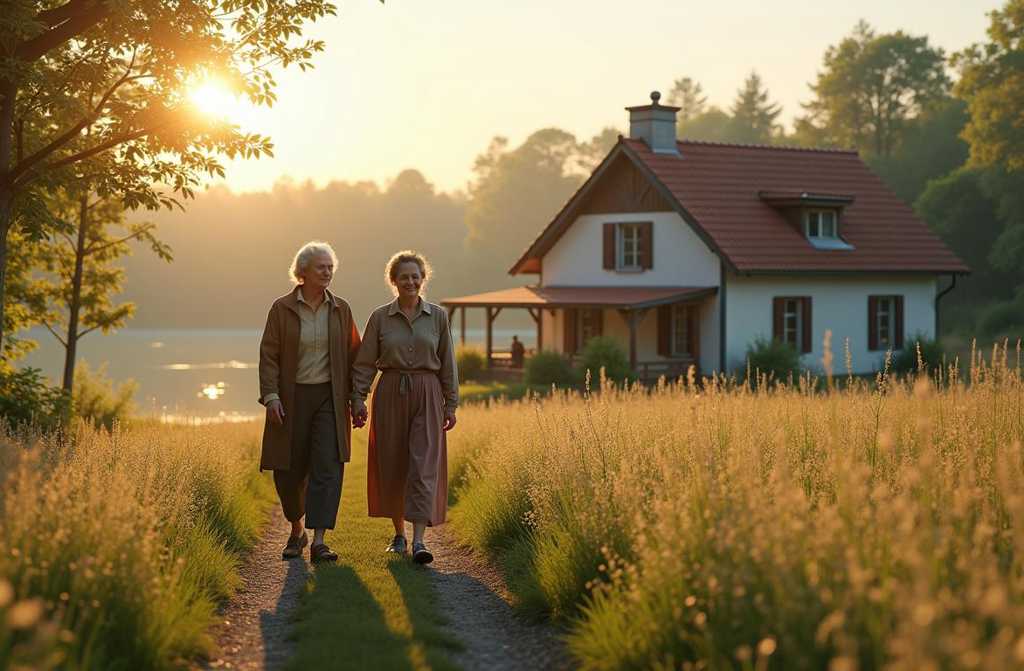
Степ-батько відвіз хвору пасербицю у віддалене місце, щоб вона померла, і залишив її з старою доглядальницею. Коли він повернувся, щоб продати дім, його чекала несподіванка.
“Andriy, обіцяй, що не покинеш Ларису,” благала його помираюча дружина. “Ти знаєш, її здоров’я слабке. Їй потрібен постійний догляд. Я розумію, це непросто, але я дуже боюся, що вона сама не впорається. Ще два роки ти будеш її опікуном. Прошу, роби все як треба.”
Андрій кивнув, але в глибині душі він думав, що все скоро скінчиться. Коли Ніна вперше захворіла і отримала діагноз серйозного захворювання, це був шок. Потім він сподівався вилікувати її, але з часом просто втомився. Особливо важко було, коли поруч була постійно хвора пасербиця, яка, по суті, не була йому рідною – це було важко. Лариса тихо жила у своїй кімнаті.
В якийсь момент стало нестерпно: він мріяв про нормальну жінку поруч, а не живий скелет. Думки про те, щоб покинути Ніну, приходили, але суспільство б засудило його. Він не може класти своє життя на вівтар іншого, коли у нього є лише одне життя. Але коли лікар сказав, що у Ніни залишилося не більше року життя, він вирішив витримати.
На карту була поставлена велика чотирикімнатна квартира, яку Ніна успадкувала від чоловіка. Проте залишалася Лариса, яка завжди здавалася слабкою тінню. Тому позбутися її, без злочину, здавалося не складно.
Похорон Ніни пройшов швидко. Під час її хвороби всі друзі віддалилися.
На похороні він був не один: зустрів неодружену жінку, яку підвіз додому. З’ясувалося, що вона посварилася з чоловіком, і він навіть не дав їй грошей на таксі, тож вона добиралася автостопом. Ліза, незважаючи на свої 30 років, сприймала життя легко і безтурботно. Андрій прагнув такої легкості і поступово захопився.
Невдовзі Ліза зайняла всі його думки. Менше ніж за місяць він привів Лізу в квартиру. Тоді все почалося: Лариса поводилася провокаційно, довго сиділа з ними і була неввічливою до Лізи. Вона вже не могла піднятися з дивана, але все-таки – була неввічливою.
Одного дня Ліза заявила:
“Або ти щось робиш, або я піду.”
“Цікаво, що б я міг з нею зробити?” задумався Андрій.
“Ти натякаєш, щоб я її вбив?” Ліза поглянула задумливо.
“І ти навіть не можеш зробити це заради мене?”
Андрій поглянув на неї налякано. Ліза усміхнулася:
“Розслабся, такі жертви точно не є необхідними. Я пам’ятаю, ти казав, що твоя маленька дружина має дім десь, ти колись їздив туди.”
“Так, їздили кілька років тому. Їй тоді було ностальгічно, здається, її бабуся там жила.”
“А що з тим будинком зараз?”
“Звідки я знаю?”
“Ти можеш туди дістатися?”
“Я можу знайти дорогу. Але навіщо це робити, адреса записана. Спочатку думали про продаж, але потім якось забули. Не розумію, до чого ти ведеш.”
Ліза сіла на диван, схрестила ноги і продовжила:
“Ти дурніший, ніж я думала.”
Андрій образився:
“Ліза, кажи, якщо маєш щось сказати.”
“Подивися, все можна зробити дуже вдало: скажи всім сусідам, що лікар прописав Ларисі свіжий сільський повітря. І ти найняв доглядальницю і відвіз її до села на кілька місяців. І краще ніхто не знає, яке це село та що Лариса буде там одна.”
“Ти хочеш, щоб вона там була…”
“Що я хочу – лише мені знати. Як воно буде – вирішать небеса. Можливо, її мати чекає, а вона затрималася тут занадто довго. Що тут думати? Ти напевно розумієш: з неї нормальної людини не вийде. Просто потрібно трохи допомогти, і вона звільниться від страждань і нас також.”
Андрій глянув на Лізу і задумався про її хитрість. Зрештою, це не був злочин — усі думатимуть, що він справді піклується про Ларису. Через три дні все було готово.
“Лариса, їдемо до села,” повідомив він їй.
Дівчина, що лежала, обережно піднялася на ліжку.
“До села? Навіщо?”
“Лікар сказав, що свіже повітря і сонце допоможуть тобі більше, ніж будь-які ліки.”
Лариса усміхнулась:
“Лікаря часом не Ліза звати?”
Андрій поглянув на неї невдоволено.
“Чому ти так вороже ставишся до неї? Вона лише бажає тобі добра.”
“Так, я так і думала, ти швидко забув про маму.”
“Лариса, це не твоє діло. Пам’ятай, я все ще чоловік і не такий вже й старий, а твоя мама хворіла більше року.”
Лариса кривилася, наче від зубного болю, але нічого не сказала. Через три години вони вже були в дорозі. Андрій терпляче чекав, поки Лариса збиралася. Швидше, він пакував речі, а вона лише підказувала, що взяти. Вона навіть взяла стару ляльку – мабуть, через постійну хворобу і погіршення пам’яті. Яка ж причина у шістнадцятирічної у ляльках?
Подорож була тривала, і, мабуть, приїдуть вночі чи рано вранці. Чесно кажучи, Андрій не пам’ятав, як довго вони тоді їхали з Ніною – здається, зупинялися у готелі.
Коли стемніло, почався дощ, і вони мусили зупинитися на стоянці. Вони провели кілька годин у машині, і коли наближалися до місця призначення, Андрій зупинився на придорожньому ринку, щоб купити води. Він розминав ноги, повернувся і побачив, що стара жінка розмовляє з Ларисою. Підійшовши ближче, Андрій помітив, що літня жінка показувала Ларисі якісь сушені трави і розповідала про їхні цілющі властивості.
“Жодна трава не вилікує твою хворобу,” раптом сказала стара, дивлячись на Андрія.
“Яка ж тоді у мене хвороба?” здивувався він.
“Боягузтво і жадібність,” відповіла вона.
“Тск, ти старушко, дурна,” буркнув він собі під ніс від такої відповіді і видав: “Ларисо, я розумію, що ти думаєш, ніби я хочу позбутися тебе, але покажи хоча б трохи співчуття. Живи хоч із кимось. Я знайду тобі доглядальницю, от наприклад таку бабусю.”
Спочатку він хотів сказати, що везе її на оздоровлення, але передумав: все одно вже не побачаться, навіщо брехати.
“Гей, бабусю, чи не поїдете з нами? Житимете з Ларисою, допомагатимете одне одному. Навіть заплачу.”
Бабця одразу погодилась.
“Поїду, що мені втрачати? Ніхто мене не потребує, може, дівчині потрібна згоджуся. Дім у мене згорів, жити ніде.”
Не встиг Андрій озирнутись, як бабуся з кошиком трав вже була в машині. Він незадоволено глянув на трави, що розсипались на сидіння, але мовчав. Лише б туди дістатися.
Дім виявився великим, Андрій здивувався. Якось пропустив це тоді. Помітив: з одного боку за сто метрів озеро, з іншого – ліс. Фасад будинку виходив на село. Раптом його осяяло: такий дім міг би принести добрі гроші. Усі зараз сходять з розуму від природи і чистого повітря.
Андрій навіть думки не мав повертати Ларису назад. Бабця, хоч і виглядала як справжня відьма, жваво перебігала від машини до дому, ніби заведена. Він просто чекав, коли вона забере останню сумку, і одразу повернувся, щоб поїхати.
Бабця примружила очі, спостерігаючи за машиною.
“Швидко твій супутник поїхав, навіть не попрощався.”
Лариса усміхнулась.
“Так, ще це вогкість розводити, він привіз мене сюди помирати, не на лікування, а як казав.”
Бабця обернулася до неї:
“Помирати, кажеш? Ну, ми ще подивимося. Не всі мої діти стали стрибаючими козами.”
Лариса глянула на неї здивовано.
“Хотілося б лягти перепочити, дуже втомлена.”
“Іди, я тебе проведу. Поки відпочинеш, я щось їстівне зготую. Бачила на шляху маленький магазин, треба купити продукти. Або ж і ці негідники не залишили грошей також?” спитала бабуся.
Лариса заперечувально похитала головою.
“Звісно, ні. Будь ласка, принеси ляльку, там стара в сумці, зверху.”
Бабуся одразу знайшла і принесла ляльку. Лариса розстебнула ляльку і простягнула їй товсту пачку банкнот.
“Ось, на ці гроші можна жити тут.”
“Ох, дорогенька, цього з нас років п’ять вистачить. Зачекай трохи, сад навіть посадимо. Нехай не все виросте, але щось точно зійде,” відповіла бабуся.
Лариса, як тільки бабуся розстелила чисту ковдру на дивані, одразу заснула. Періодично вона чула глухий дзвін каструль і спів бабці. Ці звуки якимось чином заспокоїли її, а не налякали чи роздратували. Коли хтось покликав її, вона розплющила очі, не відразу зрозумівши, де вона. Прийшовши до тями, вона повільно сіла. Так, це все не був сон.
“Ларисо, йди до столу. Ти не їла цілий день.”
Вона хотіла відмовитися звично, але раптом зрозуміла, що дійсно голодна. Поки бабця Альона – от так звали бабусю – накривала стіл, вона безперервно базікала.
“Ти знаєш, Ларисо, тут такі добрі люди, сусідка навіть заходила. Принесла картоплі, пригостила салом, обіцяла ввечері принести свіже молоко. І не взяла ні копійки, ні копієчки.”
Бабуся ще не встигла закінчити, як у дверях з’явився молодий чоловік з глечиком молока. Він подивився на Ларису.
“Мама передала трохи молока. Хотів запитати, о котрій ти встаєш? Треба траву покосити, щоб не будити тебе зранку.”
“Як тебе звуть?” спитала бабця Альона.
“Дімка,” відповів хлопець.
“Дімка, заходь, приєднуйся до вечері, все обговоримо,” запросила бабуся.
Минуло майже місяць. Вранці Лариса почервоніла, дивлячись на себе в дзеркало, а бабця Альона весело сказала:
“Що, думаєш – це виглядає як ти, але також ні?”
Лариса, дивлячись на своє відображення, задумалася:
“Так, я дивлюсь і не впізнаю напряму. І апетит у мене хороший. І я, напевно, тепер зможу дійти до озера, не падаючи від втоми.”
Бабця, відклавши своє шиття, усміхнулася:
“Зрозуміла, чому? Головне, пий всі мої настої і їж усе, що на столі.”
“Я все робитиму, як ти кажеш. Я не хочу помирати…” Лариса вперше з моменту, коли її сюди привезли, заплакала. Дивно, до цього не було сліз, лише усмішка чи мовчання.
Двері розчинилися, і на порозі з’явилася Дімка.
“Ларисо, татко купив новий човен, така краса. Приходь, покатаю на озері. Чому плачеш? Скажи тільки, хто образив тебе,” нахмурив він брови.
Бабця Альона тихо усміхнулася:
“Ось тобі захисник. Нехай він молодий, лише дев’ятнадцять, але вже зрозуміло, що хлопець надійний.”
Промайнуло два роки.
“Ах, ти,” сварила Ліза Андрія. “Навіть дім продати без мене не можеш?”
Взявши кілька кредитів, Андрій зрозумів, що їм буде дуже важко повернути їх. І він згадав, що в нього насправді є нерухомість у селі!
“Я забув, що документи на будинок не тут. Лише потім згадав, що Ніна показувала їх мені у будинку. Там вони всі… І якщо дівчину не поховали, і вона все ще там?”
“Перестань вигадувати! Вона була з тією схибленою бабцею. Всі сусіди це знають. Ти ще давно мав туди поїхати. Думаю, вона не змогла би протриматися місяць без допомоги.”
“Ах… Мав залишити бабці телефон подзвонити, коли Бог забере Ларису…”
Вони зупинилися перед домом, біля якого були розчищені стежки в снігу. Ліза зауважила:
“Він явно не виглядає покинутим. Можливо, селяни взяли його в свої руки і впорядкували? Погляньмо.”
Щойно вони вийшли з машини, дим йшов з комина.
“Чекай, хтось їде сюди на лижах,” зазначив Андрій.
Дві фігури, справді на лижах, швидко наближалися – молодий чоловік та жінка. Під’їхавши ближче, лижник вигукнув:
“Дивіться, хто зволив завітати! Татко зі своєю молодою дамою! Що ви тут забули?”
Очі Лізи розширилися, а Андрій мало не впав у замет.
“Лариса! Як? Ти мала б…” почав він.
“Обійтися без мене, татко. Через два місяці мені буде вісімнадцять, так що збирайтеся зі своєю Лізонькою і йдіть з нашого дому,” відрізала Лариса.
Ліза розгублено подивилася на Андрія, потім на Ларису і на хлопця, який тримав строгий погляд на гостей. Вона промовила до Андрія:
“Ходімо,” і відразу повернулася в машину.
Андрій деякий час стояв, переминаючись з ноги на ногу, не знаючи, що робити чи що сказати. Його плани на будинок і гроші розсипалися вмить. Не знайшовши слів, він кинувся до машини.
Бабця Альона вийшла на поріг:
“Добре прогулялися? Я тільки що налисників напекла. І, здається, чула, як машина приїхала до нас.”
Лариса поцілувала її в щоку:
“Ні, ти, мабуть, уявила собі це, напевно, вітер шелестить. Ходімо швидше їсти налисники, ти знаєш, як я їх люблю.”



A STRAY CAT SNEAKED INTO THE BILLIONAIRE’S HOSPITAL ROOM WHILE HE WAS IN A COMA… AND WHAT HAPPENED NEXT WAS A MIRACLE EVEN THE DOCTORS COULDN’T EXPLAIN…
A STRAY CAT slipped into the room of the comatose billionaireand what happened next was a miracle the doctors couldnt...


Michael Stood Still: From Behind the Tree, a Dog Gave Him That Heartbroken Look—A Dog He Could Recognise Among a Thousand
James frozeby the old oak, a dog was staring at him with such sadness, hed have recognised her from a...


The Little Girl Who Wouldn’t Eat: The Night My Stepdaughter Found Her Voice—and Our Family Was Changed Forever
The Little Girl Who Couldnt Eat: The Night My Stepdaughter Finally Found Her Voice and Our Lives Changed 8 December...


The Manor Smelled of French Perfume and Lovelessness. Little Lizzie Knew Only One Pair of Warm Hands—Those of the Housekeeper, Nora. But One Day Money Disappeared from the Safe, and Those Hands Were Gone Forever. Twenty Years Passed. Now Lizzie Stands on a Doorstep, Her Child in Her Arms and a Truth Burning in Her Throat… *** The Dough Smelled Like Home. Not the home with a marble staircase and three-tiered crystal chandelier where Lizzie grew up, but a real home—the kind she invented for herself, sitting on a kitchen stool, watching Nora’s hands, red from washing, knead springy dough. “Mum, why is dough alive?” she would ask at five years old. “Because it breathes,” Nora replied without looking up. “See how it bubbles? It’s happy—it knows it’ll soon be in the oven. Strange, isn’t it? To rejoice at fire.” Lizzie didn’t understand then. Now—she got it. She stood by the side of a battered country lane, clutching four-year-old Micky to her chest. The bus had spat them out into the grey February dusk; all around, just silence—the singular village quiet where you can hear snow creak under a stranger’s boots three houses away. Micky didn’t cry. He had almost stopped crying altogether in the last six months—he’d learned. He just looked at her with dark, uncannily grave eyes, and every time Lizzie flinched: her ex’s eyes. His chin. His silences—the kind that always hid something. Don’t think of him. Not now. “Mum, I’m cold.” “I know, sweetheart. We’ll find it soon.” She didn’t know the address. Didn’t even know if Nora was alive—twenty years had passed, a lifetime. All she remembered: “Pinewood, Oxfordshire.” And the scent of dough. The warmth of those hands—the only ones in that whole big house that ever stroked her hair just because. The lane led them past tilting fences; in some windows, lights glowed—dull yellow, but alive. Lizzie stopped at the last cottage, simply because her legs would go no further and Micky had grown too heavy. The gate creaked. Two snow-covered steps up to the porch. A weathered, peeling door. She knocked. Silence. Then—shuffling footsteps. The sound of a bolt dragging. And a voice—hoarse, aged, yet so unmistakable that Lizzie’s breath caught— “Who’s out in this darkness?” The door swung open. On the threshold was a tiny old lady in a knitted cardigan over her nightie. Her face—like a baked apple, a thousand wrinkles. But the eyes—the same. Faded, blue, still full of life. “Nora…” The old woman froze. Then slowly lifted the very same hand—knotted and work-worn—and touched Lizzie’s cheek. “Merciful heavens… Lissie?” Lizzie’s knees buckled. She stood there, clutching her son, unable to speak, tears streaming hot down her frozen cheeks. Nora asked nothing. Not “where from?” Not “why?” Not “what’s happened?” She simply unhooked her old wool coat and threw it round Lizzie’s shoulders. Then gently lifted Micky—he didn’t even flinch, only watched with those solemn eyes—and pulled him close. “Well, you’re home now, my darling,” Nora said. “Come in. Come in, love.” *** Twenty years. It’s enough time to build an empire and lose it. To forget your native tongue. To bury your parents—though Lizzie’s were still alive, just as distant as hired furniture. As a child, she thought their house was the whole world. Four storeys of happiness: a lounge with a fireplace, her father’s wood-panelled study, which smelled of cigars and sternness, her mother’s plush bedroom with velvet drapes, and—down in the basement—the kitchen. Nora’s kingdom. “Lizzie, don’t be in here,” nannies and tutors would chide. “You should be upstairs, with Mummy.” But Mummy was always on the phone. Always. With friends, with business partners, with lovers—Lizzie didn’t understand, but she sensed: something was wrong. Something not right in the way her mother laughed into the phone and how her face changed when Dad walked in. But in the kitchen, things were right. Nora taught her to pinch pierogis—crooked, lumpy, ragged seams. They watched the dough rise together—“Hush, Lizzie, don’t make a sound or you’ll upset it.” When shouts started upstairs, Nora would sit her on her knee and sing—something simple, wordless, just a melody. “Nora, are you my mother?” she once asked at six. “Of course not, miss. I’m just the help.” “Then why do I love you more than Mummy?” Nora fell silent, stroking Lizzie’s hair. Then she whispered, “Love doesn’t ask, see. It just comes, and that’s it. You love your mum, too—just different.” But Lizzie didn’t. She knew it, even then—with a child’s forbidden clarity. Mum was beautiful, Mum was important, Mum bought her dresses and took her to Paris. But Mum never sat up when Lizzie was ill. That was Nora—nights on end, her cool hand on Lizzie’s brow. Then came that night. *** “Eighty thousand,” Lizzie overheard from behind a half-closed door. “From the safe. I know I put it there.” “Maybe you spent it and forgot?” “Edward!” Her father’s voice was tired, flat, like everything about him in those years. “All right, all right. Who had access?” “Nora cleaned the study. She knows the code—I told her to dust.” A pause. Lizzie pressed herself to the wall, feeling something vital tear inside. “Her mother has cancer,” Dad said. “Treatment’s expensive. She asked for an advance last month.” “I didn’t give it.” “Why?” “Because she’s staff, Edward. If staff gets handouts for every mum, dad, brother—” “Harriet.” “What, Harriet? You can see for yourself. She needed the money. She had access—” “We don’t know for sure.” “Do you want the police? A scandal? For everyone to know we have thieves in our house?” More silence. Lizzie closed her eyes. She was nine—old enough to understand, too young to change a thing. Next morning, Nora packed her things. Lizzie watched from behind a door—a small girl in teddy bear pyjamas, barefoot on the cold floor. Nora folded her few possessions: a robe, slippers, a worn Saint Nicholas icon from her bedside. “Nora…” Nora turned. Calm face, just puffy, reddened eyes. “Lissie. Why aren’t you asleep?” “You’re leaving?” “I am, love. To my mother—she’s not well.” “What about me?” Nora knelt—so their eyes were level. She always smelled of dough—even when she hadn’t baked. “You’ll grow up, Lizzie. Grow into a good person. Maybe one day you’ll visit me in Pinewood. Remember?” “Pinewood.” “Good girl.” She kissed Lizzie’s forehead—quick, secretive—and left. The door closed. The lock clicked. That smell—the dough, the warmth, home—vanished forever. *** The cottage was tiny. One room, a stove in the corner, a table with an oilcloth, two beds behind a faded floral curtain. On the wall, that familiar Saint Nicholas icon, blackened by time and candle smoke. Nora bustled—putting the kettle on, fetching jam from the larder, making up the bed for Micky. “Sit, sit, Lissie. There’s no truth in tired feet. Warm up, we’ll talk after.” But Lizzie couldn’t sit. She stood in this poor, shabby hut—she, whose parents once owned a four-storey mansion—and felt something strange. Peace. For the first time in years—real, solid peace. As if something pulled tight within her had finally gone slack. “Nora,” she managed, voice cracking, “Nora, I’m sorry.” “For what, love?” “For not protecting you. For saying nothing for all these years. For…” She faltered. How to say it? How to explain? Micky was already asleep—gone the instant his head hit the pillow. Nora sat opposite her, tea cup in gnarled hands, waiting. So Lizzie told her. How after Nora left, the house became utterly foreign. Her parents divorced two years later—her father’s empire was a house of cards, lost in the crash, their flat, their cars, their country cottage vanished. Her mother fled to Germany with a new husband; her father drank himself to death in a bedsit when Lizzie was twenty-three. She was all alone. “Then there was Tom,” she said, staring at the table. “We knew each other since school. He used to visit us—you remember? Skinny, messy, always stealing sweets from the bowl.” Nora nodded. “I thought—this is it. Family, at last. Mine. But… he was a gambler, Nora. Cards, slots, you name it. I never knew. He hid it. By the time I found out—it was too late. Debts. Lenders. Micky…” She trailed off. Logs crackled in the stove. The candle-mote flickered against the icon, its shadow trembling up the wall. “When I said I was filing for divorce, he… he thought a confession would save him. That I’d forgive. Appreciate his honesty.” “Confess what, love?” Lizzie met her eyes. “He took the money. All those years ago. From the safe. Saw the code—peeked when visiting. He needed… I can’t even remember why. But yes—for his debts. And you were blamed.” Silence. Nora sat motionless. Her face unreadable. Only her hands around the mug whitened at the knuckles. “Nora, I’m sorry. I only found out last week. I didn’t know, I—” “Hush now.” Nora got up, slowly knelt—creaking with age—as she had twenty years before, meeting Lizzie eye to eye. “My darling. What are you guilty of?” “But your mother… You needed money for her treatment—” “She passed a year later, poor soul.” Nora crossed herself. “What of it? I live. Veg patch, goats. Good neighbours. I never needed much.” “They shoved you out—like a thief!” “Doesn’t life sometimes take us to the truth through a lie?” Nora whispered. “If I’d stayed, I’d have missed my mother’s last year. Being with her then—that was worth everything.” Lizzie was quiet. Her chest burned—shame, sorrow, relief, gratitude—all in a tangle. “I was angry,” said Nora. “Of course I was. I’d never so much as scuffed a penny in my life. Yet there I was—a common thief. But after a while… the anger faded. Not right away. Took years. But it did. Because if you carry bitterness, it eats you alive. I wanted to live.” She took Lizzie’s hands—cold, rough, knotted. “And here you are now. With your boy. At my old door. That means you remembered. Means you loved. And that’s worth more than any safeful of cash.” Lizzie cried. Not like adults do—quietly, to themselves. Like children. Sobbing, face pressed to Nora’s thin shoulder. *** In the morning, Lizzie woke to a smell. Dough. She opened her eyes. Micky snored beside her on the pillow. Behind the curtain, Nora clattered softly. “Nora?” “You’re up, sweetheart? Come, the pies will go cold.” Pies. Lizzie got up and, dream-like, stepped into the kitchen. On yesterday’s newspaper sat a tray of golden, misshapen pies, crimped at the edges just like when she was small. And they smelled—like home. “I was thinking,” said Nora, pouring tea into a chipped mug, “they need help at the village library. Pays little, but you don’t need much here. We’ll get Micky into nursery—Val’s in charge, she’s lovely. After that—we’ll see.” She said this so simply, as though everything was settled, everything perfectly natural. “Nora,” Lizzie faltered, “I’m… I’m nobody to you. All these years. Why did you—?” “Why what?” “Why take me in? No questions? Just like that?” Nora looked at her—that same childhood gaze. Clear, wise, kind. “Remember asking why dough is alive?” “Because it breathes.” “Exactly, love. And so does love. You can’t fire it, can’t dismiss it. If it settles in, it stays. Twenty years, thirty—you only have to wait.” She set a pie before Lizzie—warm, soft, filled with apple. “Come on. You’re skin and bone, dear.” Lizzie took a bite. For the first time in years—she smiled. The sky lightened. Snow shimmered under the first rays, and the world—vast, unfair, complicated—seemed briefly simple and kind. Like Nora’s pies. Like her hands. Like the quiet, steadfast love that cannot be sacked. Micky tumbled out, rubbing his eyes. “Mum, it smells yummy.” “Grandma Nora baked for us.” “Grand-ma?” He mouthed the word, studying Nora. She smiled—crinkles scattering, her eyes lighting up. “That’s right, love. Come eat.” And he joined them. For the first time in months, he laughed—when Nora showed him how to shape silly dough men. Lizzie watched—her son and the woman she once called mother—and understood: here was home. Not walls, marble, chandeliers. Just warm hands. Just the smell of dough. Just love—plain, earthy, unspoken. Love that can’t be bought or sold, that just is—while ever a single heart still beats. Funny thing, the memory of the heart. We forget dates, faces, whole eras, yet the aroma of mum’s pies lingers to our last breath. Maybe because love doesn’t live in the mind. It’s somewhere deeper, where neither hurt nor years can reach it. And sometimes you have to lose everything—status, money, pride—just to remember the way home. To the hands that wait.
The manor always smelled of French perfumeand something colder than loneliness. Little Emily knew only one truly loving pair of...


“Please… Don’t Leave Me Alone Tonight: The Heart-Stopping Night Retired Officer Calvin Hale’s Loyal German Shepherd Ranger Refused to Say Goodbye”
Pleasedont leave me on my own. Not tonight. Those were the last words 68-year-old retired officer Douglas Turner quietly uttered...


A Bruised 7-Year-Old Boy Walks Into A&E Carrying His Baby Sister—What He Said Next Broke Every Heart In The Room
It was just past one in the morning, many years ago now, when young William Turner, a boy of only...


A Stray Cat Sneaks Into the Hospital Room of a Billionaire in a Coma—What Happened Next Was a Miracle That Even the Doctors Couldn’t Explain…
12th April It amazes me how a wandering cat, slipping into a place where he shouldnt have been, utterly changed...


Three O’Clock in the Morning Mum’s Phone Rings: How a Stray German Shepherd and Four Cats Taught a Stubborn Son the True Meaning of Kindness
Margaret Eleanor was woken abruptly at three oclock in the morning by the insistent buzzing of her old-fashioned mobile on...