
З життя
“When America Takes You Apart Piece by Piece and Home Forgets Its Warmth: The Betrayal of Return for Immigrants”

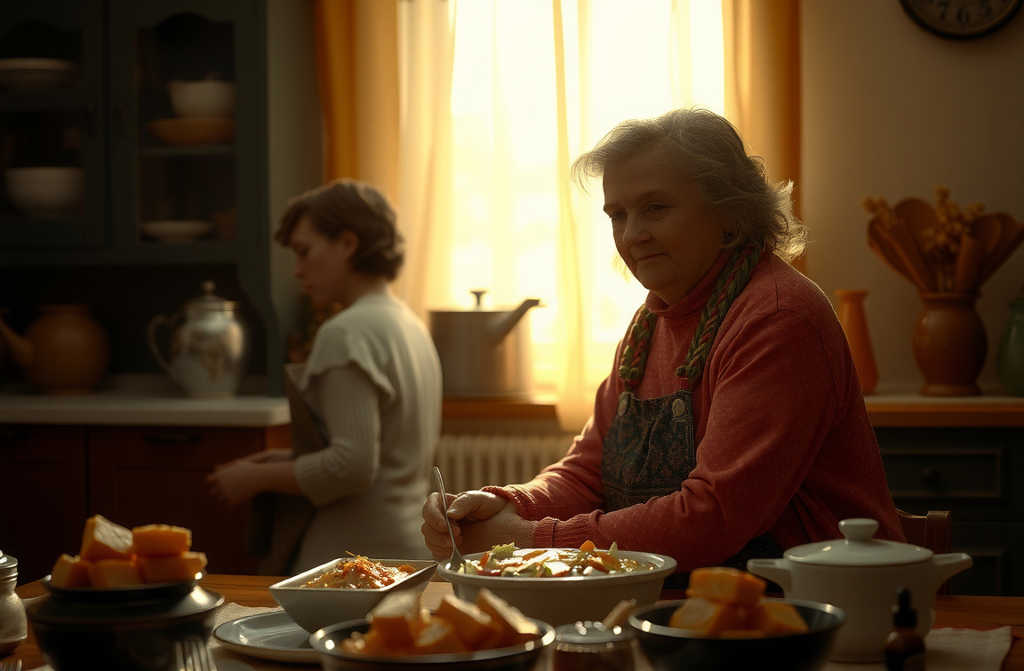
When England Takes You Piece by Piece, and Home Forgets Warmth: The Betrayal of Return
A story of how nine years of career, successand forgettingcost more than millions in the bank.
Eight years.
Eight yearsand Alice was flying home.
Not home as in the cramped London flat shed rented on someone elses street, as migrants everywhere say when they try to believe in belonging. No, this was her real home.
Heathrow Airport, Departures. Alice stepped toward the sliding doors, her eyes glinting with a betraying wetness. There was enough money now to pay for every suitcase, every extra shoe. But there was not a second left to write about everything she felt.
She knew: her mum was waiting.
She didnt know: would her mum want to see the woman stepping out of the airport?
Chapter 1. The Day of the Promise
Eight years earlierthe very same airport. The same blaring announcements, the same terminal. But Alice was someone else.
She was twenty-three. In her bag: a new red passport, a UK work visa, five hundred pounds in crisp notes, and a dream bigger than herself.
Mum stared at her, eyes flickering between pride and devastation.
Just two years, Mum, Alice promised. Two years, and Ill be backwith money for home.
Her mum hugged her far too long. Alice felt her mother tremble, breathing in the scent of home: flour, cold tea, her late dads old pipe tobacco lingering in the hallways.
Please, love, dont forget me out there, her mum whisperedand in that moment Alice heard something she couldnt name. Dread. Foreboding. The cliff edge of something final.
Mum, I cant forget you! Alice almost laughed. Not even if I tried.
She truly believed it.
Chapter 2. The First Year: Adrenaline
London met her with a raw, bone-soaking chill. Alice arrived in January.
She moved into a house-share with five other Brits, each from somewhere different: two lads from Manchester, two girls from Bristol, and a father from Newcastle. They slept two to a freezing bedroom, each shelling out four hundred quid a month.
Her café job paid seven pounds an hour, plus tips. Alice worked twelve-hour shifts, wiped tables, served up cappuccinos, and smiled for customers who sometimes tipped her more than the cost of their lunch.
At night, she collapsed into bed and called her mum.
How are you? her mum asked.
Im fine, Mum. Working hard, earning my keep.
But youre not too cold, are you?
Its bloody freezing.
Put on that wool jumper I packed for you.
Alice would slip into the soft wool and imagine her mum embracing her across the Channel.
The first money she sent went out in Februarytwo hundred pounds through Western Union.
Mum texted: Thank you, love. I bought my medication and paid the electric bill. Be careful, will you?
Her housemates told her:
Youre daft, Alice. Stack your money in a UK account, not back home to your mum!
But Alice knew: her mum needed it now.
Within a year, shed sent five grand.
By then, her English was near perfect.
The first time she heard her voice without a heavy accent, she felt both pride and a chilly unease.
Chapter 3. The Second Year: David
David showed up at the café every single dayone hundred and forty-seven days by Alices careful count, though she never really knew why she kept it.
He was twice her age, recently divorced, raising a son from his first marriage. He had a solid job in tech and always ordered a caramel latte.
One day, quite suddenly, he spoke to her:
How are you? he asked, clumsily but with care, trying out her language.
Alice was caught off guard. Few regulars ever tried to speak with her on her own terms.
Im well, thank you. How about you? she replied, in easy, confident English.
Can I take you for coffee? Somewhere besides this place? he grinned.
By then, Alice had two years of bruising work, eleven thousand in her account, and dreams that were sagging under the weight of reality.
She took home forty pounds a day in tips at best. She had two other jobs: cleaning offices at night, babysitting on weekends.
David offered something different. David seemed to promise rest.
Chapter 4. The Third Year: First Betrayal
It took her three months to tell her mum about David. She knew what it would mean.
Mum, Im seeing someone. Hes English.
Silence. Long, scraping silence.
Whats his name? her mother asked eventually.
David.
Does he… have a family?
A son. From before. Hes nine.
Silence again.
Alice could hear her mothers breathing over the miles of cables and ocean, knew she was breaking the news into a thousand bits, searching for meaning.
Alice, please, her mums voice cracked. Dont forget who you are.
I wont, Mum.
Who you are meant: Youre still English.
It sounded like a verdict: Your home cant be here.
Alice didnt know how to explain the way home had grown so cold on the other side of a phone call.
She spent more and more time with David. She quit cleaning offices at night. Cut café shifts. Babysitting became sometimes.
That March she sent her mum three thousand pounds, apologised for ringing less.
Chapter 5. The Fourth Year: The Wedding
David proposed at Christmas.
Alice said yessomewhere between the ashes of her past and the shimmer of her future.
She called her mum in January, eyes squeezed tight as if that might alter what came next.
Im getting married, Mum.
When?
Two months. In Brighton. David wants us to wed by the seaside.
Her mums voice wavered, feverish.
In Brighton? Alice, I havent that kind of money to come down.
I know, Mum. Im sorry.
She ought to have felt guilt. Instead, she felt relief.
After hanging up, Alice pictured her mother: sitting on the edge of a bed that once slept them both, tears rolling, suddenly realising something far too big.
The wedding was lavish. Two hundred guests. Davids friends, business partners, colleagues.
An aunt Alice barely remembered sent a kitchen setso you can cook for your new family.
Alice wore a white dress that cost more than her mother earned in a whole season. She smiled for the cameras and realised, at some point, that the promise shed made in the airport Ill be back in two yearshad become a lie.
She wasnt coming back.
Chapter 6. Fifth to Eighth Years: An English Childhood
Their son, Oliver, was born in May.
Labour was hard. The postnatal depression, longer still. Without full insurance, the first pregnancy drained twelve thousand pounds from the familyDavid paid it on credit.
Alice sent her mum a picture of the baby. Your grandson.
Mum replied, Hes beautiful. What did you call him?
Oliver, Alice wrote.
She almost felt her mother sit down at her old computer, searching online for that namewhy not her fathers? Why not something from home? Why did her grandson have no familiar roots?
Alice sent two hundred pounds every month for you and your grandson. In letters, she asked her mum to buy Oliver presents, to put some away for later.
Over the years, she got parcels: little knitted jumpers, carved wooden animals, childrens books.
Oliver didnt understand his grandmothers accent. He spoke English and some Spanishhis nanny hailed from Madrid.
When her mum wrote, Teach him about his family, Alice would force from herself just two words: Grandma loves you.
Oliver would forget them in a month.
Alice’s life with David was everything she wished for as a girl: a cottage in the suburbs, a BMW in the drive, Oliver at an elite prep school, holidays every summer by the Cornish coast.
Every birthday her mum called.
Often, Alice would be at a neighbour’s party, discussing property investments, glass of wine in one hand, phone in the other.
Hi, Mum, how are you?
All right, love. I want to see my grandson.
Olivers out playingI’ll show him your picture when he comes back in.
Alice… Her mum wanted to say more, but thought better of it. Love you both.
Love you too, Mum! Gotta go, well talk soon.
Alice hung up, turned back to talk about a new project.
Chapter 7. The Eighth Year: Heart Attack
Her mum was sixty-seven.
The heart attack happened on an ordinary Tuesday, in the Sainsburys down the road, while she picked up bread.
Her brother called:
Mums not well. Shes at the hospital. You need to come.
Alice took time offshe worked in management by now. She booked the earliest train north.
The station slid by. She made her way to the hospital by taxi.
Her mum lay in a white hospital bed, wires everywhere, staring out of the window.
When Alice entered, her mum slowly turned her way.
Oh God, you really came, her mum said, then started to cry.
Alice kissed her on the cheekand almost didnt recognise her.
Her mother had aged. Deep wrinkles, grey wisps where she once dyed her hair. Her eyes didnt shine as before.
Mum, how are you?
Oh, love, just a tired old heart…
Alice stayed beside her three days.
Then the doctors let her go home. Her brother drove them to the little flat Alice had been quietly paying for all those years.
It was clean, but sorrowful. On the wallsAlices baby photos. On the fridgea calendar with a photo of Oliver as a little boy, frozen on a distant shore.
Hes grown, her mum said, looking at the photo.
Yes, Mum.
But I never saw him… not once.
There was nothing Alice could say.
She spent eight days at home. During that time, Mum brought out a drawer of old letters Alice had written in her first year away, and a photo album. She asked Alice to make those dishes roast, cottage pie, trifle.
Alice tried. The roast was overdone. They laughed at the kitchen table, but Alice saw her mothers hands tremble.
You forgot my recipe, Mum said on the third day.
It wasnt about the roast. It was about everything else.
Chapter 8. Alice Leaves
Alice returned to Brighton.
Hows your mum? David asked.
Shes alive. Shes tired. Shes old.
Thats all right, then, he said and turned back to his emails.
That night, Alice lay in bed and watched how the soft light of the Channel filtered through double glazing.
She thought of her mums flat, where sun squeezed through thin curtains, shining on old furniture.
Time rolled on. Alice found a better job. David made partner at his firm. Oliver started at a top sixth-form college.
Her mum called less and less. Only on holidays. On anniversaries.
How are you, Mum? You all right?
Yes, love. Im old now. You dont owe me anything anymore.
That, Alice realised, was the biggest lie they ever told each other.
Chapter 9. Return
This time, Alice came without warning.
She told no one. Didnt message her brother. Just booked a holiday and got on the next train north.
From the station, she called.
Mum?
Alice? Where are you?
Im at the station.
Silence.
Just come home, darling, her mum finally whispered.
It was a forty-minute taxi ride. Alice watched out the window: city lights giving way to cracked pavements, houses smaller, older.
She got out in front of the little home shed been paying for all this time.
Her mum stood on the step.
She looked shrunk, brittle. Every year had chipped away warmth and strength.
Hello, Mum, Alice said.
Oh heavens, youre here! Her mum rushed to hug her.
Some stone in Alice crumbled at last.
They sat in the kitchen; on the tablea roast, cottage pie, trifle: all the things Alice once begged to learn.
I knew youd come, her mum said.
How could you know?
Im your mum. I always know.
They sat quietly.
Mum… Alice started. Can I come home again?
Her mum looked at her, long and painfully.
You can always come home, love. But I dont know if you can ever really belong again.
Alice felt it, sharp and raw: you can, but you cant.
Back in Brighton, David asked where shed been.
With my mum, she replied.
How is she?
Shes growing old.
David nodded, eyes already back on his laptop.
Alice sat down by the panoramic window overlooking the Channel, thinking of the narrow window in her mums kitchen, giving on nothing but a brick wall and a scrap of sky.
Eight years ago, shed walked out of Heathrow with a dream to touch the English dream.
Eight years later, shed come back knowing: the dream is often your soul draining away, far from the ones you love most.
And now, no matter how many times she returned, it would never be fully home again.



My parents bought my older sister an apartment and gave me theirs. When I insisted on making the arrangement official, I became an outcast in my own family.
For more than ten years, I havent spoken to my parents or my older sister. I realised long ago that...


A Week Ago, I Saw My First Love Again – At His Wife’s Funeral – And Since Then, It Feels Like My Whole Life Has Been Thrown Into Chaos
A week ago, I unexpectedly bumped into my first loveat his wifes funeral, of all placesand since then, it feels...
Love Yourself and Everything Will Fall Into Place
Love Yourself, and Everything Will Be All Right Outside my window, the wind howls and the darkness weighs heavymuch like...
Who Knows Where the River of Destiny Will Flow
Who Can Tell Where the River of Fate May Turn For the past month, Edward had grown quiet and withdrawn,...


“When America Takes You Apart Piece by Piece and Home Forgets Its Warmth: The Betrayal of Return for Immigrants”
When England Takes You Piece by Piece, and Home Forgets Warmth: The Betrayal of Return A story of how nine...


She Moved in with Her Son to Stay with Her Mum, and He’s in No Rush to Bring Her Home
Its all my own doing! my friends sister weeps. I never thought things would turn out like this! Now I...


One day he stormed into the house shouting: “I’ve had enough of the kids’ screaming and all your household drama”
Ive been married for many years now. I first met my husband at university here in London. I didnt date...


At 54, I Went on Three Dates—with Women Aged 37, 45, and 58. Here’s What I Learned from the Experience
At fifty-four, I went on three dateswith women aged 37, 45, and 58. Heres what I learnt from the experience....