
З життя
When are you finally going to tie the knot, Mary?

Are you planning to move out, Poppy? Susan leans against the kitchen doorway, a mug of tea in her hand, her voice flat and almost contemptuous.
Moving out what do you mean? Poppy swivels slowly away from the laptop warming her knees. Mum, I live here. I work.
You work? Susan repeats, a thin smile flickering across her face. Right, you sit on the internet all day. Writing your little poems? Or articles? Who even reads those?
Poppy snaps the laptop shut. Her heart tightens. Shes heard the dismissal of her job as not real before, but each time feels like a spit in the face.
Shes trying hard. Freelancing isnt easy: endless revisions, tight deadlines, earlymorning drafts, clients who want everything yesterday and pay late
I have steady orders, she exhales. And I get paid. I cover the council tax, the utilities I
Nobodys demanding anything from you, Susan waves her off. Its just the way things are, love. Youre an adult, you understand. Tom and Olivia with the kids want to move out. Theyve got two. The flat is cramped for them, you know that.
And what about me? Im not a family? Poppys voice trembles, breaking.
Youre on your own, Poppy. Youre selfsufficient. They have children, a family. Youre brilliant, independent. Youll find somewhere to live. Maybe even a proper job soon.
People work ninetofive, not glued to laptops overnight.
Poppy stays silent, a lump rising in her throat. Explaining seems pointless; her mother never really gets what she does.
Shes never been asked, What are you writing? Where can we read it? Only criticisms, condescending looks, and comments like, Youd be better off as a shop assistant.
Alone. The word echoes in her ears like a verdict, a reason to erase her from the flat, from the family, from life.
When her father, David, comes home, the conversation resumes, now a threeperson courtroom.
Tom and his wife have achieved a lot, David starts, settling into his armchair. Both work, two kids.
You youre doing well not to sit idle. But its time to take life seriously.
Dad, I live here. Im not lazy! I earn, even if its from home in pajamas. I pay for food, the bills. Im not living off you!
You dont get it, he interrupts. Its not about the money. Its about need.
Toms got two kids, you hear? The younger is only a year and a half. They need this flat. Its hard for them.
So its easy for me?! Poppy bursts out. You think I have no problems!
Im 28, I have no supportno partner, no childrenjust a job you dont recognise!
They exchange looks, as if shes simply being dramatic, her words a whim rather than pain.
Youre a strong girl, Susan says sadly, shaking her head. Youll manage. Tom and Olivia would never even think
Do I even have time? she thinks, but says nothing; she has no strength left.
Where do you expect me to go? she asks hoarsely. Im not asking for money or help. Just a corner, just some understanding.
Well you could find a rented room, Susan replies uncertainly. Everyones in flats these days. Youre not officially employed, so you have no lease.
You hear yourselves?!
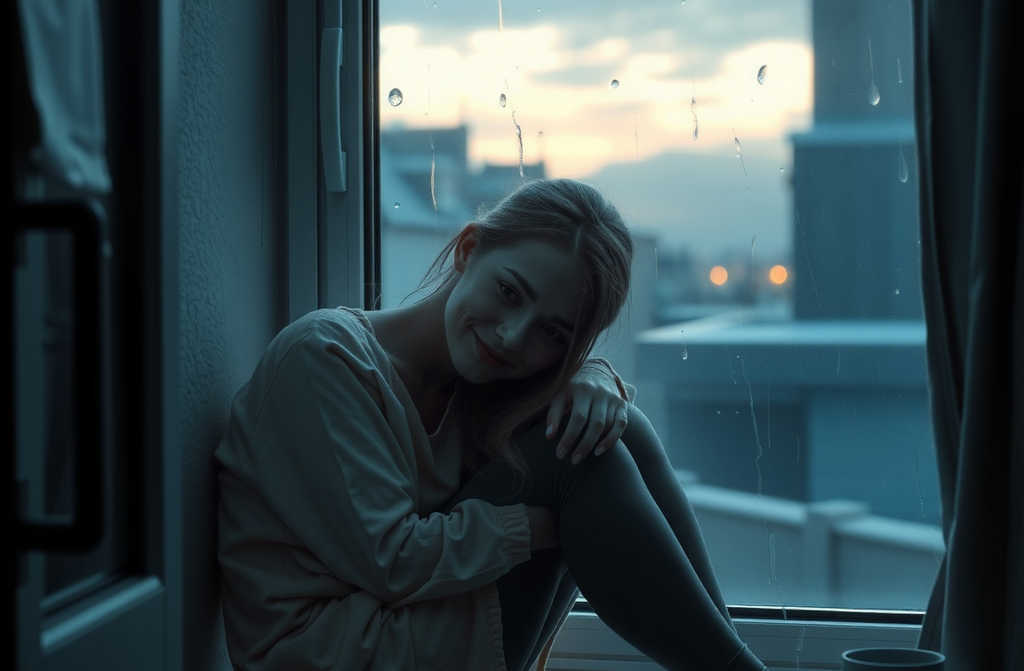
Poppy cant recall how the evening ends. She only remembers sitting on the windowsill, staring into the dark courtyard. Rain falls stubbornly, the drops tracing the glass like silent tears.
In the morning the hallway buzzes with movementsuitcases, voices, a flurry of activity.
Poppy, were putting Toms stuff in the storage for now, Susan says without looking at her. Theyre moving, you know.
She understands. Shes known this from the start. Living with it feels disgusting.
Poppy, you see, everythings decided, her mother repeats in the same flat tone, as if asking for the salt at dinnermundane, unremarkable.
So youre not asking, not offering youre just stating facts?
Whats there to ask, love? Youre an adult now. Figure it out yourself. Not in a playground.
And its only temporary. Find a place to rent, maybe things will change later.
Temporary? Right. Until Toms grandchildren arrive.
Here you go with your sarcasm again, Susan rolls her eyes. You always take everything personally.
We mean well. Were not your enemies. But remember, family isnt just you.
Of course, not just me, Poppy says bitterly. Everythings for Tom. Everything for Tom. And Im the extra, a ghost on the sofa. Out of sight, right?
Youre overreacting, David appears in the doorway. Toms your son, in a way. And you youre strong. Youll understand.
I dont want to be strong. I just want to be needed
The next day Poppy looks for a room to rent. Twenty minutes from home, the world changes: a grey stairwell with rusty doors, an elderly neighbour muttering about cats howling at night.
The flat looks like a junkshop museum: peeling rosepatterned wallpaper, a carpet hanging on the wall, a stool missing a leg.
The landlady, a woman with a smoky voice and a look that says shes seen too many loan requests, eyes her.
What do you do? she asks suspiciously.
Im a freelancer. I write articles online.
Online? Hows that work?
At a computer, on the internet. I have regular clients, I work through agencies.
So you stay at home. Make sure there are no guests. Run the washing machine once a week. Electricitys pricey these days.
Got it, Poppy nods, feeling everything inside crumble.
That evening Susan sends her a picture: Look, weve already assembled the baby cot. Isnt it cute?
Yes, very cute, Poppy thinks.
What are you thinking? David asks over dinner. Poppy returns for the last of her thingstrainers, a tripod, the blanket her grandfather gave her.
Im renting the room for now, she replies flatly. Maybe Ill move on later. Ill think about changing gradually.
Exactly, he says. And its time you found a real job. With people. A team, a schedule
Dad she sighs, exhausted. My clients are from all over. I run a blog for a company with a millionpound turnover. My articles reach ten thousand readers a day. Yet you and Mum never recognise that.
Whos going to verify that, Poppy? Tom has everything clearaccounts, reports, a salary. Yours is a cloud of uncertainty. Write ten articles, then what?
Then Ill live. As best I can, without you. Thanks for teaching me not to wait for help or acknowledgement.
He wants to say more, but shes already standing, key in her pocket, heading for the door.
Poppy a quiet voice calls from behind. We dont mean it badly.
She pauses at the threshold for a heartbeat.
I know. Its just youre being foolish.
She leaves.
The new room smells of mothballs. The curtains are faded greybeige. The walls are a muted green.
Poppy sits on the bed, hugging her knees, thinking how easily she was written off.
No screaming. No noise. Just move out. Youre strong. Youre alone, so you dont count.
Maybe its for the best? Yet her chest feels hollow, painful.
I havent broken, she whispers to the darkness. Then Ive already won.
Poppy starts waking before her alarm, eyes opening into dim light, lying there staring at the ceiling.
The neighbour downstairs, an old pensioner, mutters about the youth, the stale carpet smells, a constant pressure like a solid slab.
But worse is the thought that her family home is no longer hers, that they look at her as a weight.
She writes articles in silence, focused, humming. She burns through work.
She manages two company accounts, takes extra gigs, edits texts through the night. Money comes, clients praise her, and she feels indifferent.
Because inside the ache remains.
One evening, the smell of fried onions wafts from the neighbours kitchen, and Poppy receives a message from her younger brother:
Hey, when are you updating the documents? The flats officially ours now, so we dont have to split it. Just making it fair.
She freezes, staring at the screen as if at a traitor.
Fair what does that even mean now?
She types slowly:
The flat is in Mom and Dads name. Im registered there. Youre pushing me out. Want to strip me of my rights?
A reply comes almost instantly:
Dont be dramatic. Just keeping things clear. You said you were going. Why do you need the registration? We live here now.
So you live, Tom, she mutters through clenched teeth. Forget the word thanks. It never stuck with you lot.
On a weekend she drives to the park, just to sit. She orders a coffee, settles on a bench, pulls out her laptop. Writing feels impossible, but thinking comes easyloud and bitter.
She remembers dreaming of working in an editorial office, writing big pieces, inspiring, explaining, unveiling.
All the sleepless nights shes put into her craft, and never once heard, Were proud of you.
To her parents, Tom is the star, the proper man. Shes the unfinished daughter, the one who got unlucky.
And erase her? Why?
That night her aunt Valentina, Moms sisteralways the voice of reasoncalls.
Poppy, love, I just found out Im so sorry about your sister I mean, about the whole mess.
Its fine, Poppy answers tiredly. All good.
No, it isnt! Youre clever, youre on your own, but you keep going. And they?
A flat isnt a cage to be displayed. Your work is real. The world runs on people like you now.
Tears slip down Poppys cheeks, quiet relief that at least one relative sees her.
Thank you, Aunt Val, she whispers.
Hold on, love. Remember: family isnt those who share blood, its those who stand by you. Let them live with their conscience.
A week later Poppy decides to move to another city. She lands a contenteditor role at a large firm, flexible hours, a decent salary.
The online interview goes smoothly. No one asks about real work. Everyone loves her portfolio.
When she tells her mum shes moving, Susan grumbles:
Well, if youve decided. Just dont get offended. Were being kind
Kind? Youve driven me out. Silently. No choice.
You always exaggerate, Poppy. We never meant to hurt you.
And you did, as always.
She doesnt shout. She doesnt curse. She just speaks evenly. Susan, frustrated, hangs up.
The day before she leaves, Poppy walks into the old building, leans against a wall, closes her eyes.
All thats been gathered lost? No. Ive gained more: freedom. Myself.
She departs quietly, without drama, but with fresh breath.
Poppy arrives in the new city with one suitcase, her laptop, and a feeling of rebirth.
Her studio flat looks out onto a park, bright, though sparingly furnished. Every cup, every hanger, every evening of peace feels hers.
The first week feels like a movie. She visits the nearest café with her laptop, works, sips coffee, watches passersby, and takes no rush.
No one scoffs. No one says, Do this, give this up, you dont work proper.
One day she actually smiles at her reflection in a shop windowgenuine, unforced.
After a month shes invited to the office for a team meetup.
The vibe is lively: people, projectors, debates over whiteboards, coffee in travel mugs.
You seem like one of us, Poppy, the manager says. So engaged, seasoned. Did you have a lot of experience before?
Poppy pauses, then smiles.
Experience? Yes. Lifeexperience. Very concentrated.
Exactly. Your writing hits hard, it sticks. Theres a pain in the lines.
Because I know what its like to be invisible, Poppy replies softly. And Im done with that.
One evening she gets a long voice message from her mother, rambling.
Poppy why havent you called? Weve had a tiff with Tom. He wants to sell the flat to get a bigger mortgage. I thought he said he doesnt want us owning it. Hes being rude And you? How are you? We miss you
She listens, then again. Then once more. And she realises: it no longer hurts.
It was painful, scary, disgusting before. Now theres no anger, no desire for revenge.
Just a calm realisation: she owes nobody anything.
Months pass.
Poppy adopts a rescue cat, names him Basil. Hes white as the first calm morning in her new flat.
She buys a cosy desk, hangs a world map with pins saying Where to next.
She starts a blog, writing not only on commission but for herselfabout herself. Without shame, without pretense.
Readers comment, message privately: Thats me, Thank you, youve looked right into my soul
She realises the people who truly listen always appear, even if at first theres silence. Even if family never heard her.
One night she dreams of her old house: the one with Mums lilac dressing gown and the smell of pancakes in the morning. The place that never chased her away. Where hope waited.
She wakes with a lump in her throat, but not tears.
She simply gets up, brews coffee, opens her laptop, and types a headline:
When your family thinks youre nothing, become everything for yourself.
Below, a byline:
Author: Poppy Clarke. Journalist. Freelancer. Strong. Free. Alive.She hits send and watches the cursor disappear, a tiny surrender that feels more like a claim. Within minutes the article spikes, the headline lighting up feeds she never knew she owned. Comments rush inpeople who have been dismissed at family tables, at office desks, in quiet kitchenseach line a mirror of her own oncesilent scream. I thought I was the only one, one writes, your words gave me a voice. Another shares a photo of a handwritten note, the same inked resolve she had once scribbled on a napkin.
The surge is warm, not loud. It folds around her like the soft hum of a wellread page, and for the first time in years the world seems to recognize the shape of her work without needing a badge.
That evening a gentle rap taps the door. Poppy pauses, the cat Basil pads silently to the frame, his whiskers twitching. She opens it to find her mother, shoulders slightly hunched, a battered photo album cradled like a fragile treasure.
Can I come in? Susan asks, voice barely above a whisper.
Poppy steps aside, gestures to the worn armchair. The two sit, the kettle sighs, steam curling between them. Susan opens the album, flipping to a picture of Poppy as a child, hair in two braids, eyes bright. She points at the image and says, I read your article I saw myself in it. No accusations, no defensesjust an acknowledgement that has taken years to surface.
They talk in low tones about rain on windows, about the rhythm of typing at midnight, about the way words can stitch together broken seams. Susans hand trembles as she reaches for the mug, then steadies, as if grounding herself in this new, shared silence.
When the conversation eases, Susan stands, places a small envelope on the coffee table, and leaves. Inside is a handwritten note, the ink slightly smudged: Im proud of you, even if I didnt know how to say it. No grand gestures, just a single line that carries the weight of years.
Poppy watches her mothers silhouette recede down the hallway, feeling a strange lightness settle in her chest. She looks back at the screen, the article still glowing, and then at the city lights spilling through her window. Basil jumps onto her lap, purring a steady rhythm that matches the quiet beat of her heart.
She leans back, takes a deep breath, and smilesnot because everything is perfect, but because she has finally written her own ending, one that she can read aloud without fear. The night stretches ahead, full of possibilities, and for the first time she feels exactly where she belongs.



A jászberényi diófa, amelyik hatszázezer forintot ért meg egy családnak
A jászberényi diófa, amelyik örökre megmentett egy udvart Negyedik éve dolgozom a jászberényi piacon zöldséges standnál, pont szemben azzal a...


Žentas, kuris liko: Birutės akys devynerius metus
Mane vadina nedėkingu žentu. Taip sako uošvienės draugės prie bažnyčios Pasvalyje, kai aš parvežu ją iš poliklinikos ir padedu išlipti...


האלמנה מרחוב הדקלים
היה סוף אוקטובר, בבאר שבע עוד נשבה החמסין המאוחר שחודר דרך כל בד, לא משנה מה לובשים מתחתיו. אני לבשתי...


Свекървата ми изхвърли дрехите, а мъжът ми мълчеше
Стоях във всекидневната с разкъсан найлонов плик до краката и гледах празния рафт в гардероба. — Къде е ризата ми...


Dvě stě padesát hodin, matko
Tereza seděla v kuchyni na sídlišti Lesná v Brně, byla půl čtvrté ráno, a za oknem svítila jediná rozsvícená lampa...


Konvice, co nikdy nevystydla
Jmenuji se Radka Bartošová, bydlím na sídlišti v Pardubicích, ve stejném paneláku už osmadvacet let, a naproti přes chodbu, ve...


מאה חמישים מטר על מגרש הכדורגל של בית הספר בעפולה
אני עובדת בבית הספר התיכון כבר שתים עשרה שנה, מזכירה במשרד המנהלת, ורואה הרבה דברים שהורים לא רואים. אבל את...


Il quaderno di ricette di mia suocera
Mi chiamo Massimo, ho quarantatré anni e faccio il ragioniere a Bergamo. Per dodici anni ho vissuto nella stessa palazzina...