
З життя
Why Take Out a Mortgage When You Could Already Own a Flat?

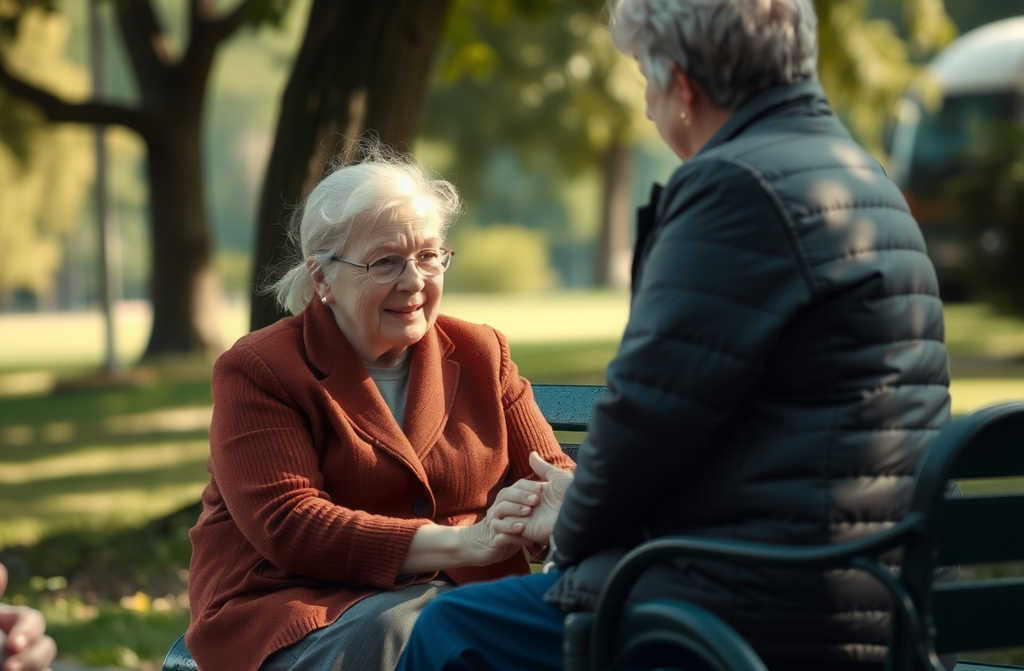
Yesterday, I found myself sitting on a park bench with my neighbour, Mrs. Clark. She was in tears. She kept saying how awful it felt, the thought of ending up in a care home. To just give up like that. And all because of something her daughter had said.
Shed brought up her daughter, Emily, on her own. Widowhood hit early, so all the responsibility fell to her. Emily ended up wilful and spoilt, from always getting her way.
Since she was a little girl, her mother did everything for her. Mrs. Clark gave up every spare penny to buy Emily whatever she wanted. She would dress her up like a doll. And just to keep this up, and to get by, Mrs. Clark worked round the clockdouble shifts some weeks in the local biscuit factory. Luckily, back then, she didnt have to fret over housing. Through the factory scheme, she was given a flat. Times have changed, though. No one hands out flats anymore. Now, if you want a place of your own, you have to graft for it and scrape together every bit you can.
Emily grew up, went to university, and eventually married.
Her husbands parents owned a big house out in Kent, but neither Emily nor her husband fancied living there.
Mrs. Clark still had her flat, but she couldnt get along with her son-in-law. And to be fair, young people dont want to live with their parents. They want to set their own rules, while the older generation prefers sticking to theirs. Why make life awkward for everyone?
Especially now you can get a mortgage. You just save up for the deposit, and then gradually pay it off. Much better than traipsing from rental to rental forever.
They used to give out council flats, but those days are long gone. Now, its down to putting in the hard work, even if it isnt easy.
Emily and her husband are both working, earning a decent wage. Loads of their mates have managed to buy their own places.
But still, saving seems impossible for them. First there was one pregnancy, then another. Money disappears on nappies and formula. Young parents today dont want the bother of washing cloth nappies or cooking meals from scratch.
Its so much easier just to use disposable nappiesput one on, take it off, chuck it away, and job done. No mess, no fuss. Thats progress, I suppose.
But why rush into having children?
They couldve got themselves sorted first, got a flat. Then enjoyed a bit of freedom before starting a family. No, they tore straight into itone child after the next.
Emily wants a big family. She and her husband are both only children.
Maybe theres sense in that. Later in life, siblings keep each other company. They can help their parents, too. Theres less chance of anyone being spoiled.
Well, children do bring joy. But somehow, even people with kids can become dismissive of them. Its not for me to say if its right or wrong.
Its just odd to me, how they dont see home ownership as their own concern. Back in my day, if you didnt own a place, you did withoutwore that old winter coat for years, and squirrelled away every spare pound for a deposit. Thats what we did. But young people now are different. They want everything, arent used to skimping or sacrificing for their dreams.
Takeaways are a regular thing for them. The kids are spoiled with sweetsmoney wasted if you ask me. You should see the mountain of toys at theirs. We got by with a handful of toy cars or a teddy bear. These days, theres a new collection or series out every week.
And the parents race out to buy more.
Emily, like many these days, loves her designer makeup and branded clothes. They live as though their purse has no bottom. Why buy so much, if she barely has the chance to wear it? New styles arrive, and shes off for another top or jacket, ditching the old ones. All that money gone.
Every summer, they dash off to Spain for holiday. The children need sea air, and we need a break, they say.
Its all well and good, but why not slow down and have a little holiday in Devon or the Lake District, and save the extra cash?
With what theyve spent on trips abroad, they could have had the deposit for a modest flat by now. But they race round, spending as they go, without a place to call their own.
So now, Mrs. Clark is sat there in tears.
Emily came by for a visit, and as usual the flat came up. And Emily said theres no need to buy a place, theyre perfectly happy renting. They enjoy their lives, eat out, buy what they want. In the end, she said, the flat will come to themtheyre the only children of their parents.
Mrs. Clark took that badly. She said it sounds as if theyre just waiting for her to die so they can inherit. Emily apologised, said she didnt mean it that way. But the words are out, and no amount of sorry undoes that.
I suppose Emily is right in a sense, but she put it poorly. The whole thing just left a sour taste.
Now, whenever the phone rings and Emily asks how shes doing, Mrs. Clark gets herself worked up, convinced theyre just biding their time until she packs her bags for the care homeor worse.
Today, after all this, I learnt something: kindness in words matters as much as kindness in deeds. Sometimes, you can do everything for someone, and it still doesnt turn out as you hoped. But how we say things, and the care we take with each others feelings, are what last long after the moment is gone.

A Wolf Came Into the Yard but Couldn’t Eat. The Woman Looked Closely at His Neck and Gasped: “Who Could Have Done This to You?”
The wolf started showing up in the garden, unable to eat anything. My wife noticed something strange about his neck...
“We’ve shared the same roof for forty years, and now at sixty-three you suddenly want to change your whole life?”
June 24th Four decades under the same roof, and nowat sixty-threeyou decide its time to upend everything? I keep mulling...


“I don’t want a daughter-in-law anymore, so do whatever you want!” – the mother told her son.
14th June Today, Ive spent most of my time lost in memories, turning over the choices Ive made and the...


An Old Fairy Tale in a Fresh New Light – A Day Filled with Happiness
Id always thought of him as the golden boyCharles, with his inherited flat in Chelsea, his shiny new car, all...


Why Take Out a Mortgage When You Could Already Own a Flat?
Yesterday, I found myself sitting on a park bench with my neighbour, Mrs. Clark. She was in tears. She kept...


I’m Homeless: My Ex’s New Man Is Living in My Place
When I was born, my father left us. My mum brought me up on her own. Looking back now, I...


After My Mother Passed Away, My Brother and Aunt Wasted No Time in Asking Me to Leave Home—At First I Thought It Was Understandable, But Everything Changed When My Brother’s Wife Made Hurtful Comments. Determined to Stand Up for Myself, I Decided to Teach Them a Lesson.
Gazing out of my window long ago, I remember seeing a mother strolling along, speaking lovingly with her daughter in...


A 42-Year-Old Friend of Mine Has Found Himself a Wife: He Boasts She’s a Superb Housekeeper and an Exceptional Cook—and Says Nothing Else Matters to Him
Ive known Adam since we were kids, growing up in the same neighbourhood in Manchester. Naturally, we became mates. When...