
З життя
Пенсія дарує Дар’ї задоволення: обов’язкові витрати та невеличкий сюрприз – пакетик кави в зернах.

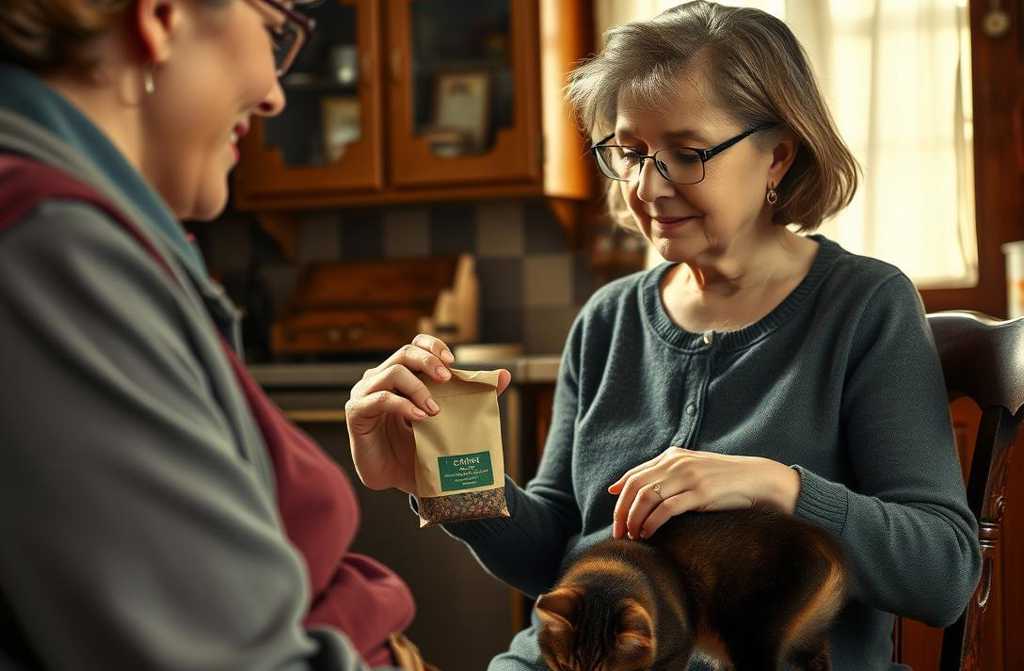
З пенсії Одарка Іванівна, крім обов’язкових комунальних платежів і купівлі продуктів на оптовому продажі, дозволяла собі невеликий подарунок – пакетик кави в зернах.
Зерна вже були обсмажені, і коли вона зрізала куточок пакетика, вони видавали незрівнянний аромат. Вдихати потрібно було обов’язково із закритими очима, позбавившись усіх відчуттів, крім нюху, і тоді траплялося диво! Разом з чудовим запахом у тіло ніби вливалась сила, в пам’яті спливали дівочі мрії про далекий світ, марився океанський прибій, шум тропічної зливи, загадкові шорохи в густих джунглях і дикі крики мавп, що гойдаються на ліанах…
Нічого цього вона ніколи не бачила, але розповіді тата, що постійно зникав у дослідницьких експедиціях у Південній Америці, вона добре пам’ятала. Коли він був удома, полюбляв оповідати Даринці про пригоди в долині Амазонки, сьорбаючи міцну каву, і її запах тепер завжди нагадував їй про нього – сухощавого, жилавого, засмаглого мандрівника.
Що батьки були не рідні, вона завжди знала. Вона пам’ятала, як на початку війни її, трирічну дівчинку, що втратила рідних, взяла до себе жінка, яка стала їй мамою на все життя. Далі – як у всіх: школа, навчання, праця, шлюб, народження сина, і ось підсумок – самотність. Син ще двадцять років тому, погодившись з умовляннями дружини, обрав місцем проживання іншу країну і щасливо жив із сім’єю в місті Хайфа. За весь цей час відвідав рідне місто тільки раз. Дзвонилися, син щомісяця надсилав їй гроші, але вона їх не витрачала – відкладала на спеціально відкритий рахунок. За двадцять років назбиралася значна сума, вона повернеться синові. Потім…
Останнім часом її не покидала думка, що прожила хороше життя, повне турботи й любові, але чуже. Якби не війна, була б у неї зовсім інша сім’я, інші батьки, інший рідний дім. Отже, і доля була б іншою. Своїх рідних батьків вона майже не пам’ятала, але часто згадувала дівчинку-однолітку, яка завжди була поруч у ті майже дитячі роки. Марусею її звали. Так і чуються іноді оклики: «Марусю, Дарусю!» Ким вона їй доводилася? Подружкою, сестрою?
Роздуми перервав короткий сигнал мобільного телефону. Вона глянула на екран – пенсія прийшла на картку! Оце добре, в сам раз! Можна прогулятися в магазин, прикупити кави – останню зварила вчора зранку. Обережно перестукуючи тростиною по тротуару, обминаючи осінні калюжі, вона підійшла до входу в магазин.
При вході притулилася сіренька, смугаста кішечка, насторожено розглядаючи то перехожих, то скляні двері. Жалощі ворухнулися в серці: «Замерзла, бідолашка, та й голодна, мабуть. Взяла б тебе додому, та тільки… Кому ти потрібна будеш після мене? А мені залишилось… Сьогодні, може, завтра». Але, шкодуючи нещасну, прикупила їй недорогий пакетик корму.
Вона акуратно вичавлювала желейну масу в поліетиленовий лоток, кішка терпляче чекала і дивилася на благодійницю закоханими очима. Розчинилися двері магазину, і на ґанок вийшла повновида жінка, вираз обличчя якої не віщував нічого доброго. Без зайвих слів вона відштовхнула ногою лоток так, що желейні шматочки розлетілися по тротуару:
– Кажеш їм, кажеш – ніякого толку! – гримнула вона. – Нема чого їх тут прикормлювати! – і, розізлившись, неквапом пішла геть.
Кішка, насторожено озираючись, взялася підбирати шматочки їжі з тротуару, а Одарка Іванівна, задихнувшись від обурення, відчула перший укол наближення приступу. Вона поспішила до автобусної зупинки – лише там були лавочки. Сівши на одну з них, вона гарячково шарила по кишенях, в надії знайти таблетки, але марно.
А біль безжально накочувався хвилями, голову ніби стискали в лещата, в очах темніло, з грудей виривався стогін. Хтось торкнувся її плеча. Вона насилу відкрила очі – молода дівчина налякано дивилася на неї:
– Вам погано, бабусю? Як вам допомогти?
– Тут, у пакеті. – Одарка Іванівна ледь ворухнула рукою. – Там упаковка кави. Дістань та розпакуй.
Вона припала до упаковки, вдихнула аромат обсмажених зерен раз, другий. Біль не минув, але ослабла.
– Дякую, дівчинко. – Ледь промовила Одарка Іванівна.
– Мене Поліною звати, а дякуйте кішці. – Усміхнулася дівчина. – Був поряд з вами і так голосно нявчав!
– І тобі дякую, моя хороша. – Одарка Іванівна погладила кішку, яка сиділа тут же, на лавці з нею. Та сама, смугаста.
– Що з вами трапилоcя? – співчутливо цікавилася дівчина.
– Приступ, дівчинко, мігрень. – Зізналася Одарка Іванівна. – Перенервувала, буває…
– Я проведу вас до дому, самій вам важко буде дійти…
– … У моєї бабусі теж бувають приступи мігрені. – Розповідала Поліна, коли вони пили слабеньку каву з молоком і печивом у квартирі Одарки Іванівни. – Взагалі-то, вона мені прабабуся, але я її називаю «бабуся». Вона живе в селищі разом з моєю бабусею, мамою і татом. А я навчаюся тут, у медичному училищі, на фельдшера. Бабуся, як і ви, мене дівчинкою називає. І ще ви так на неї схожі, що я спочатку подумала, що ви – це вона! А ви не пробували шукати своїх родичів, тих, справжніх?
– Полінко, дівчинко, як їх знайти? Адже я їх майже і не пам’ятаю. Ні прізвища свого, ні звідки я родом. – Розповідала Одарка Іванівна, погладжуючи кішку, яка пригрілася на колінах. – Пам’ятаю – бомбардування, коли ми їхали на возі, потім танки…
А я бігла, бігла так, що себе не пам’ятала! Страх! На все життя страх! Потім мене жінка підібрала, я її все життя мамою називала, і зараз вона для мене мама. Після війни прийшов її чоловік і став мені найкращим батьком у світі! Зі свого у мене залишилося тільки ім’я. А родина моя, правдоподібно, загинула там, під бомбами. І мама, і Марусечка…
Вона не помітила, як Поліна здригнулася після цих слів і глянула на неї великими, блакитними очима:
– Одарка Іванівна, а у вас є родимка на правому плечі, на листочок схожа?
Від несподіванки господиня поперхнулася кавою, а кішка уважно на неї подивилася.
– Звідки це тобі відомо, дівчинко?
– У бабусі така ж. – Тихо промовила Поліна. – Її звуть Марією. Вона досі не може стримати сліз, коли згадує свою сестру-близнючку, Дарусю. Вона зникла під час бомбардування при евакуації. Коли фашисти дорогу перекрили, довелося повернутися додому, там і пережили окупацію. А Даруся зникла. Так і не знайшли, скільки не шукали…
Зранку Одарка Іванівна не знаходила собі місця. Вона ходила від вікна до дверей, чекаючи гостей. Сіра, смугаста кішка не відходила від неї ні на крок, з тривогою вдивляючись у її обличчя.
– Не хвилюйся, Марусю, зі мною все гаразд, – заспокоювала господиня кішку. – Тільки серце калатає…
Нарешті пролунала дзвінок у двері. Одарка Іванівна з хвилюванням відчинила двері.
Дві літні жінки, застигнувши, мовчки дивилися одна на одну очима, повними надії. Наче в дзеркалі бачили вони голубизну очей, що не втратила кольору, сиві кучері волосся і сумні зморшки в куточках губ.
Нарешті гостя з полегшенням видихнула, усміхнулася, підійшла вперед і обняла господиню:
– Здрастуй, Дарусю!
А на порозі, витираючи сльози щастя, стояли рідні люди…

My Thirty-Year-Old Son Arrived Home at Eight O’Clock in the Evening, Dragging Two Suitcases Along the Pavement as If Returning from a Very Long Journey
My thirty-year-old son arrived home at eight oclock in the evening, dragging two suitcases along the pavement as if returning...


She Pretended to Be an Orphan to Marry Into Wealth and Hired Me as a Nanny for My Own Grandchild—Is …
She said she was an orphan just to marry into a wealthy familyand then hired me as the nanny for...
The Family Thought Their Perfect Home Life Was Just Routine—Until Mum Went on Holiday for a Month
The family thought their smoothly running household was nothing more than the natural order of thingsat least, until Mum jetted...


My Wife Left Me for Another Man After Five Years of Marriage—At First I Wanted to Play the Victim, But Eventually I Realized I Wasn’t the Best Husband Either. We Didn’t Have Children. We Married Quickly After Almost Two Years Together. In the Beginning, Everything Felt Wonderful—Plans, Nights Out, Promises—But Routine Slowly Ate Away at Us Without Me Even Realizing It.
My wife left me for another bloke after five years of marriage, and though at first I was quite keen...


A Gift to Herself
A GIFT TO HERSELF Helen Smith an attractive, blue-eyed brunette in her early fifties, curvy yet with an elegance that...


Dad, do you remember Mrs. Nadine Martin? It’s late today, but come see me tomorrow—I’ll introduce yo…
Dad, do you remember Margaret Beecham? Its late today, but come over tomorrow. Ill introduce you to my little brotheryour...


When I Came Home, the Door Was Wide Open—My First Thought Was a Break-In. “They Must Have Hoped I Ke…
When I returned home that afternoon, I saw the front door wide open. My heart skipped a beat who couldve...


I’m 50 Years Old and Have Lived with My Parents Ever Since I Became Pregnant—Now My Son Is 20
Im 50 now and I still live with my parents, ever since I fell pregnant all those years ago. My...