
EN
She had this coming.

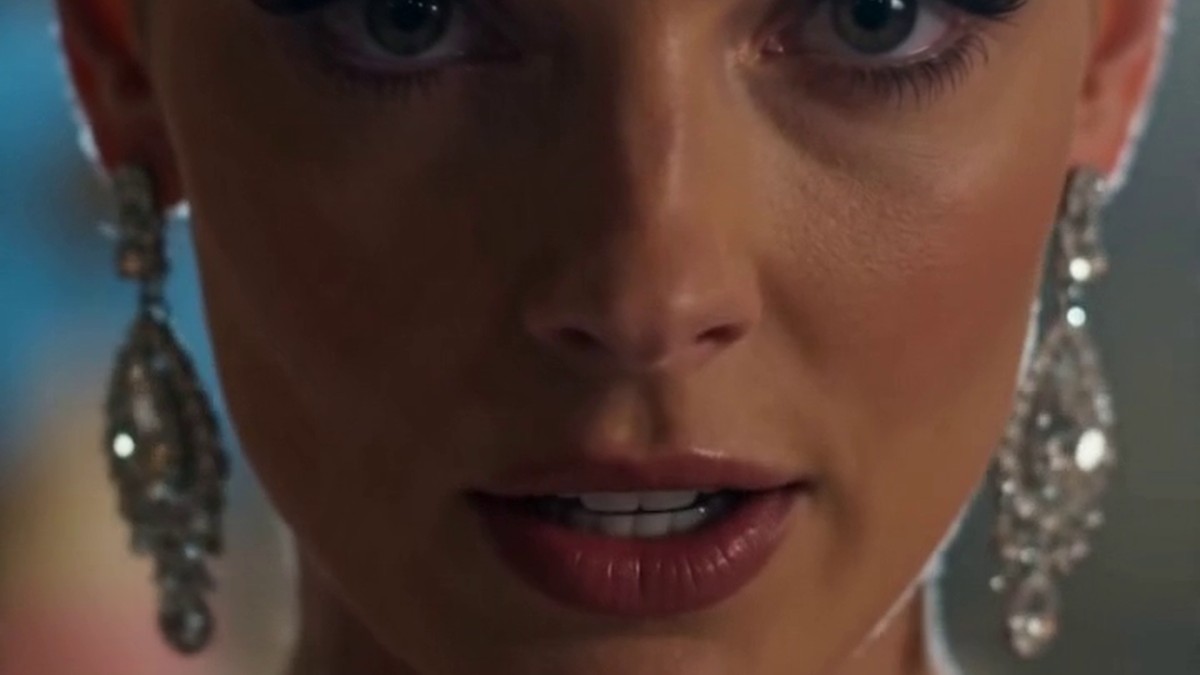
The blonde woman's laughter cut through the gilded room like a blade — sharp, triumphant, ugly. She stood tall with a champagne flute raised in one manicured hand, drinking in the spectacle before her: her rival, draped in a burnt-orange gown, buried under a mountain of white cake frosting.
The crowd erupted. They saw dominance. They saw someone finally broken.
Nobody looked at the floor.
There, half-submerged in the sugary wreckage, sat a small black digital recorder. Its red light pulsed — slow, steady, patient. A tiny heartbeat in the chaos.
It was catching every single word.
The woman in orange didn't crumble. She didn't flinch. She crouched down in that ruined dress with the precision of someone who had been waiting for exactly this moment, and she lifted the device from the mess.
She rose.
Her eyes weren't the eyes of someone who'd lost.
"You picked the wrong stage," she said quietly. Just loud enough.
The laughter stopped like a switch had been thrown.
The blood drained from the blonde woman's face — all the way down, until she matched the white frosting smeared across her enemy's chest. The champagne flute slipped through fingers that had gone suddenly numb. Crystal exploded against marble.
That shatter was the only sound left in the room.
Because everyone understood now. The bribe. The whispered confession. The rot hiding underneath all that power and perfume — it lived inside that blinking little box.
Every syllable. Preserved.
The silence lasted exactly three seconds.
Then the murmuring began — low at first, spreading outward through the crowd like a crack through ice, unstoppable once it started. Heads turned. Phones came out. Someone near the back of the room took a step toward the door, then stopped, unsure whether leaving made them look guilty too.
The blonde woman — Diane Casterton, chairwoman, benefactress, the woman whose name was on half the plaques in this building — found her voice somewhere beneath the panic.
"That's — that's nothing. You don't know what's on there."
"I know exactly what's on there." The woman in orange — Mara — pressed the stop button. The red light died. "So does the man you paid to kill my audit."
Gasps. Real ones. The kind that come from bodies, not performance.
Diane laughed again, but this time it cost her something. It came out wrong. Too high. Too fast. "You're hysterical. Look at yourself. You're covered in cake at a charity gala and you're making *accusations*—"
"I'm not making them." Mara tilted the recorder slightly. A gesture so controlled it was almost gentle. "He already did. Your words confirming it came after."
A man near the champagne table — silver-haired, square-jawed, the kind of face that appears in annual reports — went visibly rigid. Gerald Holt. Deputy director. The man whose voice was presumably also on that recording.
He had been laughing the loudest, moments ago.
He was not laughing now.
Mara watched him. She had always had a talent for that — for letting a person feel the weight of being seen. She didn't raise her voice. Didn't need to. The room had gone cathedral-quiet, and every word landed clean.
"Gerald, you might want to call your attorney." A pause. "Before she calls hers."
He moved toward the exit. Two steps. Then a young woman in a hotel security blazer materialized at the door — not by accident, Mara noted. She had made a call before she walked into this party. She had made several calls. The recorder was evidence, but evidence needed a chain of custody, and Mara understood chains.
Gerald stopped.
Diane looked at him the way a person looks at a life raft that has just caught fire.
"This isn't over," Diane said. She had pulled herself together — or tried to. The composure was back on her face like a mask she'd jammed sideways in the dark. "Whatever you think you have, I have lawyers who have eaten better people than you for breakfast—"
"You do," Mara agreed. "And they're very good. I've read their work." She stepped closer. One step. Just enough. "But here's the thing about very good lawyers, Diane. They require very good clients. Clients who haven't already said the wrong thing on a recording while believing they were untouchable."
The mask slipped.
Underneath it was something Mara had never seen on Diane Casterton's face before.
Fear. Pure, undisguised, animal fear.
And still — even now — there was something almost sad about it. Mara had expected to feel triumph. She had imagined this moment, in the abstract, during three years of closed doors and redirected funding and projects quietly strangled before they could breathe. She had imagined it tasting like victory.
It tasted like nothing.
It tasted like work.
"You did this to yourself," Mara said. Quietly. Not cruelty — just fact. "All I did was put a recorder in a room."
She turned to the crowd.
They were watching her the way people watch an accident — compelled, uncertain, ashamed of how long they'd been looking the other way. She recognized half these faces. She had sent reports to some of them. Requests. Flagged irregularities in memos that had been shuffled into the bottom of someone's inbox and left to fossilize.
"The foundation's books go public Monday," she said. Not to Diane. To all of them. "If anyone here has questions about what they'll find, I'm available."
She walked toward the exit.
The frosting was cold against her skin. Her heels left small white prints on the marble floor — a trail of her own humiliation, walked back out with her spine straight and her hand steady. Behind her, she heard Diane's voice fracture into something desperate and high, heard Gerald Holt begin speaking in the clipped syllables of a man trying to construct a story on the spot, heard the crowd begin doing what crowds do: choosing sides, quickly, based entirely on who now looked powerful.
The door opened.
The night air hit her face — cool, indifferent, clean.
She stood on the top step and breathed.
Below her, the city moved the way it always moved: oblivious, enormous, unstopped. Taxis. Rain-slicked asphalt. A couple arguing quietly under a green awning across the street. A kid on a bike threading traffic with the arrogance of someone who has not yet learned what it costs to be reckless.
Mara reached into the small clutch still somehow hanging from her wrist and took out her phone. She opened a message thread and typed four words.
*It's done. Send everything.*
The reply was instantaneous.
*Already uploading. You okay?*
She looked down at her dress. The burnt orange beneath the white. The way the colors had merged into something almost abstract — violent, accidental, irreversible.
She thought about the three years. The documentation she had compiled in hotel rooms and borrowed offices, on her own time, on her own dime, because no one with institutional power had been willing to touch it. She thought about the colleagues who had told her to let it go. The ones who had said: *you're smart, you could go somewhere else, why are you making yourself the problem?*
She thought about the moment she'd set that recorder in the centerpiece — three dozen white roses, a ribbon the color of money, and a small black device tucked carefully behind the stems while the caterers arranged name cards.
She had dressed for a funeral and arrived early.
*I'm fine,* she typed back.
She wasn't entirely. But she would be. That was a different kind of fact.
Somewhere behind the gilded doors, crystal was being swept up off the floor. Someone was on a phone. Someone else was crying — she was almost certain it wasn't Diane. Diane would not cry tonight. Diane would call her lawyers and her board allies and she would fight the way people fight when they believe the rules were made to protect them specifically, and she would lose anyway, because the recording was real and the documents were real and Mara had been very, very careful.
The car she'd pre-ordered pulled up to the curb.
She went down the steps.
The driver glanced at her in the rearview mirror — the frosting, the ruined gown — and said nothing, which was its own kind of grace.
She got in.
The door closed behind her.
The gala's lights grew smaller in the rear window, then disappeared as they turned the corner, and Mara leaned her head back against the seat and stared at the ceiling of the car and let herself feel, finally, what she had not allowed herself to feel inside: the low, persistent ache of knowing that being right costs exactly as much as being wrong. That justice doesn't look the way you imagined. That winning a fight you should never have had to fight doesn't mean you get the years back.
But the red light had pulsed. Patient, steady, faithful.
And now everyone knew.
That was enough.
That was, finally, enough.



A hűséges kutya titka – Mire bukkant Fehér Zsófia a nyíregyházi sírkertben
A nyíregyházi köztemető ősszel reggelente ezüstös párába burkolózik, és Fehér Zsófia már messziről ismerte az utat a 14-es parcellához: harmadik...


Most, který se stal čtvrtí
Jmenuju se Jarmila Brabcová, jezdím po Jizeře na výletní loď už devatenáct let, a tahle trasa mezi Turnovem a Malou...


Aaron Pap és a hatezer eurós szívességem
Pap Áron és az örökség, amiről senki sem beszélt Nem akartam ott lenni azon az estén, de valahogy mindig én...


בת מהנדס, בלי בעל, ובלי שום בושה
הניילונים מהפארם של רמת-גן עדיין היו על השידה כשאמא שלי פתחה את דלת החדר בבי"ח "איכילוב" ועצרה במקום, כאילו מישהו...


Dopis, který jsem nestihla napsat včas
Mami, nemám pro to žádné hezké ani správné slovo. Jen vím, že mi po tobě chybí – a ta bolest...


Myčka na Rokycanské
Jarmila Dvořáková si otírala ruce o zástěru a dívala se přes sklo mycího boxu, jak její zeť Radek zapojuje nový...


De beton van Han Feenstra
Ik ben al negenentwintig jaar huismeester van een flat aan de Van Oldenbarneveltlaan in Zoetermeer. Loodgieter van opleiding, maar in...


Aaronas sakė: „Mama tave mėgsta, tik dar nepažįsta.
Nuo ketvirto aukšto laiptinės, kur stoviu su šluota rankoje, girdžiu beveik visą pokalbį per ventiliacijos groteles – akustika šiame name...