
З життя
‘I Need a Very Old Dog,’ the Woman Begged at the ShelterThe shelter worker nodded slowly, leading her past the young, eager puppies to a quiet corner where a gray-muzzled dog lay sleeping in the afternoon sun.

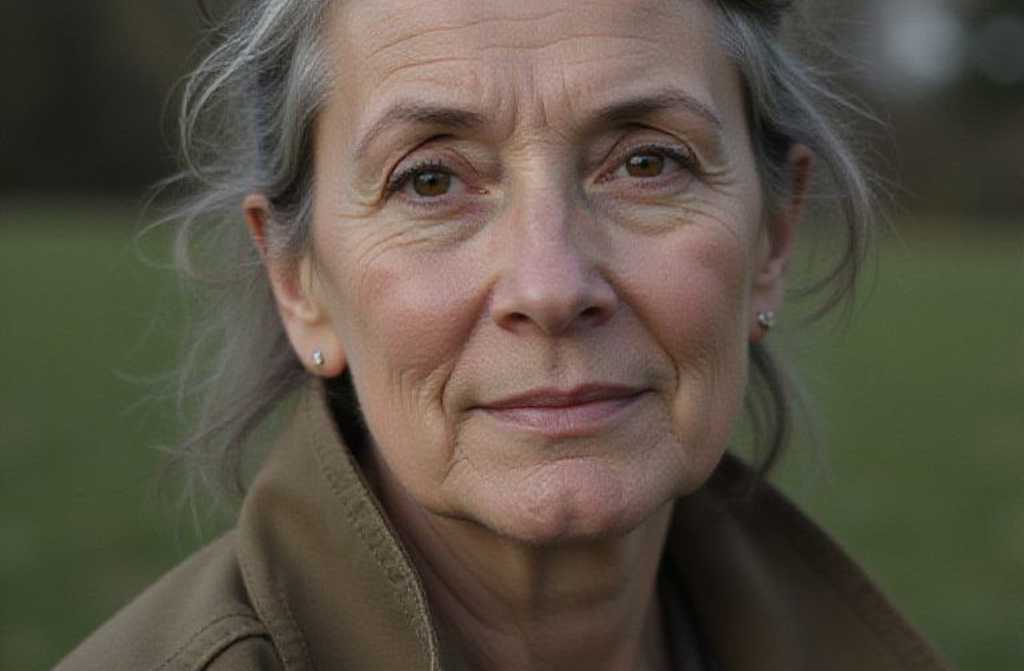
I looked up from the sign-in book and stared at the visitor. In three years at the Haven shelter I’d heard every kind of request. People asked for puppies, for lapdogs, for “non-shedders” and “good with kids.” One man wanted a dog with “sad eyes for a photo shoot.” But this? This was a first.
“I need the oldest dog you have,” the woman said.
“How old exactly?” I asked carefully.
“The oldest. Ten, twelve years. The older the better.”
She stood at the counter holding a canvas tote. Short, thin, maybe sixty-two or three. Hair pulled back in a tight bun, one strand loose. Feet in worn trainers with ground-in mud. A faded khaki jacket, bleached at the seams. Her face was calm—no smile, no tension. The kind of face that knows exactly why it’s here.
“Wait a moment, I’ll check with Marina,” I said and went into the back.
Marina was slicing bread for the evening feed. The knife hit the board steady as a metronome. Next to it sat a pot of cold porridge and a stack of metal bowls.
“There’s a woman outside. She wants the oldest dog.”
Marina stopped the knife.
“The oldest?”
“Yes. Says the older the better.”
“Odd. Bring her in.”
The woman’s name was Lydia Carpenter. She sat in Marina’s office, put the bag on her knees and clasped her hands. They were dry, sinewy, with short nails and little cracks on the knuckles. The hands of someone who does a lot of washing, scrubbing, digging, tending.
“Mrs Carpenter, you understand that old dogs need special care?” Marina spoke gently, but her voice held caution. “Vet bills, special food, chronic problems. Joints, kidneys, heart. It’s not easy and it’s not cheap.”
“I understand.”
“Do you have experience with animals?”
“Yes.”
“Tell me, if you don’t mind.”
Lydia was quiet. She looked out the window at the row of kennels and a stretch of fence with peeling green paint. Somewhere beyond the kennels the motorway hummed.
“I have Duke at home now. He’s fourteen. A lab mix with something shaggy. I took him from a shelter in Derby two years ago. They were going to put him down because of arthritis in his back legs and no one wanted him. Before Duke there was Titch, a mixed breed, blind in both eyes. Advanced cataracts. I took him when he was eleven. He lived with me eighteen months. Before Titch there was Nelly, an old shepherd with hip dysplasia. Nelly stayed eight months.”
She listed them calmly, without drama, like reading a shopping list. But each name she pronounced a little slower than the rest, as if letting each one stay present a second longer.
Marina put down her pen and took off her glasses.
“So you deliberately take elderly dogs?”
“Yes.”
“May I ask why?”
Lydia looked straight at her. Grey eyes, calm, without challenge or explanation.
“Because no one else will take them. Everyone wants puppies. Or young ones, up to three at most. But an old dog sits in a kennel and waits. And she doesn’t understand why. She loved someone all her life, slept at their feet, greeted them at the door. Then she ended up here. Owner died, or moved, or simply decided enough. And she might have a year or two left. I don’t want that year spent on concrete.”
The room fell silent. I could hear a dog barking somewhere behind the wall—low, steady, not angry. Just lonely.
“Come,” said Marina, standing. “I’ll show you someone.”
The kennels stood in two rows under corrugated roofs. The air smelled of dog, feed, and bleach from the morning wash. Puddles squelched underfoot—it had rained overnight and water collected in the wheel ruts from the cart used for hauling food.
The dogs reacted differently. The young ones rushed to the mesh, whined, jumped, pushed their noses through the gaps. One lean male with a docked tail stood silently hitting his front paw against the metal, regular and insistent, as if knocking on a closed door.
Lydia walked and looked. She didn’t stop at the young ones. Didn’t slow down.
Marina stopped at the second-last kennel.
“This is Dolly. She’s thirteen. Brought in a month ago. Owner died, daughter said, ‘We don’t want her, child has allergies.’ Left her in the shelter hallway in a cardboard TV box.”
Dolly lay in the far corner on a piece of cardboard. Big, reddish-brown, with drooping jowls and cloudy eyes. Floppy ears with rusty patches. Her muzzle was grey—all of it, from nose to forehead, as if dusted with flour. Her back legs stretched out awkwardly, and you could see it took effort to get up. Next to her sat a bowl of untouched water.
Lydia went to the mesh and crouched.
“Dolly.”
The dog lifted her head. She didn’t rise. Just lifted it and looked. Eyes wet, tired, with reddish whites. Her tail moved once, heavily, with effort, then stopped.
“She has kidney problems,” Marina said quietly. “And cardiomyopathy. The vet says a year, maybe eighteen months. And that’s with good care and constant medication.”
Lydia didn’t turn. She looked at Dolly, and Dolly looked at her. Then the dog slowly, with obvious effort, got up on her front legs, pulled her back legs underneath and took three steps to the mesh. She pushed her nose into the bars. It was warm and dry.
Lydia slid her fingers through the bars and stroked Dolly’s muzzle, from nose to forehead, slowly, the way you stroke a sleeping child. The dog closed her eyes.
“I’ll take her,” Lydia said.
The paperwork took half an hour. I filled forms, stamped them, and glanced out the window at Lydia sitting on a bench in the yard, holding Dolly on a lead. The dog pressed against her leg and didn’t move. Only her nose moved—sniffing the knee, the jacket hem, the laces, the fingers resting on her back.
“Marina,” I whispered. “Is she all right? I mean, that woman?”
Marina came to the window and looked.
“She’s all right, Katie. More than all right.”
“But why old dogs? They… they die soon. It always hurts. You get attached, and then it’s over.”
Marina was quiet. She crossed her arms. Then she said, without taking her eyes off the yard:
“You know, I’ve worked at the shelter twenty years. Seen hundreds of people. They come, they choose, they take. Half call back in a month: ‘Take it back, it chews furniture.’ Or ‘We’re moving, can’t take it.’ Or they just stop answering the phone. But that woman—she doesn’t choose. She takes the ones everyone’s abandoned. The ones nobody even looks at. That, Katie, is something else.”
I looked down. Signed the last page, stamped the date, and went outside.
“Mrs Carpenter, all ready. Here’s a reminder for Dolly’s medicine. The vet wrote the schedule. Kidney tablets morning and evening with food. Heart once a day on an empty stomach. And a follow-up in two weeks, with our vet or your own.”
Lydia took the papers, folded them neatly into fourths and put them in her bag. She pulled out an old collar—wide, soft, made of worn canvas, with a heavy buckle. She switched it onto Dolly.
“This will be more comfortable for her. Doesn’t press on the neck. I buy these for all of mine.”
I watched them leave. Lydia walked slowly, matching the dog’s short shuffling step. Dolly hobbled beside her, favouring her left hind leg. At the gate Lydia stopped, bent down and adjusted the collar. Then she said something to Dolly quietly, with her lips only, so I couldn’t hear. Dolly lifted her grey muzzle and licked her hand.
They went out the gate and turned right towards the bus stop.
A month later Marina got a message. A photo: Dolly lying on a thick checked blanket, legs stretched out. Next to her a bowl of water and an old stuffed duck missing one eye. Her muzzle still grey, but her eyes were clearer. Brighter. Without the cloudiness from the kennel. In the photo the tail was blurred. Wagging, obviously.
Under the photo: “Dolly has settled in. First week she was scared, hugged the wall. Then she climbed onto my bed in the middle of the night and has slept there ever since, even though I put a bed for her downstairs. She loves having her right ear scratched. Won’t let me touch her left—it hurts, I think. Kidneys are stable, vet is happy. Duke has got used to her, no jealousy. They lie together on the balcony when the sun’s out. Thank you.”
Marina read it. Then read it again. Put her phone down, leaned back in her chair and stared at the ceiling, where a brown water stain from an old leak spread.
On her desk lay a list of dogs to transfer to another building. Twenty-three names. Ages two to five. Young, strong, good chances. Each with its own story, its own hope.
And at the very bottom, handwritten in pencil, was Baron. Fourteen years old, male, crossbreed, brought from a flat after his owner died. Deaf in his left ear. Moves slowly. Eats little. Under “visitor interest”—dash.
Marina picked up her phone and typed: “Lydia, we’ve got Baron. 14 years old. Quiet, calm. Let me know if you’re ready.”
The reply came four minutes later. Not an hour, not a day. Four minutes: “I’ll come Saturday. I’ll prepare a spot.”
Marina smiled. Put the phone in her coat pocket.
Behind the wall Baron barked dully. Not at anyone. Just into the emptiness, the way old dogs bark when they’re dreaming. Something from the past, from when a home was still a home, not a memory.
Lydia came on Saturday as she’d said. Entered the shelter at exactly ten in the morning, in the same trainers, the same bag. The same calm expression on her face.
I met her at the entrance. I wanted to say something, but instead I just nodded and led her to the third kennel.
On the way I couldn’t stop myself.
“Mrs Carpenter, can I ask you something?”
“Go ahead.”
“Isn’t it hard? When they… go?”
Lydia kept walking. The trainers squelched through the familiar puddles.
“It’s hard.”
“And you still take new ones?”
“Still do.”
I was quiet. Then softly:
“Why?”
Lydia stopped. Turned to me and looked straight, without offence, without drama.
“When Nelly died, she lay on my lap on a clean sheet, and I stroked her head all night. All night. She could have died here, in a kennel, on cardboard. Alone. It was hard for me afterwards. It’s still hard when I remember. But for her? No. She was at peace. I saw it in her eyes, in her breathing, in the way she relaxed her paws. It’s not about me, Katie. It’s about them.”
I turned away and quickly rubbed my eyes with the back of my hand. Then I said, in my usual work voice: “Come. Baron’s waiting.”
Baron lay in the corner of the kennel, dark, heavy, with a sagging belly and a grey beard on his lower jaw. When he saw people he didn’t get up. He lifted one ear, the good right one, and looked. With that expression old dogs have when they no longer expect anything but still notice.
Lydia crouched at the mesh. She pulled a piece of chicken from her bag, wrapped in a napkin. Reached it through the bars.
Baron sniffed. Took it gently with soft lips, as if taking something fragile. Chewed slowly.
Lydia stroked his forehead. Coarse hair, warm skin, old growths above the brows.
“Well then,” she said quietly. “Let’s go home.”
—
**Personal Lesson:** That day I learned that kindness isn’t about choosing what’s easy. It’s about giving a home to the ones who have none left, even when it breaks your heart. Lydia taught me that the hardest goodbyes aren’t the ones we avoid—they’re the ones we make soft.



A jászberényi diófa, amelyik hatszázezer forintot ért meg egy családnak
A jászberényi diófa, amelyik örökre megmentett egy udvart Negyedik éve dolgozom a jászberényi piacon zöldséges standnál, pont szemben azzal a...


Žentas, kuris liko: Birutės akys devynerius metus
Mane vadina nedėkingu žentu. Taip sako uošvienės draugės prie bažnyčios Pasvalyje, kai aš parvežu ją iš poliklinikos ir padedu išlipti...


האלמנה מרחוב הדקלים
היה סוף אוקטובר, בבאר שבע עוד נשבה החמסין המאוחר שחודר דרך כל בד, לא משנה מה לובשים מתחתיו. אני לבשתי...


Свекървата ми изхвърли дрехите, а мъжът ми мълчеше
Стоях във всекидневната с разкъсан найлонов плик до краката и гледах празния рафт в гардероба. — Къде е ризата ми...


Dvě stě padesát hodin, matko
Tereza seděla v kuchyni na sídlišti Lesná v Brně, byla půl čtvrté ráno, a za oknem svítila jediná rozsvícená lampa...


Konvice, co nikdy nevystydla
Jmenuji se Radka Bartošová, bydlím na sídlišti v Pardubicích, ve stejném paneláku už osmadvacet let, a naproti přes chodbu, ve...


מאה חמישים מטר על מגרש הכדורגל של בית הספר בעפולה
אני עובדת בבית הספר התיכון כבר שתים עשרה שנה, מזכירה במשרד המנהלת, ורואה הרבה דברים שהורים לא רואים. אבל את...


Il quaderno di ricette di mia suocera
Mi chiamo Massimo, ho quarantatré anni e faccio il ragioniere a Bergamo. Per dodici anni ho vissuto nella stessa palazzina...