
З життя
“What do you mean we’re not the heirs? There’s no other family!” – the daughter exclaimed, waving her arms, until she laid eyes on the official document… But this story began long before the day the notarised papers turned up in Dorothy’s flat.

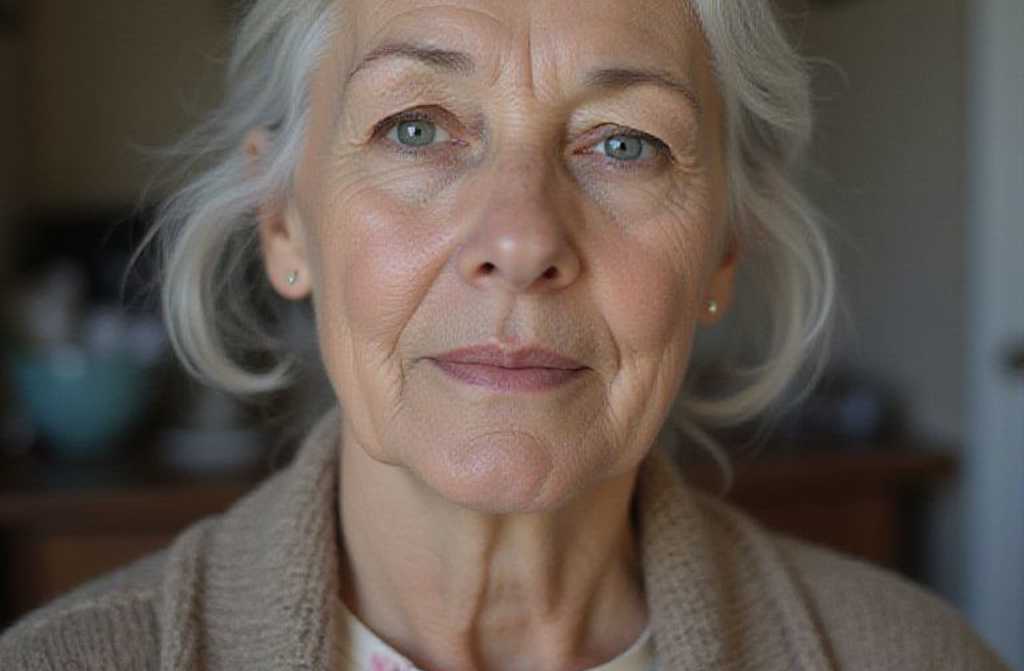
“What do you mean, we’re not the heirs? There’s no other family!” the daughter cried, waving her hands, until the official document came into view.
The story began long before the day a solicitor’s papers arrived at Helen Whitfield’s flat. She lived alone in a block of flats in Leeds, in the north of England. Her husband, Arthur, had been gone for years, and her children, David and Sarah Whitfield, had long since moved away.
They each had their own life, their own troubles. They rarely gave their mother a thought. At first Helen had minded. She had cried quietly in the evenings while looking at old family photographs. Then she simply got used to it. She tried to keep herself busy around the flat so that she would not go mad from loneliness.
With every passing year, her health let her down more and more. Old age crept up unnoticed, stealing her strength. One day she could not get as far as the shops. Her legs suddenly gave way, everything went dark, and she only just managed to hold on to her own front doorframe.
Her rescue came from a neighbour, Doris Miller, who lived on the floor below. Doris was a little younger and was happy to help. She brought fresh bread, collected prescriptions, made hot soup, helped clean the rooms and washed the curtains.
One summer day the two women sat on a bench by the entrance, sheltering from the heat in the shade of an old horse-chestnut tree. Doris looked at her tired neighbour, who was breathing heavily, and could not stop herself.
“Helen, why don’t you call your children? They ought to help somehow. You raised them, you gave them the whole of your life.”
“Oh, Doris, do you think I haven’t tried?” Helen sighed quietly, lowering her eyes. “My son almost never picks up the phone. And when Rebecca answers, she says they simply don’t have time.”
“And what does she say?” asked the neighbour.
“Work, running the home, doing up the house. And they are cramped because her parents are living with them. There’s hardly enough room for the grandchildren, never mind me. In short, nobody is waiting for me there.”
“What about your daughter? She ought to be closer to her mother.”
“My daughter phoned not long ago. But only to ask for money. When I told her honestly that I hardly have enough for medicine and that my pension is tiny, she called me mean and put the phone down. Those are my children.”
Doris just shook her head. She was genuinely sorry for Helen, who had worked at the factory all her life and had been a respected woman, only to be left unwanted in her old age.
“You know, Helen,” Doris said thoughtfully, “perhaps you should let someone into the flat. A nice girl student. You would have a little extra money, and a living soul in the house, so you wouldn’t be so alone.”
“Who would want my little one-bedroom place? It’s so cramped,” Helen doubted. “Unless it was some very undemanding child.”
The women were so absorbed in their conversation that they did not notice the young man sitting on the next bench with a large rucksack at his feet. He had been listening carefully, and when the old women fell silent, he got up awkwardly and came closer.
“Good afternoon. Sorry, I couldn’t help overhearing,” he began politely, taking off his cap. “My name is Daniel Parker. I’ve come here to study at the college, but I’ve had serious trouble finding somewhere to live.”
“What happened, love?” Helen asked gently.
“There wasn’t enough room in the halls. They told me to wait until next term. And I simply can’t afford to rent a flat by myself. My parents are ordinary working people from a small village; there isn’t much money. Would you take me in, even just a corner, even the kitchen?”
The women looked at each other in surprise. The young man struck them as neat, and he had kind, calm, honest eyes. There was no boldness or deceit in his face.
“I can do absolutely everything around the house,” Daniel went on eagerly, seeing them hesitate. “Clean, fix things, mend a tap, run to the shops or the chemist in any weather. I’ll be your first helper. I promise you’ll never regret it.”
Helen adjusted her headscarf and asked where he was living now, if his course was about to start.
“Nowhere,” the young man sighed and lowered his head. “Last night I sat on a bench at the station. I looked at adverts for rooms, but everywhere they want more money than I have. I saw your pleasant green yard, and sat down to rest and think. I can’t go back to the village with nothing.”
The two neighbours moved a few steps away and talked it over for a moment. Doris nodded: the lad seemed decent, worth a try. Helen decided to take the risk and invited Daniel in to see the flat.
From that day, life in the old flat changed completely. Daniel set himself up on a small sofa in the kitchen and was incredibly grateful even for such a modest roof over his head.
He turned out to be an extremely hardworking and well-mannered young man. There was never noise or dirty dishes in the flat. Daniel woke earlier than anyone, washed quietly and hurried off to his classes.
He managed to do everything: he studied well, received his student grant, and helped around the house. Every day after lectures he stopped at the shop, bought fresh food, and carefully checked the dates on the milk and bread.
He also took complete control of Helen’s medication. He sorted her pills into the days of the week, made sure she had breakfast before taking them, and was always at hand when she suddenly felt unwell.
By the second month of their shared life, Helen flatly refused to take any money from him for board or bills.
“Son, you help me more than my own children have in the last ten years,” she said with tears in her eyes. “Your work is worth far more than these bits of paper. Keep your money for yourself. You need it for college, clothes, books.”
At first Daniel refused and felt embarrassed, but the old woman was firm. She simply did not know how else to thank fate for the wonderful helper that God had sent her.
And so three years passed, quietly and peacefully. Daniel had become completely comfortable with Helen, no longer felt shy, and gently called her “Gran.” She treated him like the grandson she had missed so much.
One day, in the local post office, where Daniel had gone to send a parcel to his parents in the village, he met a girl. Her name was Christine. She was a student earning money over the summer holidays as a counter clerk.
At first they only greeted each other politely. Then Daniel began going in more often, even when there was no real need. They talked about their studies, about books, about life.
In time Daniel found the courage to invite her for a walk in the town park. They walked along the paths for a long time, ate ice cream, and talked about everything in the world.
Christine was very surprised to learn that Daniel lived with an elderly woman who was not related to him, and that he looked after her with such sincerity and without expecting anything in return. His kindness, responsibility and devotion moved her deeply. She understood that here was a young man she could depend on in any situation.
They began seeing each other more regularly. At first they met only at weekends; later they tried to catch every free moment after work and lectures.
Soon Daniel decided that it was time to introduce Christine to Helen. He worried about how the old lady would receive his girlfriend.
But all his worrying was unnecessary. Helen took to Christine at once. The girl turned out to be polite, modest, sincere and respectful to older people. She immediately offered to help in the kitchen, washed the dishes and made a good cup of herbal tea.
“Listen, Daniel, don’t let your happiness slip away,” Helen often said in the evenings after Christine had gone home. “Christine is a lovely, bright girl. Plenty of boys are looking at her, so be a bit bolder.”
“I would love to, Gran,” the young man said shyly, blushing. “I love her very much. But I don’t have a home of my own. Where would I bring her after the wedding? To this little sofa in the kitchen? I don’t want to begin family life in these conditions.”
“No, son, you’re wrong,” the old woman shook her head. “The strongest families are the ones that start from nothing together. They are the people who cope with the first difficulties side by side and learn to share the last slice of bread. When everything is already ready and wealth falls on you from nowhere, feelings soon disappear.”
“So you think we could try?” Daniel asked hopefully.
“Of course! And you can live with me. There will be enough room for us all if we squeeze in a bit. My flat is small but cosy. The main thing is that Christine doesn’t mind sharing a house with an old woman.”
When Christine heard the proposal, she agreed with pleasure. She was not afraid of hardship, and she sincerely respected Helen.
Soon they celebrated a very modest but wonderfully warm wedding with close friends and Daniel’s parents, who came from the village. Helen sat in the place of honour as the dearest person there.
A year after that, a little boy was born to the young couple. Life in the flat took on new colours.
Helen was overjoyed. She could sit by the cot for hours, sing lullabies and happily rock the baby while Christine cooked in the kitchen or washed the baby clothes.
The young mother was incredibly grateful to the old lady for her help. She did everything so that Helen should lack nothing, cooked her favourite dishes and always bought fresh fruit.
The flat was full of real family harmony, comfort, warmth and bright baby laughter. The neighbours often said that Helen had been wonderfully lucky in her old age to gain these “grandchildren.”
But one autumn day, an unexpected visit broke that peaceful happiness. Without any warning or phone call, the doorbell rang. On the doorstep stood Helen’s daughter.
She had not been there for years. She had not even wished her mother a happy holiday, only sent short messages. When she saw other people in the flat, baby things and a pram in the hallway, she could hardly hide her displeasure. Her face showed irritation, but in front of her mother she quickly forced a smile.
“Oh, Mum, hello!” she said loudly, walking straight into the room without taking off her shoes. “What is this, a hostel? Who are all these people?”
Helen was a little flustered, but answered calmly:
“This is Daniel, his wife Christine, and my little great-grandson. They have been living with me for four years and help me with everything. Without them I don’t think I would even get up.”
The daughter gave the young couple a contemptuous glance, but said nothing. All evening she tried to appear very affectionate, attentive and caring towards her mother, which looked completely unnatural.
“Mum, I’ve been thinking, and I haven’t slept at night,” she began in the evening, moving closer to Helen. “My heart breaks that you are here alone, squeezed in with strangers. Come and live with me. We have a big house. You will be under my own care, in the warm, with everything done for you. In your old age you deserve peace.”
Helen hesitated. On one hand, there was her own daughter, who was finally showing attention and care. A mother’s heart always wants to believe her children and to forgive old grievances.
On the other hand, there was her new, tested family, who over the years had become closer than any blood relatives. But her daughter’s sweet, persistent words melted the ice in the old woman’s heart, and in the end she agreed to move.
Packing began quickly. The daughter hurried her mother and helped fold the most necessary things into large suitcases.
Helen went over to Daniel and Christine, who were sitting sadly in the kitchen.
“My dears, don’t be hurt,” she said quietly, patting Daniel on the shoulder. “My daughter has invited me, so I ought to try to make things right with her. You stay here. Live in the flat rent-free for a whole year, save your money, find yourselves a good home. Then life will show what happens next.”
Daniel and Christine could barely hold back their tears. They were upset at her leaving and felt a cold sense of foreboding, but they had no right to go against the wishes of the mother and her lawful daughter.
When all the suitcases were packed and carried out into the hall, Helen remembered that she had promised to pop down to see Doris, the neighbour below. She wanted to say goodbye in person, return an old book and thank her for many years of true neighbourly friendship.
As soon as the heavy front door closed behind the old woman, all her daughter’s politeness and gentleness vanished like mist. She turned sharply on her heels and looked at the young parents, who were standing by the cot, with contempt.
“Right, you two,” she said rudely and firmly, folding her arms. “By tomorrow morning I don’t want to see your faces in this flat. Collect your things and get out.”
Daniel was stunned by her nerve, but quickly recovered and answered calmly:
“Listen, Helen has just told us personally that we may stay here for a year. We have a small child. We need time to find somewhere to rent and to move our things.”
“My mother is old and can hardly think properly because of her age!” the daughter snapped. “And you clever scroungers are taking shameless advantage of her. A year? Whatever are you talking about? I have already found good buyers for this property. Tomorrow morning they are coming to view it, and I need the place empty. So leave at once!”
Christine, holding the baby close, asked quietly and tried to keep her voice steady:
“Where are we supposed to go with a baby in the middle of cold autumn? We have nowhere to go right now, please understand.”
“I’m not interested, and I don’t care!” the woman cut in. “That’s your problem. You should have thought of that sooner, while you were living here for free.”
“It looks as though you don’t care about your own mother either,” Christine said, lifting her head. “You’re taking her away like an unwanted bundle, just so you can sell her only flat quickly and take the money. What will happen to her after the papers are signed? Where will you put her?”
“None of your business, girl!” the daughter almost screamed. “I can do whatever I like with my mother and her property. You are nobody here.”
“I’ll tell Helen everything. I’ll go downstairs right now,” Daniel said firmly, stepping toward the door. “She should know the truth about your terrible plans for her and her home. She does not deserve that from her own child.”
“And who is going to believe you, eh?” the woman laughed spitefully. “Her own loving daughter, or some random people who lived in her house rent-free for years? She will listen to me. You are just parasites looking for an easy life. Take your bags and get out before I call the police!”
“Don’t you dare speak to my wife like that, or insult our family,” Daniel said, stepping in front of Christine. “We helped Helen honestly and cared for her day and night while you did not even remember she existed. We bought food with our own money when you were the one asking her for help!”
“Enough of this empty talk!” the daughter interrupted. “You are nobody here, just lodgers without a contract. You have no rights. Find another trusting old lady and live off her. You’ve had plenty of practice.”
“Nobody is going anywhere!” came a loud, trembling voice from the doorway.
There stood Helen. She had come back quickly because she had forgotten the warm headscarf she wanted to give Doris as a keepsake. She had opened the door with her key and heard the whole ugly conversation from beginning to end. She looked at her daughter with such deep sorrow, pain and disappointment that the woman felt ashamed.
“Mum… you misunderstood… it’s not what you think… I only wanted…” the daughter began, changing her tone at once and trying to run to her mother.
“I understood everything, every word,” Helen answered quietly, but with immense firmness, pushing her away with her hand. “Take your things and your handbag and get out of my house. Right now. I don’t want to see you here again.”
“But Mum, we agreed about the move! We need to sell the flat, we need the money!” the daughter argued, losing control.
“I am not moving anywhere, and not to your house,” the old woman cut her off. “My only home is here, and my real loving family is here too. They will not betray me for square metres. Get out.”
The daughter became furious. Her face twisted with rage. She grabbed her expensive leather handbag, shouted a few nasty words at her mother and Daniel, and slammed the door so hard that the walls shook. Then she ran out of the building.
Helen walked slowly to the chair, sank down on it and wept quietly and bitterly, covering her face with her hands. These were the tears of a mother who had finally understood that she had raised a selfish woman.
Christine came over at once, sat down beside her, gently put her arm round Helen’s shoulders and began to comfort her. Daniel quickly put the kettle on and poured the old lady a glass of water with calming drops.
“It’s all right, Gran, please calm down. The important thing is that we are together. We will never leave you,” Christine said softly, wiping away her tears.
Gradually life returned to its usual peaceful rhythm. But the shock had left its mark on the old woman’s health. Illness and old age began to take their toll with doubled force.
Months passed, then years. Helen began to fail badly. Her heart and joints gave her trouble. In the last year of her life she was almost always in bed, as helpless as a baby.
Daniel and Christine never once regretted their decision. They did not leave her side and shared the duties between them. Daniel lifted her, helped her sit up, while Christine cooked light meals, fed her with a spoon, changed the bedding and kept everything clean.
They bought the best medicines they could find, consulted doctors, and did everything so that Helen would not feel pain or discomfort. She could hardly speak by then; her strength was leaving her. But she always looked at the young couple with deep gratitude, love and warmth in her tired eyes.
One quiet autumn morning, Helen did not wake up. She passed away peacefully in her sleep, with a slight smile on her lips, without suffering at the end.
Daniel, as a grown and responsible man, took on all the difficult arrangements and paid for a proper funeral. He and Christine grieved sincerely for the woman who had become a true grandmother to them and had given them the warmth of a family.
Her own children, David and Sarah, whom Daniel politely telephoned to tell about the loss, did not come to the funeral. They said they were far too busy at work to drop everything for that.
But they appeared exactly two weeks after the sad event, when, in their opinion, the perfect time had come to sort out property matters and share the inheritance.
The daughter opened the flat door with her key, and she and her brother walked in. They behaved like the absolute owners and did not even take off their coats.
The son, a stout middle-aged man with an indifferent expression, did not think of greeting Daniel and Christine, who were sitting in the room with the child. He went straight to the old sideboard and began shamelessly pulling out drawers, searching for the title deeds, savings books or hidden money.
The daughter stood in the middle of the room, looked around the modest home and cast a superior glance at the young couple.
Daniel and Christine stood quietly by the window. They understood very well what was coming. They would probably have to leave at once, because the law can be hard on those who have no blood connection.
“We’re going now, don’t worry,” Daniel said calmly, with dignity, looking straight into the daughter’s eyes. “Just give us a little time, about an hour, to pack the baby’s clothes, toys and documents. We have no intention of staying.”
“You have exactly half an hour, no longer,” the daughter answered sharply, with a triumphant smile. “Then we call a locksmith and have all the locks changed. We are the owners here, and we don’t need strangers in the house.”
Christine sighed quietly, holding her little boy close. She felt sick at such cruelty and greed.
At that same moment, the front door, which the brother and sister had forgotten to close, opened wider, and Doris walked confidently into the room. She was carrying a large folder of official papers with seals.
“Good afternoon, everyone. What is this meeting, and why are you giving orders in somebody else’s home?” Doris asked loudly, looking sternly at the brother and sister.
Helen’s daughter turned to her crossly.
“Woman, go about your own business. We have come here lawfully to take up our rights of ownership. We are the dead woman’s only children, the lawful first-in-line heirs. This flat now belongs to us by law, and we decide who stays here.”
“No, you don’t, my dear,” Doris answered calmly, with a slight smile, coming up to the table. “You are not her heirs at all. Your rights here ended a long time ago.”
“That’s complete nonsense! What are you talking about?” the son protested, pulling himself away from the drawers and coming over. “We are her own children, her blood! She has no other family and cannot have any. The law is on our side!”
“Real children remember their mother while she is alive, help her when she cannot get up, and do not appear only after her death to divide the walls!” Doris said loudly, looking them both in the eye. “When Helen was seriously ill and bedridden for a whole year, where were you? Why didn’t you come to help, why didn’t you bring medicine? She made Daniel her heir a very long time ago.”
Doris opened the folder slowly, took out the original document with the official seal, and placed it firmly on the table in front of them.
“Here. Have a good look with your shameless eyes. This is a formal care agreement, drawn up and witnessed by a solicitor several years ago, right after you tried to throw these young people onto the street. I was an official witness at the signing.”
The daughter snatched the paper and began to read, her eyes racing over the lines. With every line her face grew paler and paler, and her hands began to tremble as the truth sank in.
“It says here… a lifetime care agreement… ownership passes after death…” the brother muttered, looking over her shoulder. His voice became thin and uncertain.
“The paperwork is completely legal and correct,” Doris added, folding her arms. “Daniel carried out every single condition. He bought food and medicine, paid the bills, looked after her to the last minute of her life, and paid for the funeral himself. We have receipts, statements and medical records. So this flat and everything in it now legally belongs to him. You are outsiders here.”
The daughter threw the document down on the table. She knew there was no chance of contesting it, because they had no proof that they had ever been part of their sick mother’s life.
“And now, please leave this private home,” Daniel said quietly, with deep dignity. He walked to the hallway and held the front door open. “We need to put the baby to bed, and you are disturbing us.”
The brother and sister exchanged angry looks, grabbed their things, and without another word left the flat almost at a run, slamming the entrance door behind them.
Silence fell over the room and then changed into a wave of relief and peace. Christine came over to Daniel, wrapped her arms around him and rested her head on his shoulder. At last they felt safe in their own home.
Doris came up to them, smiled warmly and patted Daniel on the back.
“Well, that’s that, dears. Justice does exist in this world. You earned this little nest with your endless kindness, honesty, patience and true humanity. Live happily, raise your son, and may your home always have peace.”
Daniel and Christine thanked Doris sincerely for her support and courage. They knew Helen was watching them from above and was glad that her beloved flat had gone to those who had truly loved and valued her as a person, not as a source of easy money.
That story soon spread through the whole block and became an important lesson for many people. It proved a simple truth once again: a real family is not defined by blood or by what is written on a piece of paper, but by genuine care, love, mutual support and the ability to come to someone’s side in the hardest moment of life. And those who forget their conscience and abandon their parents for money always end up with nothing.



A jászberényi diófa, amelyik hatszázezer forintot ért meg egy családnak
A jászberényi diófa, amelyik örökre megmentett egy udvart Negyedik éve dolgozom a jászberényi piacon zöldséges standnál, pont szemben azzal a...


Žentas, kuris liko: Birutės akys devynerius metus
Mane vadina nedėkingu žentu. Taip sako uošvienės draugės prie bažnyčios Pasvalyje, kai aš parvežu ją iš poliklinikos ir padedu išlipti...


האלמנה מרחוב הדקלים
היה סוף אוקטובר, בבאר שבע עוד נשבה החמסין המאוחר שחודר דרך כל בד, לא משנה מה לובשים מתחתיו. אני לבשתי...


Свекървата ми изхвърли дрехите, а мъжът ми мълчеше
Стоях във всекидневната с разкъсан найлонов плик до краката и гледах празния рафт в гардероба. — Къде е ризата ми...


Dvě stě padesát hodin, matko
Tereza seděla v kuchyni na sídlišti Lesná v Brně, byla půl čtvrté ráno, a za oknem svítila jediná rozsvícená lampa...


Konvice, co nikdy nevystydla
Jmenuji se Radka Bartošová, bydlím na sídlišti v Pardubicích, ve stejném paneláku už osmadvacet let, a naproti přes chodbu, ve...


מאה חמישים מטר על מגרש הכדורגל של בית הספר בעפולה
אני עובדת בבית הספר התיכון כבר שתים עשרה שנה, מזכירה במשרד המנהלת, ורואה הרבה דברים שהורים לא רואים. אבל את...


Il quaderno di ricette di mia suocera
Mi chiamo Massimo, ho quarantatré anni e faccio il ragioniere a Bergamo. Per dodici anni ho vissuto nella stessa palazzina...